Hokkaido Travel Guide: Plan Your Perfect Trip
By Matt Cuckston, Founder & Travel Technology Expert at TixLayer
Japan's northernmost island operates on a completely different rhythm from the rest of the country. Where Tokyo moves fast and Kyoto leans into ceremony, Hokkaido moves with the seasons. Wide open landscapes, some of the world's best powder snow, extraordinary seafood, and a relatively uncrowded travel experience make this one of the most rewarding destinations in all of Asia. Whether you are researching things to do in Hokkaido for the first time or planning a return trip, this guide will give you a solid foundation to build a great itinerary.
Getting to Hokkaido
The most convenient way to arrive is by air. New Chitose Airport (CTS), located about 40 minutes south of Sapporo by train, handles the majority of international and domestic flights. Direct flights connect from Tokyo (around 90 minutes), Osaka, Nagoya, and several international hubs including Seoul, Taipei, and Hong Kong. Budget carriers like Peach and Jetstar Japan offer competitive fares on the Tokyo route, so booking early can save you considerably.
If you prefer the scenic route, the Hokkaido Shinkansen connects Hakodate in the south to Honshu via the Seikan Tunnel. The journey from Tokyo to Shin-Hakodate-Hokuto takes around four hours. From there, a limited express train continues to Sapporo, adding another three hours. It is a long travel day but genuinely beautiful, especially in autumn.
Getting Around
Hokkaido is large. At roughly 83,000 square kilometres, it is bigger than Ireland. A JR Hokkaido Pass is worth buying if you plan to cover multiple regions. Passes are available for 3, 5, or 7 days and cover the main rail lines between Sapporo, Asahikawa, Hakodate, Kushiro, and Abashiri.
For rural areas and national parks, renting a car is the most practical option. Roads are well maintained, driving is on the left, and distances between attractions are manageable. International driving permits are accepted. Note that winter driving requires genuine experience with snow and ice conditions, and many rental companies will ask about this.
Within Sapporo, the subway system is clean, punctual, and easy to navigate with English signage. Day passes are available and make sense if you are moving around the city frequently.
Best Areas to Base Yourself
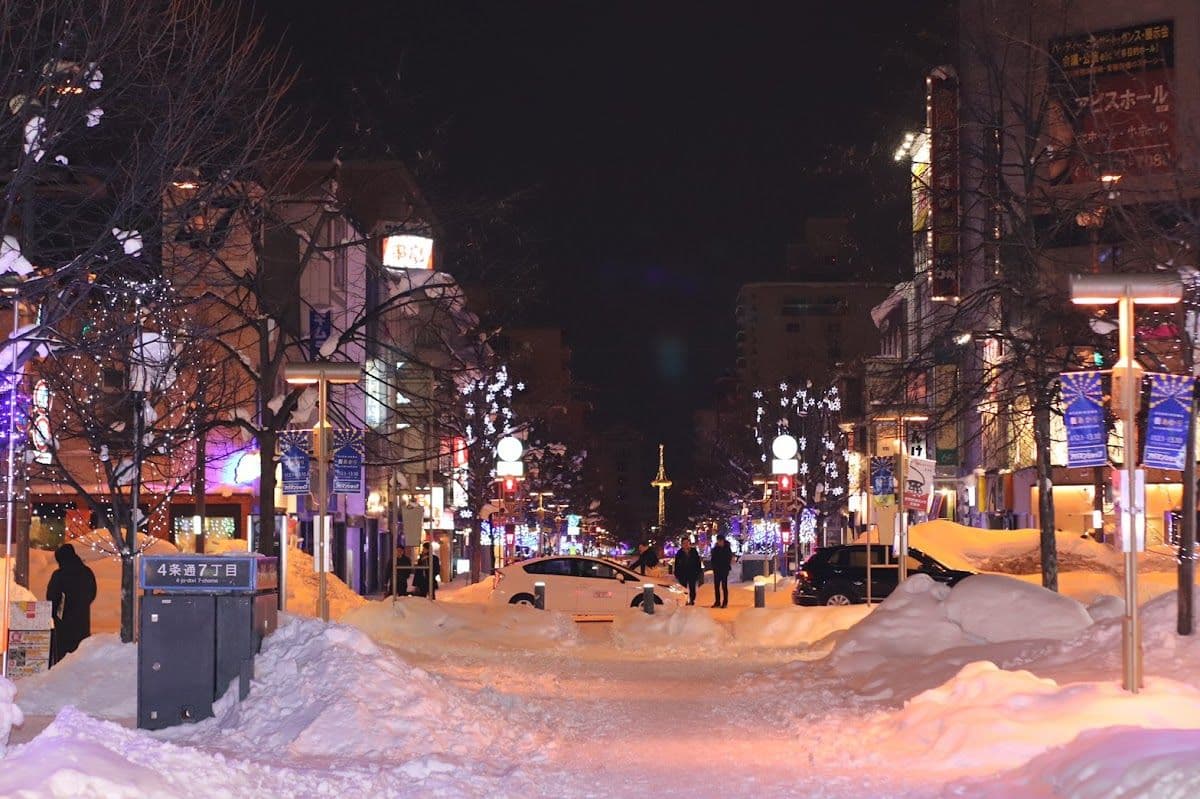
Sapporo is the obvious choice for first-time visitors. As the island's capital and largest city, it has the best transport connections, the widest range of accommodation, and enough to fill several days on its own. The Susukino area is the centre of nightlife and ramen culture, while Odori Park and the historic Clock Tower sit in the central district.
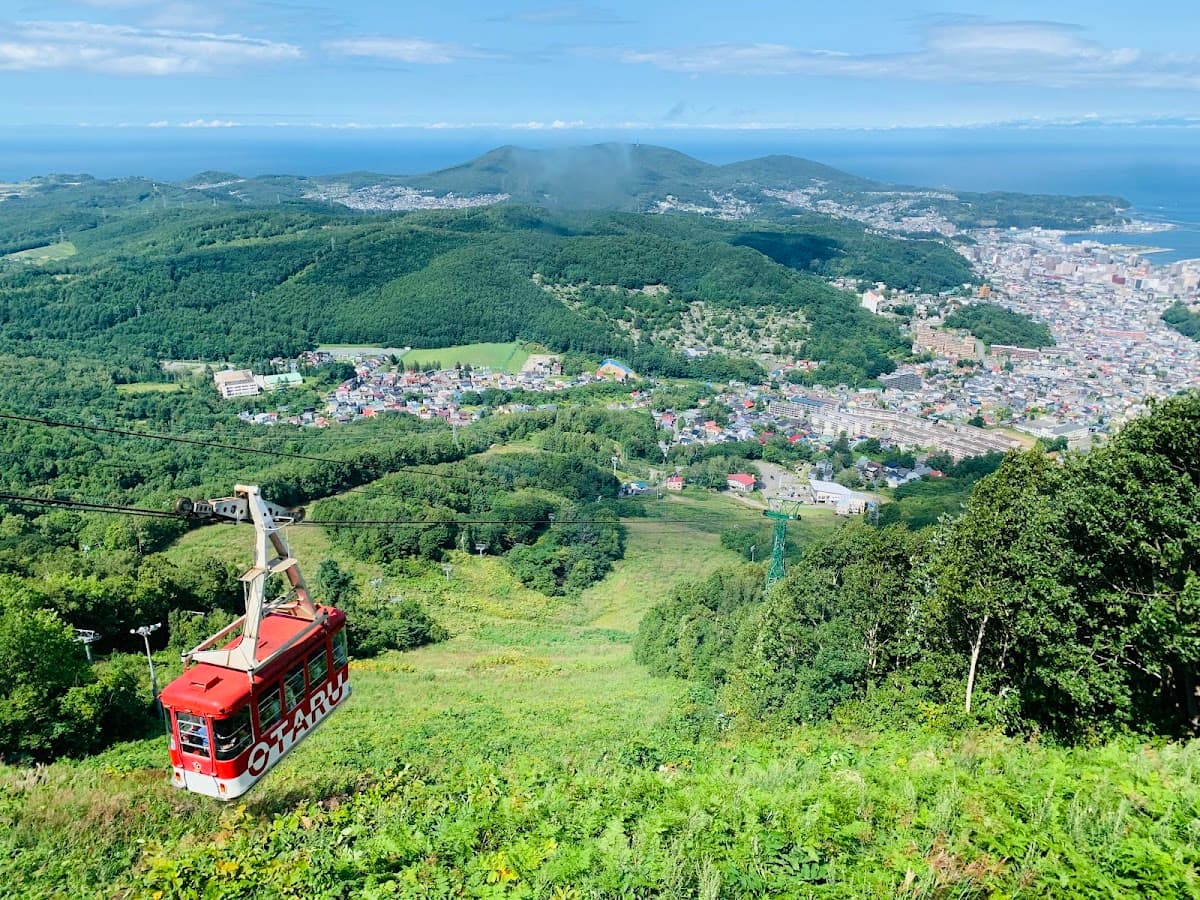
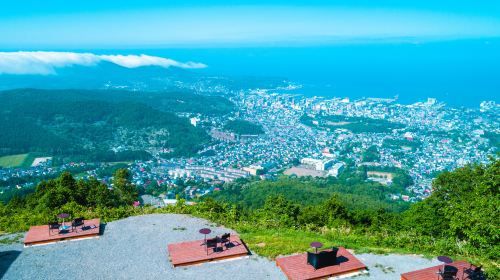
Otaru is a 30-minute train ride from Sapporo and worth at least a day trip. The canal district, old stone warehouses, and concentration of glasswork studios give it a distinct character. The Stained Glass Museum and Nitori Museum of Art are both worth visiting, and the seafood here is exceptional.
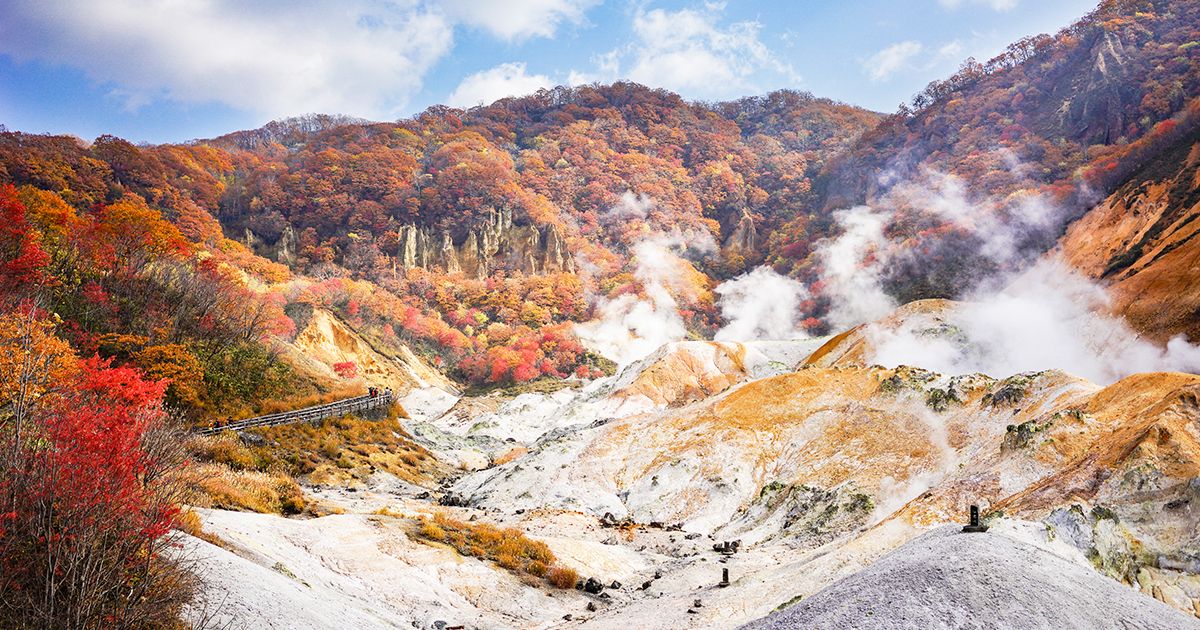
Noboribetsu is the island's most famous onsen town and a good base for exploring the volcanic Jigokudani (Hell Valley) area.
Furano and Biei are the go-to regions for summer flower tourism and pastoral landscapes.
When to Visit
Hokkaido has four genuinely distinct seasons, and the right time to visit depends entirely on what you want from the trip.
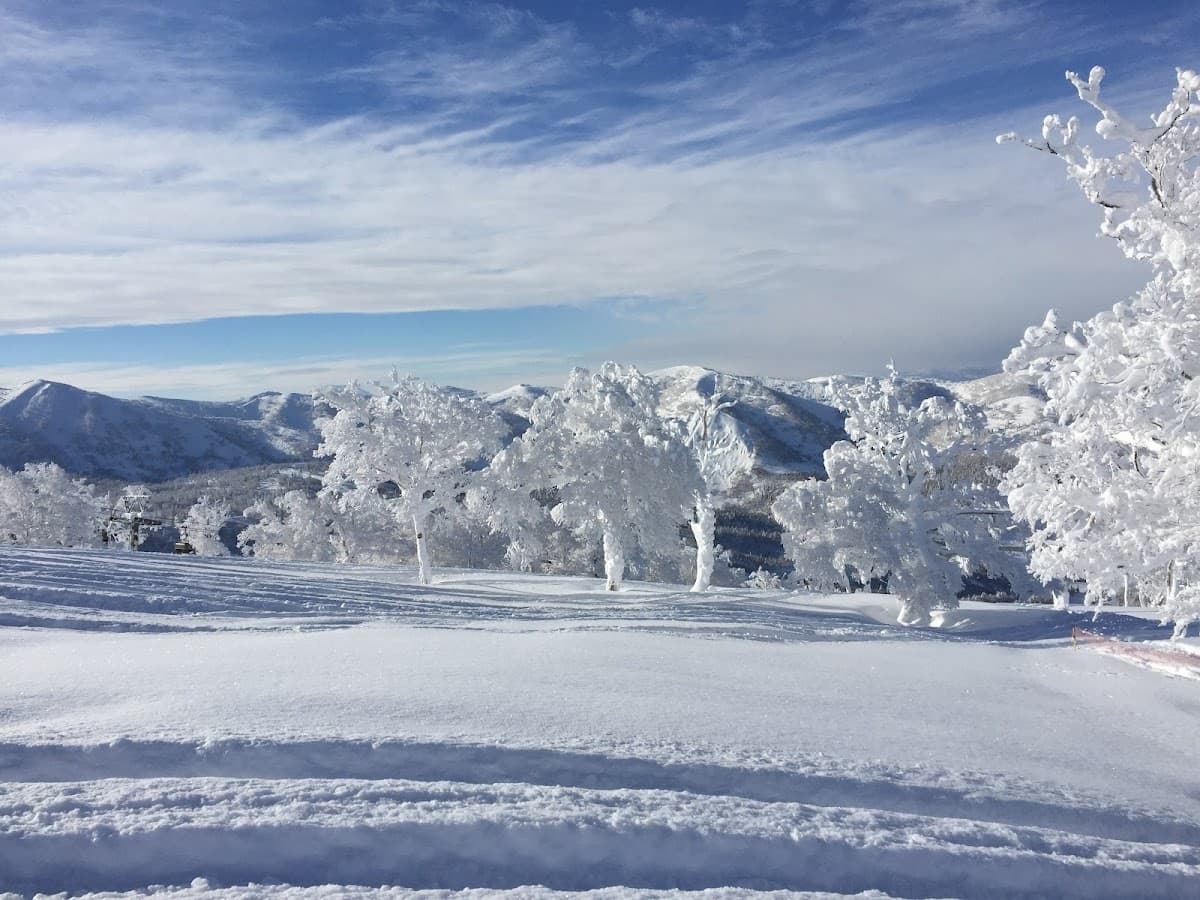
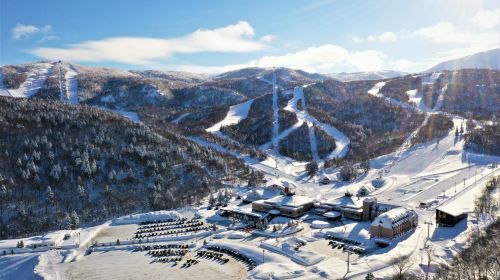
Winter (December to March) is peak season for skiing and snowboarding. The island receives some of the driest, lightest powder snow on the planet, and resorts like Kiroro Snow World and Asarigawa Onsen Ski Resort draw international visitors specifically for the quality of the snow. The Sapporo Snow Festival in early February is one of Japan's most attended events. Book accommodation months in advance if you plan to attend.
Spring (April to May) is quieter and often overlooked. Cherry blossoms arrive later here than in the rest of Japan, making it possible to catch them twice on a single trip to Japan if you time it right.
Summer (June to August) brings the famous lavender fields around Furano, sunflower farms in Biei, and comfortable temperatures in the low to mid-20s Celsius. This is the most popular season for domestic Japanese tourists, so popular spots will be busy but not overwhelming by international standards.
Autumn (September to November) offers stunning foliage and far fewer crowds. September is arguably the sweet spot: summer tourism has wound down, the mountains turn red and gold, and the seafood season is in full swing.
What to avoid: The rainy season does not affect Hokkaido the way it does southern Japan, but late November through early December can be grey and cold without the full reward of snow yet. Golden Week (late April to early May) sees heavy domestic travel and elevated prices throughout Japan.
What to See and Do
The range of experiences here is genuinely broad. Wildlife lovers should consider the 1-day tour to Asahiyama Zoo, one of Japan's most innovative zoos, known for its enclosures designed to show animals' natural behaviours rather than confining them to static displays. Several tour options combine the zoo with the surrounding Biei region, including the Hokkaido Asahiyama Zoo & Biei Shirogane Blue Pond, Shirahige Waterfall & Ningle Terrace 1-day tour, which packs a remarkable amount into a single day.
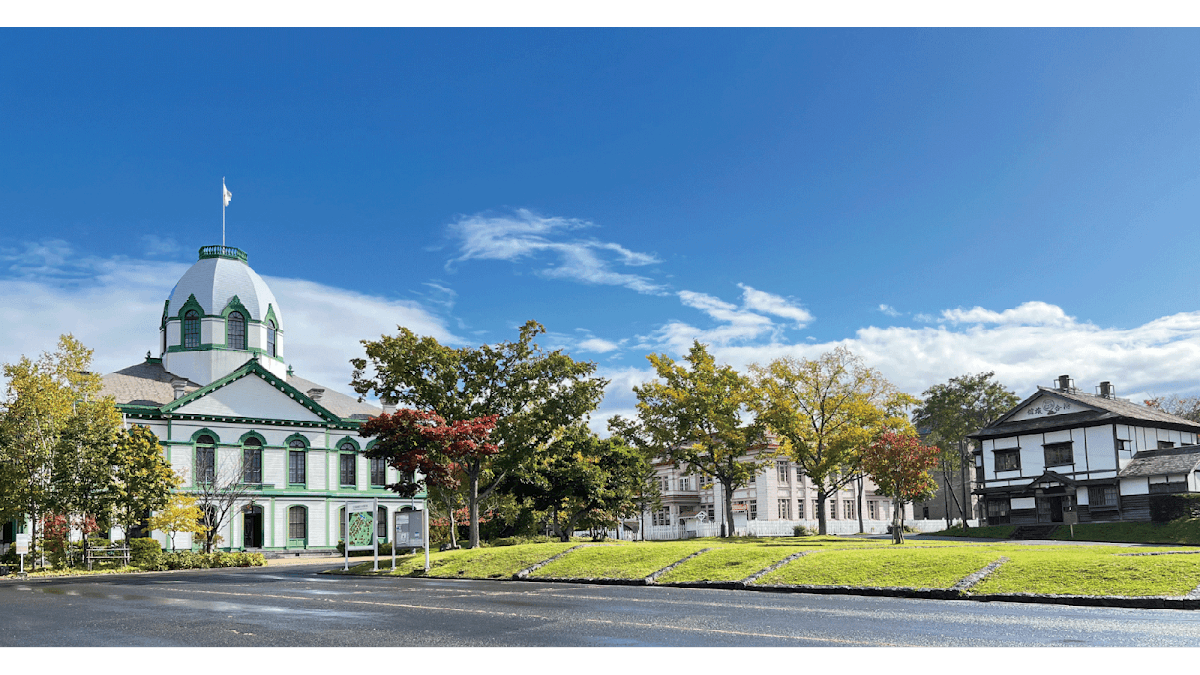
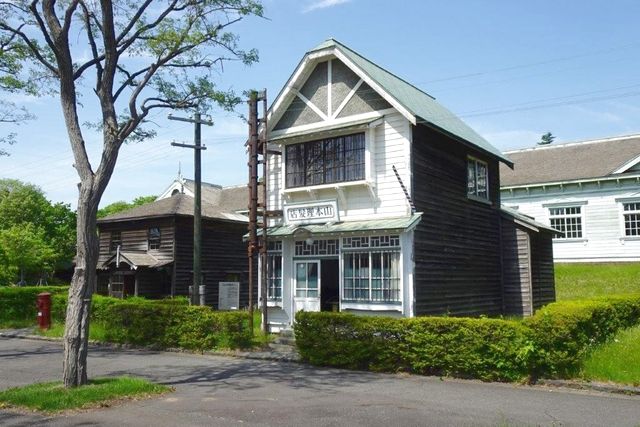
For a deeper look at the island's history, the Historical Village of Hokkaido is an open-air museum outside Sapporo that reconstructs Meiji and Taisho-era buildings and offers a grounded sense of how the island was settled.
If you have more time, the Hokkaido Noboribetsu Lake Toya Otaru Panoramic Day Tour covers three of the island's most scenic destinations in a single guided day, which is ideal if you are working with a tight schedule.
Where to Eat
The food culture here is one of the best reasons to visit. Hokkaido dairy is considered the finest in Japan, which means the butter, cheese, soft-serve ice cream, and milk-based dishes are all noticeably better than what you find elsewhere. The island is also the source of much of Japan's best seafood: sea urchin (uni), snow crab, salmon, and scallops are all produced locally.
In Sapporo, the Nijo Market near the city centre is a good spot for fresh seafood bowls in the morning. The Susukino district is the place for miso ramen, a Sapporo specialty. Soup curry, a local invention, is worth trying at least once and is available at dozens of dedicated restaurants across the city.
In Otaru, eat at the canal-side restaurants and look for menus that feature local scallops and sea urchin. In Noboribetsu, the ryokan dining experience, where a multi-course kaiseki meal is served in your room or a private dining area, is worth the splurge at least one night.
Budget Expectations
Hokkaido sits in the mid-range category for Japan travel. Sapporo is noticeably more affordable than Tokyo or Osaka. A budget traveller staying in hostels and eating at ramen shops and convenience stores can manage on 5,000 to 7,000 yen per day. A comfortable mid-range trip with a business hotel, sit-down meals, and day tours typically runs 15,000 to 25,000 yen per day. Ski resort accommodation and ryokan stays push costs higher, particularly in peak winter season.
Transport costs are the biggest variable. A rental car adds up over a week but is often the only practical way to reach remote areas. The JR Hokkaido Pass offers reasonable value if you are covering significant distances by train.
Insider Tips
Book your crab dinner in Sapporo, not at the resort. The tourist-facing crab restaurants near ski resorts charge a significant premium. The same quality meal costs considerably less at a specialist crab restaurant in Sapporo's Tanukikoji shopping arcade area.
The Blue Pond at Shirogane is best visited on overcast days. The famous milky blue colour of the water comes from aluminium hydroxide particles, and the reflection is actually more vivid when the sky is flat and grey rather than bright blue. Most visitors arrive hoping for sunshine and are disappointed; you should hope for clouds.
Hokkaido convenience stores are worth a dedicated visit. The local 7-Eleven and Seicomart stores stock regional products you genuinely cannot find elsewhere in Japan, including limited-edition dairy snacks, local craft beers, and fresh onigiri made with Hokkaido rice. Seicomart in particular is a local institution and has a small hot food counter that puts most fast food to shame.
Practical Tips
- Purchase a Suica or IC card at New Chitose Airport for seamless payment on trains and buses throughout the island.
- Mobile data: a pocket Wi-Fi rental or local SIM card is essential for navigation outside Sapporo.
- Tipping is not practised in Japan. Exceptional service is standard and does not require additional payment.
- English signage is good in Sapporo and tourist areas but drops off significantly in rural regions. Download an offline translation app before you go.
- Onsen etiquette: tattoos are still prohibited at many public baths. Check the policy of your ryokan or public bathhouse before visiting if this applies to you.
Hokkaido rewards travellers who slow down and engage with the seasons rather than trying to rush through a checklist. Whether you are here for a week of skiing, a summer road trip through flower country, or a long autumn weekend eating your way through Sapporo's food scene, the island consistently delivers.
![[Hokkaido] Noboribetsu Marine Park Nixe](/_next/image?url=https%3A%2F%2Ftixlayer.com%2Fstorage%2Fattractions%2F2991%2Fgoogle_0_1776175355.jpg&w=3840&q=75)