Hiroshima Travel Guide: Plan Your Perfect Trip
By Matt Cuckston, Founder & Travel Technology Expert at TixLayer
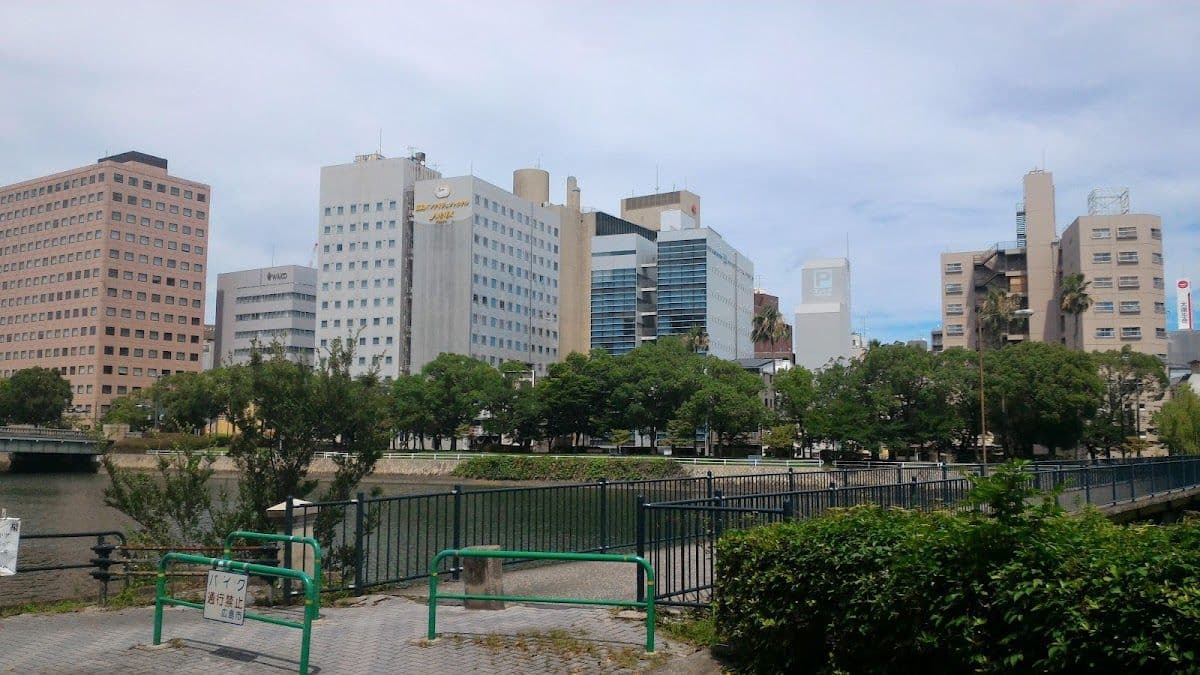
Few cities in the world carry as much weight as Hiroshima. Rebuilt from near-total destruction after the atomic bombing of August 1945, it has become a symbol of resilience, peace, and forward momentum. Yet beyond its history, it is a genuinely enjoyable place to spend time, with excellent food, easy transport, beautiful gardens, and quick access to one of Japan's most iconic island destinations. If you are putting together a list of things to do in Hiroshima, you will find there is far more here than a single day can hold.
This guide covers everything you need to plan a well-rounded trip, from the practical logistics to the experiences worth prioritising.
---
Getting to Hiroshima
Hiroshima is well connected and easy to reach from most major Japanese cities.
By Shinkansen: The most convenient option for most travellers. The Nozomi and Sakura bullet trains connect Hiroshima to Osaka in around 90 minutes and to Tokyo in approximately four hours. If you have a Japan Rail Pass, note that the Nozomi is not covered, so you will need to use the Sakura or Hikari services instead.
By air: Hiroshima Airport handles domestic flights from Tokyo (Haneda and Narita), Sapporo, and Okinawa. International connections are limited, so most overseas visitors fly into Osaka Kansai or Tokyo and continue by train.
By bus: Highway buses run from Osaka, Kyoto, and Tokyo. They are significantly cheaper than the Shinkansen but take considerably longer. A good option if budget is a priority and you do not mind overnight travel.
---
Getting Around the City
Hiroshima has one of Japan's most charming urban transport systems: a tram network that dates back over a century. Trams cover the central areas well and are easy to use, with flat fares of around 180 yen per ride. A one-day tram pass (around 700 yen) is worth buying if you plan to make multiple journeys.
For Miyajima Island, take the JR San'yo Line from Hiroshima Station to Miyajimaguchi, then a short ferry crossing to the island. The ferry is covered by the Japan Rail Pass.
Bicycles are available for rent near the station and at several points around the city. The terrain is mostly flat, making cycling a practical and pleasant way to move between sights.
---
Best Neighbourhoods to Base Yourself
Around Hiroshima Station: Practical for transport connections and packed with food options. Good for travellers who want to move efficiently.
Hondori and Nagarekawa: The central shopping and dining district. Walking distance from the Peace Memorial Park and most major sights. The best base for first-time visitors.
Onomichi: Not in the city centre, but worth considering as a base if you want a slower pace. This small port town along the Seto Inland Sea has a strong artistic identity, hillside temples, and easy access to the Shimanami Kaido cycling route. The Mt. Senkoji Ropeway offers sweeping views over the water and is a short trip from the town centre.
---
When to Visit Hiroshima
Best months: March to May and September to November
Spring brings cherry blossoms, typically peaking in late March to early April. The Peace Memorial Park is lined with cherry trees and becomes particularly moving during this season. Autumn offers comfortable temperatures and vivid foliage through October and November.
What to avoid: July and August are hot and humid, with temperatures regularly exceeding 33°C. August 6th, the anniversary of the atomic bombing, draws large crowds to the Peace Memorial Park for the annual ceremony. It is a meaningful occasion, but accommodation books out months in advance and the city is significantly busier than usual.
Winter is mild by Japanese standards and far less crowded. If you are comfortable with cool weather and occasional rain, December through February offers a quieter, more affordable visit.
---
What to See and Do
The Peace Memorial Park and Museum
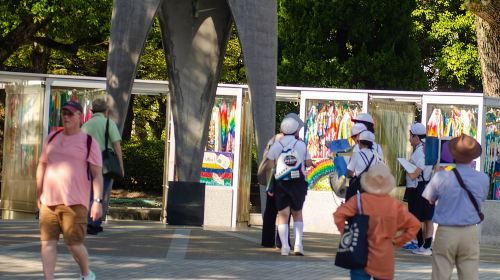
This is the emotional and historical core of any visit. The Hiroshima Peace Memorial Museum and Castle Tour gives you guided access to both landmarks, which makes a significant difference in understanding what you are seeing. The museum holds personal artefacts, photographs, and testimonies from survivors. It is not easy viewing, but it is essential.
Hiroshima Castle
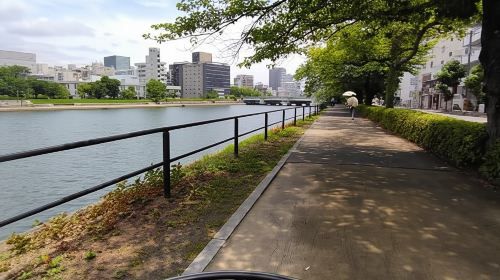
Hiroshima Castle was originally built in 1589 and destroyed in 1945, then reconstructed in 1958. The interior now houses a well-curated museum on feudal-era Hiroshima. The surrounding moat and grounds are pleasant to walk through at any time of year.
Shukkeien Garden
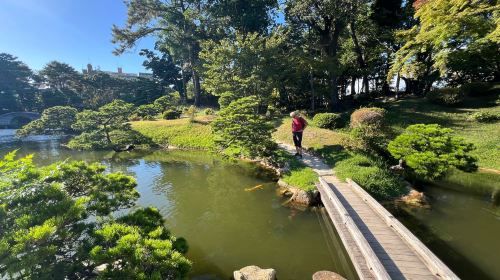
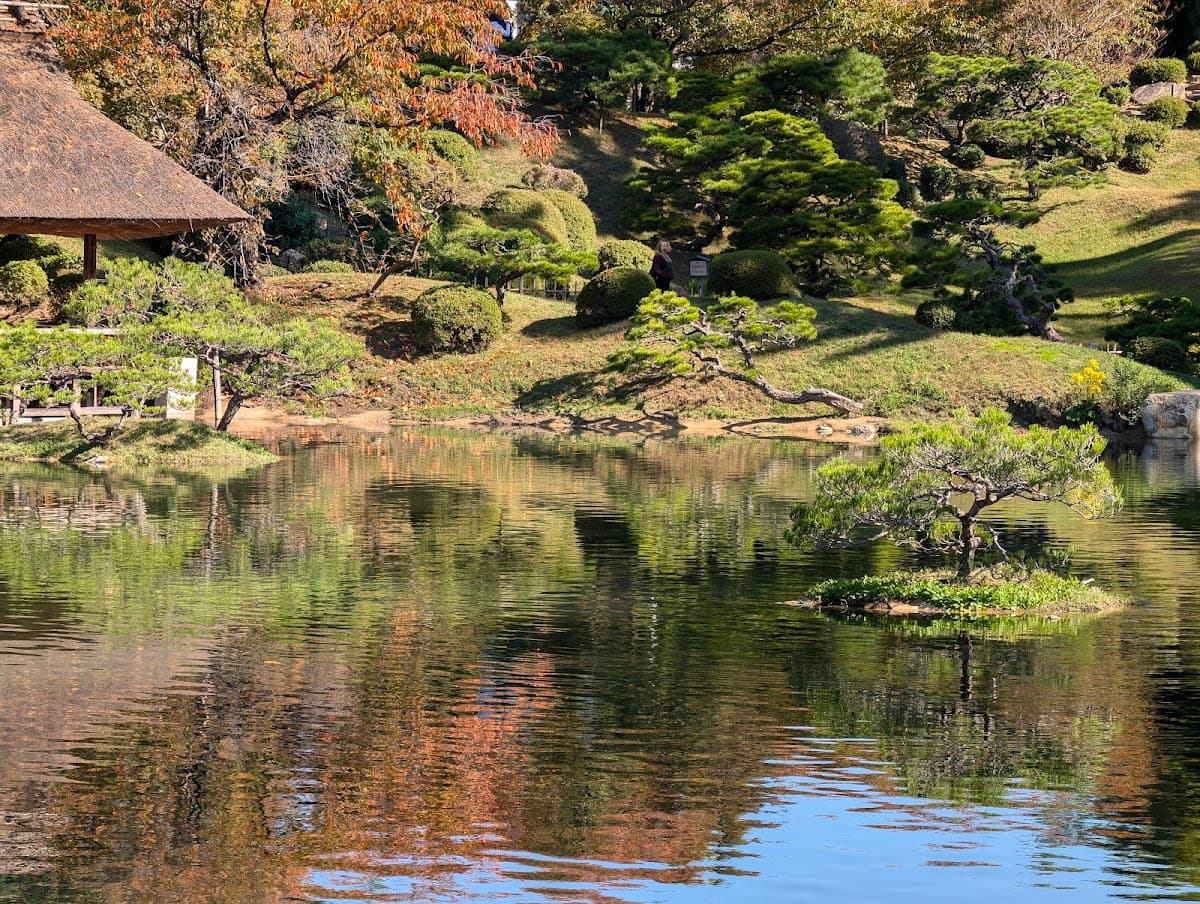
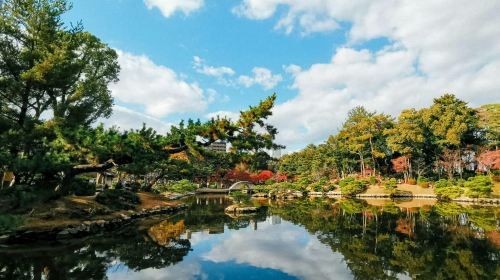
A short walk from the castle, Shukkeien Garden is an Edo-period landscape garden built around a central pond. It offers a quiet contrast to the heavier historical sites nearby and is particularly beautiful during cherry blossom season and autumn leaf colour.
Miyajima Island
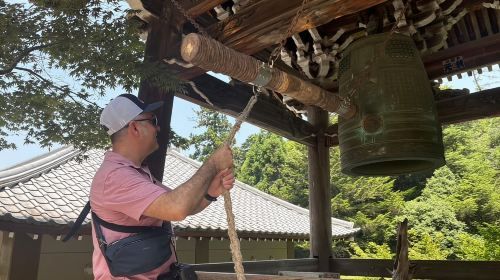
The floating torii gate of Itsukushima Shrine is one of Japan's most photographed images. The island also has free-roaming deer, forested hiking trails, and excellent oysters. Book the Hiroshima and Miyajima Private Guided Tour if you want to cover both the city and the island in a single day with local context, or opt for the Miyajima Island Half-Day Tour if you prefer a shorter, focused excursion.
The Orizuru Tower
For a different perspective on the city, the Hiroshima Orizuru Tower sits directly opposite the A-Bomb Dome and offers rooftop views across the Peace Memorial Park. There is also an interactive origami area where visitors can fold paper cranes to add to a growing collection inside the building.
---
Where to Eat
Hiroshima has a distinct regional food identity worth taking seriously.
Hiroshima-style okonomiyaki is the dish most associated with the city. Unlike the Osaka version, where ingredients are mixed together, the Hiroshima style is layered: batter, cabbage, bean sprouts, noodles, and egg, stacked and cooked on a flat iron griddle. Okonomimura, a multi-storey building near Hondori, houses dozens of small okonomiyaki restaurants and is the most convenient place to try several variations.
Oysters are farmed extensively in Hiroshima Bay and are available grilled, fried, or raw across the city. The season runs from October through April, when they are at their best.
Mazemen ramen is a local dry noodle dish worth seeking out at smaller ramen shops in the Nagarekawa area.
For budget eating, convenience stores (7-Eleven, Lawson, FamilyMart) remain a reliable option in Japan and are genuinely good. A filling meal from a convenience store costs around 500 to 700 yen.
---
Budget Expectations
Hiroshima sits comfortably in the mid-range tier of Japanese cities. It is noticeably more affordable than Tokyo or Kyoto.
- Budget traveller: 5,000 to 8,000 yen per day (hostel dorm, convenience store meals, tram transport)
- Mid-range: 12,000 to 20,000 yen per day (business hotel, restaurant meals, entrance fees)
- Comfortable: 25,000 yen and above per day (nicer hotels, guided tours, Miyajima day trip)
Most major attractions have entrance fees between 200 and 800 yen. The Peace Memorial Museum is 200 yen, which makes it one of the most underpriced significant cultural experiences in Japan.
---
Insider Tips
Visit the A-Bomb Dome at night. Most guides recommend it during the day, but the dome is lit after dark and the surrounding park becomes very quiet. Without the daytime crowds, the experience is considerably more affecting. It costs nothing and takes only a short walk from the central tram stops.
Take the slow train along the Seto Inland Sea coast. The JR Kure Line between Hiroshima and Kaitaichi runs close to the water and offers views of the islands that most visitors never see. It adds only a small amount of time compared to the faster route and is a worthwhile detour if you are travelling without a fixed schedule.
Eat okonomiyaki for breakfast. Several of the restaurants in Okonomimura open early, and eating the dish in the morning when the griddles are freshly heated and the crowds have not yet arrived is a genuinely different experience from a lunchtime visit.
---
Practical Tips
- IC cards: Load an IC card (Suica or Icoca) at any major station. It works on trams, buses, trains, and in most convenience stores across the region.
- Language: English signage is good throughout the Peace Memorial area and at major transport hubs. Away from tourist zones, a translation app is helpful.
- Cash: Japan remains heavily cash-reliant in smaller restaurants and local shops. Keep yen on hand.
- Luggage forwarding: If you are moving between cities, takkyubin (luggage forwarding) services can send your bags ahead to your next hotel for around 1,500 to 2,000 yen per bag. This makes day trips and travel days far more comfortable.
Hiroshima rewards visitors who give it more than a single day. The history is profound, the food is distinctive, and the surrounding region, from Miyajima to the Seto Inland Sea, adds genuine depth to any itinerary.