Grand Canyon Travel Guide: Plan Your Perfect Trip
By Matt Cuckston, Founder & Travel Technology Expert at TixLayer
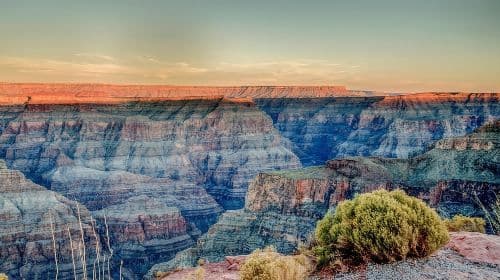
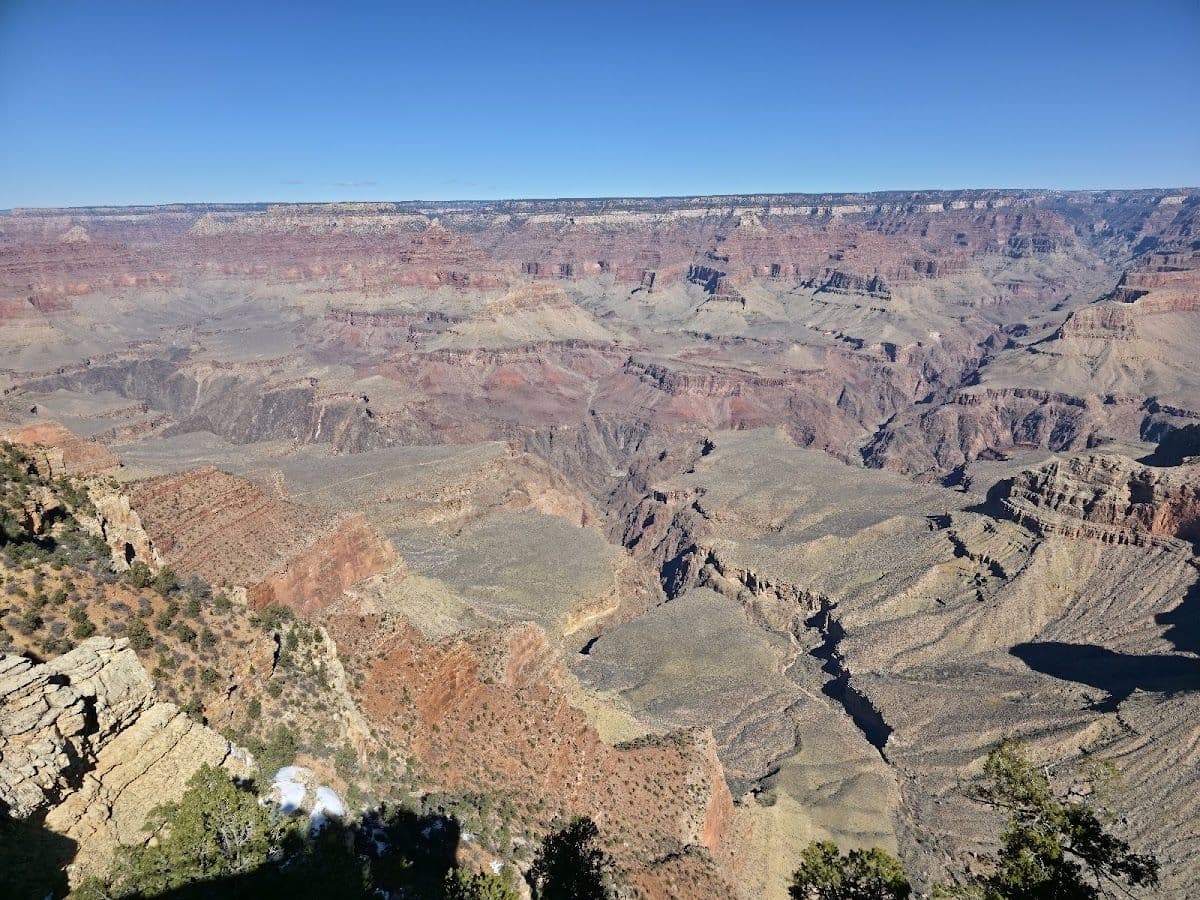
Few places in the world stop you in your tracks the way the Grand Canyon does. Standing at the rim and looking out over 277 miles of layered red rock carved by the Colorado River over millions of years is an experience that photographs simply cannot prepare you for. If you are searching for things to do in Grand Canyon and wondering how to make the most of your time there, this guide covers every practical detail you need before you go.
Getting There
The Grand Canyon sits in northwestern Arizona, and how you arrive depends largely on where you are starting from.
By Air: The closest major airport is Phoenix Sky Harbor International Airport (PHX), roughly 230 miles from the South Rim. Flagstaff Pulliam Airport (FLG) is a smaller option about 80 miles away and is worth considering if you can find reasonable fares. Las Vegas Harry Reid International Airport (LAS) is approximately 280 miles from the South Rim but is a popular jumping-off point for the West Rim.
By Car: Driving is the most flexible option and allows you to stop along the way. From Phoenix, take I-17 north to Flagstaff, then US-180 northwest to the South Rim. From Las Vegas, US-93 south to AZ-40 east and then AZ-64 north gets you to the South Rim in around four hours. If you are heading to the West Rim, US-93 to Pierce Ferry Road is the main route from Las Vegas.
By Tour: If you prefer not to drive, there are excellent guided options departing from nearby cities. The Grand Canyon Tour from Williams is a great choice if you are based in that small railroad town, while the Grand Canyon Deluxe Day Trip from Sedona is ideal for those already exploring northern Arizona's red rock country. Travelers coming from Nevada should consider the Las Vegas: Grand Canyon West & Hoover Dam Tour + Breakfast, which pairs two iconic landmarks into a single efficient day.
Getting Around Once You Arrive
The South Rim is the most visited section and has a well-organized free shuttle system running along three routes: the Village Route, the Kaibab/Rim Route, and the Hermit Rest Route. Private vehicles are restricted on Hermit Rest Road during peak season (March through November), so the shuttle is your main option for that stretch.
If you want something more adventurous, the Grand Canyon National Park: Guided Sunset Hummer Tour gives you access to viewpoints and terrain that standard shuttle routes simply do not reach.
For the West Rim, which is operated by the Hualapai Tribe and sits about 70 miles from Las Vegas, you will either drive yourself or join a tour. The Self-Drive Grand Canyon West Admission is a straightforward option if you have your own vehicle and prefer to set your own pace.
South Rim vs. West Rim: Which Should You Visit?
This is the first question most first-time visitors face.
South Rim is the classic Grand Canyon experience. It sits inside Grand Canyon National Park, offers the most dramatic canyon views, and has the widest range of hiking trails, visitor facilities, and accommodation. It is open year-round.
West Rim is on Hualapai tribal land and is best known for the Skywalk, a glass-bottomed bridge suspended 4,000 feet above the canyon floor. It is closer to Las Vegas and draws visitors looking for a shorter, more accessible excursion. The Grand Canyon Skywalk Experience is the signature activity here and should be booked in advance during busy periods.
North Rim is a quieter, higher-elevation alternative open only from mid-May to mid-October. It sees a fraction of South Rim crowds and offers a genuinely different perspective of the canyon.
When to Visit
Timing your trip well makes a significant difference in both comfort and crowd levels.
Best months: March to May and September to November. Spring and autumn offer mild temperatures on the rim (50s to 70s Fahrenheit), manageable crowds compared to summer, and reliable weather. Wildflowers appear along trails in April and May.
Summer (June to August): This is peak season, which means packed viewpoints, full parking lots, and intense heat inside the canyon. Temperatures at the bottom can exceed 110°F (43°C). If you visit in summer, hike early in the morning, carry far more water than you think you need, and avoid descending into the canyon between 10am and 4pm.
Winter (December to February): The South Rim stays open year-round, and winter brings a real sense of quiet. Snow on the canyon rim creates genuinely striking scenery. Some inner canyon trails become icy and require microspikes. Accommodation rates drop noticeably, making it the most budget-friendly season.
What to avoid: Holiday weekends in summer, particularly Memorial Day, Fourth of July, and Labor Day, bring the largest crowds of the year. If your schedule is flexible, plan around these dates.
What to See and Do
Mather Point and Yavapai Point are the two most accessible viewpoints on the South Rim and are ideal starting points for first-time visitors.
Bright Angel Trail is the most popular hiking trail into the canyon. It is well-maintained with rest houses and seasonal water stations. Most day visitors should aim for the 1.5-mile or 3-mile rest house turnaround rather than attempting the full descent to the Colorado River.
Desert View Watchtower sits at the eastern end of the South Rim and offers a panoramic view that many visitors miss by staying near the main village area.
Ranger Programs run daily throughout the year and are free with park admission. They cover geology, ecology, and the canyon's human history and are genuinely worth attending.
For those who want to combine the Grand Canyon with nearby landscapes, the Sedona and Grand Canyon Full-Day Tour covers both destinations efficiently in a single day.
Where to Eat
Dining inside Grand Canyon National Park is convenient but limited, and prices reflect the captive audience.
El Tovar Dining Room is the most refined option on the South Rim, serving American cuisine in a historic lodge setting. Reservations are strongly recommended and can be made up to six months in advance.
Bright Angel Restaurant is a more casual and affordable choice near the trailhead, offering reliable American comfort food.
Canyon Village Market stocks groceries, snacks, and basic supplies if you prefer to self-cater at your campsite or cabin.
For a wider range of restaurants at lower prices, the town of Tusayan, just outside the park's south entrance, has several options including pizza, Mexican food, and fast food chains. Flagstaff, about 80 miles south, has a genuine dining scene with independent restaurants, breweries, and cafes worth the drive if you are staying overnight in the area.
Budget Expectations
The Grand Canyon sits in the mid-range category for travel costs, though it can skew expensive if you book last minute.
Park entrance fee: $35 per vehicle, valid for seven days. The America the Beautiful annual pass ($80) covers entrance to all US national parks and pays for itself quickly if you plan to visit more than two or three parks in a year.
Accommodation: Lodges inside the park range from around $100 to $250 per night and book out months in advance, particularly in summer. Camping at Mather Campground costs around $18 to $25 per night. Tusayan hotels offer a mid-range alternative at $120 to $200 per night.
Food: Budget around $15 to $20 for a casual meal inside the park, and $40 to $60 per person for a sit-down dinner at El Tovar.
Tours: Guided day tours from Las Vegas or Sedona typically range from $100 to $200 per person depending on inclusions.
Insider Tips
Book Phantom Ranch a year in advance. The only accommodation at the bottom of the canyon, Phantom Ranch accepts reservations exactly one year to the day before your intended stay. Spots disappear within minutes of opening. If you want to sleep beside the Colorado River, set a calendar reminder and be ready to book the moment reservations open.
The Tanner Trail is worth the effort. Most visitors stick to Bright Angel and South Kaibab trails. The Tanner Trail on the eastern South Rim is far less traveled, offers dramatically different geology, and rewards hikers with near-solitude even in peak season. It is unmaintained and requires solid navigation skills, but experienced hikers will find it exceptional.
Arrive at viewpoints before 7am or after 6pm. Sunrise and sunset light transforms the canyon's color palette in ways that midday sun simply cannot match. Arriving early also means you will often have popular viewpoints almost entirely to yourself, even in summer.
Practical Tips
- Cell service is unreliable inside the park. Download offline maps before you arrive.
- The canyon's elevation sits around 7,000 feet at the South Rim. Allow a day to acclimatize if you are coming from sea level before attempting strenuous hikes.
- Water is available at key points on major trails but carry at least one liter per hour of hiking in warm weather.
- Pets are allowed on the rim trails but not on inner canyon trails below the rim.
- The park's free Wi-Fi is available at the Visitor Center plaza near Mather Point.
The Grand Canyon is one of those rare places that genuinely exceeds expectations regardless of how many photographs you have seen. Plan carefully, book accommodation and popular tours early, and give yourself more time than you think you need. A single rushed afternoon at the rim will leave you wishing you had stayed longer.