Bintan Travel Guide: Plan Your Perfect Trip
By Matt Cuckston, Founder & Travel Technology Expert at TixLayer
Most people in Singapore have heard of Bintan, but far fewer actually make the trip. That's a mistake worth correcting. This Indonesian island sits less than an hour from Singapore by ferry, yet it delivers something the city-state simply cannot: space, quiet, and a genuinely slower pace of life. Whether you're after a beach weekend, a wellness retreat, or an adventure-filled itinerary packed with things to do in Bintan, this guide has everything you need to plan it properly.
Getting to Bintan

The vast majority of visitors arrive by ferry from Singapore's Tanah Merah Ferry Terminal. Ferries run daily and the crossing takes around 45 to 55 minutes depending on sea conditions. Operators including Bintan Resort Ferries and Majestic Fast Ferry run multiple departures throughout the day, with the first boats leaving in the early morning and the last returning in the late afternoon. Book your ferry tickets in advance, especially during Singapore school holidays and long weekends, as boats fill up quickly.
If you're travelling from other parts of Indonesia, Tanjung Pinang is the island's main city and has an airport with domestic connections. The port at Tanjung Pinang also receives ferries from Batam and other nearby islands.
Upon arrival at Bandar Bentan Telani Ferry Terminal (the main resort-side terminal), most accommodation providers offer shuttle transfers. Confirm this with your hotel before you travel.
Getting Around the Island
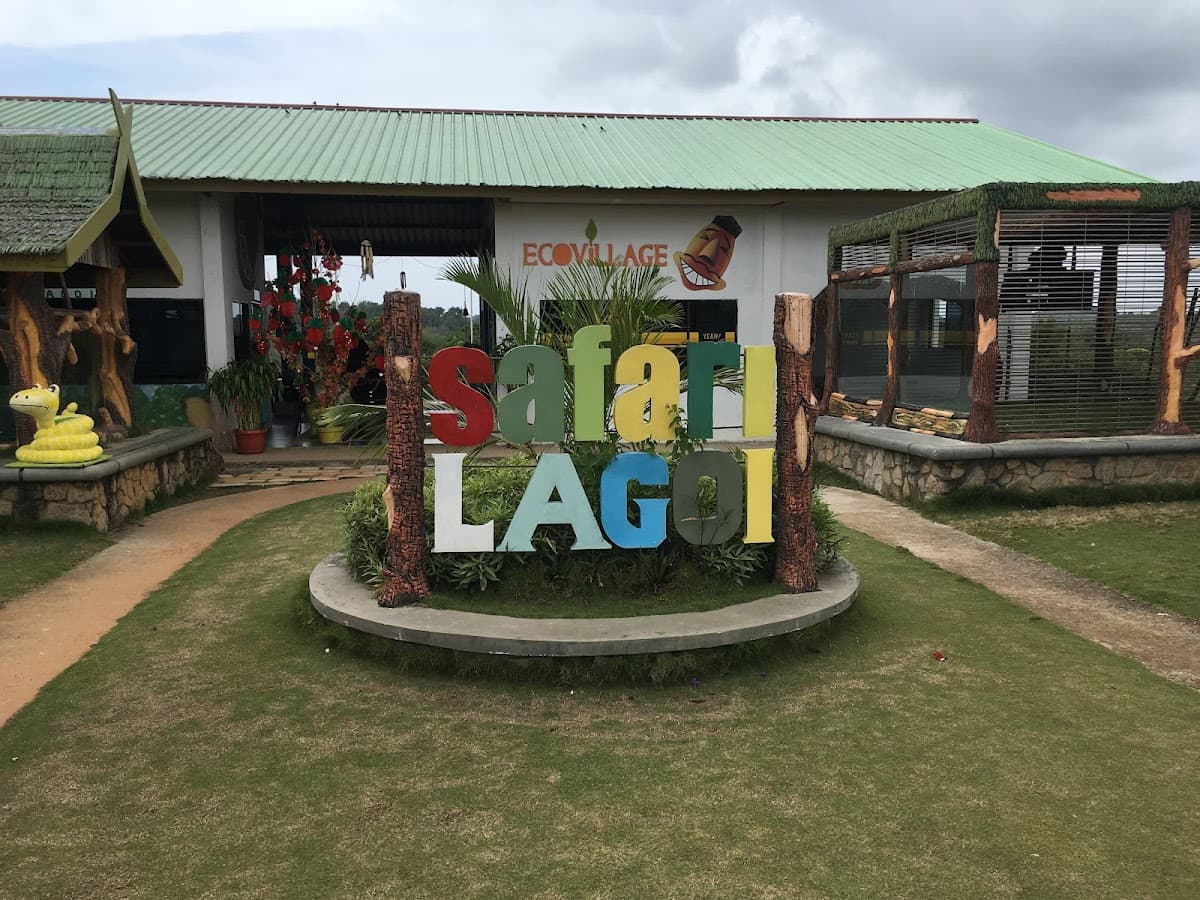
Bintan is large, roughly the size of Singapore but with a fraction of the infrastructure, so getting around requires a bit of planning. Within the Lagoi resort area in the north, most resorts are close enough to each other that shuttle services and bicycles are sufficient for day-to-day movement.
For exploring beyond the resort zone, renting a car with a driver is the most practical option. Bintan Car Rent offers reliable car rental with professional drivers who know the island well, which makes a significant difference when navigating roads that aren't always well-signposted. Ojeks (motorcycle taxis) are available in Tanjung Pinang for shorter trips and are cheap and easy to flag down.
Avoid assuming you can walk between attractions. Distances are deceptive and the heat makes long walks uncomfortable outside of the early morning.
Best Areas to Stay

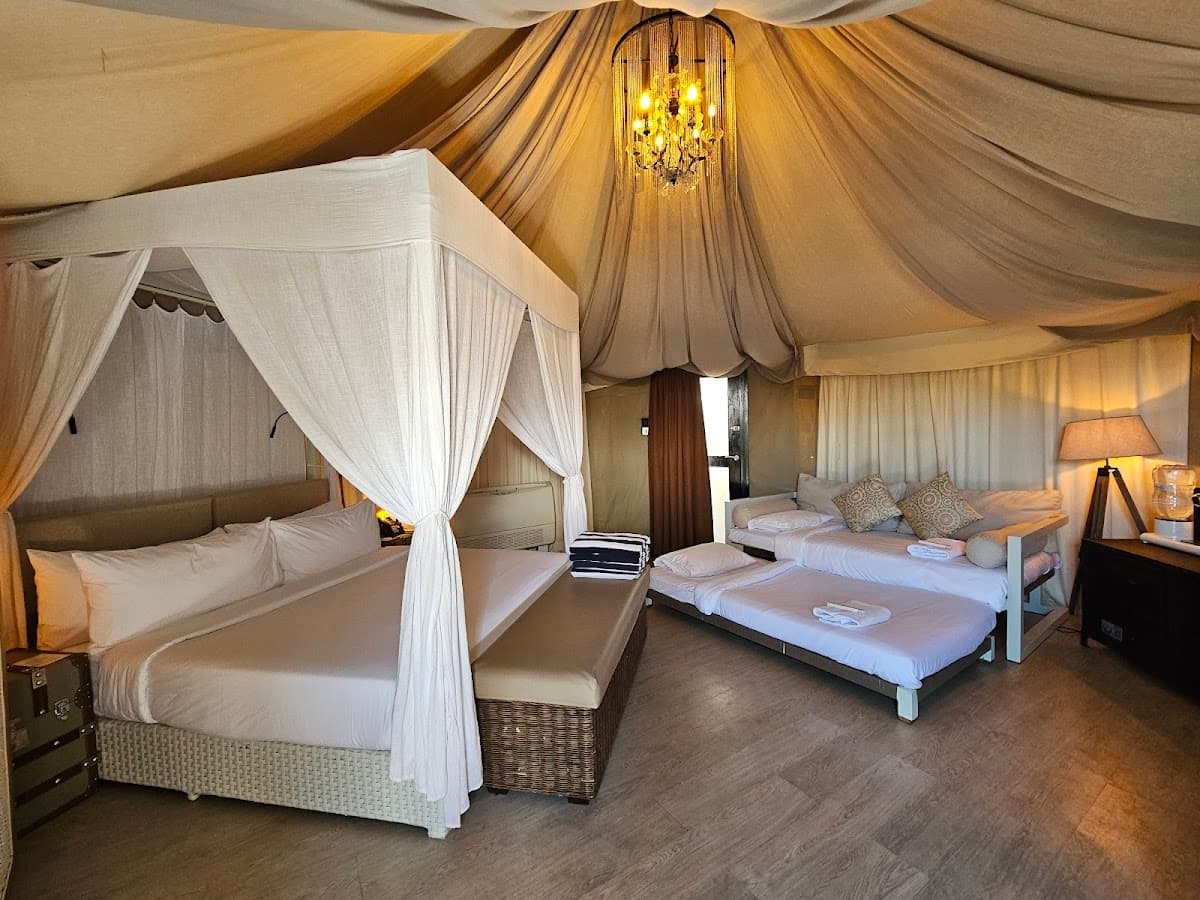
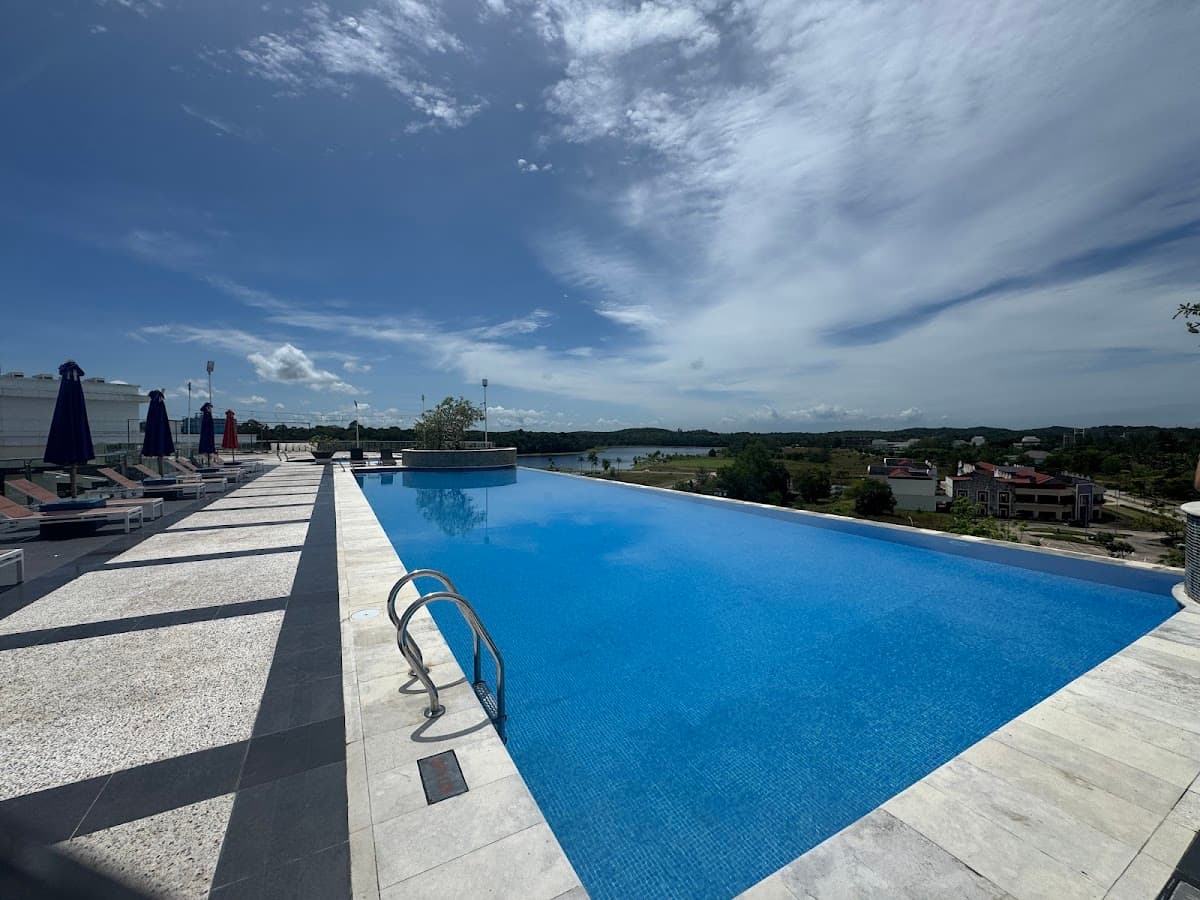
Lagoi Bay (North Bintan): This is where the majority of international resorts are concentrated. It's polished, well-maintained, and designed around leisure. If your goal is beach relaxation, spa time, and easy access to organised activities, this is where you want to be.
Tanjung Pinang: The island's capital and largest city offers a completely different experience. It's a working Indonesian town with local markets, seafood restaurants, and a Peranakan Chinese heritage that's genuinely interesting to explore. Accommodation here is significantly cheaper, and it's a good base if you want to experience everyday island life.
Trikora Beach (East Coast): A quieter stretch of coastline popular with locals and budget travellers. The beaches here are more rustic than the resort areas, and the water is excellent for snorkelling.
When to Visit
Bintan has a tropical climate with two distinct seasons. The best time to visit is between March and September, when the weather is drier and the sea is calmer. May and June tend to be particularly good months, offering good conditions without the peak holiday crowds.
Avoid visiting between November and February if you can. The northeast monsoon brings heavy rain, strong winds, and rough seas that can make beach activities unpleasant and occasionally disrupt ferry services. If you do visit during this period, stick to indoor activities and be flexible with your plans.
Singapore's school holidays in June, November, and December bring a noticeable spike in visitor numbers and prices. Book well ahead if you're travelling during these windows.
What to See and Do

Bintan rewards those who go beyond the resort pool. Here's a selection of experiences worth building your itinerary around.
Treasure Bay Bintan is home to Southeast Asia's first man-made seawater lagoon and is genuinely impressive in scale. It's a solid choice for families or anyone who wants water-based fun in a well-organised setting.
For those who prefer the natural ocean, the Bintan Snorkeling Tour at Trikora Beach is one of the best ways to see the island's underwater life. The reef here is accessible and the visibility is generally good during the dry season.
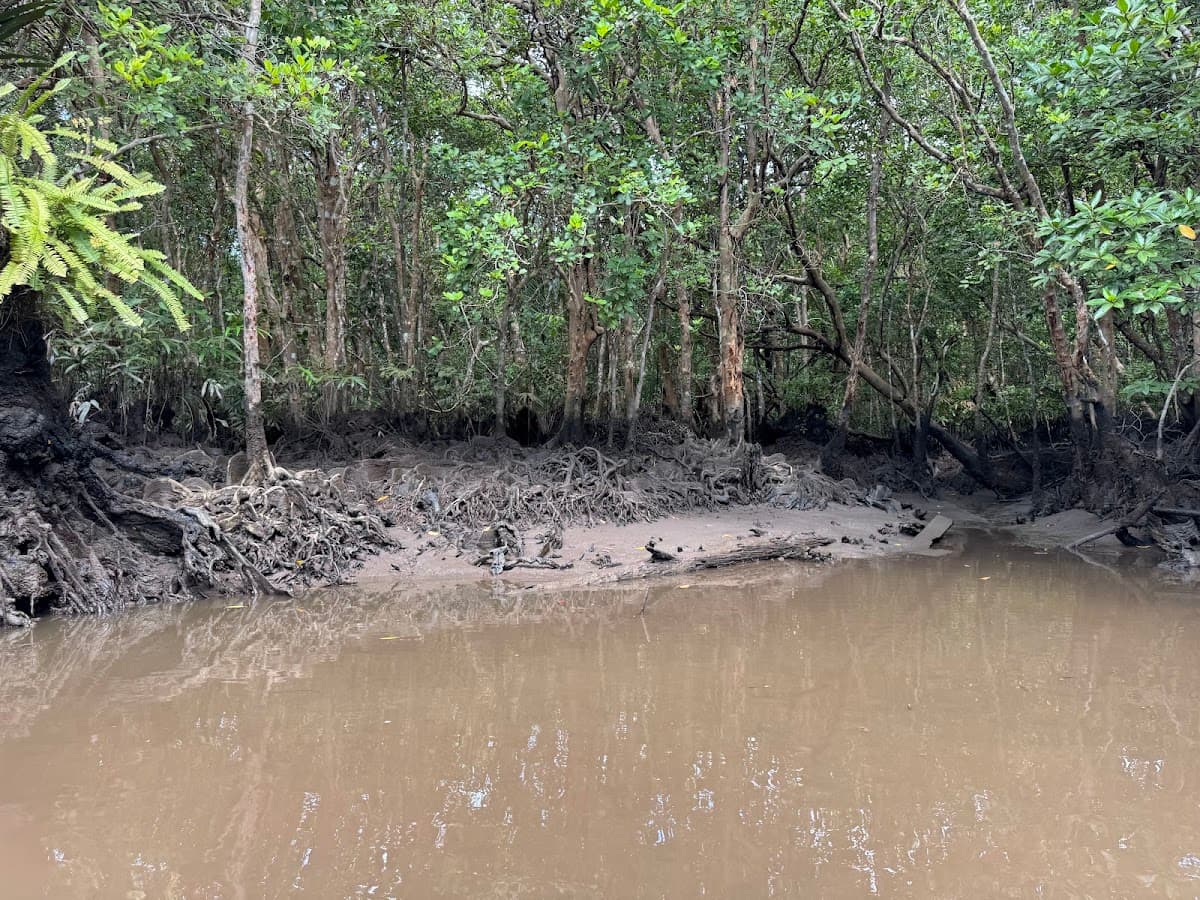
After dark, the Mangrove or Fireflies Tour in Bintan is one of those experiences that genuinely surprises people. Gliding through mangrove channels as thousands of fireflies light up the trees is the kind of thing that stays with you.
If you're short on time but want to cover the island's highlights, the Halfday Tour Bintan Island is a well-structured option that gives you a proper introduction without requiring a full day.
For wellness, the island has developed a strong reputation. Spa Packages across the resort zone range from traditional Indonesian treatments to full luxury experiences, and they're significantly more affordable here than in Singapore.
Where to Eat

Within the Lagoi resort area, dining options are plentiful but lean toward international menus at resort prices. For better value and more authentic food, make the effort to eat outside the resort zone.
Tanjung Pinang has excellent seafood restaurants along the waterfront where you can eat well for very little. Look for places serving ikan bakar (grilled fish), chilli crab, and nasi padang. The Peranakan Chinese influence also means you'll find dishes you won't easily find elsewhere.
Local warungs (small family-run eateries) scattered across the island serve simple Indonesian staples like mie goreng, nasi goreng, and soto at prices that make eating out multiple times a day very easy on the budget.
Budget Expectations
Bintan sits in an interesting middle ground. The resort zone is priced for the Singapore market and can be expensive, with nightly rates at established resorts running from SGD 200 upwards. However, once you move beyond the resort corridor, the island is extremely affordable by regional standards.
A realistic daily budget for a mid-range trip staying in the resort area, including meals both inside and outside the resort and a couple of activities, is around SGD 150 to 250 per person. Budget travellers staying in Tanjung Pinang and eating local can get by on SGD 50 to 80 per day without much sacrifice.
Activities are generally well-priced, and booking through a platform like TixLayer ensures you're getting fair rates without the uncertainty of negotiating on the spot.
Insider Tips
Catch the morning light at Trikora Beach before anyone else arrives. Most resort guests don't venture to the east coast early, which means you can have long stretches of beach almost entirely to yourself before 9am. The light is also far better for photography at this time.
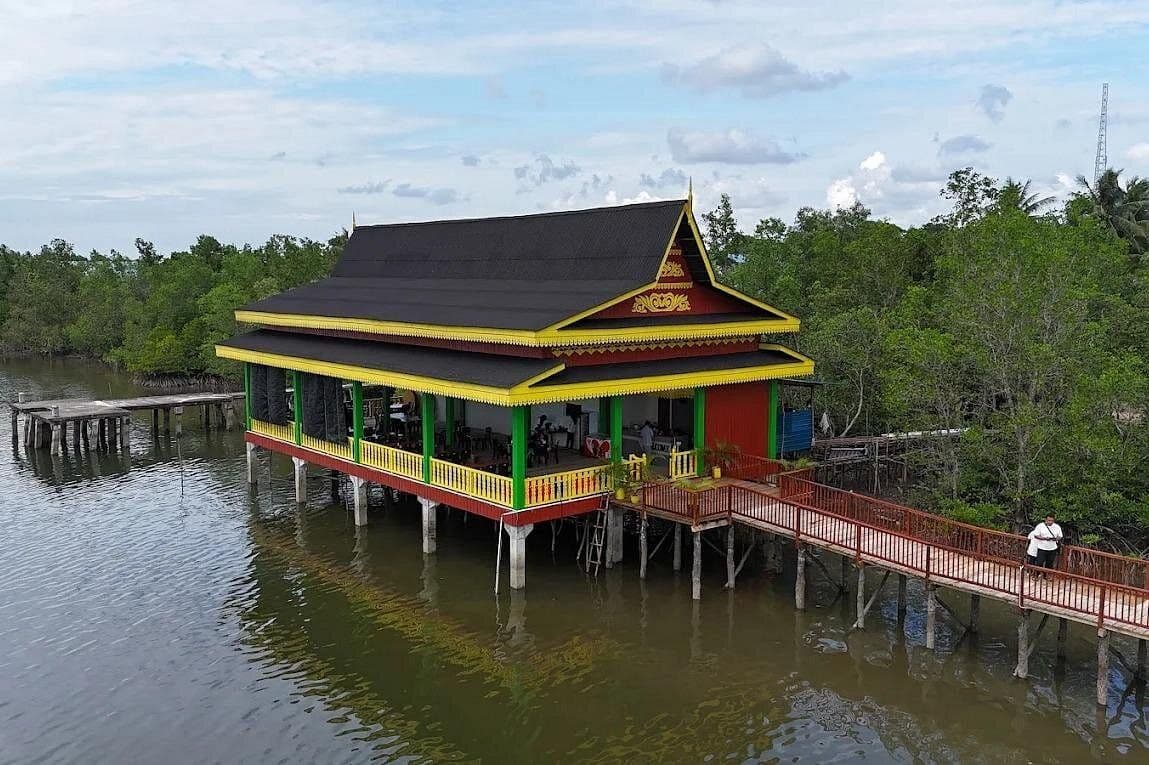
The Chinese temple at Tanjung Pinang's old town is worth more than a passing glance. Pura Sendi Temple sits on stilts over the water and the surrounding neighbourhood, Pulau Penyengat, is accessible by a short boat ride and has genuine historical significance as a former Riau Sultanate capital. Almost no resort guests make this trip.
Negotiate transport in Tanjung Pinang before you get in. Unlike the resort area where prices are fixed, ojek and taxi drivers in the city work on negotiation. Agree on a price before departing to avoid misunderstandings at the end of the journey.
Practical Tips

- Bring Indonesian Rupiah. While some resort facilities accept Singapore dollars, local businesses and markets do not. Exchange money before you leave Singapore or at the ferry terminal.
- Your Singapore mobile plan may not cover Indonesia. Consider picking up a local SIM at the ferry terminal on arrival.
- Dress modestly when visiting local towns and religious sites. The resort area is relaxed, but Tanjung Pinang is a working Muslim-majority community.
- Sunscreen is essential and expensive on the island. Bring more than you think you need.
- Ferry tickets sell out. Book both legs of your journey before you travel.
Bintan is one of the most accessible island escapes in Southeast Asia, and it consistently delivers more than first-time visitors expect. The key is knowing where to look beyond the resort brochure.