Coisas para fazer em Chiang Mai
32 experiências em Chiang Mai
Receba avisos sobre novas experiências em Chiang Mai
Seja o primeiro a saber quando adicionarmos passeios e ingressos em Chiang Mai.
About Chiang Mai
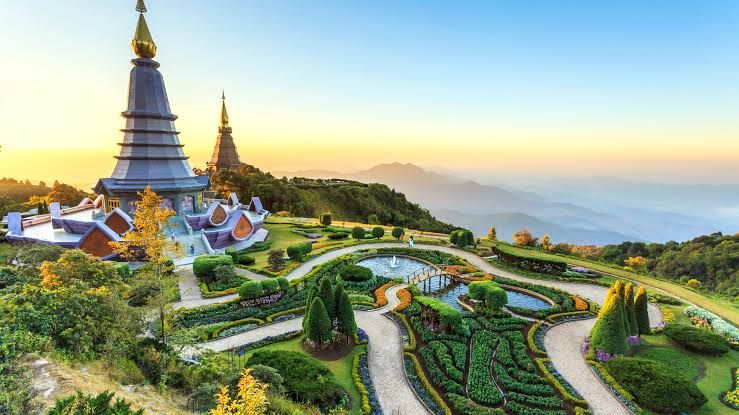
Chiang Mai moves at a different speed than Bangkok, and that's precisely the point. Ringed by mountains and threaded with a moat that dates back to the Lanna Kingdom in the 13th century, this northern city trades neon chaos for temple bells and morning mist. Within the Old City's square walls, over 30 temples sit shoulder to shoulder with guesthouses and coffee shops, while just outside, Nimman has become a genuine creative hub of design studios, third-wave cafes, and co-working spaces filled with digital nomads who came for a week and stayed for a year.
What sets Chiang Mai apart is how easily it balances contradictions. You can spend a morning learning to cook khao soi from a grandmother in her home kitchen, an afternoon getting a two-hour Thai massage for the price of a movie ticket, and an evening bargaining over handwoven textiles at a night market that's been running in some form for decades. The surrounding countryside adds another dimension entirely — Doi Suthep mountain looms over the city with its golden temple, while day trips reach hill tribe villages, waterfalls, and ethical elephant sanctuaries that don't involve riding.
This is a city for people who want to slow down: long-term travelers doing visa runs and yoga retreats, retirees stretching a pension further than it would go at home, foodies chasing regional Thai cuisine that's distinct from the coconut-milk-heavy south, and families who'll appreciate that almost everything here is cheap, walkable, and unhurried. It's less suited to travelers wanting beach clubs or big nightlife — for that, this isn't the destination. But for genuine cultural immersion at a manageable scale, few Southeast Asian cities do it better.
Good to Know
SIM cards: AIS and TrueMove H both sell tourist SIMs at the airport for around 300-500 baht with generous data — cheaper than international roaming and takes five minutes to set up.
Dress code for temples: shoulders and knees covered at all sites, including Doi Suthep — carry a light scarf or sarong even on hot days since some temples enforce this strictly at the entrance.
Bargaining: expected at night markets and with tuk-tuk/songthaew drivers, but not at restaurants, malls, or fixed-price shops — a friendly, low-pressure haggle usually gets 10-20% off the initial price.
Elephant tourism: research any sanctuary before booking — look for places that explicitly don't offer riding and focus on observation, feeding, and bathing rather than performances.
Cash still matters: many local restaurants, songthaews, and markets are cash-only — keep small notes handy, as vendors often can't break 1,000 baht bills.
Air quality: check AQI during March-April if you have asthma or allergies, as burning season smoke can get thick enough to obscure mountain views.
Scooter safety: wear a helmet even if locals don't seem to — police checkpoints do fine riders without one, and hospital visits for road accidents are a common tourist mishap here.
ATM fees: Thai banks charge a flat foreign transaction fee (around 220 baht per withdrawal) regardless of amount, so withdraw larger sums less frequently to minimize the hit.