Singapore Travel Guide: Plan Your Perfect Trip
By Matt Cuckston, Founder & Travel Technology Expert at TixLayer
Few cities in the world pack as much into a small footprint as Singapore does. Whether you are visiting for a long weekend or using it as a base for a longer Southeast Asia trip, the sheer range of things to do in Singapore can feel overwhelming at first. This guide cuts through the noise and gives you a clear, practical plan for making the most of your time here.
---
Getting There
Changi Airport is consistently ranked among the best airports in the world, and for good reason. It is efficient, well-connected, and even worth a few hours of your time thanks to its indoor waterfall, rooftop pool, and extensive dining options. Direct flights connect Singapore to most major cities across Europe, Asia, Australia, and the Middle East. Budget carriers including Scoot, AirAsia, and Jetstar offer affordable connections from nearby countries, making it easy to combine Singapore with a trip to Thailand, Bali, or Vietnam.
From Changi, the MRT (Mass Rapid Transit) train takes you to the city centre in around 30 minutes for just a few Singapore dollars. Taxis and ride-hailing apps like Grab are also widely available, though expect to pay SGD 20 to 40 depending on your destination and the time of day.
---
Getting Around
The MRT is your best friend in Singapore. It is clean, air-conditioned, punctual, and covers most major attractions. A stored-value EZ-Link card or a Singapore Tourist Pass (available at airport and city MRT stations) gives you unlimited rides for a flat daily fee, which is worth it if you plan to move around a lot.
Buses fill the gaps where the MRT does not reach. The same EZ-Link card works on both. Grab is inexpensive by Western standards and useful for late nights or areas with limited public transport. Cycling is an option in some parks and along the waterfront, but the heat and humidity make it a leisure activity rather than a practical commuting choice.
---
When to Visit
Singapore sits just north of the equator, which means it is warm and humid year-round, with temperatures hovering between 25°C and 33°C. There is no traditional dry season, but some months are more manageable than others.
Best months: February to April tend to see less rainfall and slightly lower humidity. This is also when Chinese New Year celebrations bring the city to life, particularly in Chinatown. November through January is another popular window, coinciding with the year-end festive season and the Formula 1 night race in September.
What to avoid: November and December bring the northeast monsoon season, with heavier afternoon downpours. The rain rarely lasts long, but it is worth carrying a compact umbrella regardless of when you visit. Avoid travelling during Chinese New Year if you dislike crowds, as accommodation prices spike and many smaller restaurants and shops close for several days.
---
Best Neighbourhoods to Explore
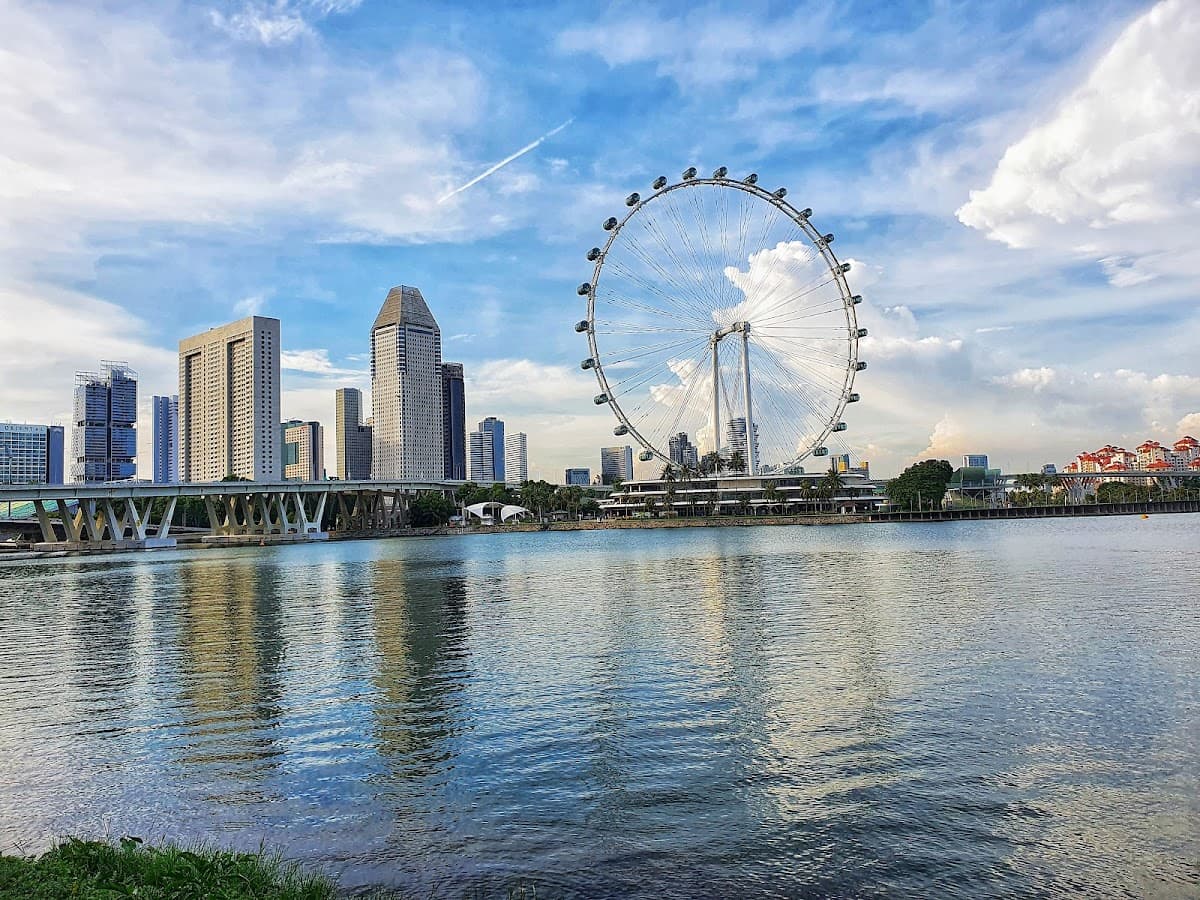
Marina Bay is the postcard version of Singapore, home to the iconic skyline, the Merlion, and the Marina Bay Sands hotel. It is polished and photogenic, but also commercial. Good for a first evening walk and orientation.
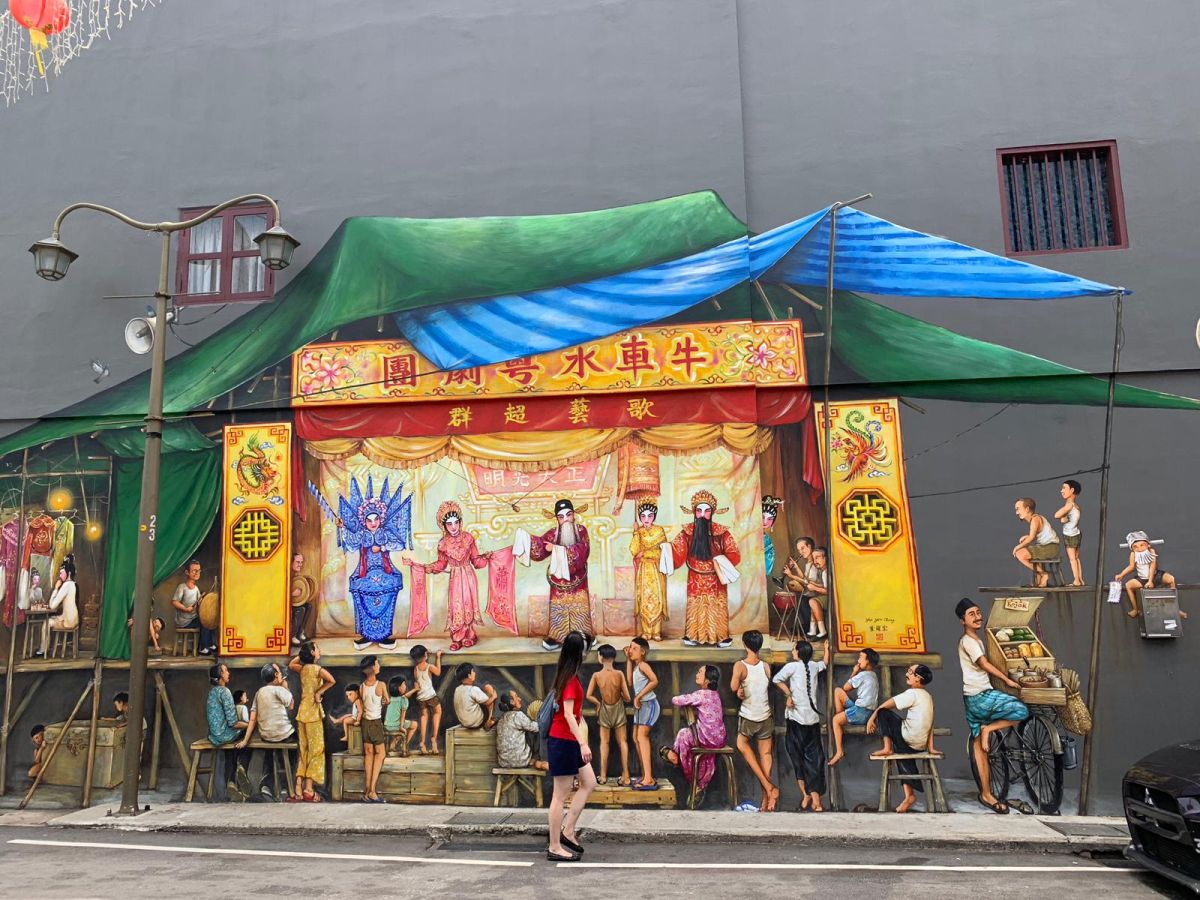
Chinatown is dense with temples, traditional shophouses, hawker centres, and a lively street market. It has become more touristy over the years but still rewards those who explore the quieter back streets. The Singapore Signature Guided Tour through Chinatown and the Botanic Garden is an excellent way to understand the history behind what you are seeing.
Little India around Serangoon Road is one of the most sensory-rich parts of the city. The colours, spice shops, flower garlands, and temples make it feel genuinely distinct from the rest of Singapore. Visit on a weekday morning for a quieter experience.
Tiong Bahru is a residential neighbourhood with 1930s art deco housing blocks, independent bookshops, specialty coffee, and some of the city's best bakeries. It is the kind of place locals actually live, and it shows.
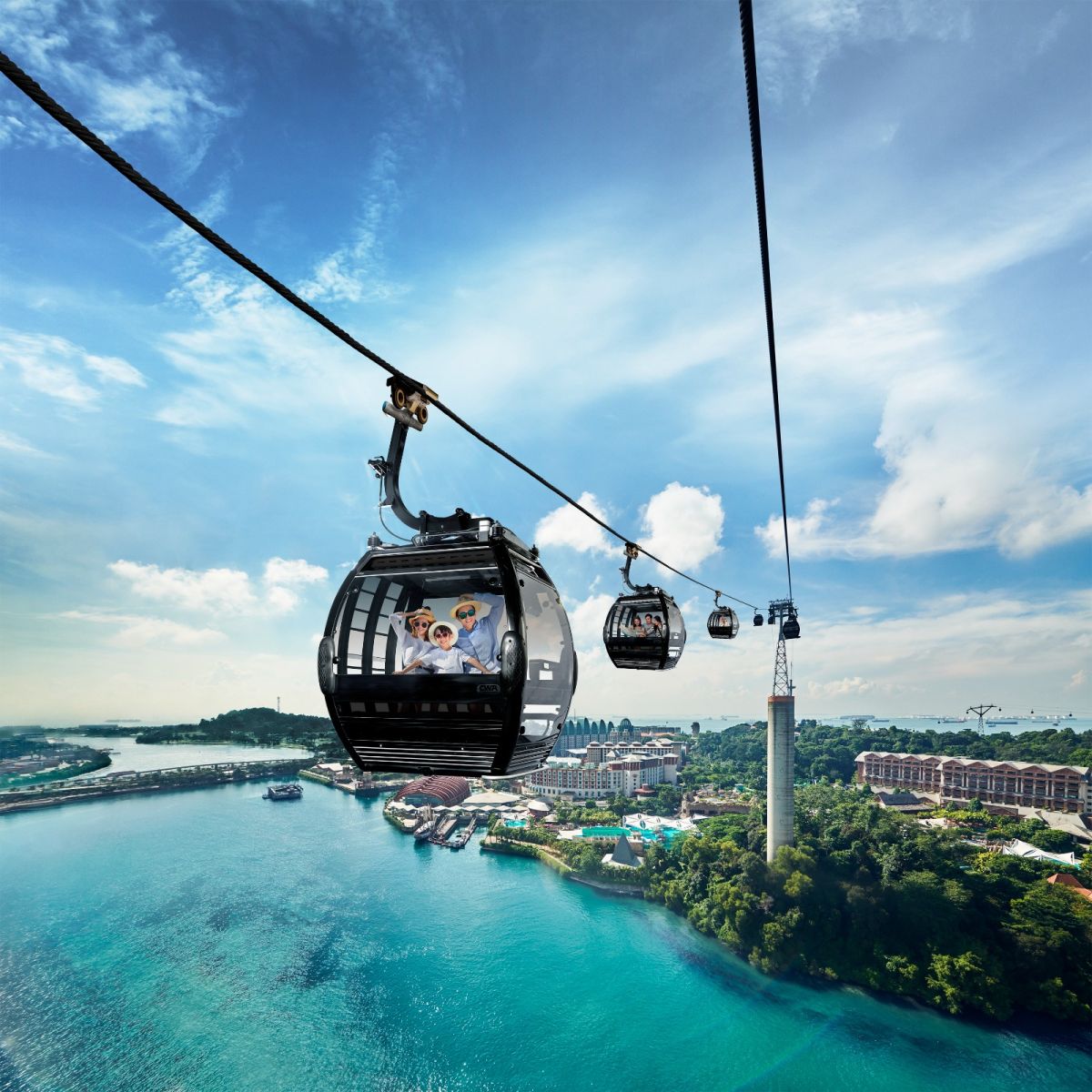
Sentosa Island is purpose-built for entertainment and best treated as a separate day trip. It is home to beaches, resorts, theme parks, and the Singapore Cable Car, which offers sweeping views of the southern coast as you glide between Mount Faber and the island.
---
What to See and Do
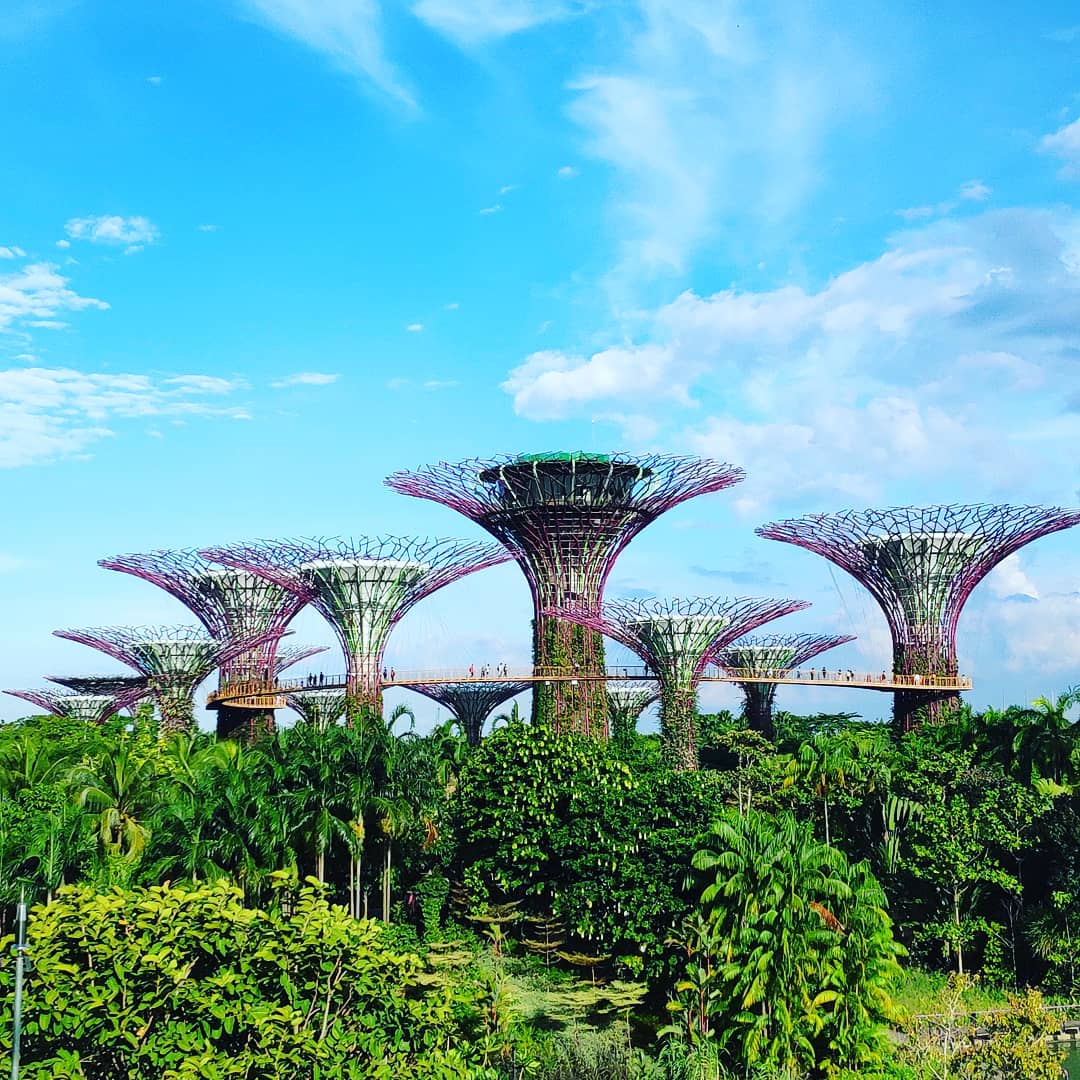
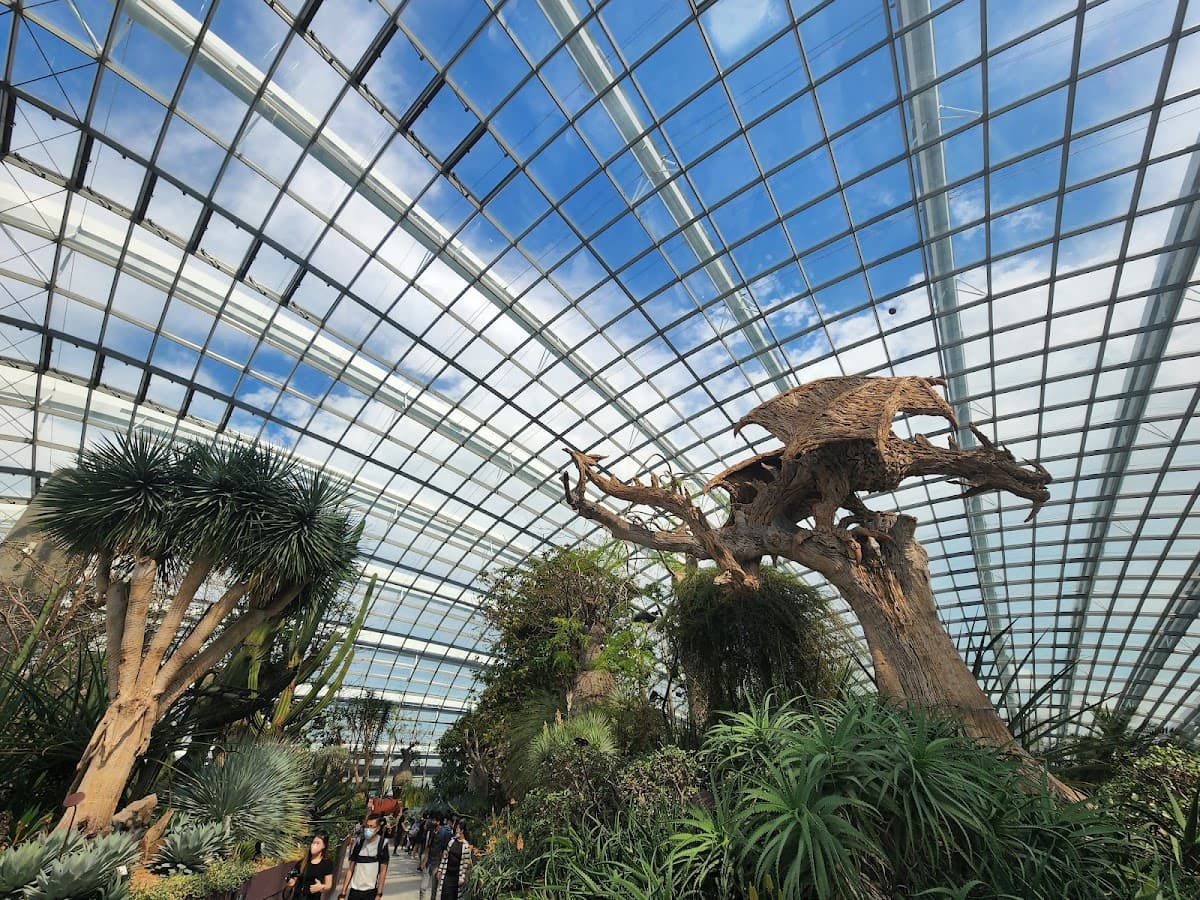
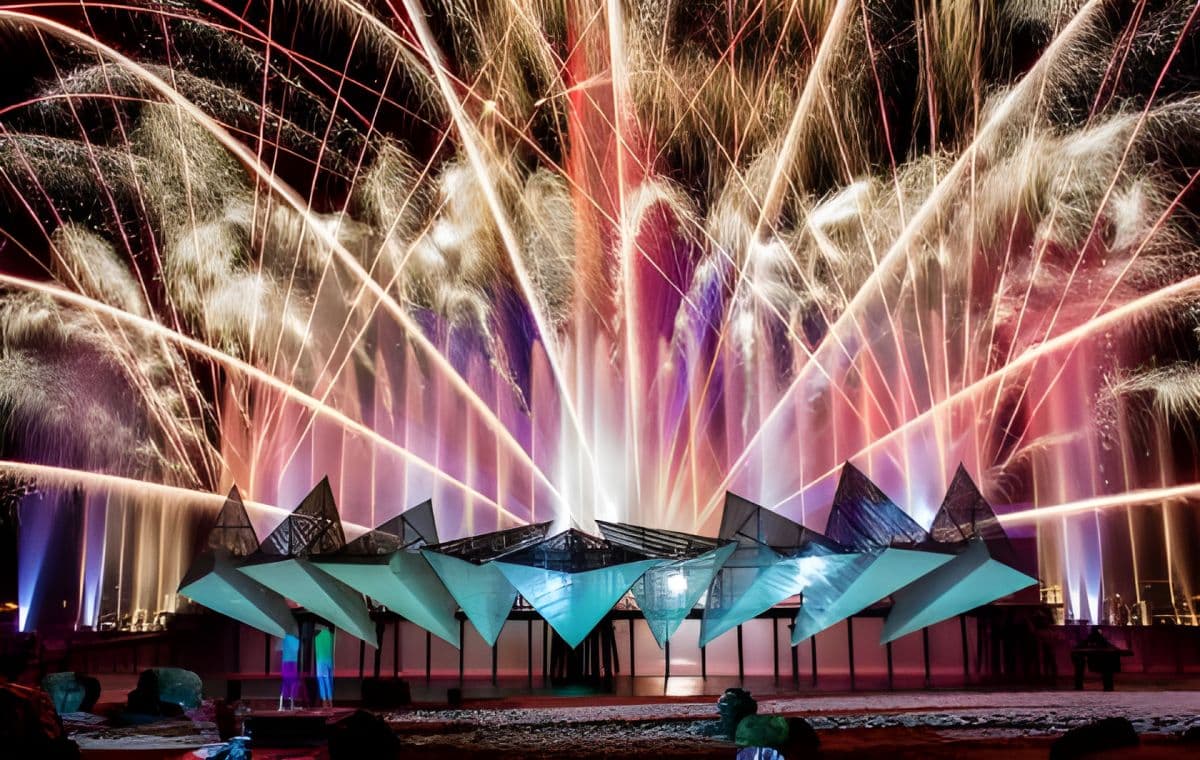
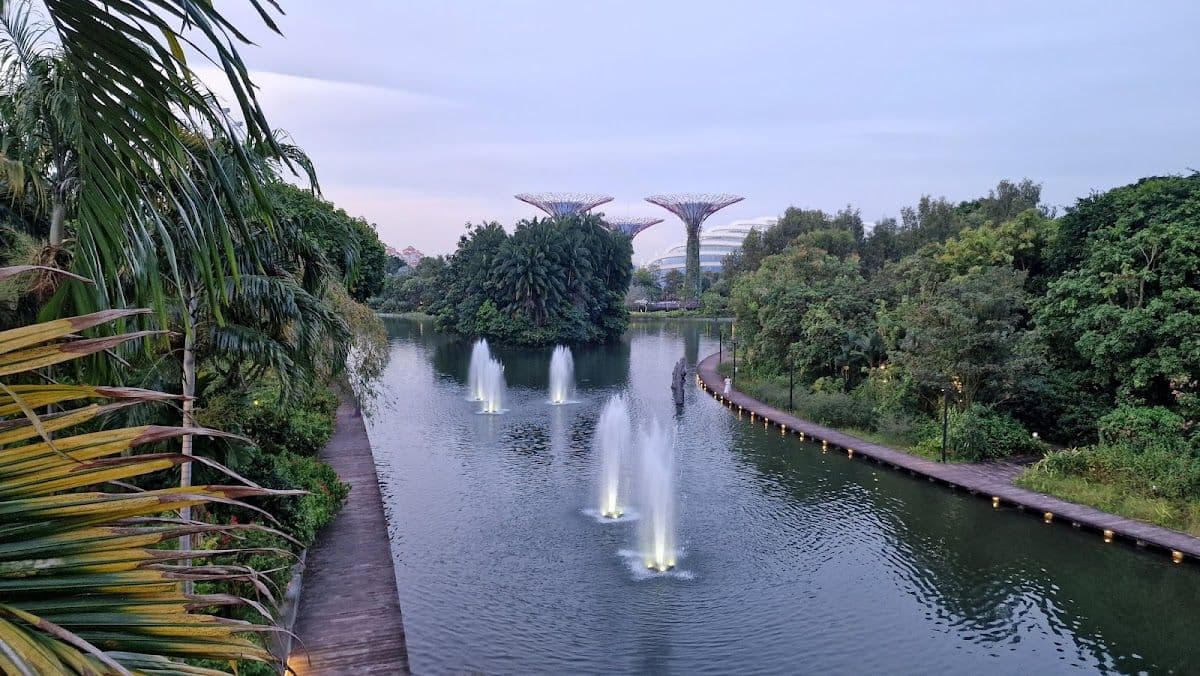
No visit is complete without spending time at Gardens by the Bay, the landmark nature park that has become synonymous with modern Singapore. The Supertree Grove is impressive at any time of day, but the light and sound show after dark is genuinely spectacular. For the full experience, the Gardens by the Bay bundled ticket gives you access to both the Flower Dome and Cloud Forest conservatories, saving you money compared to buying each separately.
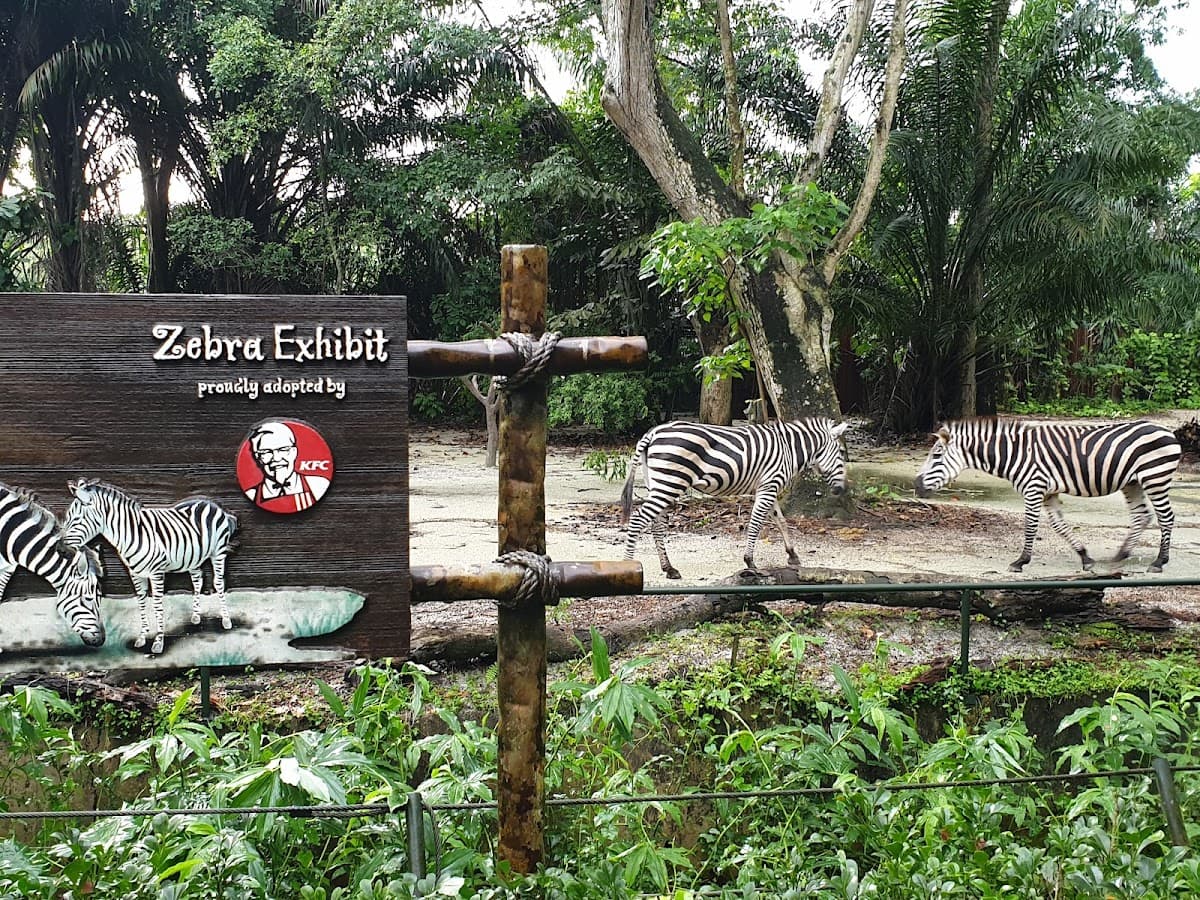
If you are travelling with children or simply enjoy wildlife, the Singapore Zoo is one of the best in the world. Its open enclosure concept means you are often far closer to animals than you would expect, and the morning feeding sessions are worth timing your visit around.
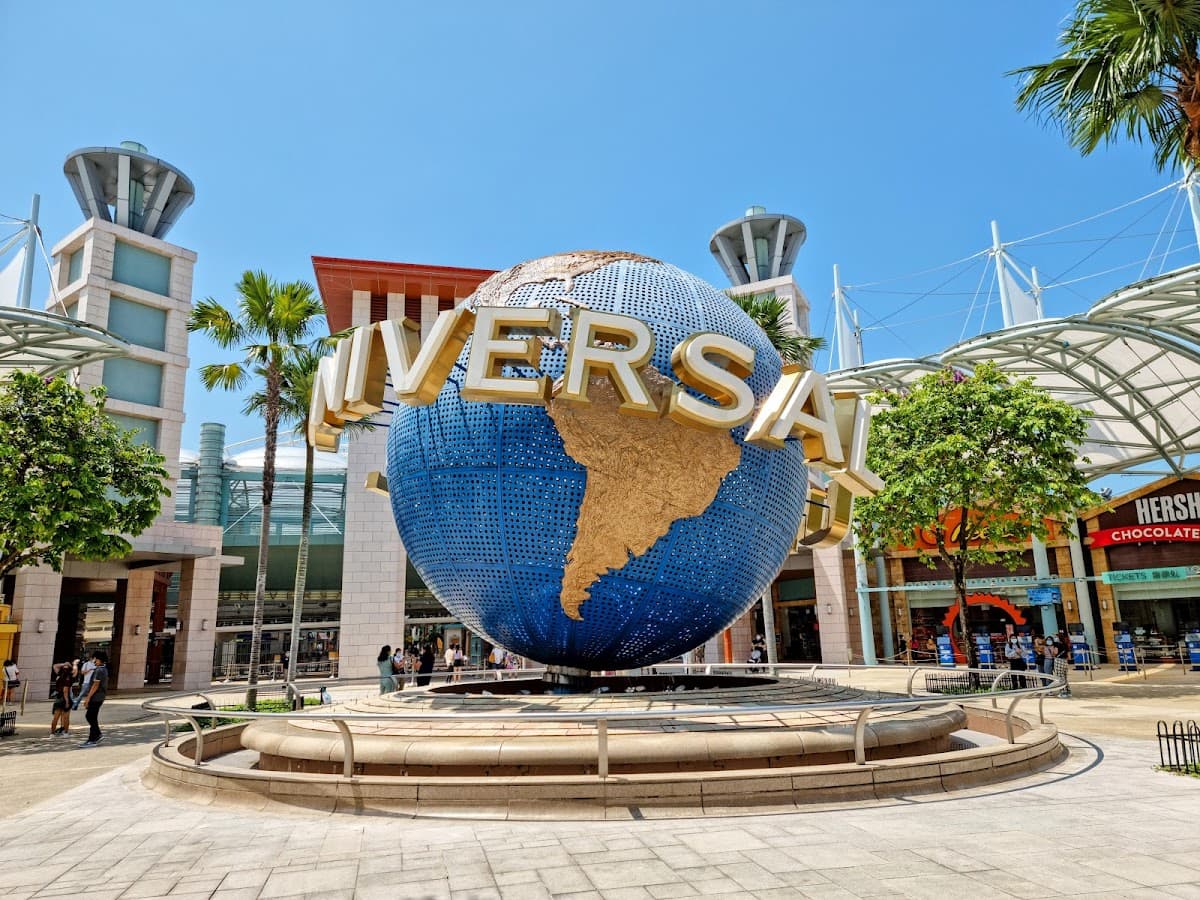
For theme park fans, Universal Studios Singapore on Sentosa is a full day out. Queues can be long on weekends and school holidays, so booking the Universal Express pass in advance is a smart move that buys you significantly more ride time.
For an elevated evening experience, the Royal Albatross offers a sunset or dinner sailing aboard a luxury tall ship, with views of the city skyline from the water. It is the kind of experience that does not feature in most itineraries but consistently stands out as a highlight for those who book it.
---
Where to Eat

Singapore is a food city above all else, and the hawker centre is its greatest institution. Maxwell Food Centre in Chinatown, Lau Pa Sat in the CBD, and Old Airport Road Food Centre are all worth visiting. Expect to spend SGD 4 to 8 for a full meal at a hawker stall.
For something more structured, the city has no shortage of excellent restaurants across every price point. Chinatown and Telok Ayer Street are particularly good for Chinese and Peranakan cuisine. Dempsey Hill offers a more relaxed, garden-adjacent dining experience that is popular with expats and visitors who want to escape the city centre.
---
Budget Expectations

Singapore has a reputation as an expensive city, and for accommodation and alcohol, that reputation is deserved. A mid-range hotel in a central location will cost SGD 150 to 300 per night. Cocktails at a rooftop bar can run SGD 22 to 30 each.
However, food and transport are genuinely affordable. Hawker meals, MRT fares, and many of the city's parks and public spaces cost very little. A well-planned trip can balance the higher costs of accommodation with daily spending that is reasonable by any international standard. Budget travellers staying in hostels and eating at hawker centres can manage on SGD 80 to 100 per day. Mid-range travellers should plan for SGD 200 to 350 per day including accommodation.
---
Insider Tips
Book Gardens by the Bay on a weekday morning. The conservatories open at 9am and are significantly quieter in the first two hours. By midday, tour groups arrive in numbers and the experience changes considerably.
The MRT free travel window is real and useful. Commuters who tap out at selected MRT stations before 7:45am travel for free. If your hotel is near one of these stations and you are an early riser, you can save on fares across a multi-day trip.
Hawker centres have a reservation system that confuses most first-time visitors. Locals place a packet of tissues or an umbrella on a seat to reserve it before queuing. This is widely accepted practice. Do the same and you will save yourself the awkward experience of carrying a tray of food with nowhere to sit.
---
Final Thoughts
Singapore rewards travellers who plan ahead but also those who leave room to wander. The infrastructure makes it one of the easiest cities in Asia to navigate, and the concentration of quality experiences in a compact area means you rarely lose time to logistics. Whether you are here for three days or two weeks, the city consistently delivers more than people expect.
Book your Singapore experiences through TixLayer to compare options, skip queues where available, and manage everything in one place before you travel.