
Milan has a reputation for luxury, designer labels, and Michelin-starred restaurants. But if you treat this as the whole picture, you are missing out. As a Milan travel guide for budget-conscious travelers, this article breaks down exactly how to enjoy one of Italy's most iconic cities without watching your wallet drain by day two.
Free and Low-Cost Attractions Worth Your Time
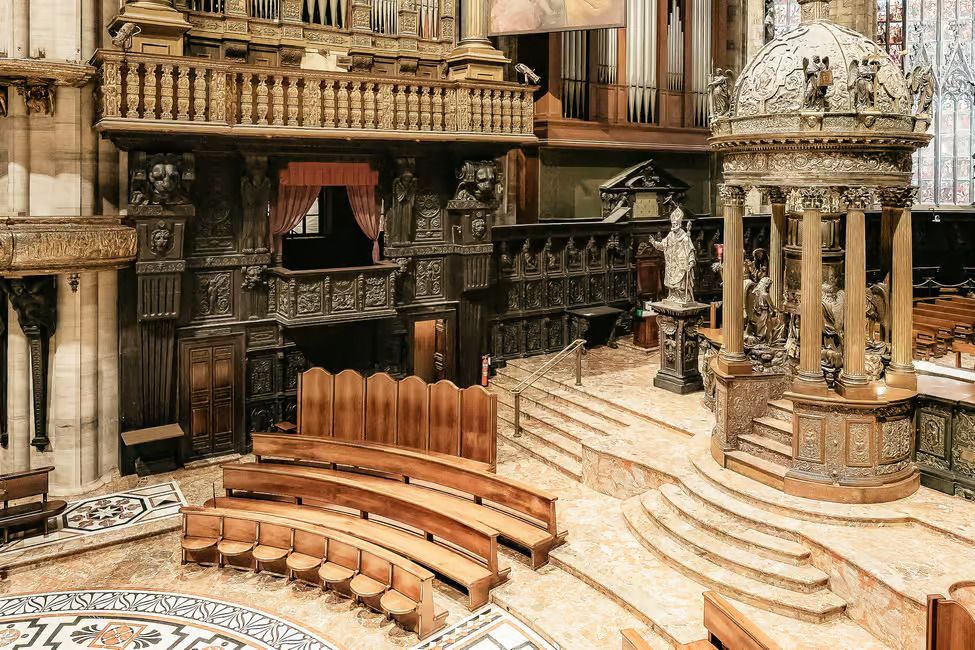
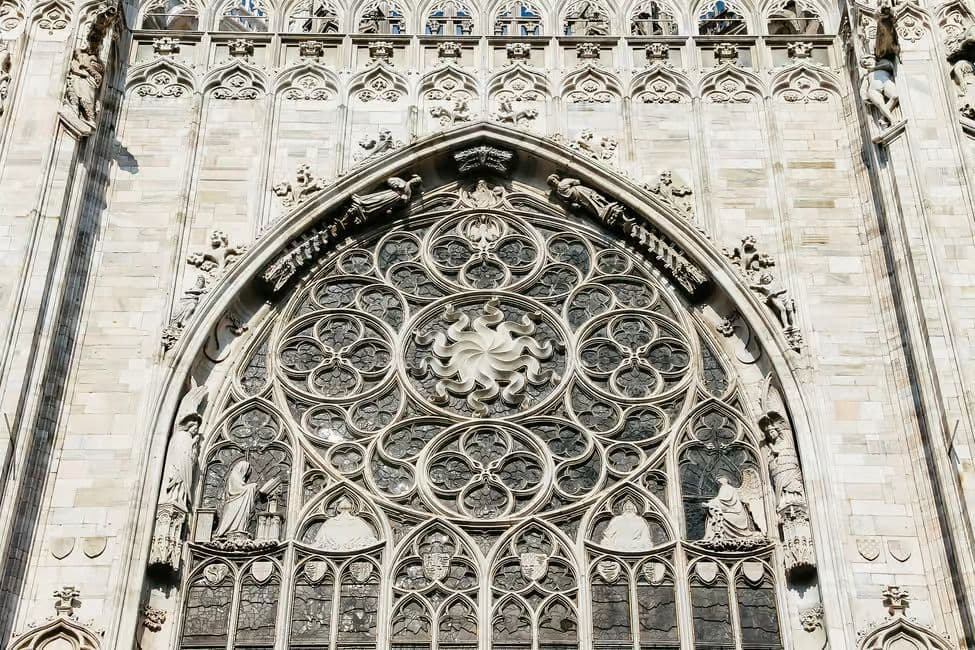
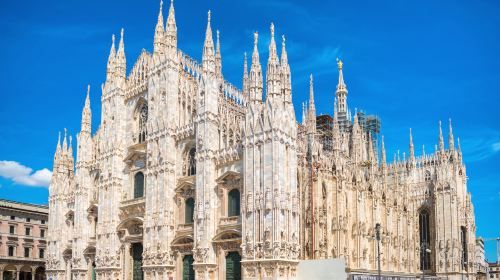
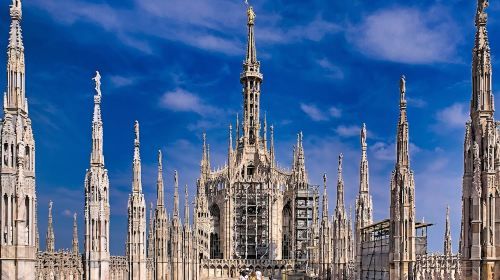
Some of the best things to do in Milan cost absolutely nothing. The Duomo di Milano is the obvious starting point. Walking around the exterior and exploring the surrounding Piazza del Duomo is free, and you can easily spend an hour here without paying a cent. If you want to go inside the cathedral or access the famous rooftop terraces, budget travelers should book in advance online to avoid paying inflated on-the-spot prices. The Cathedral and Duomo's Terraces experience, which includes an audio guide, is a worthwhile spend if you want proper context for what you are seeing.
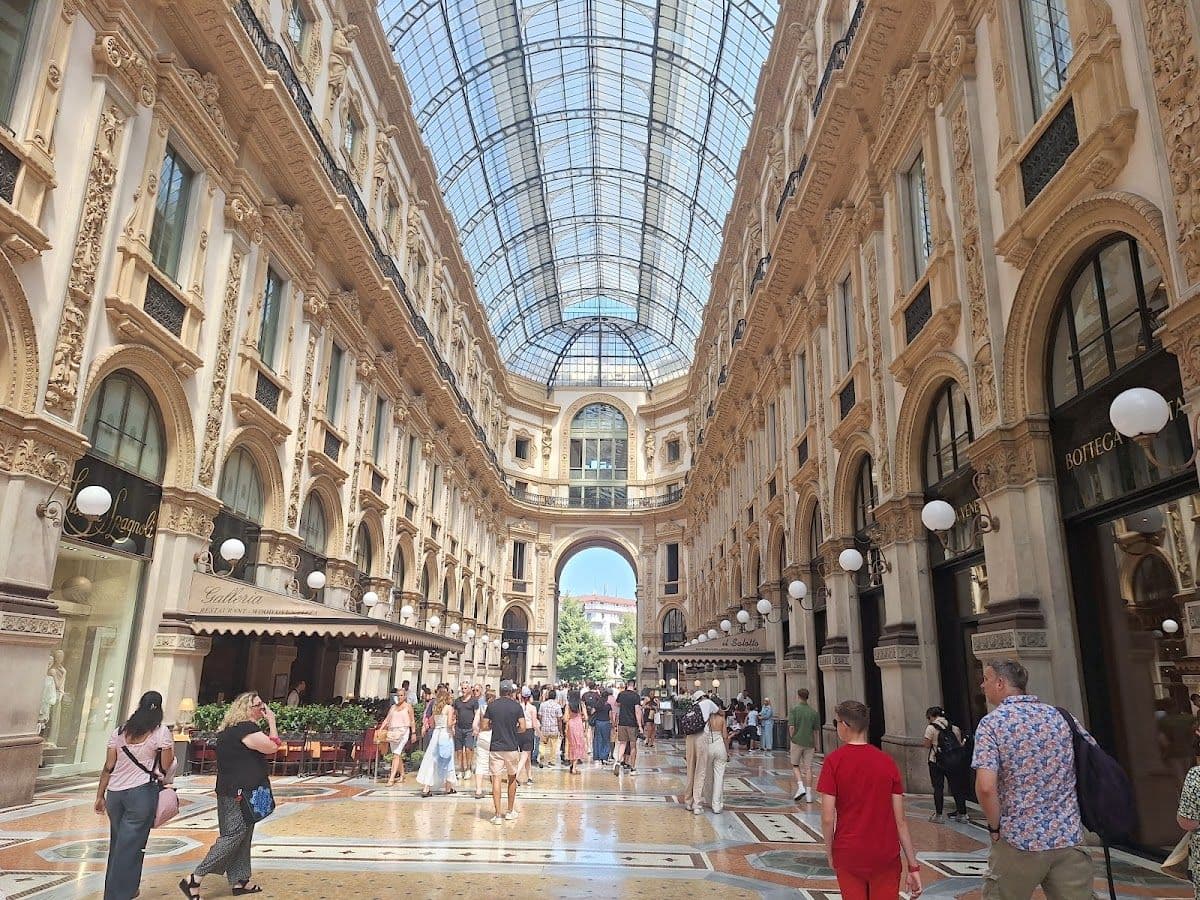
The Galleria Vittorio Emanuele II, right next to the Duomo, is a stunning 19th-century shopping arcade that is completely free to walk through. You do not need to buy anything. Just look up.
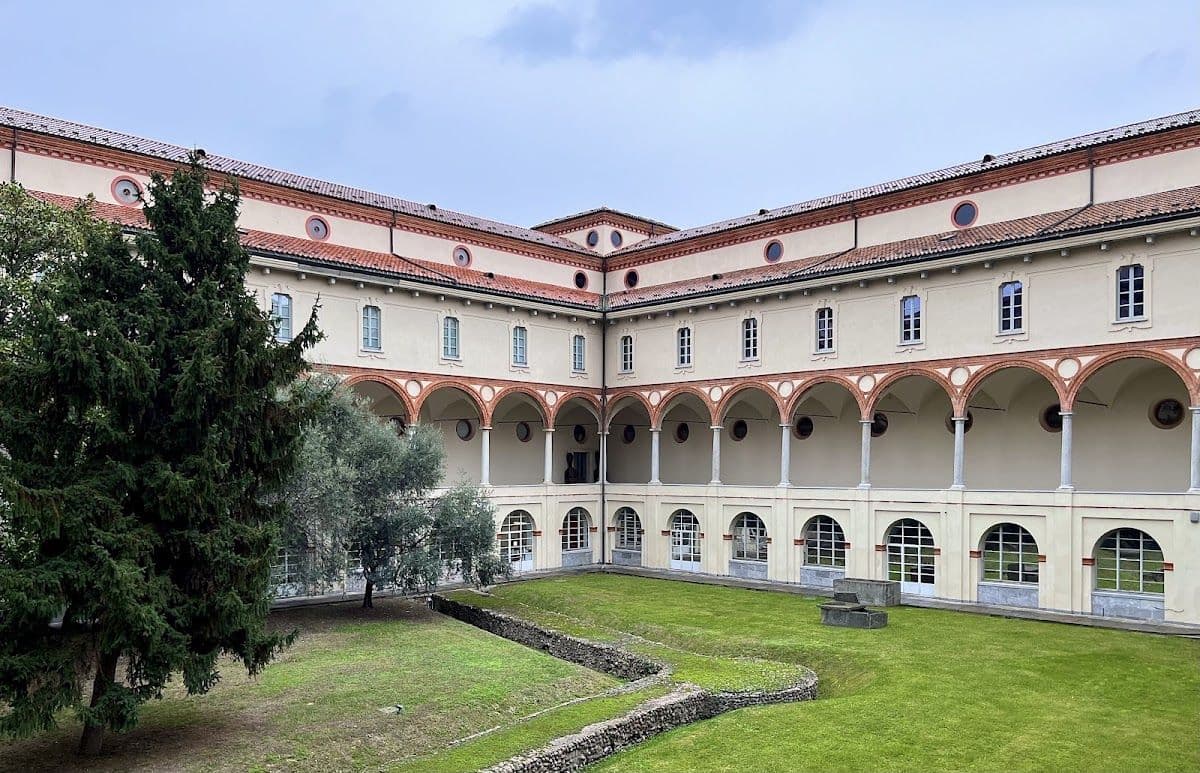
Sforza Castle (Castello Sforzesco) is another excellent free option. The castle grounds are open to the public at no charge, and the park behind it, Parco Sempione, is a great place to sit, read, or people-watch without spending a euro.
For art lovers, the Pinacoteca di Brera is one of Italy's finest art galleries. Entry is around 15 euros, which is reasonable for the quality of the collection inside. On the first Sunday of each month, many Italian state museums offer free admission, so plan around that if you can.
Smart Ways to Get Around
Milan's public transport system is efficient and affordable. A single metro or tram ticket costs around 2.20 euros, and a 24-hour pass is roughly 7 euros. For most short visits, buying individual tickets or a multi-day pass through the ATM Milano app is the most cost-effective approach.
If you prefer something more active, consider the Milan E-Bike Tour, which is a fun way to cover a lot of ground with a local guide while keeping things manageable. It is not the cheapest option, but for a half-day experience that doubles as transport and sightseeing, it offers solid value.
Avoid taxis where possible. They are metered but can add up quickly, especially from the airports. The Malpensa Express train from Malpensa Airport to the city center is a far cheaper and faster alternative to a taxi.
Where to Eat Without Overpaying
Food in Milan is where budget travelers can either do very well or get caught out. Avoid any restaurant within immediate sight of the Duomo. Prices jump significantly in tourist-heavy areas.
Instead, head to neighborhoods like Navigli, Isola, or Porta Romana for more honest pricing. A sit-down lunch at a local trattoria with a fixed-price menu (often called a menu del giorno) typically runs between 10 and 15 euros and usually includes a first course, second course, and sometimes a drink.
Aperitivo culture is one of the best budget travel advantages in Milan. From around 6pm onwards, many bars offer a free or heavily subsidized spread of food when you buy a drink. A Campari Spritz or Negroni for 8 to 10 euros often comes with access to a buffet of cured meats, pasta, bruschetta, and more. This can easily serve as dinner.
For quick and cheap eating during the day, look for bakeries selling focaccia, or a panino from a local deli. A satisfying lunch can cost as little as 4 to 6 euros this way.
Where to Splurge vs. Where to Save
Not every experience needs to be done on the cheap. Some things genuinely deserve the investment.
Splurge on: Leonardo da Vinci's Last Supper. Tickets sell out weeks in advance and require a timed entry slot. The Milan Walking Tour with Last Supper Entrance Tickets is a smart way to secure access while getting guided context that makes the experience far richer. This is not the place to cut corners.
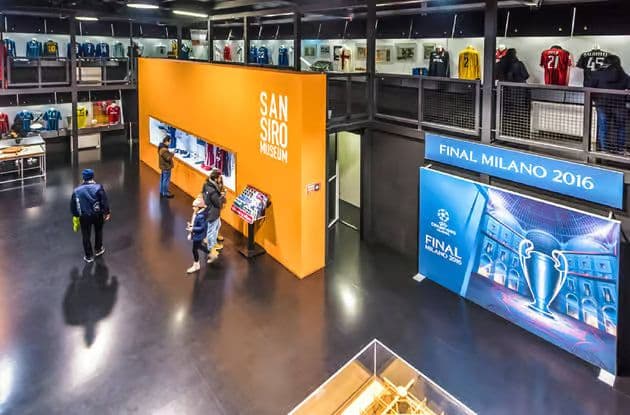
The Teatro alla Scala: Guided Tour + Museum is another worthy splurge. La Scala is one of the most famous opera houses in the world, and even if you are not booking a performance, the museum and guided tour offer remarkable access to its history and architecture at a fraction of the cost of an evening show.
Save on: Shopping. The fashion district around Via Montenapoleone is worth walking through, but unless you are genuinely in the market for luxury goods, window shopping is free and equally impressive. For actual purchases, the Navigli antique market (held on the last Sunday of each month) offers far better value.
Save on: Coffee. Standing at the bar to drink your espresso is the Italian way and costs significantly less than sitting at a table. A standing espresso is typically 1 to 1.50 euros.
Practical Money Tips
Use a no-fee travel card or credit card. Many banks charge foreign transaction fees that quietly eat into your budget. Cards like Revolut or Wise are popular among European travelers for this reason.
Book attractions in advance. Last-minute or on-the-door pricing is almost always higher, and for popular sites like the Last Supper or the Duomo terraces, you risk missing out entirely without a reservation.
If you plan to visit multiple paid attractions, the Milan City Pass Zani Viaggi bundles entry to over 10 attractions with unlimited public transport. Run the numbers against your planned itinerary before buying, but for visitors spending three or more days with a packed schedule, it often pays for itself.
Finally, carry a small amount of cash. While card payments are widely accepted, some smaller trattorias and market vendors still prefer cash, and having coins on hand for public restrooms saves minor but annoying inconveniences.
Milan rewards travelers who do a little preparation. The city's best experiences are not always the most expensive ones, and with the right approach, you can leave with great memories and a reasonable credit card statement.
Written by Matt Cuckston, Founder and Travel Technology Expert at TixLayer.