Jeju on a Budget: How to See the Best Without Overspending
By Matt Cuckston, Founder & Travel Technology Expert at TixLayer
Jeju has earned its place on countless travel bucket lists, and for good reason. Volcanic landscapes, coastal cliffs, lava tube caves, and a food culture rooted in the sea make it unlike anywhere else in South Korea. But if you've started researching things to do in Jeju, you may have noticed that costs can add up quickly, especially with so many paid attractions competing for your attention. The good news is that with a bit of planning, you can have a genuinely memorable trip while keeping your spending well under control.
Start With What's Free
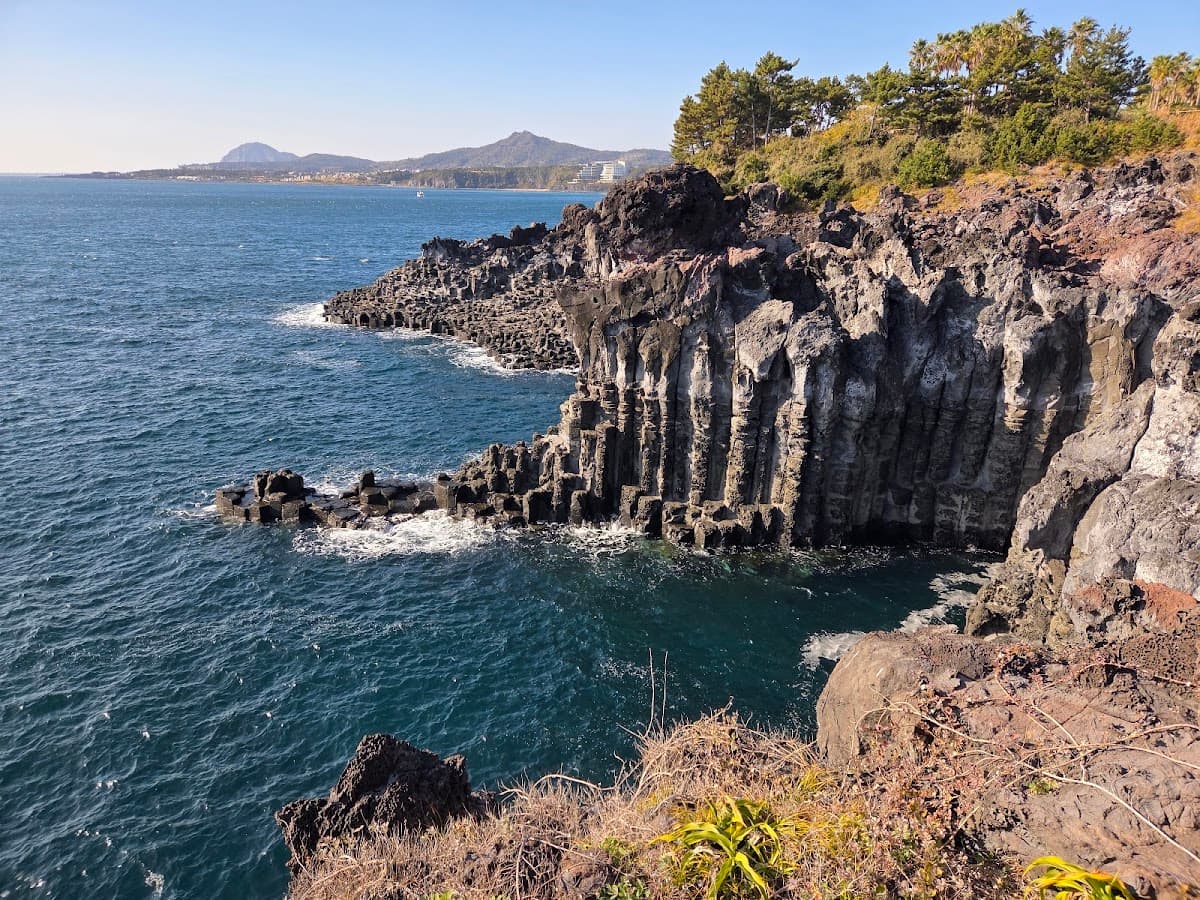
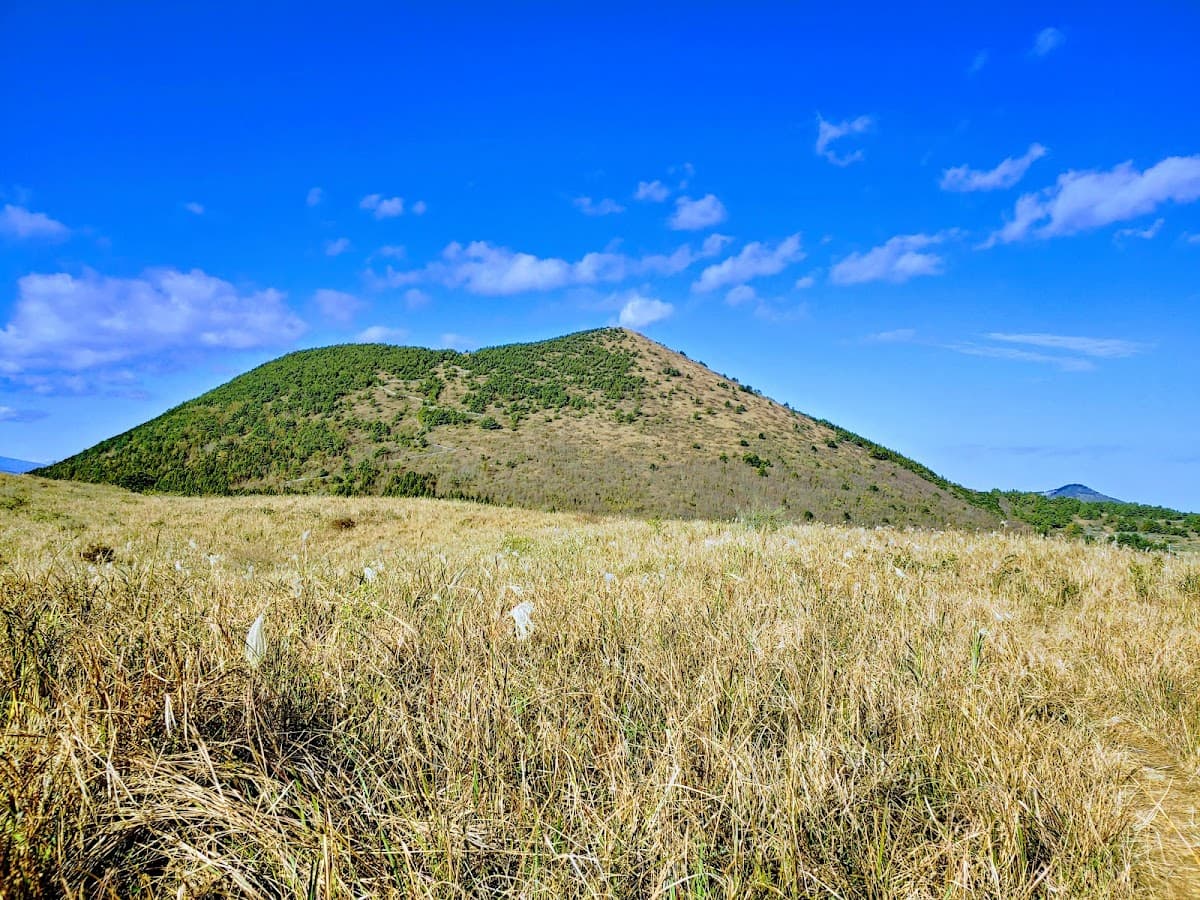
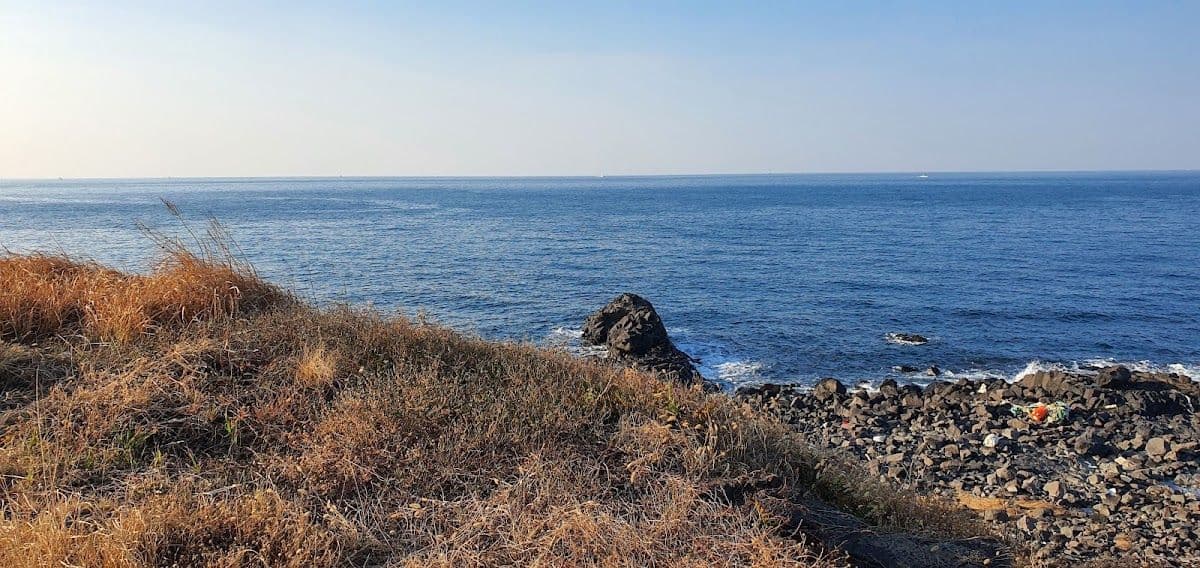
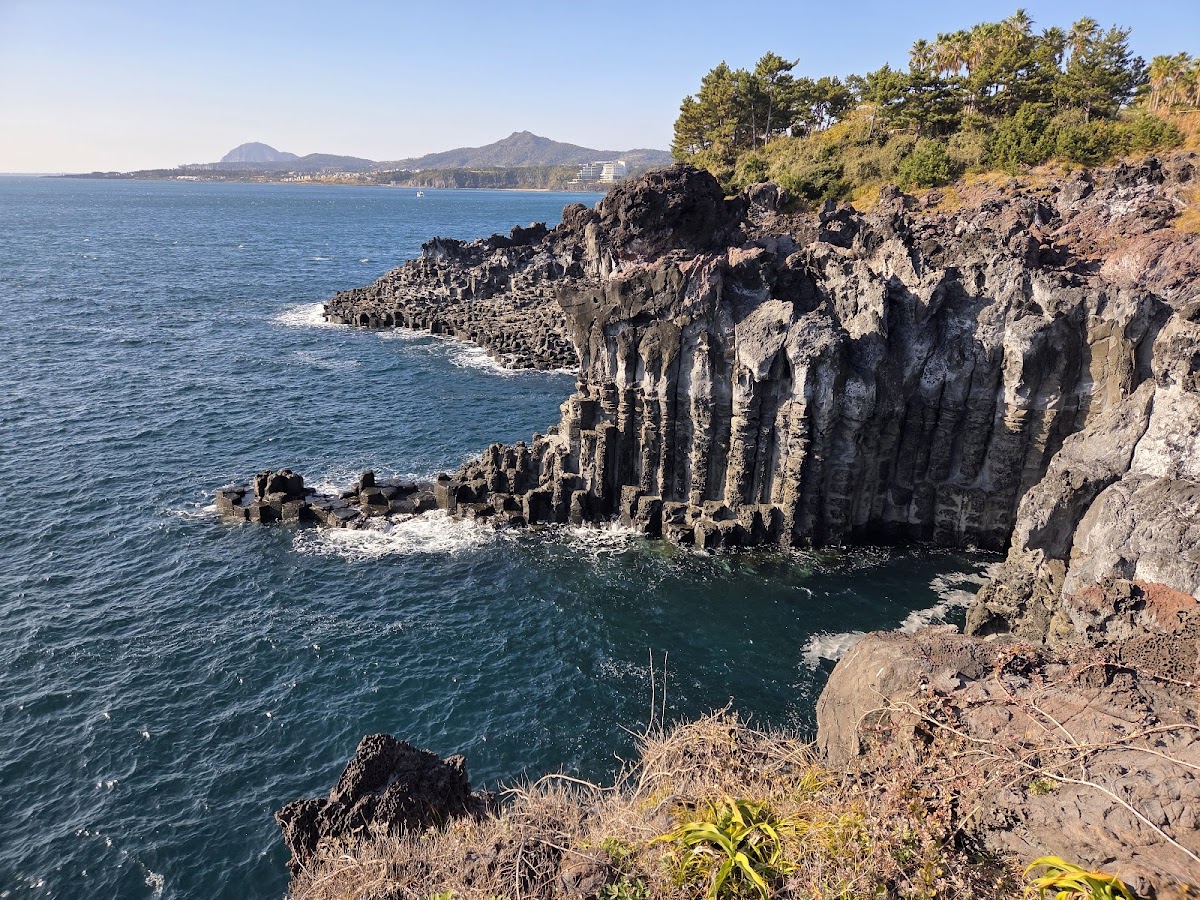
Some of Jeju's most impressive scenery costs absolutely nothing to enjoy. Seongsan Ilchulbong, the iconic sunrise peak on the eastern coast, charges a small entrance fee but the surrounding coastal trail is free to walk. Jusangjeolli Cliff, a dramatic stretch of hexagonal basalt columns along the southern shore, can be viewed from the public walkway at no cost. Hallasan National Park is free to enter, and hiking to the summit crater is one of the most rewarding full-day activities on the island.
The beaches are also free. Hamdeok Beach on the north coast is one of the clearest in Korea, and Hyeopjae Beach on the west side offers shallow turquoise water that looks almost tropical. Arriving early means you get the best of both without the crowds.
Low-Cost Paid Attractions Worth Considering
Not every paid attraction is overpriced. Some offer genuine value, especially when booked in advance through platforms like TixLayer where you can compare options and sometimes access better rates.
If you enjoy natural spaces, Hallim Park is one of the island's most popular stops, combining lava tube caves, subtropical gardens, and folk village displays in one ticket. It's a solid way to cover multiple experiences without paying separately for each.
For something a bit different, Jeju Stone Village Park offers a quiet look at traditional Jeju architecture and the volcanic stone culture that defines the island's identity. It's peaceful, photogenic, and priced reasonably.
If you're traveling with family or younger companions, the Jeju Rail Bike Pass is a fun way to take in coastal scenery at a relaxed pace. It's a shared experience that tends to be worth the cost, especially compared to more expensive theme park alternatives.
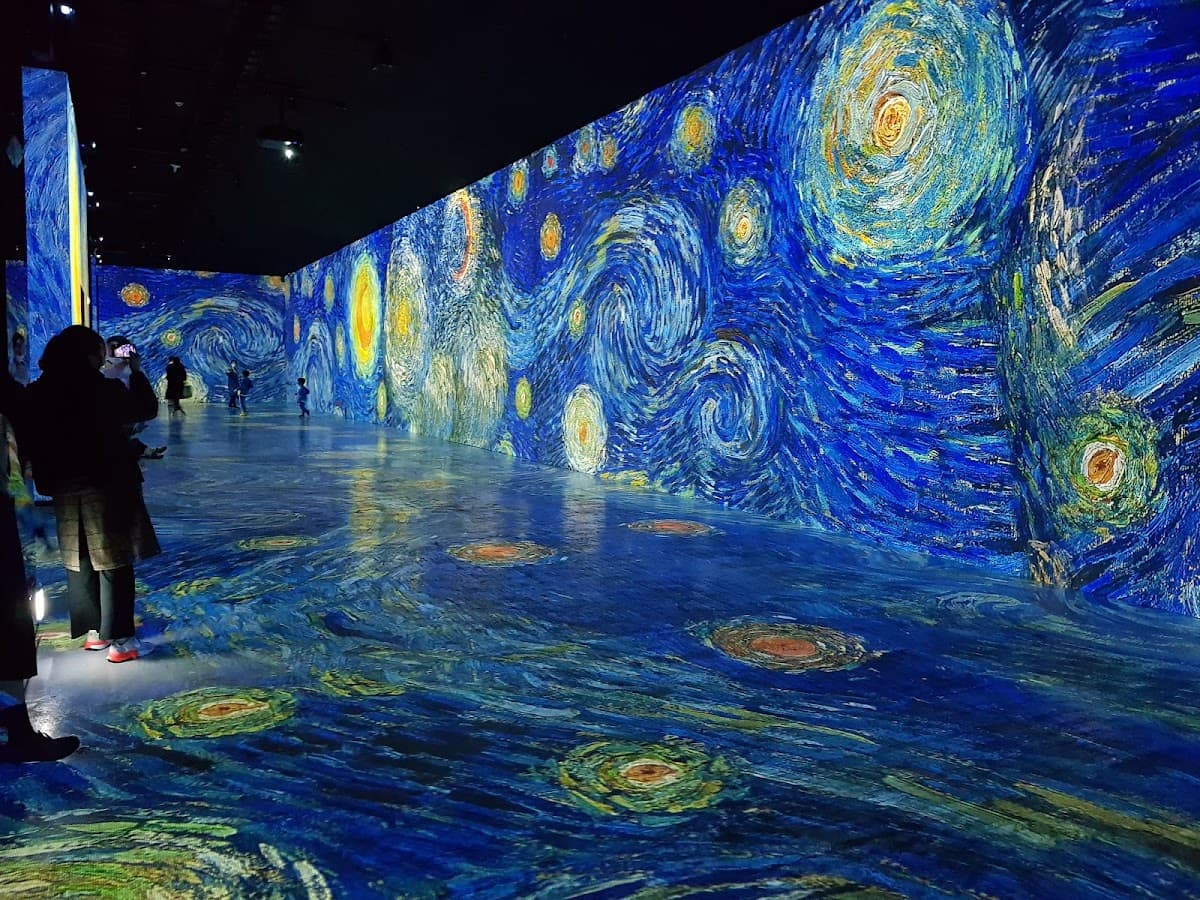
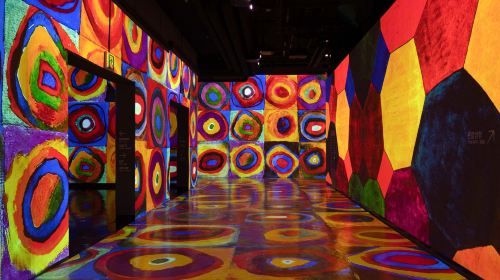
For culture with a visual twist, Bunker des Lumières is an immersive art experience set inside a former bunker. The ticket price is reasonable for what you get, and it's genuinely unlike anything else on the island.
Eating Well Without Overspending
Food is one of the easiest places to save money in Jeju. The local cuisine is built around fresh seafood, black pork, and simple preparations that don't require a fancy setting to taste great.
Domestic markets are your best starting point. Dongmun Traditional Market in Jeju City and Seogwipo Maeil Olle Market both offer affordable street food, fresh produce, and local snacks. Look for haenyeo-caught seafood sold directly at the market stalls, often far cheaper than restaurant prices. Grilled mackerel, raw abalone, and seafood jeon (savory pancakes) are all worth trying.
For meals, local gimbap shops and noodle restaurants typically serve filling portions for under 8,000 to 10,000 KRW. Convenience stores like GS25 and CU are genuinely useful for budget travelers in Korea. Triangle gimbap, hot foods, and instant noodles eaten in-store are all solid options when you need something quick and cheap.
Avoid restaurants directly adjacent to major tourist sites. Prices tend to be 20 to 40 percent higher simply due to location. Walk one or two streets back and you'll usually find better value.
Getting Around for Less
Transport is one of the biggest budget variables on the island. Renting a car gives you flexibility but adds fuel costs, insurance, and parking fees. For budget travelers, a combination of public buses and occasional taxis is often more cost-effective.
Jeju's intercity bus network is affordable and covers most major attractions. The 600-series airport limousine buses connect Jeju City to key towns, and local buses reach most coastal and mountain sites. A T-money card loaded before you arrive (or at the airport) makes bus travel seamless and slightly cheaper than paying cash.
If you're doing a focused day of sightseeing in one region, consider a guided tour. The Jeju Eastern UNESCO Day Tour bundles transport, a guide, and multiple sites into one package, which can actually save money compared to arranging taxis or car rental for the same route independently.
Where to Splurge
Budget travel doesn't mean cutting everything. A few experiences are genuinely worth spending more on.
Black pork barbecue is Jeju's signature dining experience. A proper sit-down meal at a reputable black pork restaurant will cost more than your average lunch, but it's a meal that defines the island and one you're unlikely to forget. Budget around 15,000 to 20,000 KRW per person and consider it money well spent.
If you're visiting with children, one paid theme park or family attraction can make the trip feel complete. Shinhwa Theme Park is one of the larger options and offers a full day of rides and entertainment. It's a splurge, but for families it often becomes the highlight of the trip.
Practical Money Tips for Jeju
A few specifics that make a real difference on the ground:
- Book activities in advance online. Walk-up prices at popular sites are often higher than pre-booked rates.
- Carry some cash. Smaller markets and street food vendors frequently don't accept cards.
- Check if your accommodation includes breakfast. Many guesthouses and pensions do, which removes the cost of one meal per day.
- Visit popular natural sites early in the morning. You avoid crowds and, in some cases, parking fees that only kick in later in the day.
- If you're staying more than four or five days, a weekly bus pass can reduce your transport costs significantly.
Final Thoughts
Jeju rewards travelers who do a little homework before they arrive. The island's natural assets, its coastlines, craters, and lava fields, are largely free or very affordable. Paid attractions vary widely in value, so being selective matters. Eat where locals eat, use the bus network, and book ahead for the experiences you really want. Done right, a trip here can be genuinely affordable without feeling like you've missed out on anything that matters.