Hokkaido on a Budget: How to See the Best Without Overspending
By Matt Cuckston, Founder & Travel Technology Expert at TixLayer
Japan has a reputation for being expensive, but with the right approach, it's entirely possible to travel well without draining your savings. As a Hokkaido travel guide, this article is designed to help you plan a genuinely rewarding trip while keeping costs under control. Whether you're a solo backpacker or a couple planning a getaway, the things to do in Hokkaido range from completely free to surprisingly affordable, and knowing the difference can save you a significant amount of money.
Getting There and Around Without Overpaying
Flights into New Chitose Airport (Sapporo) are competitive, especially if you book in advance or travel during shoulder seasons like late April to May or October to early November. Budget carriers including Peach Aviation and Jetstar Japan offer regular deals from Tokyo and Osaka.
Once you're on the ground, the JR Hokkaido Rail Pass is one of the best transport investments you can make. A five-day pass covers most major routes, including Sapporo, Asahikawa, Hakodate, and Noboribetsu. If you're sticking mostly to Sapporo, the city's subway day pass costs around 830 yen and covers unlimited rides, which adds up quickly if you're moving between neighborhoods.
For longer day trips, joining an organized tour often works out cheaper than piecing together rail and bus connections yourself. Options like Hokkaido Day Tours bundle transport, a guide, and multiple stops into one flat price, removing the guesswork and the hidden costs of independent travel.
Free and Low-Cost Attractions
Nature is Hokkaido's greatest asset, and most of it costs nothing to access.
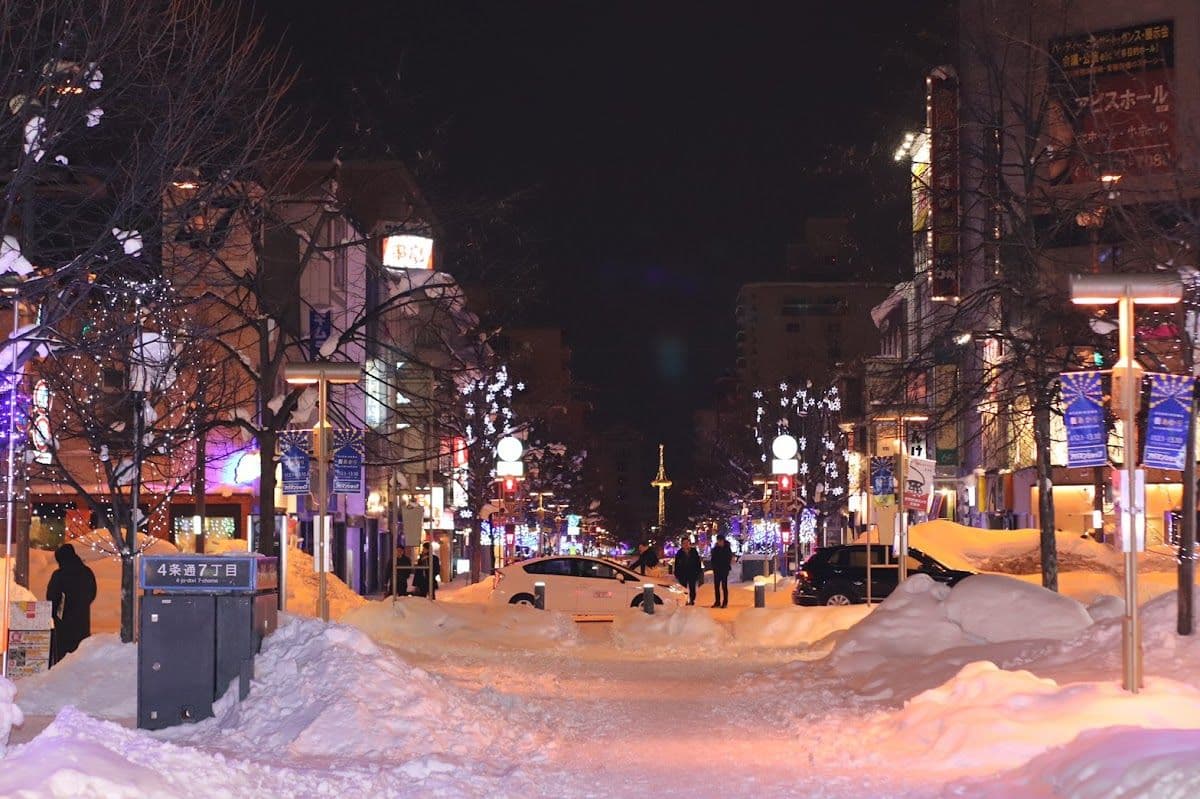
Odori Park, Sapporo is a long, tree-lined public park running through the center of the city. It hosts free seasonal events, including the Sapporo Snow Festival in February, and is a pleasant place to spend an afternoon without spending a single yen.
Shirogane Blue Pond (Aoiike) near Biei is one of the most photographed spots in Japan. Entry to the pond itself is free, though parking costs a small fee if you're driving. The electric-blue water surrounded by bare silver birch trees is just as striking in person as it looks online.
Shirahige Waterfall is another no-cost natural attraction near Biei, where vivid blue water flows from the riverbank directly into the Biei River. Both the Blue Pond and the waterfall can be combined into a single day trip. The Hokkaido Asahiyama Zoo & Biei Shirogane Blue Pond & Shirahige Waterfall & Ningle Terrace 1-day tour is a cost-effective way to cover all of these in one go.
Ningle Terrace in Furano is a forested walkway lined with small craft workshops. Browsing is free, and the atmosphere alone is worth the visit, especially in the evening when the lanterns are lit.
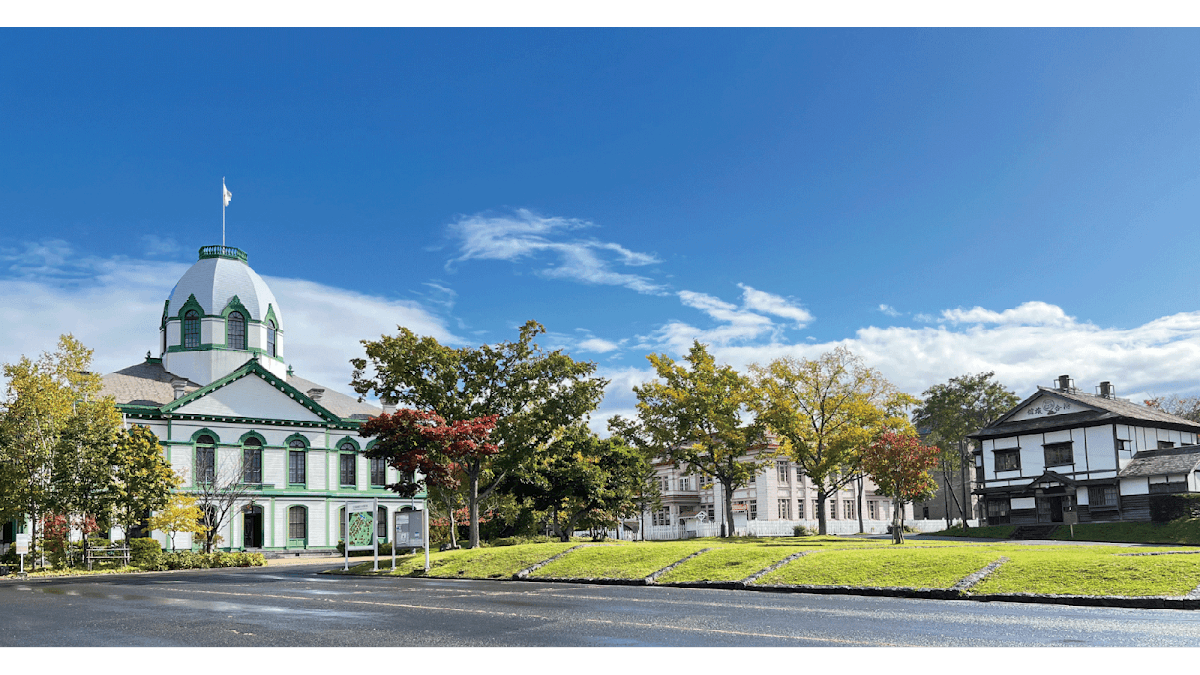
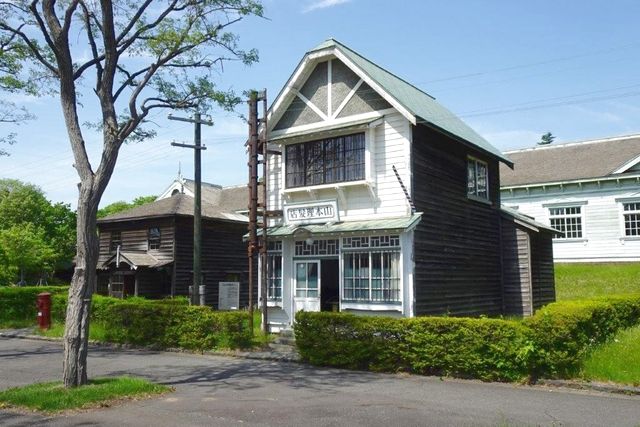
For history on a budget, the Historical Village of Hokkaido "Kaitaku no mura" is an open-air museum in Sapporo that reconstructs over 60 historical buildings from the Meiji and Taisho eras. Admission is modest, and the experience gives genuine context to the region's settler history.
Where to Eat Without Overspending
Food in Hokkaido is exceptional, and you don't need to eat at tourist-facing restaurants to enjoy it.
Convenience stores like 7-Eleven, Lawson, and FamilyMart in Japan are a legitimate meal option. Onigiri costs around 120 to 180 yen, and hot foods like steamed buns and fried chicken are freshly stocked throughout the day. A full convenience store meal rarely exceeds 600 yen.
Ramen is Hokkaido's signature dish, and local ramen shops consistently offer large bowls for 800 to 1,200 yen. Sapporo's miso ramen, Asahikawa's soy-based ramen, and Hakodate's salt ramen are each distinct and worth trying. Look for restaurants with plastic food displays in the window and a line of locals outside.
Soup curry, another Sapporo specialty, is filling and typically priced between 1,000 and 1,500 yen for a full meal with rice. It's a much better value than many tourist-oriented set menus.
Morning markets (asaichi) in Hakodate and other coastal towns sell fresh seafood at prices far below what you'd pay at a sit-down restaurant. Grab a bowl of ikura (salmon roe) or uni (sea urchin) over rice for a fraction of the restaurant price.
Where to Splurge and Where to Save
Not everything needs to be done on the cheap. A few experiences genuinely justify the cost.
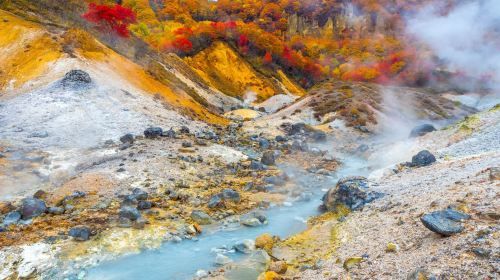
Splurge on a night in an onsen ryokan. Noboribetsu is the most accessible hot spring town in Hokkaido, and while budget guesthouses are available, spending one night in a mid-range ryokan with a private onsen and kaiseki dinner is a worthwhile treat. It's a cultural experience as much as a comfort one.
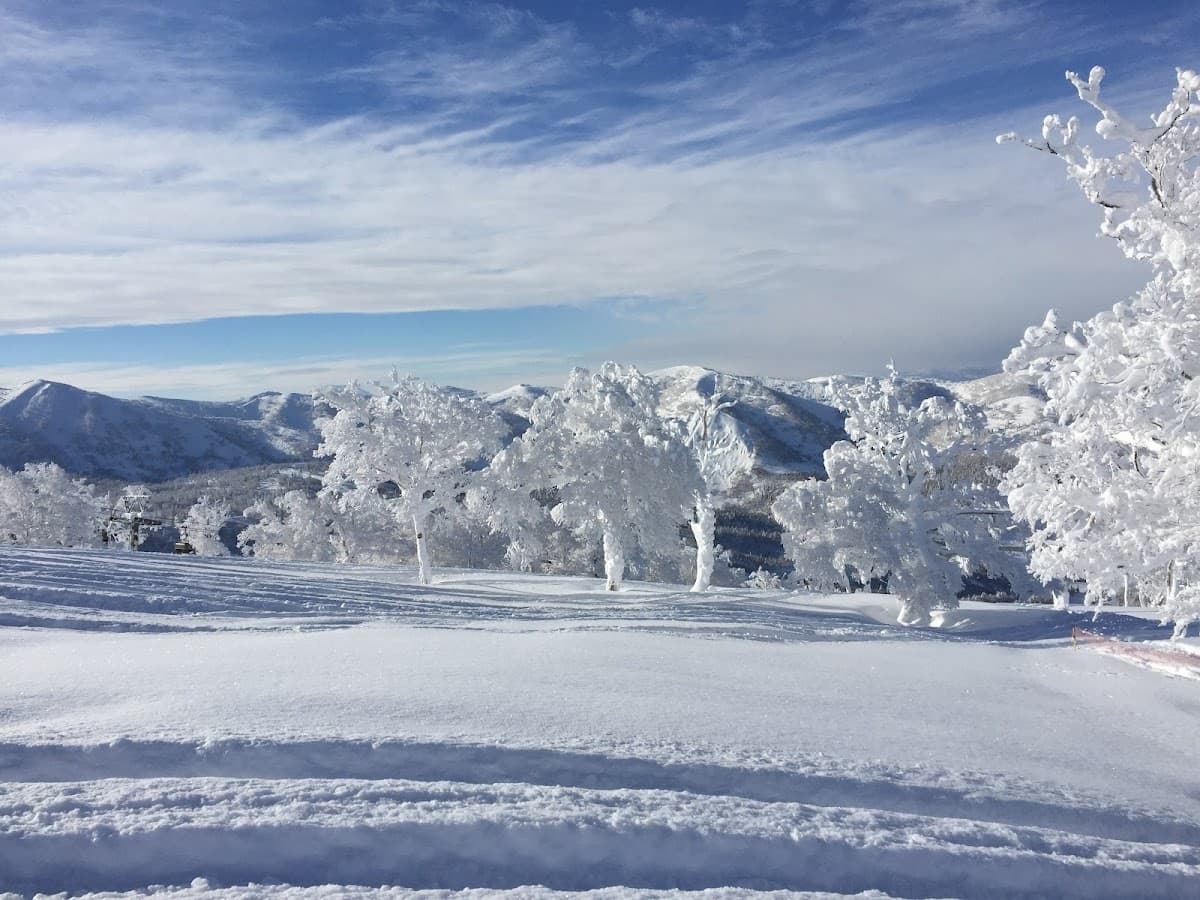
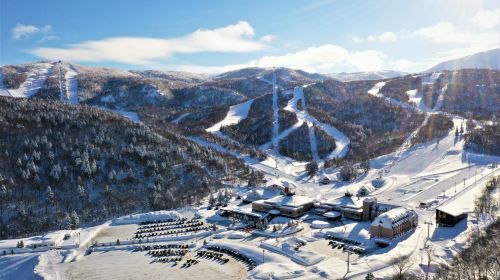
Splurge on winter skiing if that's your reason for visiting. Resorts like Kiroro Snow World and Asarigawa Onsen Ski Resort offer world-class powder snow. Lift passes and equipment rental are genuine costs, but they're the point of the trip for many visitors.
Save on museums. Many of Sapporo's museums offer free or discounted entry on specific days of the month. Check local tourism websites before paying full price.
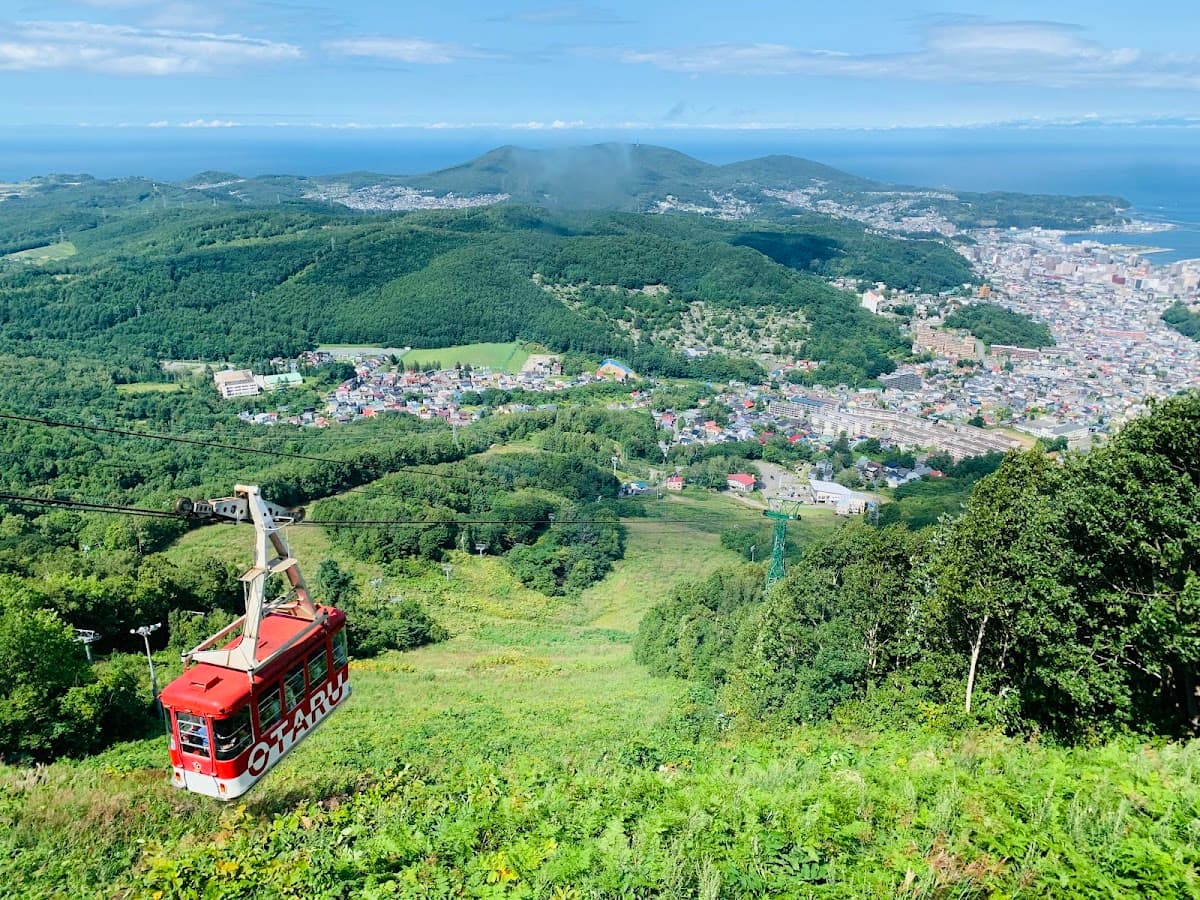
Save on transport by walking Otaru. The canal district, glass studios, and historic warehouses are all within easy walking distance of Otaru Station. There's no need to take taxis or buses within the town itself.
Practical Money Tips for Hokkaido
Cash is still essential in Japan. Many smaller restaurants, local shops, and rural attractions do not accept credit cards. ATMs at 7-Eleven and Japan Post offices reliably accept international cards, and these are your most reliable withdrawal points outside of Sapporo.
If you're visiting in winter, budget for extra layers. Temperatures regularly drop below minus 10 degrees Celsius, and buying clothing on arrival in Japan is expensive. Pack properly before you fly.
Booking activities in advance through platforms like TixLayer lets you compare prices, lock in rates before they increase, and avoid sold-out situations during peak seasons. Tours that cover multiple attractions in a single day, such as the Popular Hokkaido 1-day tour to Asahiyama Zoo + Ningle Terrace + Panoramic Flower Gardens Shikisai-no-oka, consistently offer better value than booking each stop separately.
Finally, avoid exchanging currency at airports. Rates are consistently worse than at city banks or post office ATMs. Withdraw yen in Sapporo after you arrive rather than before you leave home.
Traveling smart in Hokkaido is less about cutting corners and more about knowing which experiences are worth paying for and which ones are just as good for free. With a little planning, you'll leave with great memories and money still in your pocket.
![[Hokkaido] Noboribetsu Marine Park Nixe](/_next/image?url=https%3A%2F%2Ftixlayer.com%2Fstorage%2Fattractions%2F2991%2Fgoogle_0_1776175355.jpg&w=3840&q=75)