Barcelona on a Budget: How to See the Best Without Overspending
By Matt Cuckston, Founder & Travel Technology Expert at TixLayer
If you're planning a trip and searching for things to do in Barcelona without spending a fortune, you're in the right place. The city rewards travelers who plan ahead. From world-class architecture you can admire for free to markets where locals actually eat, there's a smart way to experience everything this city offers without watching your budget collapse by day two.
Here's how to do it properly.
Free and Low-Cost Attractions Worth Your Time
Some of the most memorable sights in the city cost nothing at all.
La Barceloneta Beach is entirely free and easily accessible by metro. Spend a morning here before the crowds arrive and you'll understand why people extend their trips by days.
The Gothic Quarter (Barri Gòtic) is best explored on foot. The narrow medieval streets, Roman ruins, and the Barcelona Cathedral are all free to wander. Pick up a free map from your accommodation and give yourself two to three hours.
Montjuïc Hill offers panoramic views over the city and harbor. You can walk up or take the metro to Paral·lel and then the funicular (covered by a standard metro ticket). The Montjuïc Castle grounds are free to walk around, and the Olympic Stadium is open to visitors at no charge.
Bunkers del Carmel is a former anti-aircraft battery at the top of Turó de la Rovira. The 360-degree view from up here is arguably the best in the city, and it costs absolutely nothing to visit. Go at sunset.
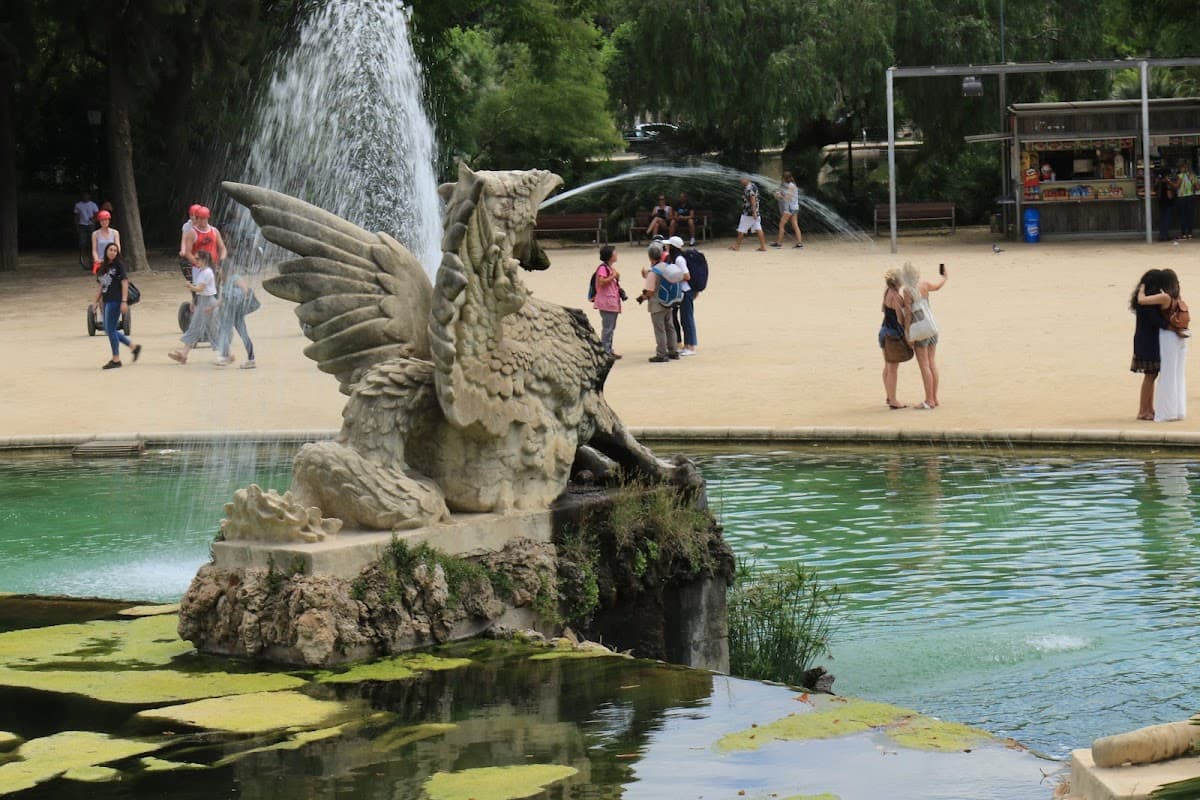
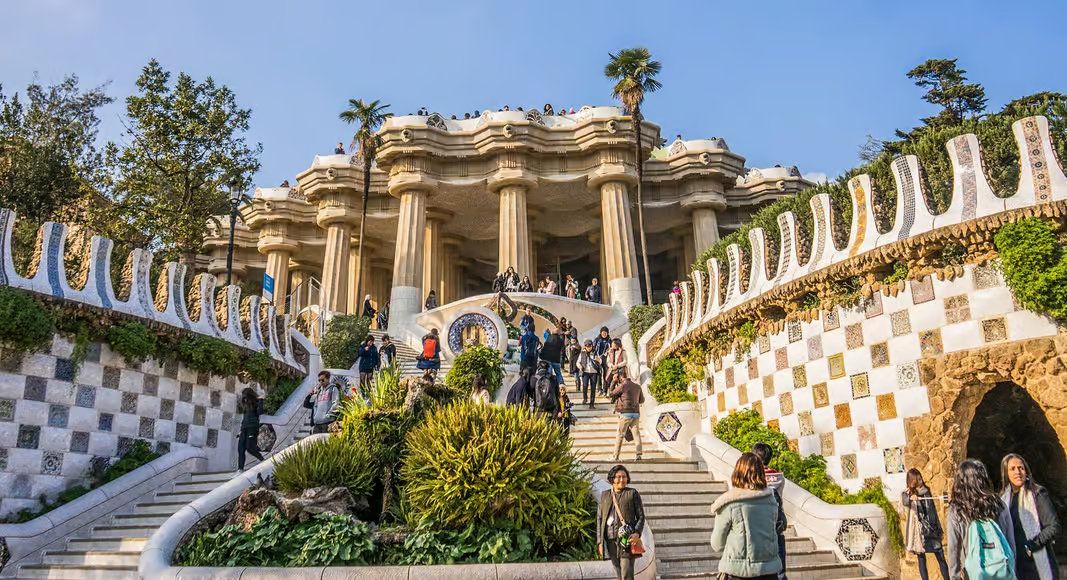
Park Güell has both free and ticketed zones. The monumental zone, which includes Gaudí's famous mosaic terrace and dragon staircase, requires a timed entry ticket. However, the surrounding park is free to explore. If you want the full experience with skip-the-line access and expert context, the Park Guell Guided Tour with Skip The Line Entry is worth considering, especially in peak season when queues can be brutal.
Where to Splurge (and Why It's Worth It)
Not everything should be done on the cheap. Some experiences genuinely justify the cost.
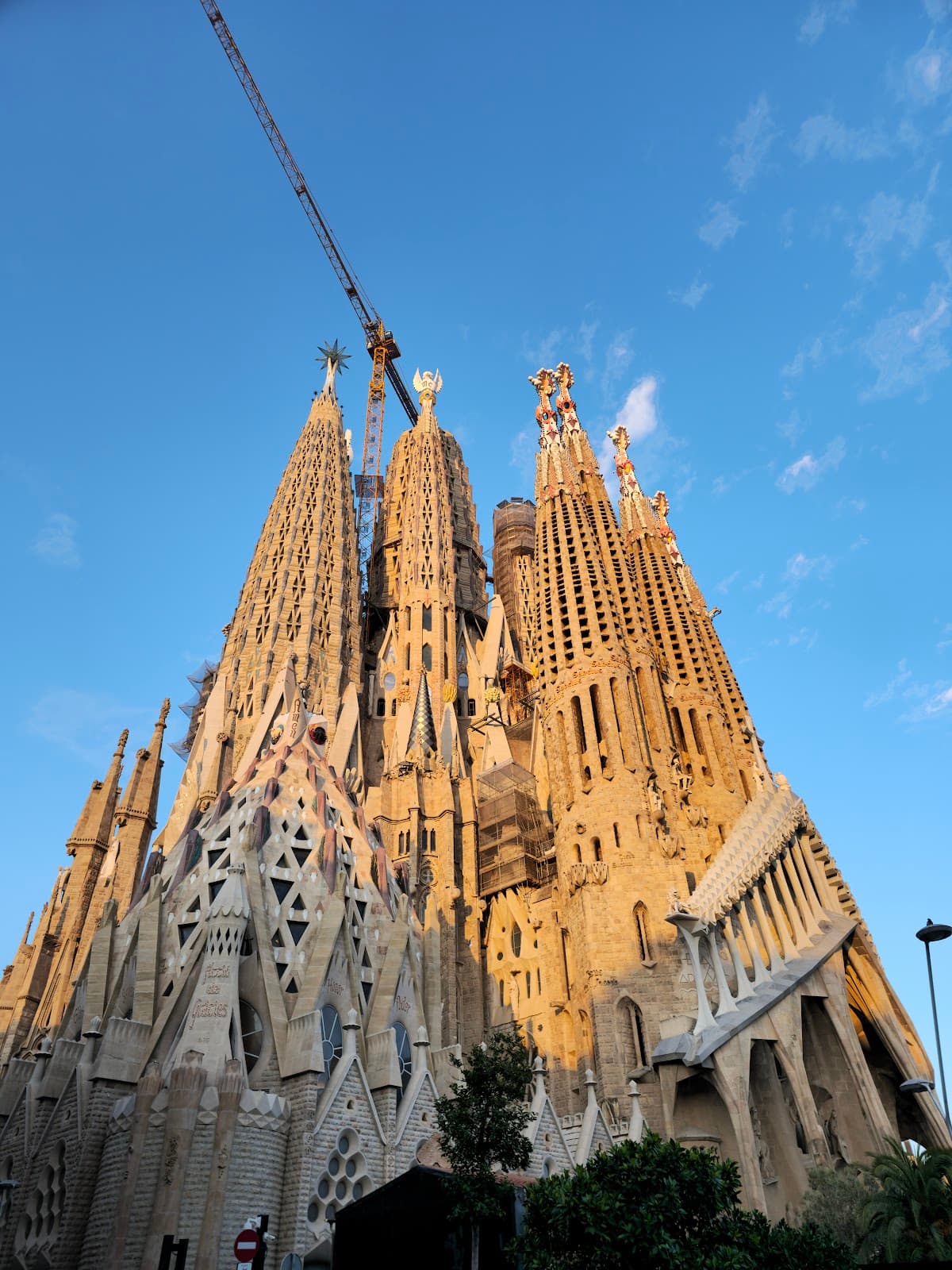
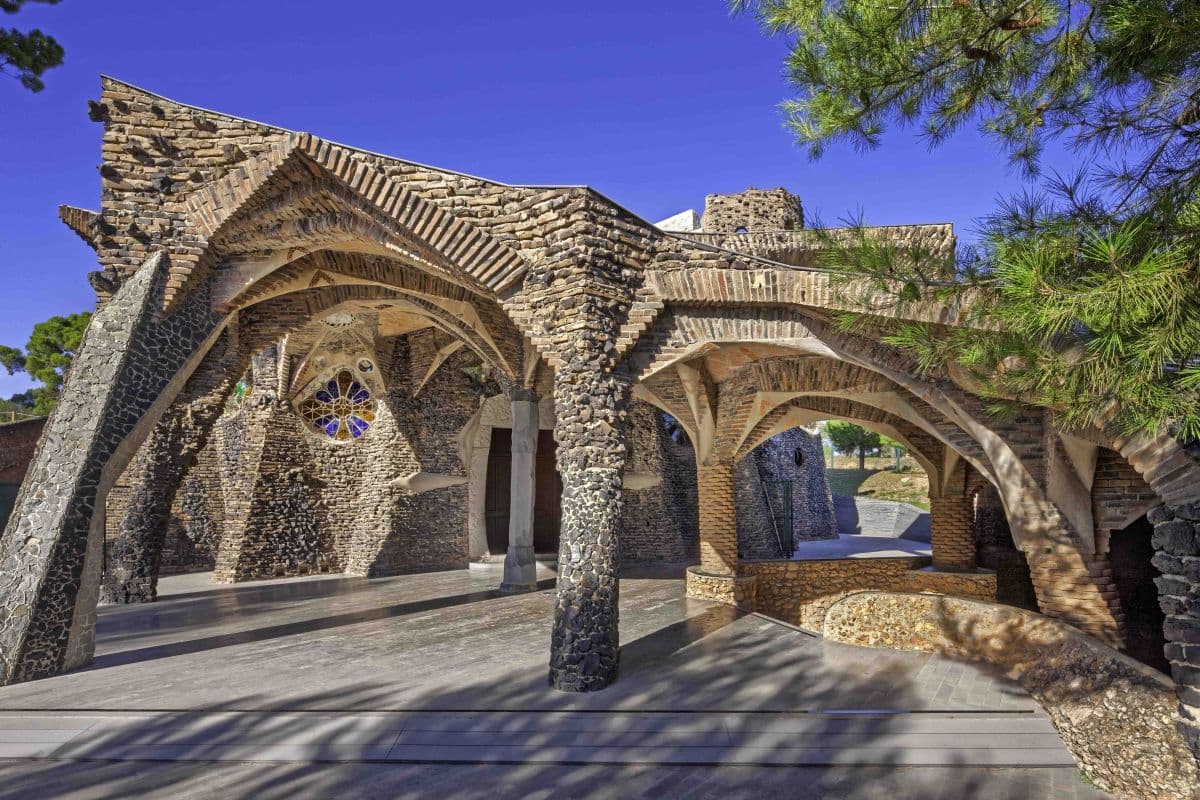
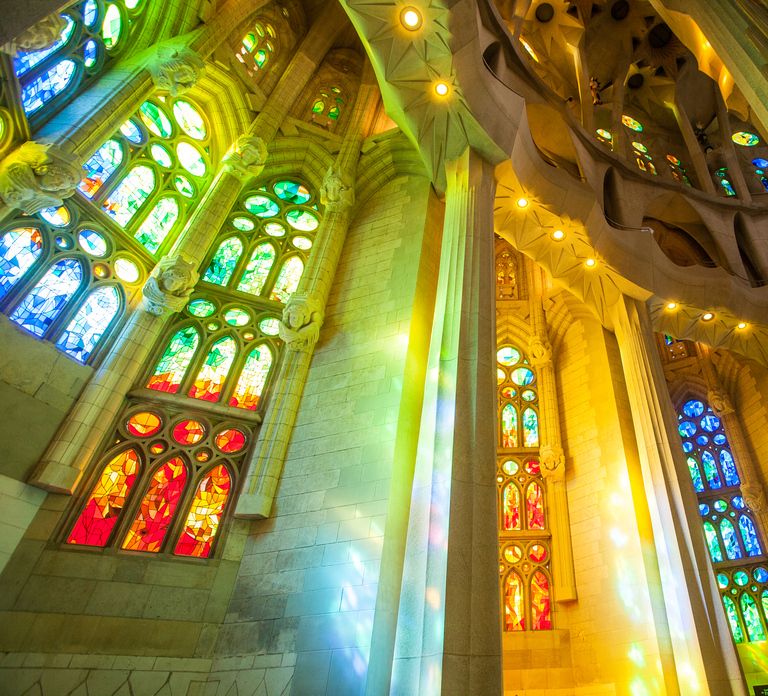
Sagrada Família is non-negotiable. Antoni Gaudí's unfinished basilica is unlike anything else on earth, and the interior is even more extraordinary than the exterior. Booking in advance is essential since tickets sell out weeks ahead. The Sagrada Familia Entrance Tickets with Audio Guide adds real depth to the visit and helps you understand what you're actually looking at. This is one splurge that delivers full value.
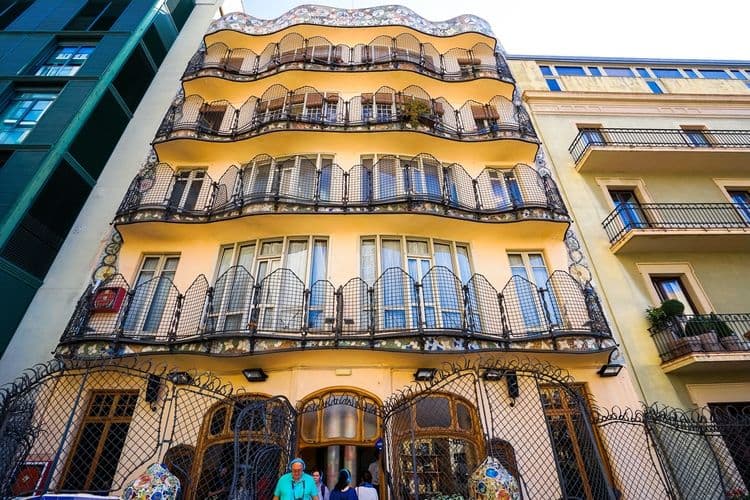
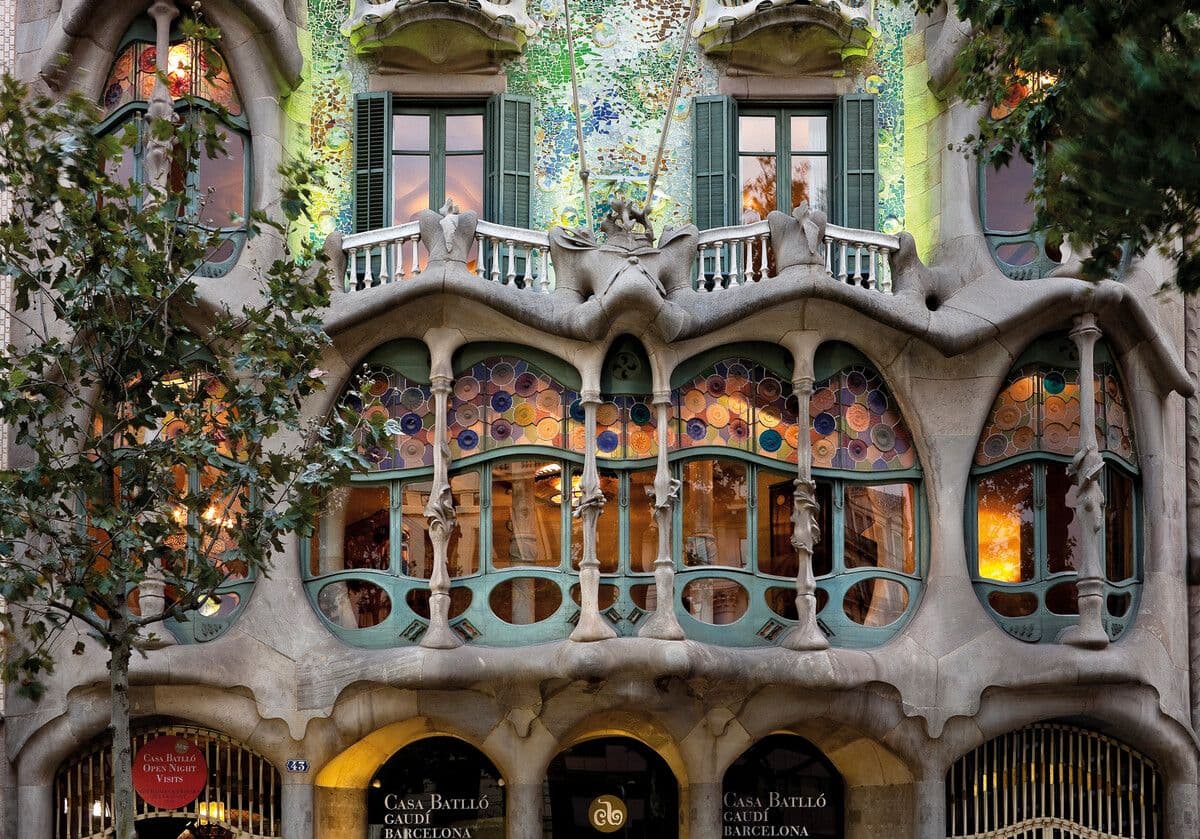
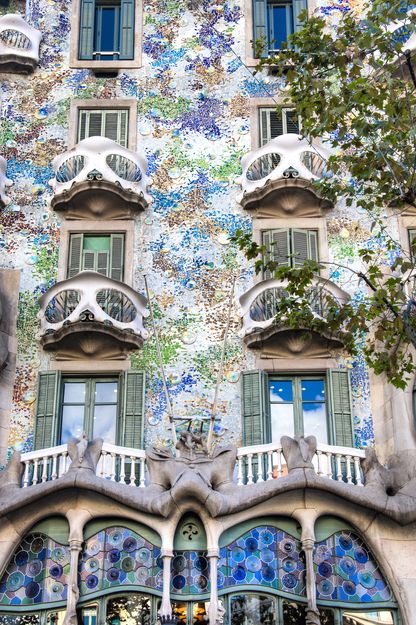
Casa Batlló is pricier than most attractions but the immersive experience inside is genuinely unlike anything else in the city. If Gaudí's work interests you, Casa Batlló should be on your list for at least one paid visit.
If you're planning to visit multiple paid attractions, the Go City: Barcelona Explorer Pass can save you a significant amount compared to buying tickets individually. It's worth doing the math before you book anything separately.
Affordable Food: Where Locals Actually Eat
Avoid any restaurant with a photo menu near Las Ramblas. That's the clearest food advice anyone can give you.
Mercado de Sant Antoni is a renovated market that draws a local crowd. The surrounding streets fill with food stalls on weekends, and you can eat well for very little.
Set lunch menus (menú del día) are one of the best budget tools in Spain. Most restaurants offer a two or three-course lunch with bread and a drink for between 10 and 15 euros. This is how locals eat their main meal of the day. Look for handwritten chalkboard menus and restaurants away from tourist corridors.
Supermarkets like Mercadona and Lidl are genuinely good options for breakfast and snacks. Fresh fruit, yogurt, local cheese, and good bread are all inexpensive and widely available.
Tapas bars in the Eixample and Gràcia neighborhoods tend to offer better value than those near the waterfront. A small plate of patatas bravas or pan con tomate rarely costs more than three or four euros in these areas.
Getting Around Without Overpaying
The metro is your most reliable and affordable option. A single ride costs around 2.40 euros, but a T-Casual card (10 trips) brings that down considerably and works across metro, bus, and some tram lines. Buy it from any metro station machine.
Walking is underrated. The Gothic Quarter, El Born, and the Eixample grid are all very walkable, and many of the city's best moments happen between destinations rather than at them.
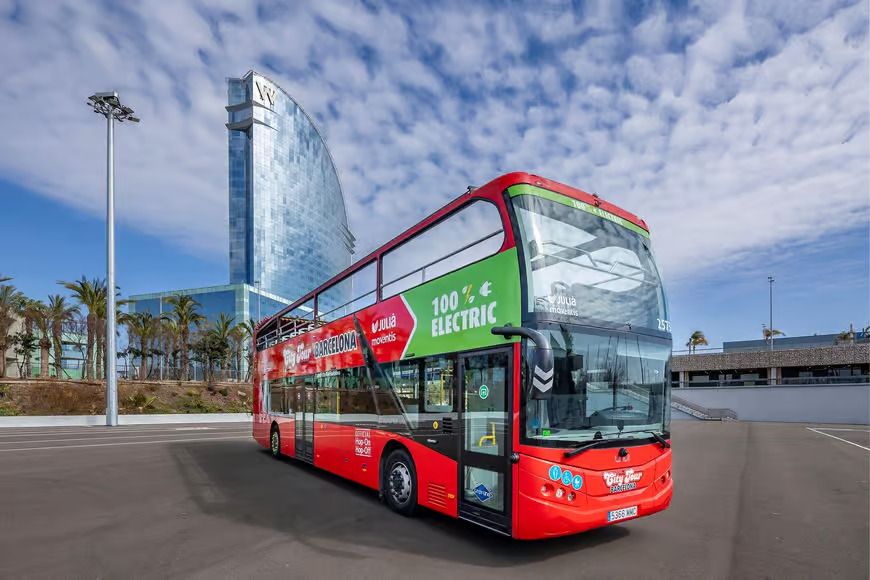
If you want a structured overview of the city's geography before diving in independently, a Barcelona City Tour Hop-On Hop-Off Bus Tour on your first day can help you get your bearings and decide which neighborhoods to return to on foot.
Avoid taxis from the airport unless you're splitting the cost. The Aerobus runs directly to Plaça de Catalunya for around 6.75 euros each way and is far cheaper.
Practical Money Tips
Book attractions in advance online. Many sites charge a small booking fee, but the alternative is standing in a two-hour queue or missing out entirely. Time is money when you're traveling.
Use a fee-free travel card. Spanish ATMs often charge withdrawal fees, and currency exchange booths near tourist areas offer poor rates. Cards like Wise or Revolut let you spend in euros at the real exchange rate with no added fees.
Visit popular sites early or late. Crowds thin out significantly in the first hour after opening and in the final hour before closing. You'll enjoy the experience more and avoid the temptation of overpriced refreshments sold near queues.
Tap water is safe to drink. It tastes slightly chlorinated in some areas, but it's perfectly fine. Carry a refillable bottle and avoid paying for water at cafes when you don't need to.
Free museum days exist but require planning. The Picasso Museum Barcelona offers free entry on the first Sunday of each month and on Thursday evenings. Check each museum's website before your trip and build your schedule around these windows if possible.
The Bottom Line
Barcelona rewards travelers who do a little homework. The free experiences here are genuinely excellent, the food scene offers real value if you eat where locals eat, and a handful of paid attractions are worth every cent when approached the right way. Plan your splurges deliberately, use your metro card, and eat lunch like a local. That combination will take you further than any travel hack.