Washington on a Budget: How to See the Best Without Overspending
By Matt Cuckston, Founder & Travel Technology Expert at TixLayer
Washington D.C. has a reputation for being a serious, high-powered city, but it is also one of the most accessible destinations in the country for travelers on a tight budget. As you plan your things to do in Washington, you will quickly realize that the city's greatest attractions are largely free, publicly funded, and open to everyone. That does not mean you have to skip every paid experience. It means you can be smart about where your money goes.
This guide covers everything from free museums and outdoor landmarks to affordable food spots, transport savings, and a few experiences worth paying for.
Free Attractions That Are Genuinely World-Class
The single biggest advantage Washington has over almost every other major city is the Smithsonian Institution. With 19 museums and galleries spread across the National Mall and beyond, all of them free to enter, you could spend a week here without spending a cent on admission.
The National Museum of Natural History, the National Air and Space Museum, the National Museum of American History, and the Smithsonian American Art Museum are all worth multiple hours of your time. If you want more structure and context for what you are seeing, a guided experience can dramatically improve the visit. The DC: Smithsonian Highlights Walking Tour with Air and Space is an affordable way to get expert narration across multiple museums without paying full-price admission separately at each one.
The National Mall itself is free to walk, and the monuments and memorials along it, including the Lincoln Memorial, the Vietnam Veterans Memorial, and the Washington Monument, cost nothing to visit on your own. If you want to cover more ground efficiently, the Tour Washington DC National Mall with an Exploration Game App is a low-cost self-guided option that adds an interactive layer to your visit, especially useful for families or solo travelers who prefer going at their own pace.
The United States Capitol, the Library of Congress, and the National Archives are all free to visit as well. Tours of the Capitol can be booked in advance at no charge through the Capitol Visitor Center.
Getting Around Without Overspending
Transportation is where many travelers quietly burn through their budget. Washington has a solid Metro system, and a SmarTrip card gives you discounted fares compared to buying single-ride tickets. If you are staying close to the National Mall, walking is genuinely practical for most major sights.
For a more enjoyable and efficient way to cover the city, consider a bike tour. The Washington DC Electric Bike Tours and Washington DC Bike Tours are both excellent options that combine transport and sightseeing into one cost-effective experience. You cover far more ground than on foot and skip the cost of rideshares or taxis between stops.
Avoid renting a car in the city. Parking is expensive, traffic can be frustrating, and most of what you want to see is concentrated in walkable or bikeable areas.
Affordable Food Options
Eating well in Washington without overspending requires a bit of planning. The city has a strong food truck culture, particularly around the National Mall, Farragut Square, and L'Enfant Plaza at lunchtime. You can find solid meals for eight to twelve dollars from rotating vendors serving everything from Korean BBQ to Ethiopian wraps.
For sit-down meals, neighborhoods like Columbia Heights, H Street NE, and Petworth offer local restaurants with more reasonable prices than the tourist-heavy areas around Pennsylvania Avenue. Grocery stores like Trader Joe's and Whole Foods have prepared food sections that work well for a quick and affordable lunch.
If you are visiting the Eastern Market on Capitol Hill on a weekend, the outdoor vendors sell fresh produce, baked goods, and prepared foods at reasonable prices. It is also a great spot to pick up snacks for a day of walking.
Where to Save and Where to Splurge

Save on: museum admissions (almost all are free), daytime sightseeing (the monuments look great in daylight at no cost), and transport (Metro and bikes beat taxis every time).
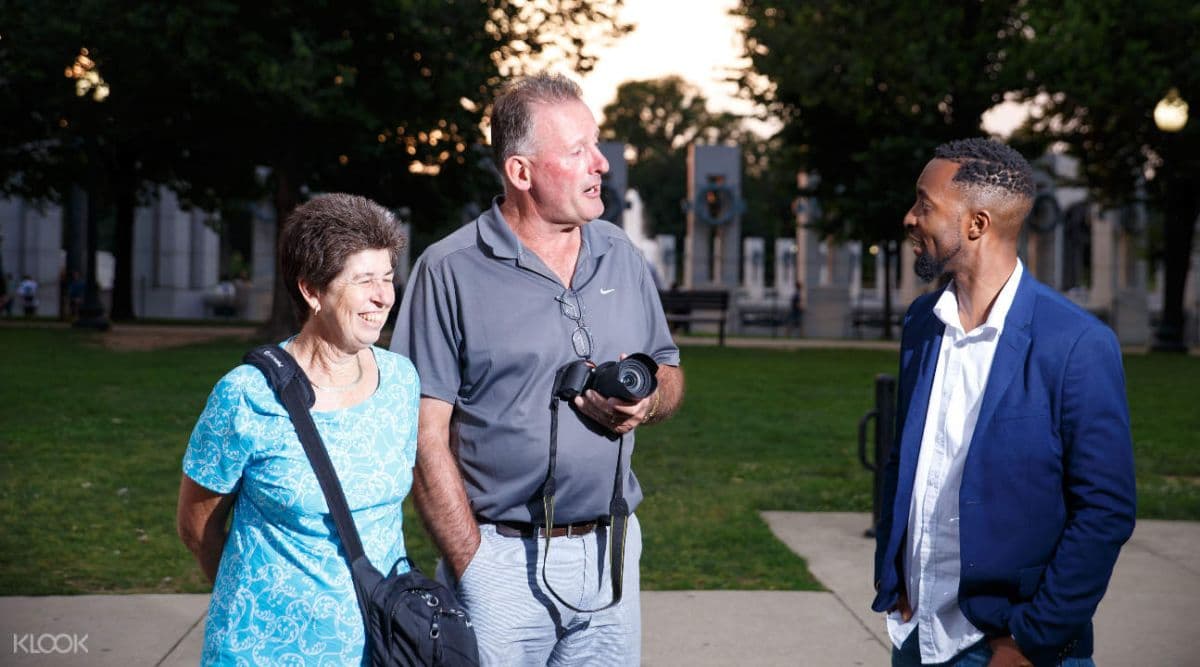
Splurge on: guided tours that add genuine depth to your experience. Seeing the monuments at night is a completely different experience from a daytime visit, and the Washington DC Guided Night Tour is worth the cost for the atmosphere alone. The illuminated memorials, quieter crowds, and expert commentary make it one of the most memorable things you can do in the city.
If history is your main interest, the Night of Lincoln Assassination: from White House to Ford Theatre walking tour is a theatrical and educational experience that is priced accessibly and covers one of the most dramatic events in American history across real locations.
For art and culture, the Smithsonian museums are free, but if you want a more focused and in-depth look at a specific collection, the Smithsonian Museum of Natural History Exclusive Guided Tour offers a premium experience that goes beyond what a self-guided visit typically delivers.
Practical Money Tips for Washington
- Book free attractions in advance. The Washington Monument requires timed entry passes, which are free but go quickly, especially in peak season.
- Visit popular spots on weekday mornings to avoid crowds and make the most of your time.
- Many Smithsonian museums have free public programs, lectures, and events. Check their websites before your trip.
- The Capital Bikeshare program offers short-term memberships that are cheaper than most bike rental shops if you plan to ride multiple times.
- Skip the souvenir shops near the Mall. The same items are available cheaper a few blocks away or online.
- Happy hour culture is strong in D.C. If you want to try a nice restaurant, go during their early evening specials rather than peak dinner service.
Final Thoughts
Washington rewards travelers who do a little research before they arrive. The foundation of any trip here, the museums, the monuments, the architecture, and the public spaces, is completely free. Layering in a guided tour or two for the experiences that genuinely benefit from expert context is a smart way to spend selectively. With the right approach, you can have a rich, full trip without feeling like you compromised on anything that mattered.