
Venice Travel Guide: Plan Your Perfect Trip
By Matt Cuckston, Founder & Travel Technology Expert at TixLayer
Venice is unlike any other place on earth. No cars, no traffic lights, no ordinary streets. Just canals, stone bridges, Renaissance architecture, and the sound of water lapping against centuries-old foundations. If you are researching things to do in Venice and trying to figure out how to make the most of your time here, this guide covers everything you need to plan a trip that goes beyond the surface.
---
Getting to Venice
Most visitors fly into Marco Polo Airport (VCE), located on the mainland about 8 kilometres from the city. From there, you have a few options.
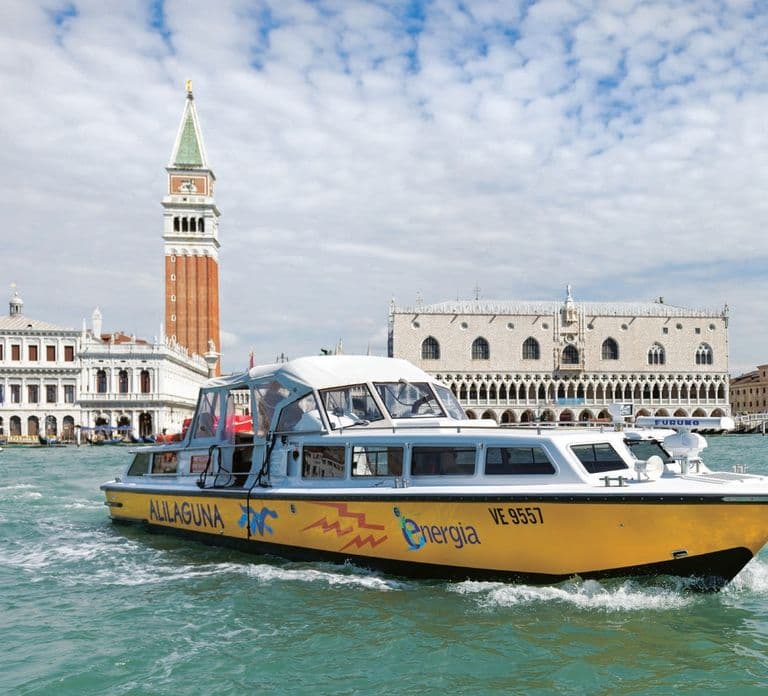
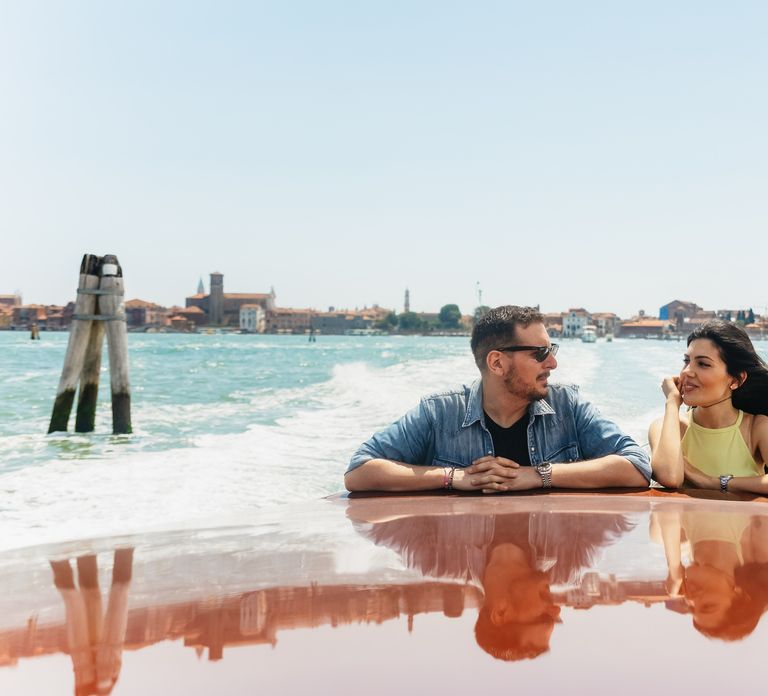
The most memorable arrival is by water. A Venice: Marco Polo Airport Water Taxi Transfer takes you directly to your hotel or the nearest water access point, arriving in style with your luggage handled. It is the most expensive option at around 100 to 130 euros, but for a first visit it sets the tone immediately. A more affordable alternative is the Alilaguna public water bus, which runs three routes into the city and costs around 15 euros per person. Journey time is 60 to 90 minutes depending on your stop.
If you prefer land transport, the People Mover connects Piazzale Roma (the main bus terminal) to the cruise port, and buses run from the airport to Piazzale Roma for under 10 euros. From Piazzale Roma, you walk or take a vaporetto into the city.
Trains from mainland Italy arrive at Santa Lucia Station, right on the Grand Canal, which is one of the more dramatic train station exits in Europe.
---
Getting Around the City
There are no cars in Venice. Your two options are walking and water transport.
On foot: Most of the city is walkable, and getting slightly lost in the calli (narrow alleyways) is part of the experience. Download offline maps before you arrive. Google Maps works reasonably well but does not always account for bridges or dead ends.
Vaporetto: The public water bus system run by ACTV connects all major areas including the Grand Canal, Giudecca, Murano, Burano, and the Lido. A single ride costs 9.50 euros, which is steep. If you plan to use it more than twice a day, buy a 24-hour (25 euros), 48-hour (35 euros), or 72-hour (45 euros) travel card.
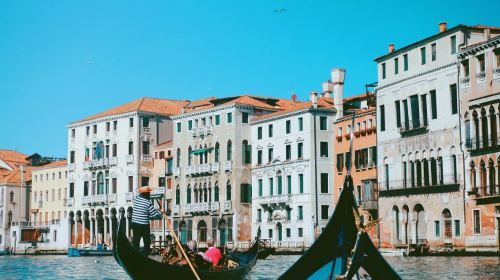
Gondola: A classic 30-minute gondola ride costs a fixed 80 to 90 euros for up to six people (more after 7pm). It is not a practical way to get around but it is an experience worth doing once. The Classic 30-Minute Gondola Ride in Venice is a reliable option that takes you through quieter canals away from the main tourist corridors.
Water taxis: Fast, private, and expensive. Useful for airport transfers or if you are travelling with a lot of luggage.
---
Best Neighbourhoods to Stay In
San Marco: The most central and most expensive. Ideal if you want to be close to the main landmarks, but it empties of locals by evening.
Dorsoduro: A calmer, more residential area with excellent restaurants, the Accademia galleries, and a student population that keeps it lively without being overwhelming. A strong choice for most visitors.
Cannaregio: The largest sestiere and home to the Jewish Ghetto. More affordable accommodation, good local restaurants, and a neighbourhood feel that San Marco lacks.
Castello: Quieter and less visited, stretching east toward the Arsenale. Good for those who want to feel like they are actually living in the city rather than just passing through it.
Giudecca: A short vaporetto ride from the main island. Fewer tourists, lower prices, and a different perspective of the city across the water.
---
When to Visit
Best months: April, May, September, and October offer the most balanced conditions. Temperatures are comfortable (15 to 22 degrees Celsius), crowds are manageable, and the light is exceptional for photography.
Summer (June to August): Venice is at its most crowded and most expensive. Temperatures can exceed 30 degrees, humidity is high, and the smell from the canals can be unpleasant. If summer is your only option, book everything well in advance and start your days before 9am.
Carnival (February): Spectacular to witness, but accommodation prices spike and the city is packed. Book at least three to four months ahead if you want to attend.
Winter (November to March): The least visited period. Prices drop significantly, the atmosphere is atmospheric and quiet, and you will have many landmarks largely to yourself. The downside is acqua alta (high water flooding), which is most common between October and January. Pack waterproof boots.
What to avoid: The last two weeks of July and the first two weeks of August are the peak of peak season. Cruise ship days also bring a significant influx of day visitors to St. Mark's Square by mid-morning.
---
What to See and Do
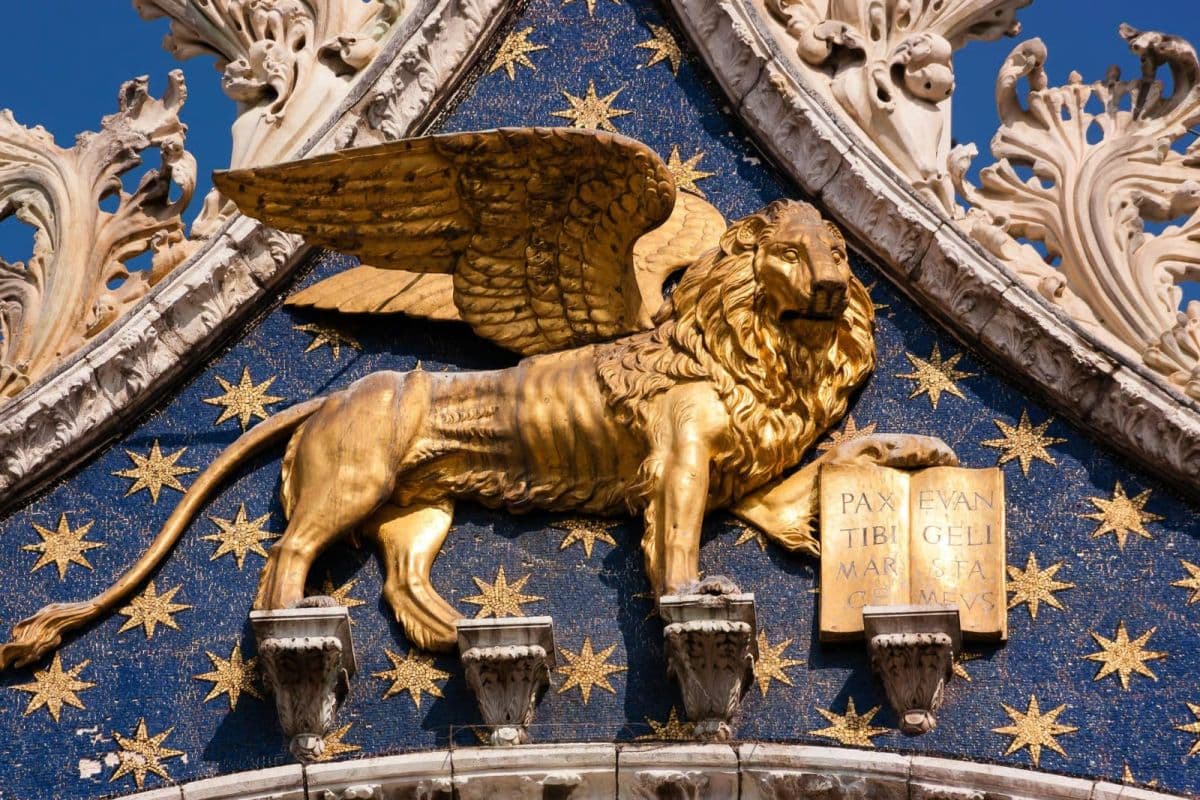
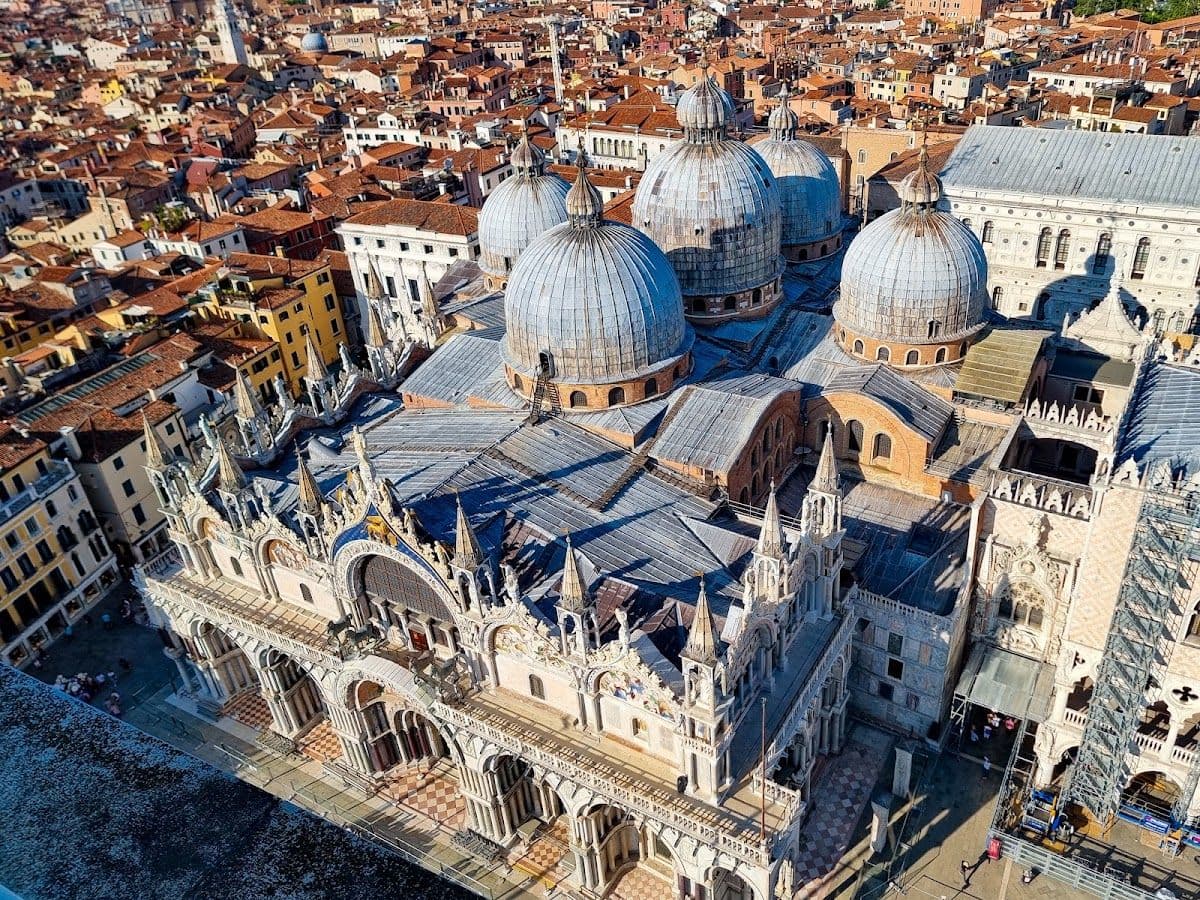
St. Mark's Basilica: One of the finest examples of Byzantine architecture in the world. The interior mosaics covering over 8,000 square metres of ceiling are extraordinary. Skip the standard queue with St. Mark's Basilica Guided Tour with Skip-The-Line Access and get context from a guide who can explain what you are actually looking at.
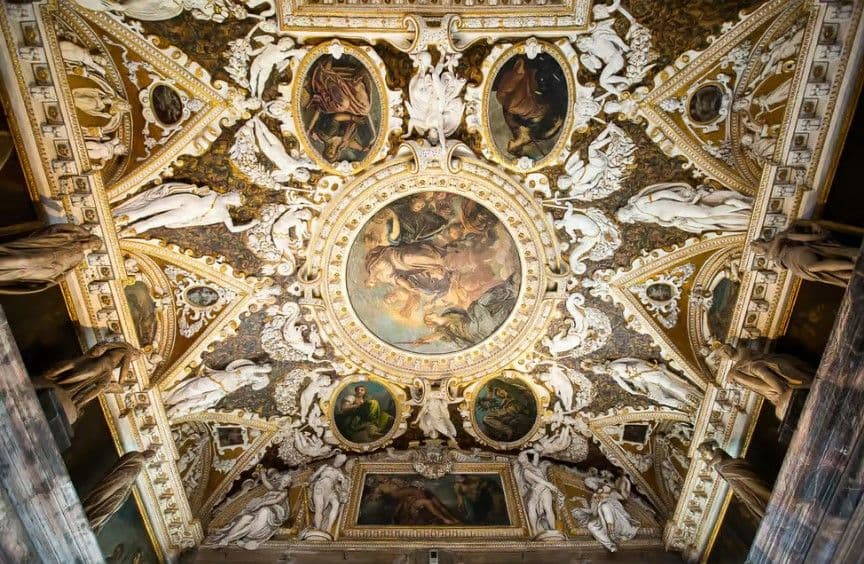
Doge's Palace: The former seat of Venetian political power for nearly a thousand years. The scale of the interior, from the council chambers to the prison cells, is genuinely impressive. The Doge's Palace Skip-The-Line Tour is worth booking in advance, particularly between April and October when lines can be two hours long.
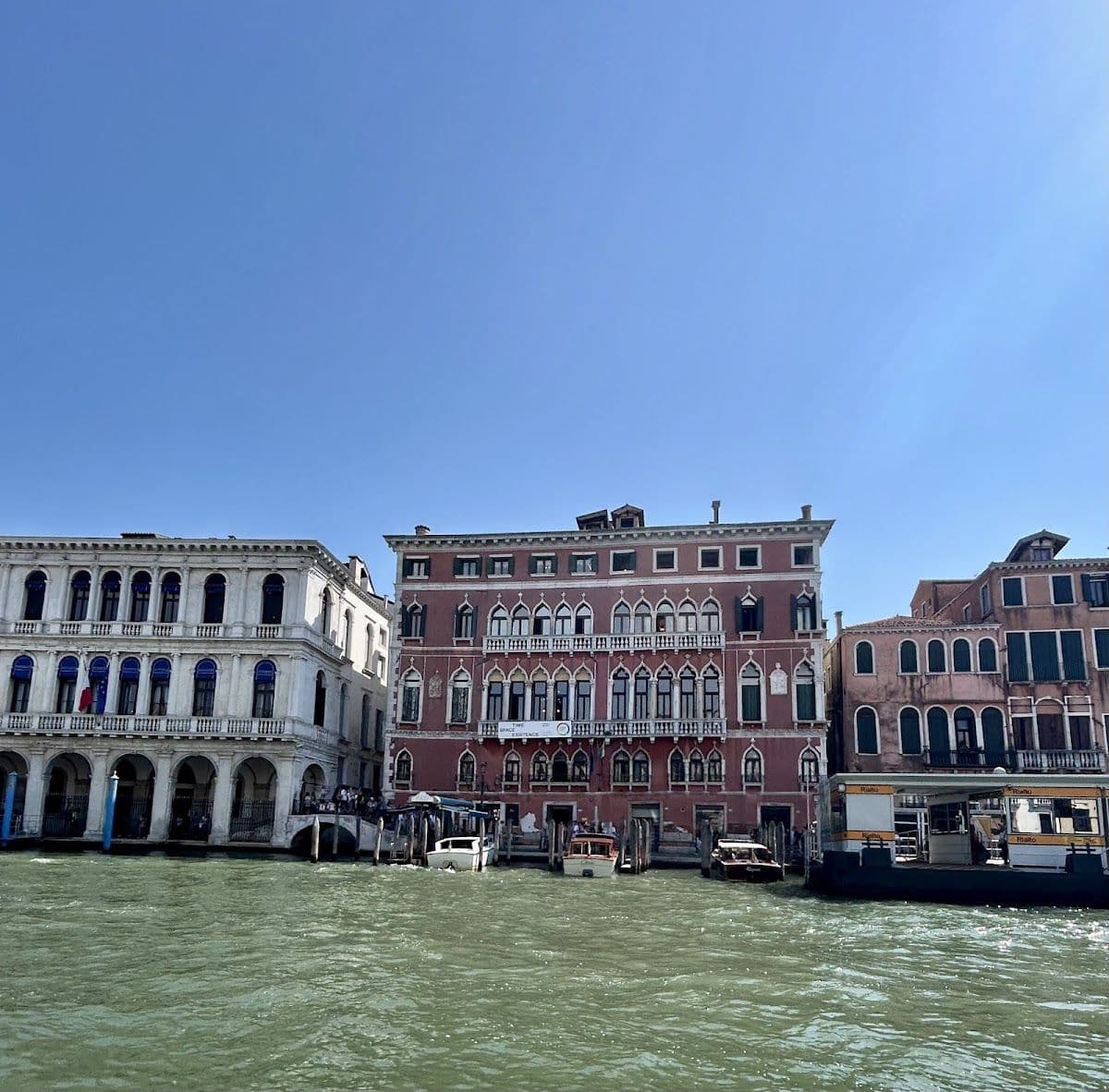
The Grand Canal: The main waterway through the city is best experienced by boat. The Venice: Grand Canal Boat Tour covers the full length of the canal in one hour, with commentary on the palaces and churches lining the banks.
Murano and Burano: Both islands are accessible by vaporetto. Murano is famous for its glassblowing tradition, and you can watch artisans work in several of the workshops. Burano is known for its brightly painted houses and lace-making. Both make for a half-day excursion.
Accademia Galleries: The finest collection of Venetian painting in existence, spanning the 14th to 18th centuries. Considerably less crowded than the main landmarks and worth at least two hours.
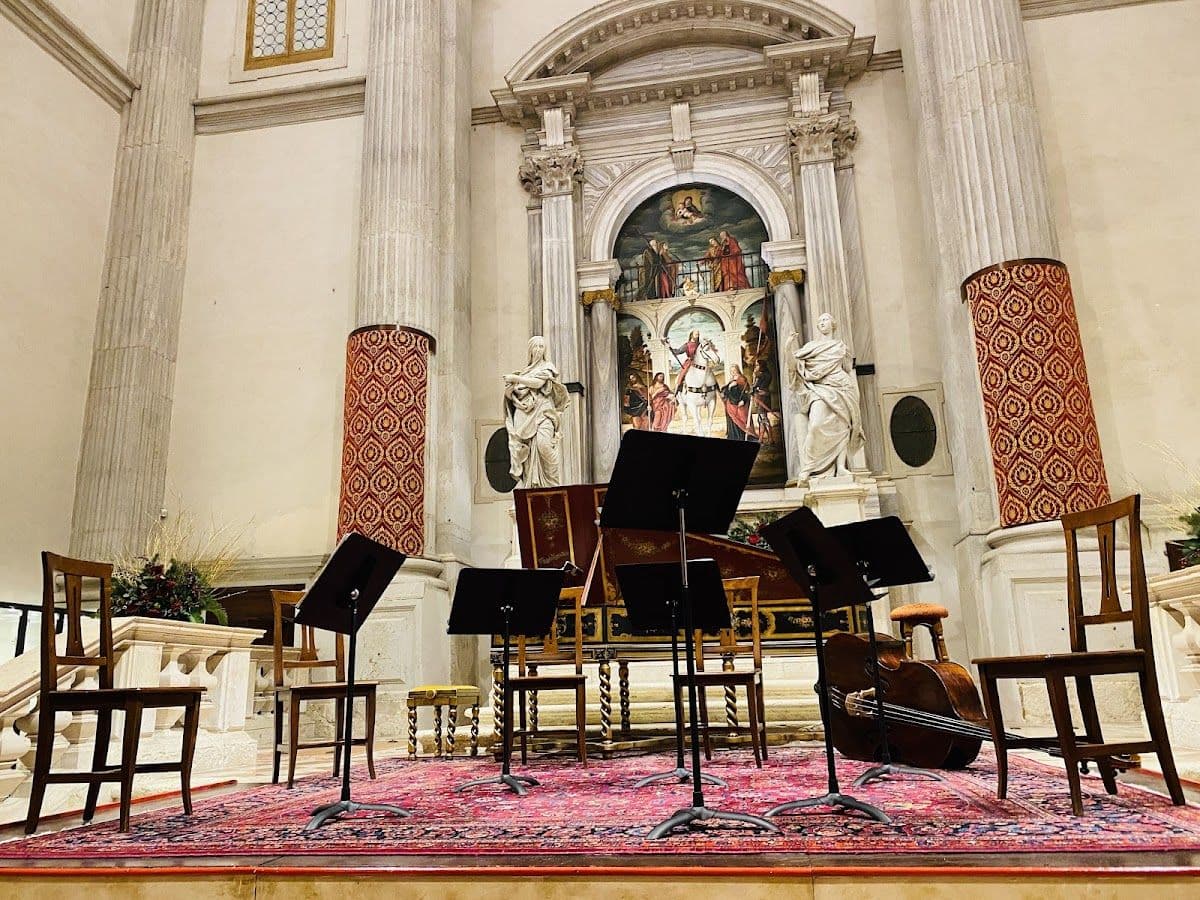
Evening concert: The Venice: Classical Concert by Interpreti Veneziani takes place in the Church of San Vidal and is one of the best ways to spend an evening. The ensemble specialises in Vivaldi, who was born in Venice, and the acoustics in the church are remarkable.
---
Where to Eat and Drink
Venetian food is distinct from the rest of Italian cuisine. Seafood dominates: sarde in saor (sweet and sour sardines), baccalà mantecato (whipped salted cod), risotto al nero di seppia (squid ink risotto), and fritto misto (mixed fried seafood) are all worth trying.
Cicchetti: The Venetian equivalent of tapas. Small portions of bread topped with fish, meat, or vegetables, served at bacari (wine bars) for 1 to 2 euros each. Head to the Cannaregio neighbourhood around the Strada Nova or the Rialto Market area for the best selection. Pair them with an ombra, a small glass of local wine.
Where to avoid: Restaurants immediately surrounding St. Mark's Square are almost universally overpriced and mediocre. Walk five minutes in any direction and the quality improves dramatically.
Cooking class: For a deeper connection to the food, the Authentic Cooking Class with a Venetian Local is led by local chef Lorenzo and covers traditional Venetian recipes with a market visit included.
Wine: The Veneto region produces some of Italy's best wines, including Amarone, Valpolicella, and Soave. A Wine Tasting in Venice paired with cicchetti is an excellent way to spend an afternoon.
---
Budget Expectations
Venice is an expensive city by Italian standards. Here is a rough breakdown:
- Budget traveller: 80 to 120 euros per day (hostel or budget hotel, cicchetti for meals, vaporetto travel card)
- Mid-range: 150 to 250 euros per day (3-star hotel, sit-down meals, a few paid attractions)
- Luxury: 400 euros and above per day (historic palazzo hotels, fine dining, private tours)
Accommodation is the biggest variable. Prices in Dorsoduro and Cannaregio run 20 to 40 percent lower than equivalent rooms in San Marco.
---
Insider Tips
1. The Rialto Market at opening time: The Rialto fish and vegetable market opens at 7:30am and closes by noon. Arriving early gives you access to one of the most authentic scenes in the city, with local restaurant buyers selecting the day's produce. Most tourists arrive after 10am. The difference is significant.
2. Take the traghetto: At several points along the Grand Canal, a gondola ferry service (the traghetto) crosses from one bank to the other for just 2 euros. Locals use it daily. It is the cheapest gondola experience available and gives you a genuine sense of how the city functions rather than a tourist circuit.
3. The church circuit: Venice has over 100 churches, many containing significant artworks that receive almost no visitors. The Chorus Pass (12 euros) grants entry to 16 of them, including Santa Maria Gloriosa dei Frari and San Zaccaria. You will find Tintorettos, Bellinis, and Titians in near-empty rooms. It is one of the best-value art experiences in Europe.
---
Final Thoughts
Venice rewards visitors who slow down. The instinct is to cover everything quickly, but the city reveals itself gradually, in the details of a carved doorway, a quiet campo at dusk, or a conversation with a gondolier. Build in at least three nights if you can, and resist the urge to spend every hour at a landmark. Some of the best time you will spend here will be unplanned.
Book skip-the-line tickets for the major attractions before you arrive, get a vaporetto travel card on your first day, and spend at least one evening away from the San Marco area. That combination alone puts you ahead of most visitors.