One Day in Tokyo: The Perfect Itinerary
By Matt Cuckston, Founder & Travel Technology Expert at TixLayer
One day is never quite enough, but Tokyo has a way of rewarding even the shortest visits. Whether you are passing through on a layover or squeezing in a quick stop before heading elsewhere in Japan, this things to do in Tokyo guide will help you see, eat, and experience the city without burning out before sunset. The key is focus. Pick a thread, follow it, and let the city do the rest.
This itinerary is designed for a single traveler or a small group moving at a comfortable pace. It covers three distinct neighborhoods, two major landmarks, and several excellent meals. No sprinting between train stations. No 6 a.m. alarms required.
---
Morning (8:00 a.m. to 12:00 p.m.): Tsukiji and Asakusa
8:00 a.m. - Breakfast at Tsukiji Outer Market
Start your morning at one of Tokyo's most iconic food destinations. The Tsukiji Outer Market is no longer the site of the famous tuna auctions (those moved to Toyosu), but the outer stalls remain very much alive and open for business. Vendors sell fresh tamagoyaki (sweet rolled omelette), grilled scallops, sushi, and skewered seafood from early morning onward.
Grab a few things and eat as you walk. This is not a sit-down experience. It is a casual, sensory introduction to how Tokyo approaches food: seriously, skillfully, and without fuss.
If you want a more structured experience, the Tsukiji Outer Market Tour is a guided option that takes you through the stalls with context and commentary, which is especially useful if it is your first time navigating the market.
9:30 a.m. - Travel to Asakusa
From Tsukiji, take the Tokyo Metro Hibiya Line to Asakusa. The journey takes around 20 minutes. This is one of the older, more traditional parts of the city, centered around Senso-ji, Tokyo's oldest temple.
10:00 a.m. - Senso-ji Temple and Nakamise Street
Senso-ji is best visited in the morning before the crowds thicken. Walk through the Kaminarimon Gate, browse the souvenir stalls along Nakamise Street, and make your way into the temple grounds. It is worth pausing at the large incense burner near the main hall. Visitors wave the smoke toward themselves, a gesture said to bring good health.
The surrounding streets of Asakusa are worth a slow wander. There are small craft shops, old-school coffee houses, and quiet side lanes that feel several decades removed from the rest of the city.
For a genuinely memorable way to see the area, consider booking an Edo/Asakusa/Skytree Rickshaw Tour. A rickshaw ride through Asakusa is a comfortable and unhurried way to cover more ground while your guide explains the history of the neighborhood. It also includes views of the Tokyo Skytree, which you will be visiting shortly.
---
Afternoon (12:00 p.m. to 5:30 p.m.): Skytree and Shinjuku Gyoen
12:00 p.m. - Lunch near Asakusa
Before heading to the Skytree, stop for lunch in Asakusa. The area has a strong selection of traditional Japanese restaurants. Look for a tempura or soba restaurant along the backstreets. Expect to spend around 1,000 to 1,500 yen for a solid, filling meal. Avoid the tourist-facing spots directly on Nakamise and you will eat better for less.
1:00 p.m. - Tokyo Skytree Observation Deck
The Tokyo Skytree is a short walk or quick taxi ride from Asakusa. At 634 meters, it is the tallest structure in Japan, and the observation decks offer clear views across the entire metropolitan area on a good day.
Book your tickets in advance through the Tokyo Skytree Observation Deck listing to avoid queuing at the entrance. There are two decks: the Tembo Deck at 350 meters and the Tembo Galleria at 450 meters. If visibility is good, you may even catch a distant view of Mount Fuji to the west.
Allow about 90 minutes here, including time to browse the Solamachi shopping complex at the base of the tower.
3:00 p.m. - Travel to Shinjuku
Take the Toei Asakusa Line or Tobu Skytree Line toward Shinjuku. With a transfer, the journey takes around 30 to 40 minutes. Use the time to rest and plan your evening.
3:45 p.m. - Shinjuku Gyoen National Garden
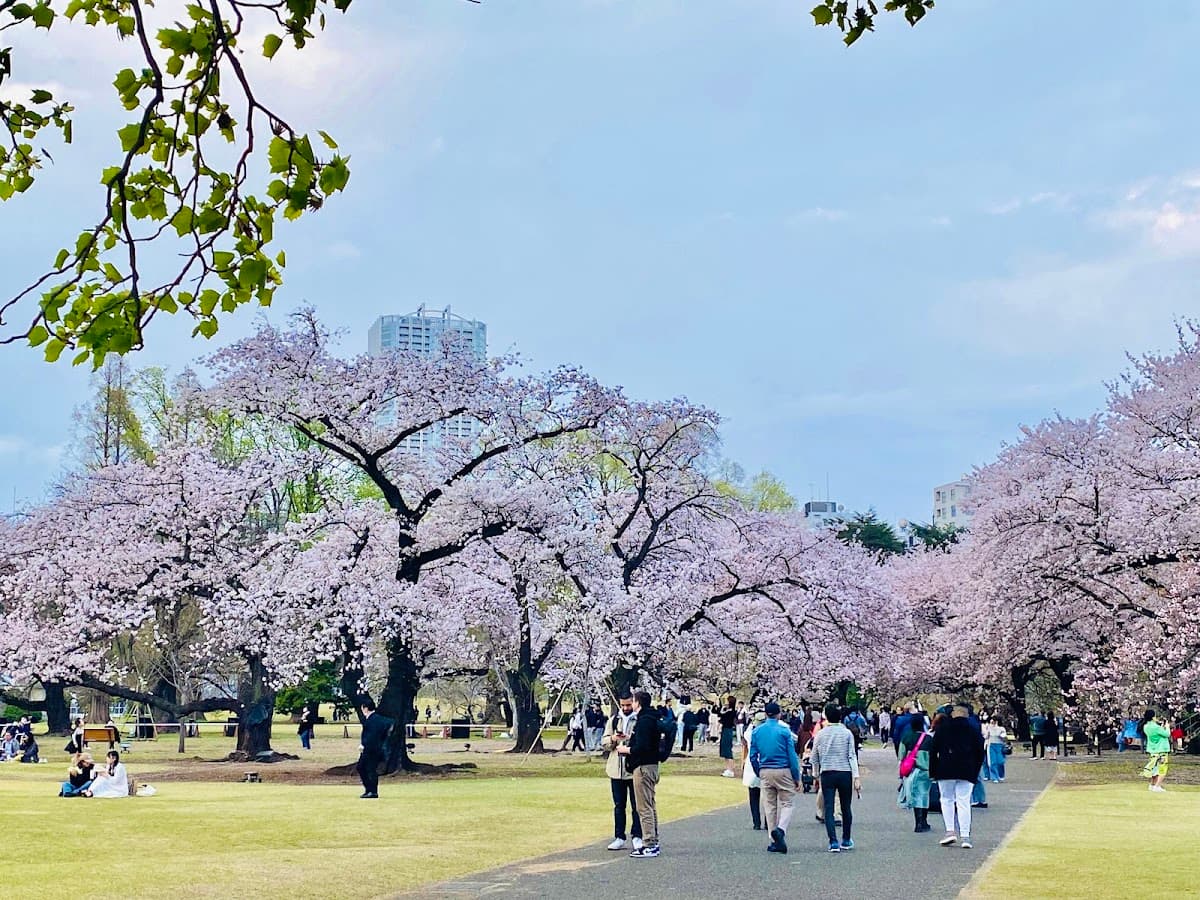
Shinjuku Gyoen is one of the largest and most carefully maintained parks in Japan. It covers 58 hectares and blends French formal, English landscape, and Japanese traditional garden styles across its grounds. It is the kind of place that earns its reputation quietly.
Entry is affordable and the pace inside is a welcome contrast to the energy of central Shinjuku just outside the gates. Spend an hour walking the paths, sitting by the ponds, or simply doing nothing in particular.
Tickets are available through TixLayer: Shinjuku Gyoen National Garden.
The garden closes at 4:30 p.m. (last entry at 4:00 p.m.), so time your arrival accordingly.
---
Evening (5:30 p.m. onwards): Shinjuku
5:30 p.m. - Explore Shinjuku
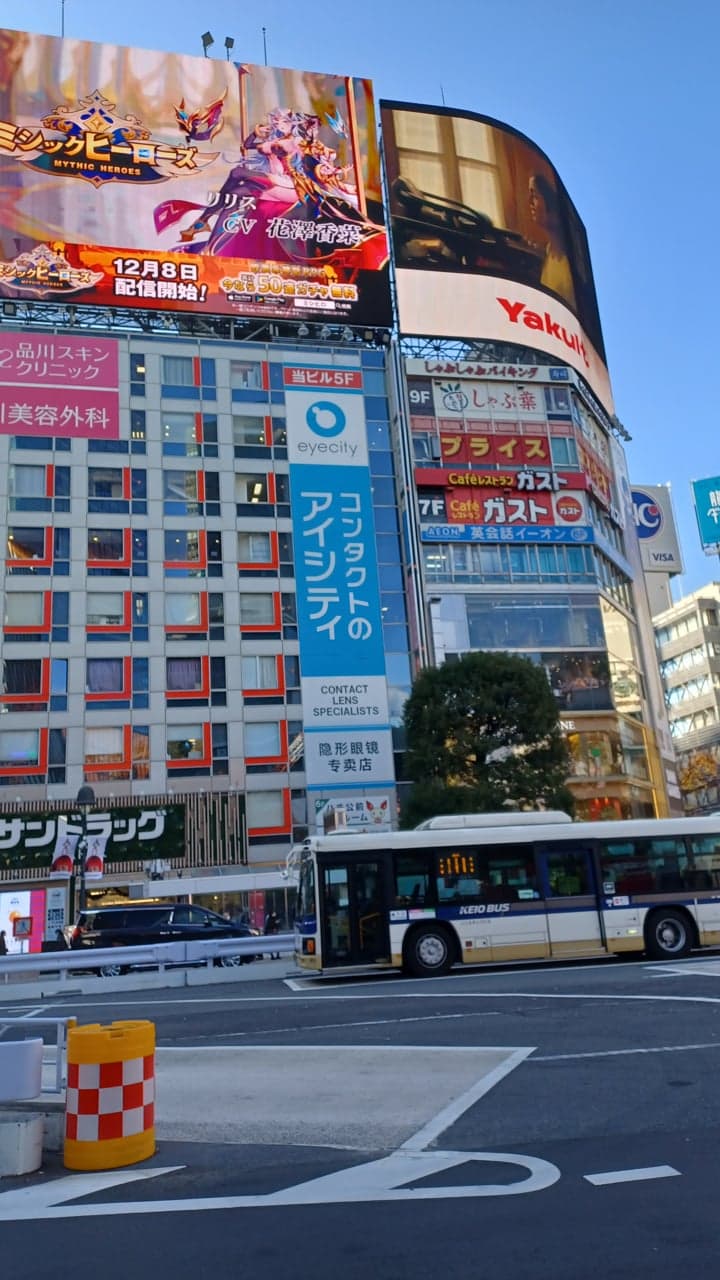
Once the garden closes, you are already in one of Tokyo's most layered neighborhoods. Shinjuku covers a lot of ground. The east side has Kabukicho, the entertainment district, and the Memory Lane (Omoide Yokocho) alley near the station, filled with tiny yakitori stalls that have been operating for decades. The west side has department stores, electronics shops, and quieter residential pockets.
Wander without a fixed plan for an hour or so. This part of the evening works best when you let it unfold.
7:00 p.m. - Dinner in Shinjuku
For dinner, head to Omoide Yokocho (Memory Lane) for yakitori and cold beer at one of the narrow counter-seat restaurants. Seats fill up quickly, but turnover is fast. If you prefer something more substantial, the area around Shinjuku Station has izakayas on nearly every block, ranging from casual to surprisingly refined.
Alternatively, the Kabukicho area has ramen shops open late into the night if you want to end the evening with a bowl of something warming.
8:30 p.m. - Wind Down
If you have energy left, the observation lounge at the Tokyo Metropolitan Government Building in west Shinjuku offers free nighttime views of the city skyline. It is open until 10:30 p.m. and costs nothing to enter.
Then call it a night. One day in Tokyo moves fast. You covered a lot of ground.
---
Practical Tips
- Get a Suica or Pasmo IC card at the airport or any major station for seamless travel on trains and buses.
- Google Maps works reliably for transit directions across the city.
- Most restaurants accept cash only, so carry some yen.
- If your day falls on a Monday, note that Shinjuku Gyoen is closed.
Tokyo rewards curiosity. Even a single day leaves you with a clear sense of why so many travelers end up coming back.