
Iguassu Travel Guide: Plan Your Perfect Trip
By Matt Cuckston, Founder & Travel Technology Expert at TixLayer
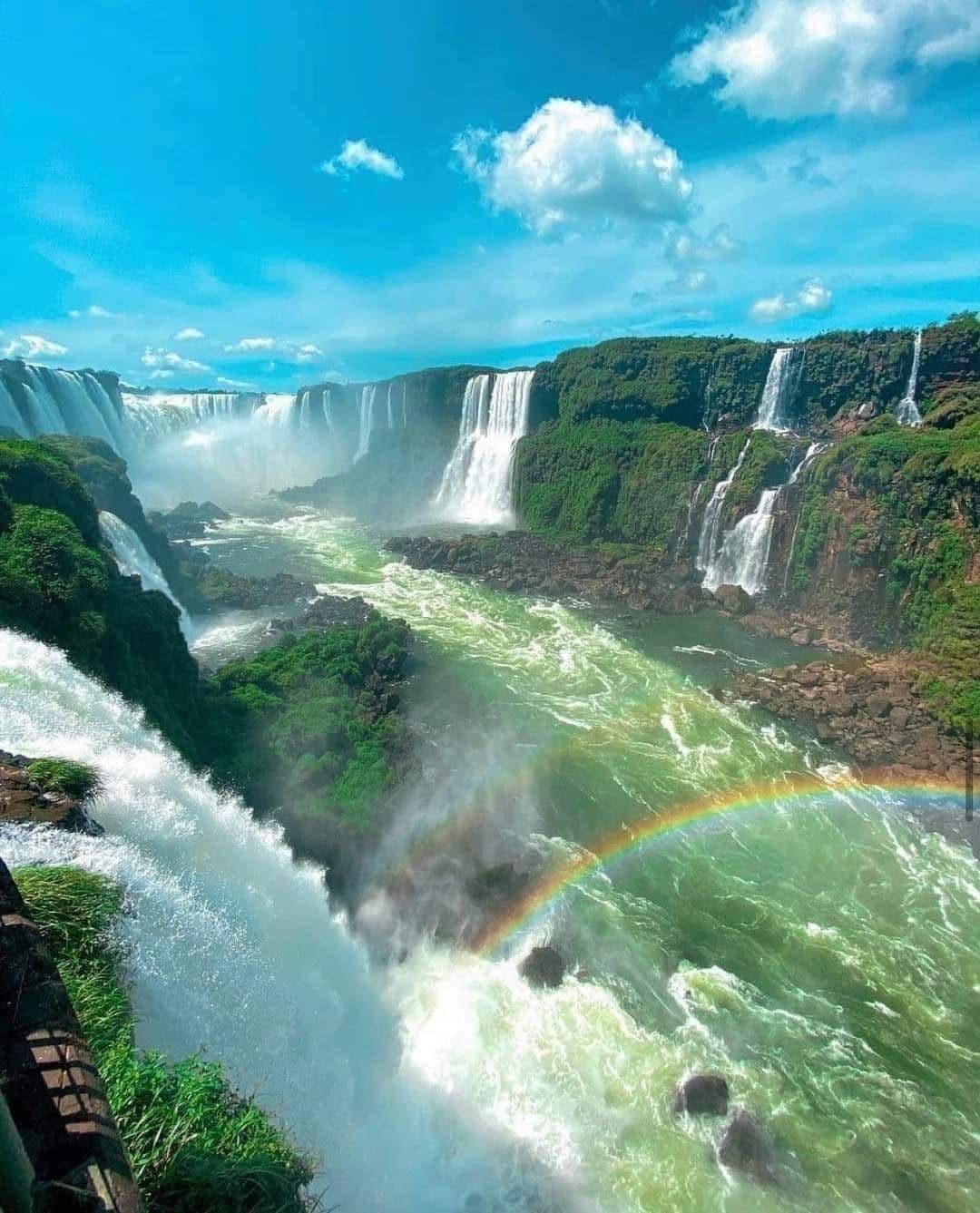
Few places in the world deliver on their reputation quite like Iguassu. The moment you step onto the viewing walkways and feel the mist rising from nearly 300 waterfalls crashing into the canyon below, you understand why this destination consistently leaves travellers speechless. But there is far more to this region than the falls alone. This Iguassu travel guide covers everything from getting here and getting around to where to eat, what to budget, and a few things most visitors never think to look into.
---
Getting to Iguassu
The main gateway is Foz do Iguaçu International Airport (IGU), which receives direct flights from São Paulo, Rio de Janeiro, and several other Brazilian cities. Flight times from São Paulo are around one hour and forty minutes, making it a realistic long weekend destination from anywhere in Brazil. International travellers typically connect through São Paulo's Guarulhos Airport.
Bus travel is another option if you are already in southern Brazil or neighbouring countries. Long-distance coaches from Curitiba take around ten hours and are comfortable and affordable, with reclining seats and onboard service. Buses also connect Foz do Iguaçu directly to Buenos Aires and Asunción for travellers doing a broader South America circuit.
---
Getting Around
Once you are in Foz do Iguaçu, getting around is straightforward. Taxis and ride-hailing apps like 99 and Uber operate throughout the city and are the easiest way to reach the national park entrance. Local buses run regularly and are very cheap, though routes can be confusing if you do not speak Portuguese.
Renting a car is worth considering if you plan to cross into Argentina independently, but note that not all rental agreements cover cross-border travel. Always check before you book. For most visitors, a combination of guided tours and ride-hailing apps is the most practical approach and removes the stress of navigating border crossings alone.
---
Best Neighbourhoods to Stay In
Centro (City Centre): The most affordable area, with a wide range of hotels, hostels, and local restaurants. It is a practical base that puts you close to transport links and the city's everyday life.
Avenida das Cataratas Corridor: The road that runs from the city to the national park entrance is lined with mid-range and upmarket hotels. Staying here cuts down on travel time to the falls and puts you next to the Bird Park and other attractions.
Hotel das Cataratas Area: For those who want to wake up inside the national park itself, the Belmond Hotel das Cataratas is the only accommodation within the park boundaries. It is expensive but allows you to visit the falls before and after the day crowds arrive.
---
When to Visit Iguassu
The falls are impressive year-round, but timing your visit does make a difference.
March to May is widely considered the best window. Rainfall from the wet season has filled the rivers, so water volume is at its peak. Temperatures are warm but not punishing, and crowds are smaller than during the school holiday periods.
August to October offers dry, clear skies and comfortable temperatures. The falls carry less water during this period, but the visibility is excellent and the paths are less slippery.
December to February is high season. Brazilian school holidays and international summer travel push prices up and crowds swell considerably. The heat and humidity are also at their most intense.
June and July bring cooler temperatures and school holiday crowds in Brazil. It is not the worst time to visit, but book accommodation well in advance.
Avoid visiting immediately after very heavy regional rainfall if you plan to do boat excursions or walk the lower trails, as some areas close temporarily for safety reasons.
---
What to See and Do
The falls are the obvious starting point. Seeing them from both sides of the border gives you a genuinely different perspective, and the Iguassu Falls Full-Day Tour covering both the Brazilian and Argentinian Sides is the most efficient way to do this without the hassle of organising border crossings yourself. The Brazilian side offers the sweeping panoramic view, while the Argentinian side puts you directly on walkways above and beside the falls.
If you prefer a dedicated deep-dive into Argentina's network of trails and catwalks, the Iguassu Falls Argentina side guided excursion gives you more time to explore the upper and lower circuits at a relaxed pace.
For a completely different experience, the Itaipu Hydroelectric Dam Panoramic Tour is one of the most underrated things to do in the region. Itaipu is one of the largest operational hydroelectric dams in the world and the engineering scale of it is genuinely staggering. There is also an evening version, the Itaipu Dam Lights evening guided tour, where the dam is illuminated after dark in a way that makes for memorable photography.
The Bird Park guided tour with transportation sits just outside the national park entrance and houses toucans, macaws, and harpy eagles in large walk-through aviaries. It is particularly good for families and takes around two to three hours.
For something lighter, the Landmark of the Three Frontiers Sunset Guided Tour takes you to the point where Brazil, Argentina, and Paraguay meet at the confluence of two rivers. It is a low-key but genuinely interesting experience, especially at golden hour.
---
Where to Eat
Foz do Iguaçu has a diverse food scene shaped by its position at the intersection of three countries and waves of immigration from Lebanon, China, and across South America.
Bufalo Branco is the most recommended churrascaria in the city. It operates on the traditional rodízio model where servers bring different cuts of grilled meat to your table continuously. Go hungry.
Zaragoza is a long-running Spanish and seafood restaurant popular with locals and worth booking ahead for dinner.
Capitão Arab serves Middle Eastern food that reflects the city's significant Lebanese community. The grilled meats and mezze are excellent value.
For a special evening, the Dinner Show at Rafain combines a buffet dinner with a theatrical performance of Latin American music and dance from across the continent. It is a tourist experience, but it is a well-produced one and makes for a memorable final night.
---
Budget Expectations
Iguassu sits in the mid-range category for Brazilian destinations. The falls themselves require a national park entrance fee, which is set by the park authority and changes periodically, so check current rates before you go.
Budget travellers can get by on around USD 50 to 70 per day including a hostel bed, local meals, and public transport. Mid-range travellers spending on a comfortable hotel, guided tours, and restaurant dinners should expect USD 120 to 180 per day. The falls experience itself, especially with add-ons like helicopter flights or boat safaris, can push costs higher quickly.
Shopping in Paraguay is one way to offset costs. Ciudad del Este, just across the border, is one of the largest duty-free shopping zones in the world. The Paraguay Shopping Tour takes you there with a guide who knows the layout and can help you navigate what to buy and what to avoid.
---
Insider Tips
Arrive at the park gates before opening. The Brazilian national park opens early, and the first thirty minutes before tour groups arrive offer a dramatically quieter experience on the main walkway. If you are staying along the Avenida das Cataratas corridor, a taxi at dawn costs very little.
The Argentinian side requires more time than most people allow. Many visitors treat it as a half-day add-on, but the full circuit of trails takes four to five hours to do properly. The Devil's Throat walkway closes periodically due to high water, so check conditions in advance.
Look up during the falls walk. Almost every visitor focuses on the water below, but the canyon walls above the walkways are covered in swifts nesting in the rock face. Thousands of them fly through the spray continuously and it is one of those small details that sticks with you long after the photos fade.
---
Final Word
Iguassu rewards travellers who go beyond the main walkway. Between the dam, the bird park, the border markets, and the cultural tours of the city itself, there is enough here to fill four or five days comfortably. Plan your time, book key activities in advance during peak months, and give yourself at least one early morning at the falls. You will not regret it.