New York met een beperkt budget: Hoe je het beste ziet zonder te veel uit te geven
Door Matt Cuckston, oprichter & reistechnologie-expert bij TixLayer
New York heeft een reputatie die zelfs doorgewinterde reizigers nerveus kan maken voordat ze hun banksaldo controleren. Het voelt alsof de stad is ontworpen om je zakken op elke hoek te legen. Maar dit is de waarheid: met een beetje planning variëren de activiteiten in New York in prijs, en veel van de beste ervaringen kosten helemaal niets. Deze gids is bedoeld om je te helpen minder uit te geven en meer te zien.
Begin met gratis: de beste kosteloze ervaringen in de stad
Sommige van de meest gedenkwaardige dingen die je in New York kunt doen, vereisen helemaal geen toegangsprijs.
Central Park is het logische startpunt. Meer dan 840 hectare groen ligt midden in Manhattan en je kunt hier een hele dag doorbrengen zonder een dollar uit te geven. Wandel over de paden, bezoek de Bethesda Fountain, bekijk straatartiesten bij Sheep Meadow of zit simpelweg bij het reservoir. Als je dieper in de bezienswaardigheden en geschiedenis van het park wilt duiken, is een begeleide fietstocht door Central Park een zinvolle investering waarmee je de kosten laag houdt terwijl je meer terrein kunt verkennen.
The High Line is een voormalige verhoogde spoorlijn die is veranderd in een openbaar park aan de westkant van Manhattan. Het uitzicht, de kunstinstallaties en de architectuur eronder maken het een van de interessantste wandelingen in de stad, en het is volledig gratis.
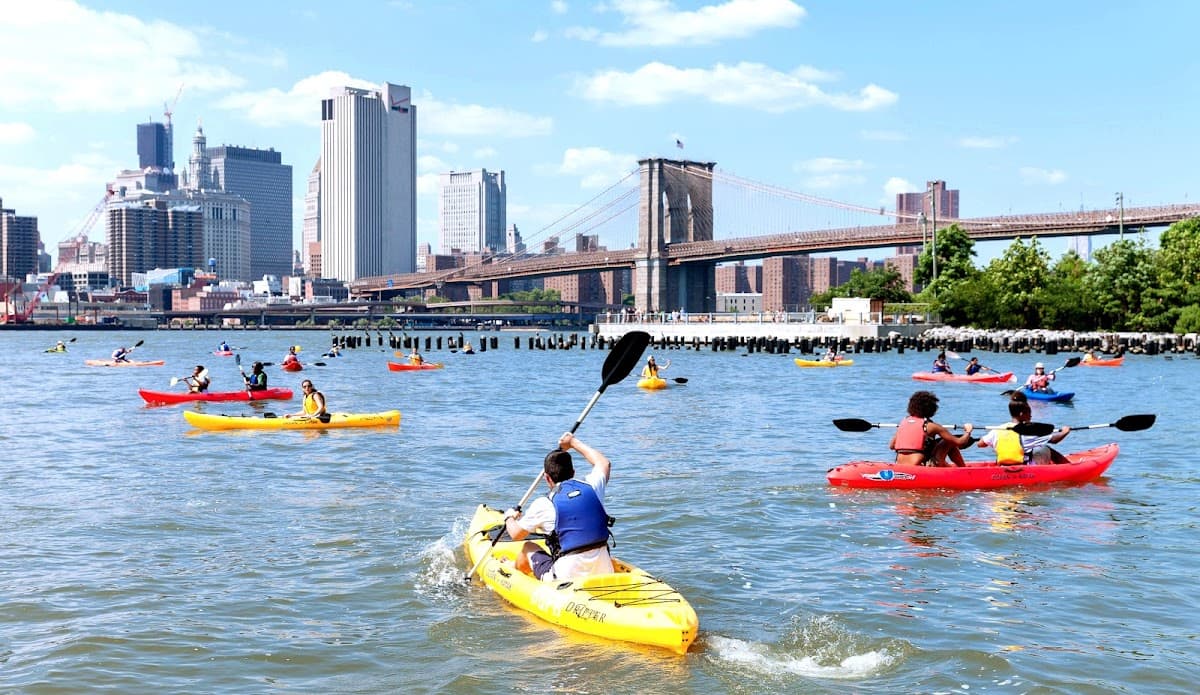
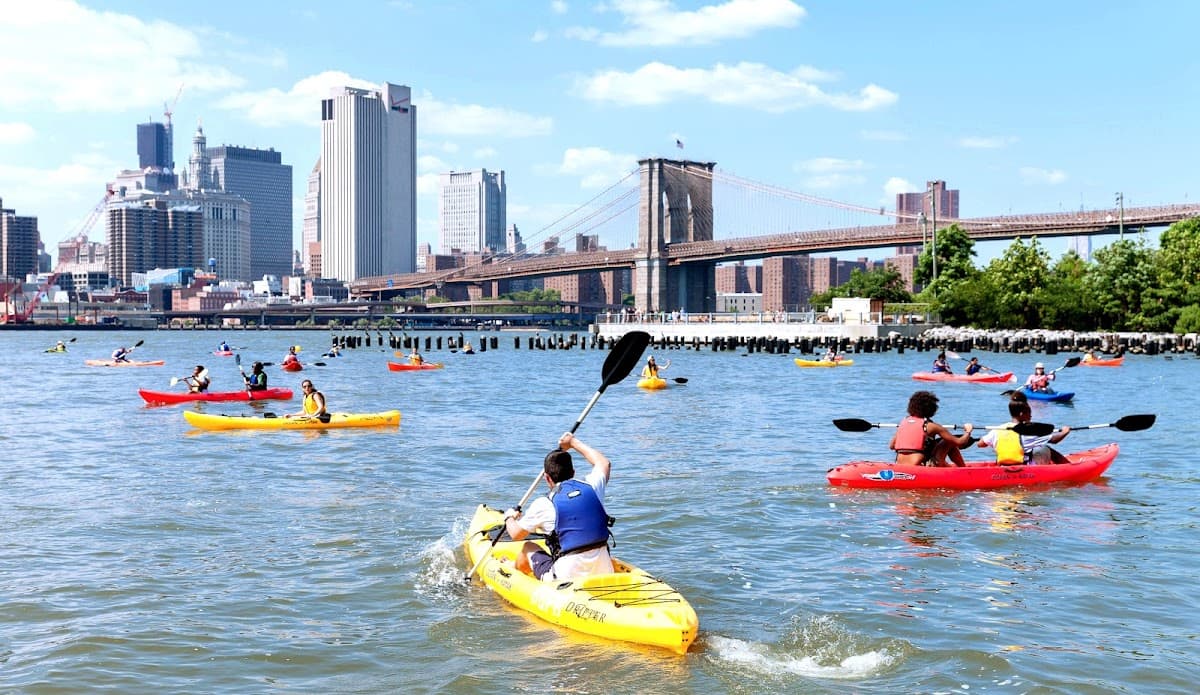
Brooklyn Bridge is een andere gratis ervaring die een aantal van de meest iconische uitzichten biedt die je zult vinden. Loop van Manhattan naar Brooklyn en je zult begrijpen waarom mensen duizenden kilometers reizen, alleen al hiervoor.
De Staten Island Ferry vaart 24 uur per dag, zeven dagen per week, en het kost niets. Je vaart direct langs het Vrijheidsbeeld en krijgt panoramische uitzichten op de skyline van Lower Manhattan. Het is een van de beste gratis ritten in welke stad dan ook ter wereld.
Musea: weet wanneer je gratis naar binnen kunt
Musea in New York kunnen duur zijn, maar de meeste hebben gratis periodes of 'pay-what-you-wish'-momenten als je weet wanneer je moet gaan.
Het Metropolitan Museum of Art hanteert een 'pay-what-you-wish'-beleid voor inwoners van de staat New York en studenten uit New York en New Jersey. Voor alle anderen geldt een standaard toegangsprijs, maar de collectie is zo uitgebreid dat het de kosten gemakkelijk rechtvaardigt. Als je het meeste uit je bezoek wilt halen, betekent een skip-the-line rondleiding in het Metropolitan Museum of Art minder tijd in de rij staan en meer tijd om daadwerkelijk van de kunst te genieten.
Het Museum of Modern Art (MoMA) is elke vrijdagavond van 17:30 tot 21:00 uur gratis, dankzij een bedrijfssponsoring. Kom op tijd, want de rij wordt snel langer.
Het American Museum of Natural History, het Brooklyn Museum en de New York Public Library hebben allemaal opties voor gratis toegang of voorgestelde donatiemodellen die de moeite waard zijn om te bekijken voordat je op bezoek gaat.
Waar uitgeven en waar besparen
Niet elke betaalde attractie is de prijs waard en niet elke uitgave is een fout. De sleutel is om erover na te denken.
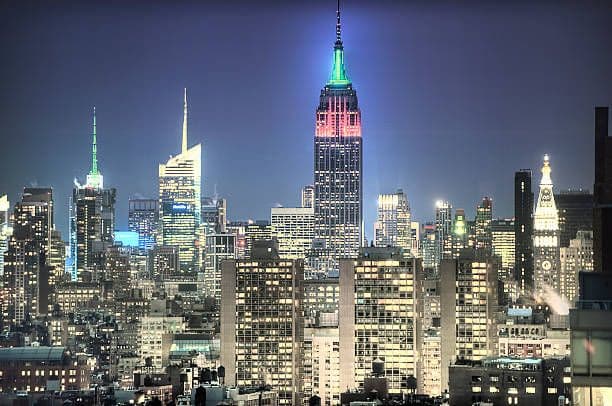
Bespaar op: Observatiedekken als je er meer dan één bezoekt. Tickets vooraf kopen via platforms zoals TixLayer levert je vaak betere tarieven op en je vermijdt de lange wachtrijen. De Empire State Building General Admission: Main Deck geeft je iconische uitzichten vanaf de 86e verdieping van New York tegen een toegankelijker tarief in vergelijking met premiumpakketten.
Geef uit aan: Ervaringen die werkelijk uniek zijn en niet kunnen worden gekopieerd. Het NYC: 9/11 Memorial & Museum is zo'n bezoek dat je bijblijft lang nadat je bent vertrokken. De toegangsprijs ondersteunt het behoud van een belangrijk stuk geschiedenis en het is elke cent waard.
Vergelijk voor uitzichten op de skyline je opties. Top of The Rock bij Rockefeller Center is een sterke kanshebber omdat je, in tegenstelling tot het dek van het Empire State Building zelf, het Empire State Building daadwerkelijk in je uitzicht hebt. Het is een klein onderscheid dat visueel een groot verschil maakt.
Goed eten zonder te veel uit te geven
Eten in New York hoeft geen budgetramp te zijn.
Dollar pizza slices zijn een waar instituut. Een standaard stuk kaas-pizza van een pizzeria zonder poespas kost je in de meeste wijken tussen de één en twee dollar. Het is snel, vullend en vaak beter dan waar je elders vijf keer zoveel voor zou betalen.
Chinatown in Manhattan en Flushing in Queens zijn de plekken waar je naartoe gaat voor goedkope, uitstekende maaltijden. Dumplings, noedels, geroosterd vlees en congee zijn allemaal beschikbaar voor ruim onder de tien dollar per portie.
Delicatessenzaken en bodegas zijn overal en bieden broodjes, wraps en warm eten aan tegen prijzen die de lokale kosten van levensonderhoud weerspiegelen in plaats van de toeristische toeslag.
Streetfoodkarren bij parken en drukke kruispunten verkopen halal kip met rijst, pretzels en hotdogs. De beroemde halal-karren, met name de originele op 53rd en 6th, bieden een volledige maaltijd voor ongeveer acht tot tien dollar.
Vermijd restaurants direct aan Times Square. De kwaliteit van het eten is zelden in verhouding tot de prijs en je betaalt vooral voor de locatie.
Reizen zonder te veel uit te geven
Transport is een van de makkelijkste gebieden om je uitgaven in New York onder controle te houden.
De metro is je beste vriend. Een enkele rit kost $2.90, en een onbeperkte wekelijkse MetroCard is aanzienlijk goedkoper als je je veel verplaatst over meerdere dagen. De metro rijdt de hele nacht, wat betekent dat je zelden een taxi of ritdienst nodig hebt na een avondje uit.
Wandelen is in Manhattan echt praktisch. Veel grote attracties liggen dichter bij elkaar dan ze op een kaart lijken. De afstand van Times Square naar de zuidelijke ingang van Central Park is bijvoorbeeld ongeveer een wandeling van vijftien minuten.
Vermijd taxi's en ritdiensten tijdens de spits, tenzij absoluut noodzakelijk. Dynamische prijzen tijdens de spitsuren of na grote evenementen kunnen een korte rit verrassend duur maken.
Praktische geldtips voor New York
- Boek tickets voor betaalde attracties vooraf. Last-minute aankopen aan de deur zijn bijna altijd duurder en je verliest tijd door in de rij te staan.
- Neem een herbruikbare waterfles mee. Kraanwater in New York is volkomen veilig om te drinken en op grote schaal beschikbaar in parken en bij openbare drinkfonteinen.
- Controleer of je accommodatie ontbijt aanbiedt. Zelfs een basis continentaal ontbijt bespaart je tien tot vijftien dollar per persoon per dag.
- Bezoek Times Square 's avonds wanneer de energie op zijn hoogtepunt is, maar eet voordat je aankomt. Restaurants in dat gebied vragen een toeslag voor de sfeer.
- Gebruik Google Maps om OV-opties te bekijken voordat je ervan uitgaat dat je een taxi nodig hebt. De metro of een bus is bijna altijd sneller en goedkoper.
- Veel Broadway-shows brengen afgeprijsde tickets voor dezelfde dag uit via de TKTS-balie op Times Square. Je kunt tot 50 procent besparen op stoelen die anders buiten je budget zouden vallen.
Laatste gedachten
New York beloont reizigers die een beetje huiswerk doen voordat ze aankomen. Het gratis aanbod van de stad is van wereldklasse, de eetcultuur heeft opties voor elk budget en het transportsysteem is een van de meest toegankelijke in het land zodra je het doorhebt. Geef uit waar het telt, bespaar waar het niet uitmaakt, en je zult vertrekken met herinneringen die niets te maken hebben met hoeveel je hebt uitgegeven.