Los Angeles Travel Guide: Plan Your Perfect Trip
By Matt Cuckston, Founder & Travel Technology Expert at TixLayer
Few cities in the world carry as much cultural weight as Los Angeles. It's a place that has shaped global entertainment, food culture, architecture, and art for over a century, yet it still manages to surprise first-time visitors with how much it defies expectations. If you're searching for things to do in Los Angeles, you'll quickly realise the challenge isn't finding activities, it's narrowing them down. This guide is designed to help you do exactly that.
Getting to Los Angeles
Los Angeles International Airport (LAX) is the primary gateway for international and domestic travellers. It's one of the busiest airports in the world, so build extra time into your arrival plans. The FlyAway bus connects LAX directly to Union Station downtown and several other locations for around $9.75, making it a solid budget option. Rideshares (Uber and Lyft) are widely used but can surge during peak hours. Taxis are available but generally more expensive.
Burbank Airport (BUR) and Long Beach Airport (LGB) are smaller alternatives worth considering if your flight options allow. They're significantly less chaotic than LAX and often closer to popular neighbourhoods like Hollywood or Pasadena.
Amtrak's Pacific Surfliner runs along the coast connecting LA to San Diego and Santa Barbara, which is useful if you're planning a broader California itinerary.
Getting Around the City
This is where many visitors underestimate Los Angeles. The city covers over 500 square miles, and while the Metro rail system has improved considerably in recent years, a car is still the most practical option for covering ground efficiently. Renting a car gives you flexibility, but factor in parking costs ($20 to $40 per day in many areas) and the reality of rush-hour traffic on the 405 or 101.
The Metro's B Line (Red Line) connects downtown to Hollywood and is genuinely useful. The E Line (Expo Line) reaches Santa Monica from downtown. For beach areas, cycling is a strong option, particularly along the Marvin Braude Bike Trail that runs from Santa Monica to Redondo Beach.
For a more memorable way to take in the city, the Classic Convertible Car Tour of Los Angeles lets you cruise through iconic neighbourhoods in a vintage convertible with a knowledgeable guide, available in 4, 6, or 8-hour formats.
Best Neighbourhoods to Explore
Hollywood and West Hollywood are the obvious starting points for first-timers. The Walk of Fame, Grauman's Chinese Theatre, and the Sunset Strip are all here. It's touristy in places, but there's genuine energy and plenty of good restaurants mixed in.
Silver Lake and Los Feliz sit east of Hollywood and offer a more relaxed, locally-oriented atmosphere. Independent coffee shops, bookstores, and some of the city's best taco spots line these streets.
Venice and Santa Monica are where beach culture meets creativity. Abbot Kinney Boulevard in Venice has excellent independent shops and restaurants, while Santa Monica Pier and the Third Street Promenade are perennial draws.
Koreatown is one of the most underrated areas in the city. The food scene here, from Korean BBQ to late-night spots, is exceptional, and it's centrally located for getting around.
Downtown LA (DTLA) has undergone significant development over the past decade. Grand Central Market, the Broad museum, and the Arts District all make it worth a full day of exploration.
When to Visit
The honest answer is that Los Angeles is generally pleasant year-round, but the best months are March through May and September through November. Spring brings mild temperatures, lower hotel rates than summer, and manageable crowds. Autumn offers warm days without the peak summer heat and the infamous marine layer that keeps coastal areas overcast through June and July (locals call it "June Gloom").
Summer (June to August) is the busiest and most expensive period. Hotel rates spike, theme park queues stretch considerably, and the coast can be foggy in the mornings. If you're visiting in summer, book accommodation well in advance.
December through February is the quietest period. Prices drop, crowds thin, and while temperatures are cooler (averaging 65°F / 18°C), it rarely gets cold. Rain is most likely between December and March, though it's still far less than most major cities.
Avoid visiting during major award season events (late January through March) if you're budget-conscious, as hotel prices in Hollywood and West Hollywood can increase sharply.
What to See and Do
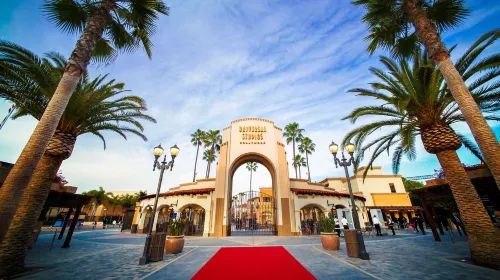
The studio tours are among the most genuinely interesting experiences in the city. The Warner Bros. Studio Tour Hollywood takes you through working backlots and sets, offering a real look at how film and television production operates rather than a theme park version of it.
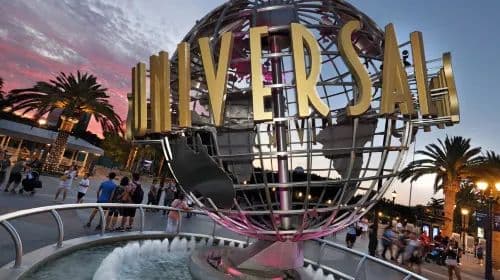
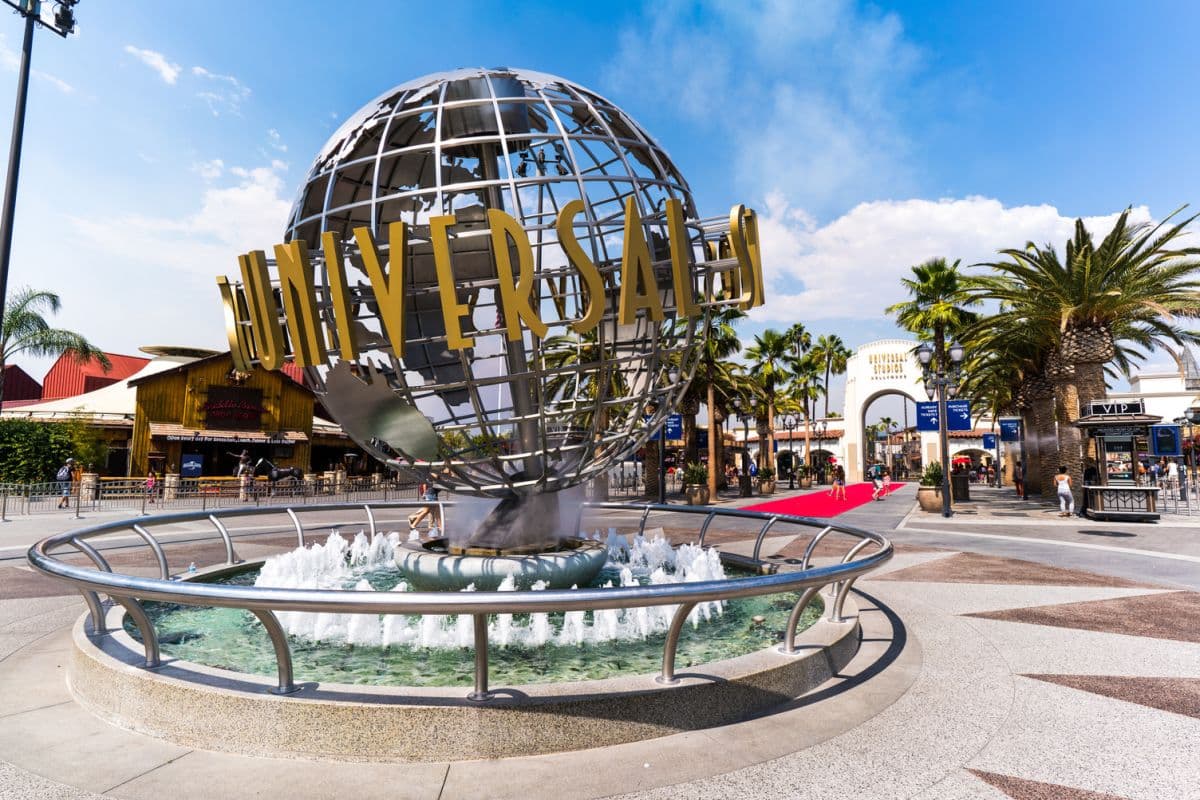
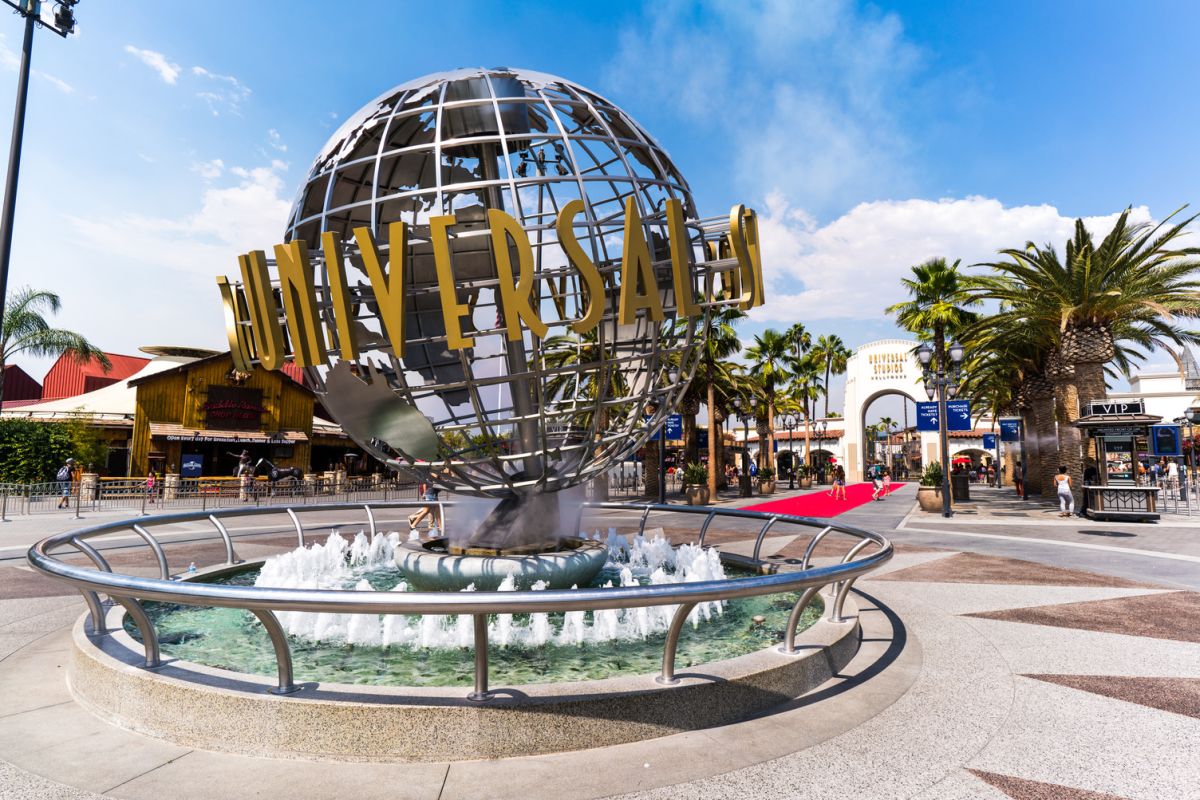
For families or anyone who wants a full theme park day, Universal Studios Hollywood delivers with major rides and immersive worlds based on franchises like Harry Potter and Jurassic Park.
The La Brea Tar Pits Museum sits in the middle of Hancock Park and is one of the most unusual natural history sites in any major city. Active excavations of Ice Age fossils are still ongoing, and the museum does an excellent job of contextualising what's been found here over the decades.
For views, the Griffith Observatory Open-top Sunset Tour is one of the best ways to experience the observatory and the surrounding hills as the city lights up below you.
If you want to cover a lot of ground efficiently, the Go City: Los Angeles All-Inclusive Pass provides access to over 40 attractions and can offer real savings for visitors planning a packed itinerary.
Where to Eat
Los Angeles has one of the most diverse food scenes in the United States, and much of the best eating happens away from tourist corridors.
Grand Central Market in downtown is a reliable starting point, with vendors covering everything from Guatemalan food to Japanese-style egg sandwiches. Mariscos Jalisco in Boyle Heights serves tacos dorados de camaron that are worth going out of your way for. Langer's Delicatessen near MacArthur Park has been serving pastrami on rye since 1947 and remains one of the city's great institutions.
For a splurge, Providence in Hollywood and n/naka in Palms represent the top of LA's fine dining scene. Reservations for both need to be made weeks or months ahead.
Koreatown's late-night dining options are unmatched in the city. Spots like Park's BBQ and Hanjip stay open late and are consistently excellent.
Budget Expectations
Los Angeles sits firmly in the expensive category. Budget travellers can manage on $100 to $150 per day if they use public transit, eat at taquerias and markets, and stay in hostels or budget hotels in areas like Koreatown or Mid-City. A mid-range trip with a rental car, mid-tier hotels, and a mix of dining out will run $250 to $400 per day. Luxury travel here has no ceiling.
Parking, attraction tickets, and dining add up faster than most visitors anticipate. Using a pass like the Go City Explorer Pass can help manage costs if you're planning to visit multiple paid attractions.
Insider Tips
The Self-Realization Fellowship Lake Shrine in Pacific Palisades is a genuinely peaceful garden and meditation space open to the public. It sits between Santa Monica and Malibu and offers a quiet counterpoint to the pace of the city. Most visitors drive straight past it.
Griffith Park's lesser-known trails offer better views than the main paths to the Hollywood Sign and far fewer people. The trail from the Vermont Canyon entrance through Fern Dell is one of the most pleasant walks in the city and almost entirely off the radar for tourists.
Eat on the east side of any restaurant row. In LA, west-facing restaurant patios are often unusable in the afternoon due to direct sun and heat. East-facing or interior seating is almost always more comfortable for lunch, particularly in summer.
Final Thoughts
Planning a trip to Los Angeles takes more preparation than most cities simply because of its scale. Having a rough sense of which neighbourhoods you want to prioritise each day will save you significant time and frustration. The city rewards those who approach it with some structure while leaving room for the unexpected turns that make any great trip memorable.