Dublin Travel Guide: Plan Your Perfect Trip
By Matt Cuckston, Founder & Travel Technology Expert at TixLayer
Dublin is one of Europe's most rewarding short-break destinations, and yet it's easy to get wrong if you only follow the well-worn tourist trail. This Dublin travel guide covers everything from transport and neighbourhoods to food, drink, and the things to do in Dublin that are actually worth your time. Whether you have two days or two weeks, planning ahead makes a real difference.
---
Getting to Dublin
Dublin Airport (DUB) is the main entry point for international visitors and is well connected to most major European cities, as well as direct transatlantic routes from the US and Canada. Ryanair, Aer Lingus, and a range of other carriers operate frequently, and fares from London can be remarkably cheap if booked in advance.
From the airport, the Airlink Express bus (routes 747 and 757) runs directly into the city centre and costs around €7-10. It's reliable, frequent, and drops you at key central stops. Taxis are available but will cost €25-40 depending on traffic. The Dart rail network does not serve the airport directly, so the bus is your best bet unless you're hiring a car.
If you're arriving by ferry from the UK, Irish Ferries and Stena Line both operate routes into Dublin Port, with connections from Holyhead taking around three hours on the fast ferry.
---
Getting Around the City

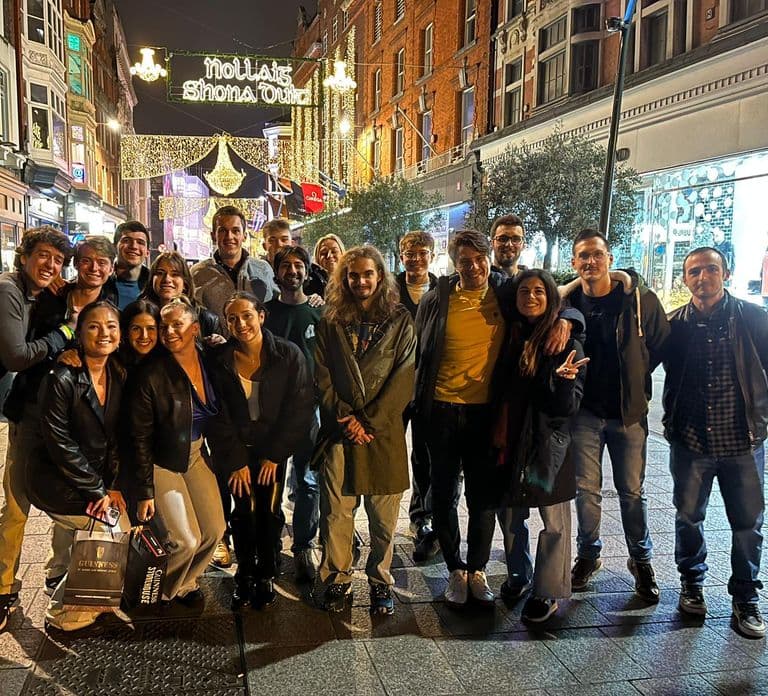
Dublin's city centre is compact and genuinely walkable. Most of the major sights sit within a 20-30 minute walk of each other, which makes exploring on foot the easiest option for first-time visitors. A guided walking tour of the city centre is a smart way to get oriented on your first day, giving you context that makes the rest of your trip more meaningful.
For covering more ground, the Luas tram system is clean, punctual, and easy to use. The red and green lines cross the city and connect key areas including Heuston Station, Jervis, and St Stephen's Green. Dublin Bus covers a wider network but can be slower due to traffic.
If you want something more active, a guided bike and e-bike tour is a fantastic way to see the city at a comfortable pace while getting off the main tourist drag. For a more flexible sightseeing option, the hop-on hop-off bus tour offers 24 or 48-hour tickets that let you move between attractions without worrying about routes.
The Leap Card is the city's reloadable travel card and works across bus, Luas, and Dart services. It's significantly cheaper than paying cash fares and is worth picking up at any newsagent or at the airport on arrival.
---
Best Neighbourhoods to Stay In
City Centre (North and South of the Liffey): Staying central puts you within walking distance of almost everything. The south side around St Stephen's Green and Grafton Street has more upmarket hotels and restaurants. The north side around O'Connell Street and Parnell Square is slightly more affordable and has seen considerable regeneration in recent years.
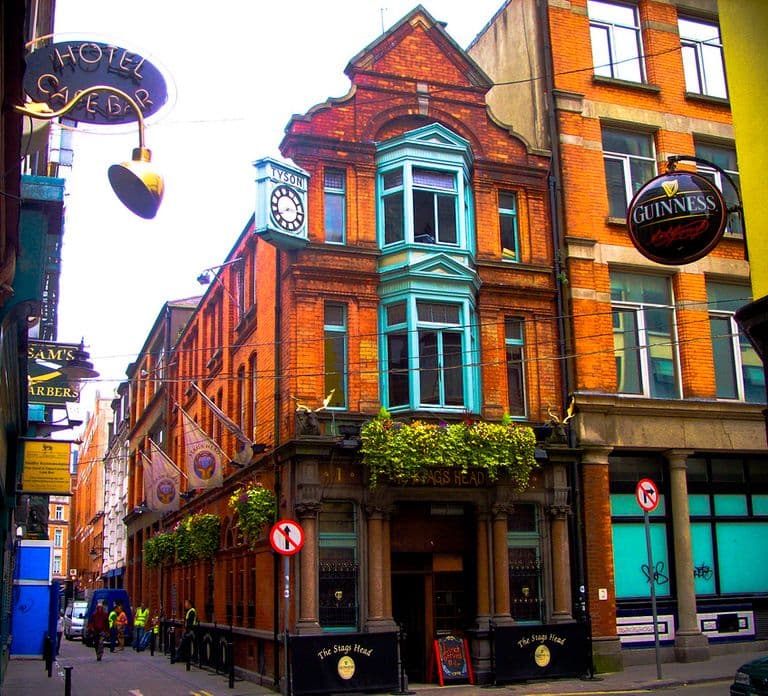
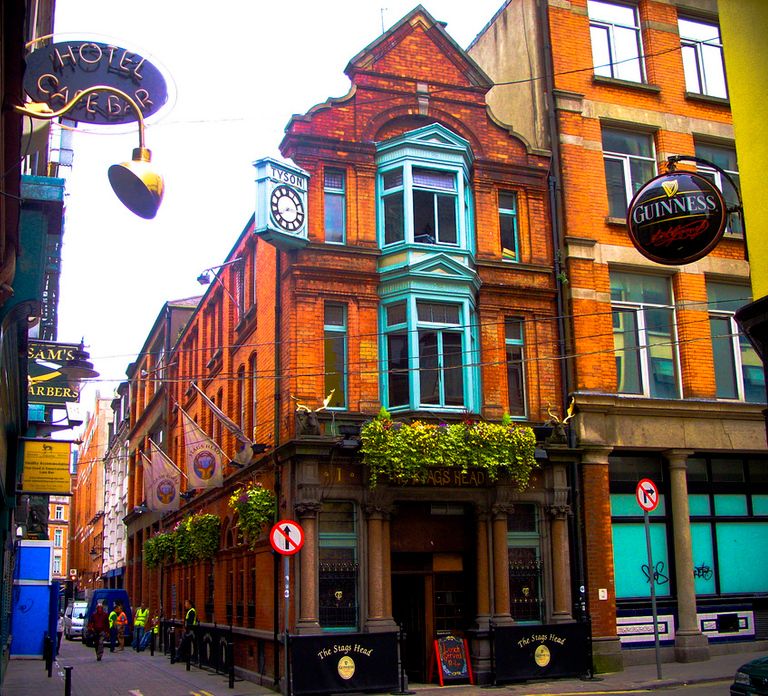
Temple Bar: Convenient and atmospheric, but noisy at weekends. Good for a night or two if you want to be in the thick of things, but not ideal for a relaxing stay. The Temple Bar night tour is worth doing even if you don't stay here.
Portobello and Rathmines: South of the Grand Canal, these areas are popular with locals and offer a more residential feel. Good independent cafes, restaurants, and easy Luas access make them a solid alternative to staying right in the centre.
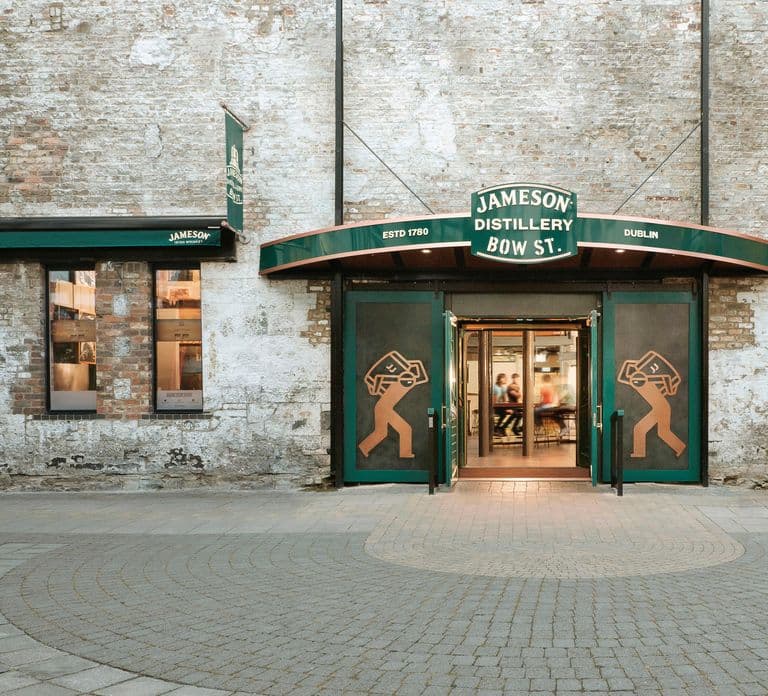
Smithfield: On the north side, Smithfield has become one of the more interesting areas in the city. It's home to the Jameson Distillery and has a good mix of bars, coffee shops, and accommodation at slightly lower prices than the south side.
---
When to Visit
The honest answer is that there's no bad time to visit Dublin, but there are smarter times.
May and June are arguably the best months. Days are long, the weather is at its most reliably dry, and the city hasn't yet hit peak summer crowds. Temperatures sit around 15-18°C, which is about as warm as Dublin gets.
September and October are also excellent. Summer crowds have thinned, accommodation prices drop, and the city has a pleasant autumnal energy. Literary and cultural events tend to cluster in this period too.
March brings St Patrick's Festival, which is genuinely worth experiencing once. The city fills up quickly though, and accommodation prices spike significantly. Book months in advance if you're planning to visit during festival week.
December has a festive atmosphere and Christmas markets, but expect rain and short days. It's a popular time for city breaks from the UK.
July and August are the busiest and most expensive months. The weather is no more guaranteed than the rest of the year, and popular attractions can feel overcrowded. If you visit in summer, book everything well in advance.
---
What to See and Do
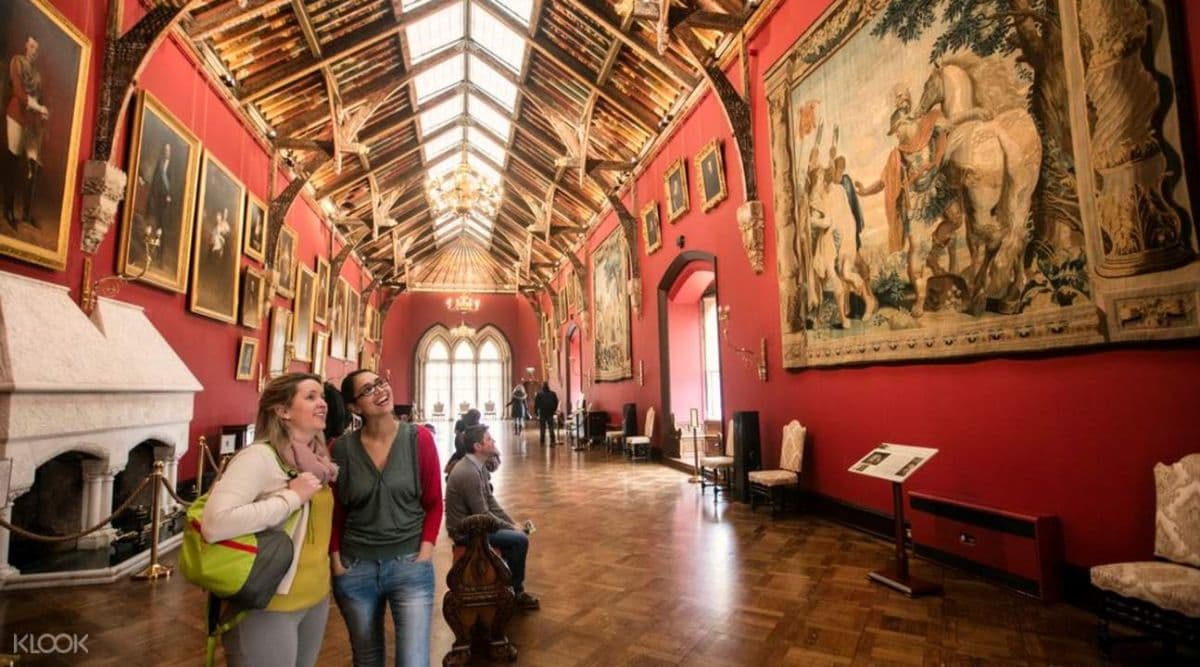
The big-ticket attractions are worth your time. Trinity College and the Book of Kells, St Patrick's Cathedral, and the National Museum of Ireland are all genuinely impressive and, in many cases, free.
For a deeper look at the cathedral, the St Patrick's Cathedral VIP behind-the-scenes tour offers access and insight that the standard entrance doesn't provide. Similarly, Christ Church Cathedral's self-guided tour is one of the better-value experiences in the city.
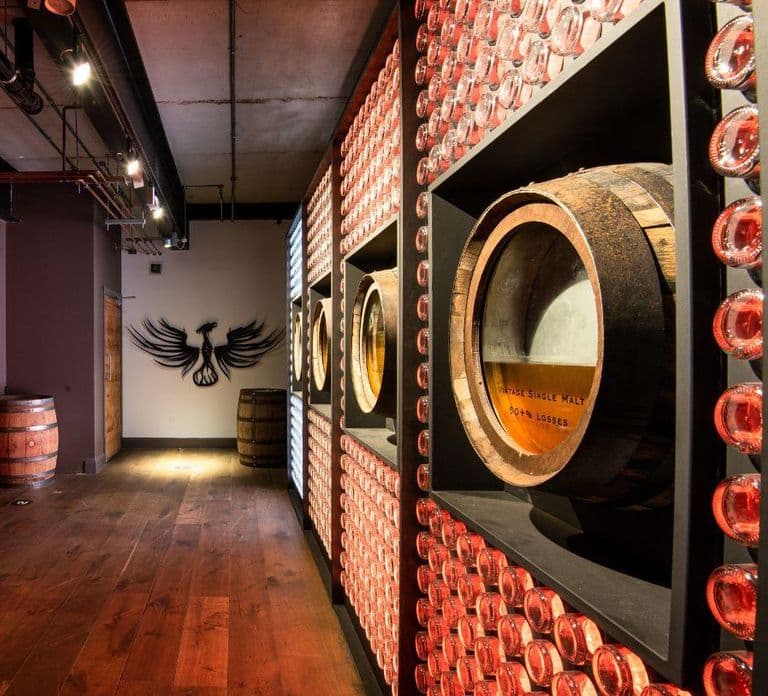
For whiskey lovers, the options have expanded well beyond the obvious. The Jameson Distillery guided tour with tasting remains a classic, but the Teeling Whiskey Distillery tour and tasting offers a more contemporary craft distillery experience that many visitors prefer. If you want to go further, the Jameson Whiskey Blending Class is a hands-on session where you create your own blend.
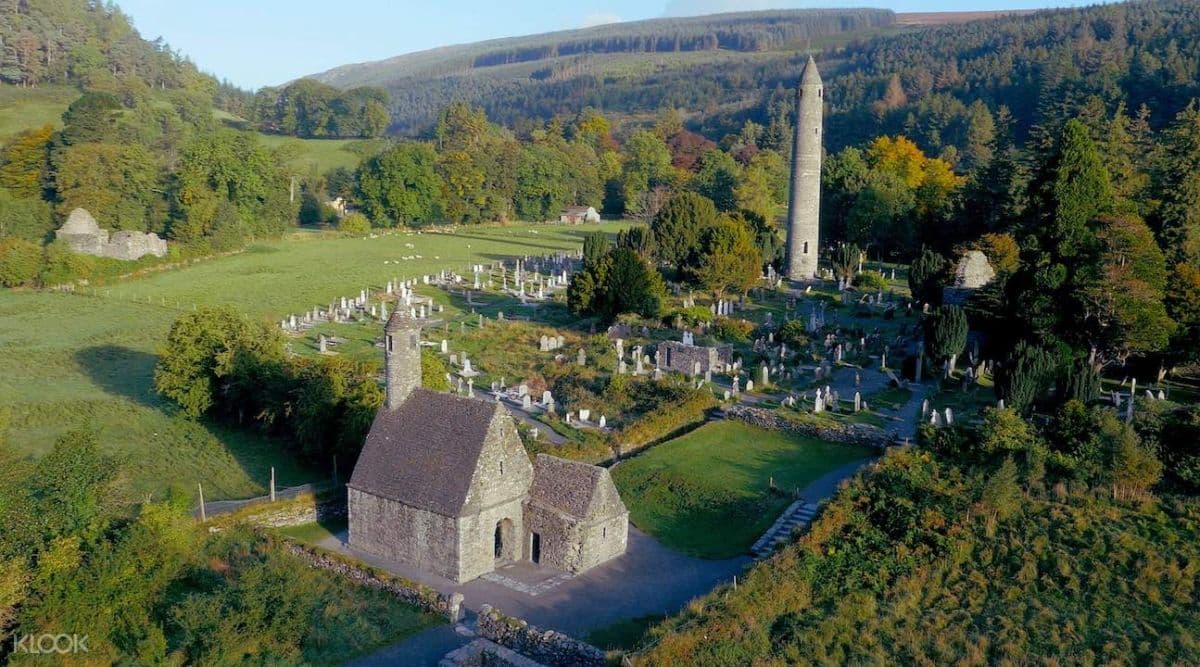
For a day outside the city, the Wicklow Mountains are less than an hour away and offer a dramatic contrast to urban life. The Wicklow Mountains and Glendalough tour from Dublin is an efficient way to see the ancient monastic site at Glendalough without needing to hire a car.
In the evenings, the Music and Dance Show at The Irish House Party is one of the more genuine traditional entertainment experiences available in the city, avoiding the overly commercial feel of some tourist-facing shows.
---
Where to Eat
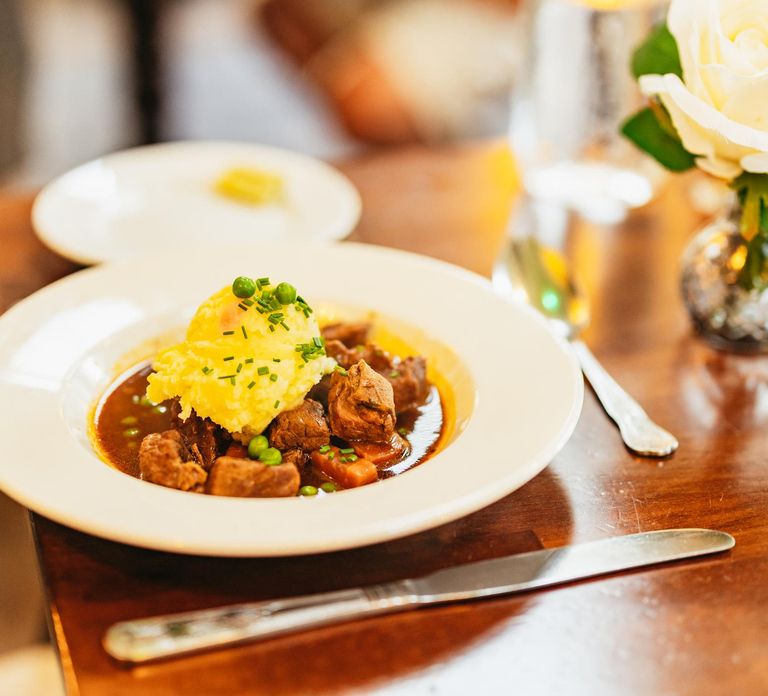
Dublin's food scene has improved dramatically over the past decade. The area around Rathmines, Ranelagh, and South William Street has a concentration of independent restaurants worth seeking out.
For breakfast, local cafes consistently outperform hotel offerings. Look for spots away from the main tourist streets where prices are lower and quality is often higher.
For a proper Irish lunch, traditional spots serving coddle, chowder, or a full Irish still exist but you have to look past the places with laminated menus near the main sights. The Liberties and Portobello neighbourhoods are reliable for this.
Dublin is not a cheap city for dining out. Expect to pay €15-25 for a main course at a mid-range restaurant. Budget travellers will do well with the city's excellent bakeries, markets like Honest2Goodness in Glasnevin, and the many lunch-focused spots that offer better value than dinner service.
---
Budget Expectations
Dublin sits firmly in the expensive category by European standards. Accommodation in a central mid-range hotel typically runs €150-250 per night. Budget hostels are available from around €30-50 per dorm bed.
Pints in central pubs average €6-7. Meals at sit-down restaurants will comfortably cost €40-60 per person with drinks. Entry to paid attractions ranges from €8 to €25.
That said, a significant portion of Dublin's best experiences are free. The National Gallery, the Natural History Museum, and most of the city's parks and public spaces cost nothing. Walking is free. Street music is free. The city is generous to those who explore it on foot.
---
Insider Tips
Visit the Chester Beatty Library on a Sunday. It's free, it's extraordinary, and it sits inside Dublin Castle. Most visitors walk straight past it. The collection of manuscripts, rare books, and objects from across the world is one of the finest in Europe and rarely has queues.
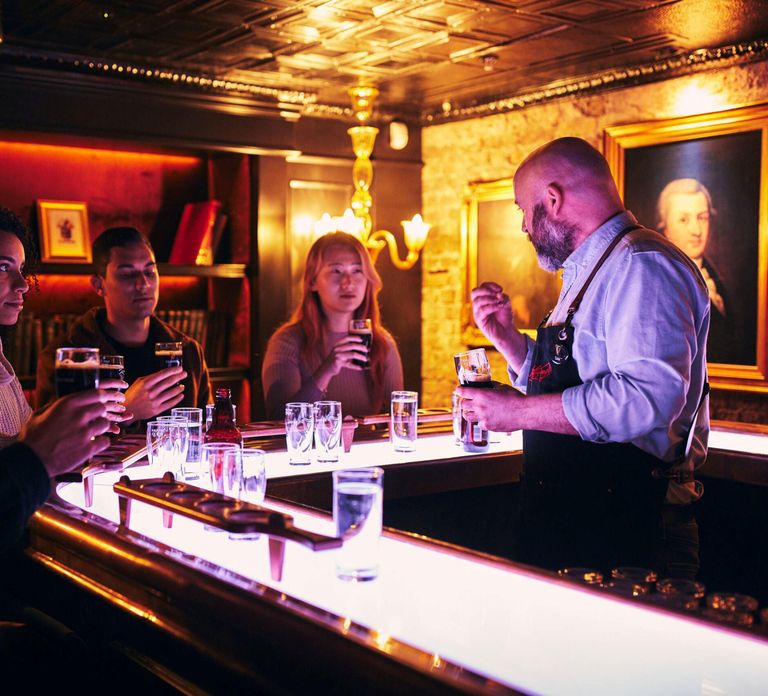
Avoid the Guinness Storehouse on weekend afternoons. The experience is worth having, but the crowds at peak times significantly reduce it. Go on a weekday morning when it opens, or book the Guinness Storehouse Connoisseur Experience which offers a more exclusive setting away from the main visitor flow.
Take the Dart south to Dún Laoghaire or Dalkey. The coastal rail line south of the city is one of the most scenic short train journeys in Ireland and costs only a few euro with a Leap Card. Both towns have excellent restaurants, coastal walks, and a very different pace to the city centre. It's a side of Dublin that most short-stay visitors never see.
---
Planning your Dublin trip? Browse all available tours and experiences on TixLayer and book with confidence.