Chicago Travel Guide: Plan Your Perfect Trip
By Matt Cuckston, Founder & Travel Technology Expert at TixLayer
Chicago sits on the southwestern shore of Lake Michigan and delivers an experience that few American cities can match. The skyline is extraordinary, the food scene is serious, the museums are world-class, and the neighbourhoods each carry their own distinct character. Whether you are planning a long weekend or a full week, this guide to things to do in Chicago will help you make the most of every day.
---
Getting There
Chicago is served by two major airports. O'Hare International Airport (ORD) is one of the busiest in the world and handles the majority of long-haul and international flights. Midway Airport (MDW) is smaller, closer to the city centre, and used primarily by budget carriers like Southwest.
From O'Hare, the Blue Line train runs directly into the Loop for around $5 and takes approximately 45 minutes. It runs 24 hours a day, which is rare for a major city and genuinely useful for late arrivals. From Midway, the Orange Line connects to the Loop in about 30 minutes for the same flat fare.
Taxis and rideshares are available at both airports but expect to pay $35 to $55 depending on traffic. Amtrak also serves Chicago's Union Station with routes from cities including New York, Los Angeles, and New Orleans, making it a strong option if you are combining Chicago with a broader US rail journey.
---
Getting Around the City
The Chicago Transit Authority (CTA) runs the elevated train network known as the 'L', along with an extensive bus system. A single ride costs $2.50, and a Ventra card (the reusable transit card) makes travel straightforward. Day passes and multi-day passes are available and worth it if you plan to move around frequently.
The city is also highly walkable in its core areas. The Loop, River North, Millennium Park, and the Magnificent Mile are all close enough to cover on foot. Divvy bike-share stations are everywhere and a great option for lakefront rides. Rideshares work well for crossing between far-flung neighbourhoods.
Driving is not recommended if you are staying downtown. Parking is expensive, traffic can be slow, and the public transport genuinely covers most of what you need.
---
Best Neighbourhoods to Stay In
The Loop and River North sit at the commercial and cultural heart of the city. Staying here puts you within walking distance of Millennium Park, the Chicago Riverwalk, and the majority of major museums and landmarks. Hotels tend to be pricier in this area.
Lincoln Park offers a more residential feel with excellent restaurants, green space, and easy L access to downtown. It suits travellers who want a quieter base without sacrificing convenience.
Wicker Park and Bucktown are popular with independent travellers looking for good coffee shops, record stores, and local dining rather than tourist-facing attractions. The Blue Line connects this area directly to O'Hare, which is a practical bonus.
Hyde Park is worth considering if you plan to spend time at the University of Chicago or the Museum of Science and Industry. It is further south but has its own strong identity and lower accommodation prices.
---
When to Visit
The best months to visit Chicago are May, June, September, and October. Temperatures are comfortable, outdoor events are plentiful, and the lakefront is at its most inviting. June through August is peak tourist season with long days and a packed festival calendar, though it also brings humidity and larger crowds.
July and August are the most popular months, which means higher hotel prices and longer queues at major attractions. If you visit in summer, book accommodation and popular tours well in advance.
Winter is genuinely cold. January averages around -5°C (23°F) with wind chill that pushes it lower. The city earns its 'Windy City' reputation in these months and while it is manageable, it is not ideal for casual sightseeing. Hotel prices drop considerably in winter, which attracts budget-conscious travellers willing to layer up.
Spring can be unpredictable with rain and late cold snaps, but late April and May tend to settle into pleasant conditions. Autumn is arguably the most underrated time to visit, with cooler temperatures, changing colours in the parks, and noticeably thinner crowds.
---
What to See and Do
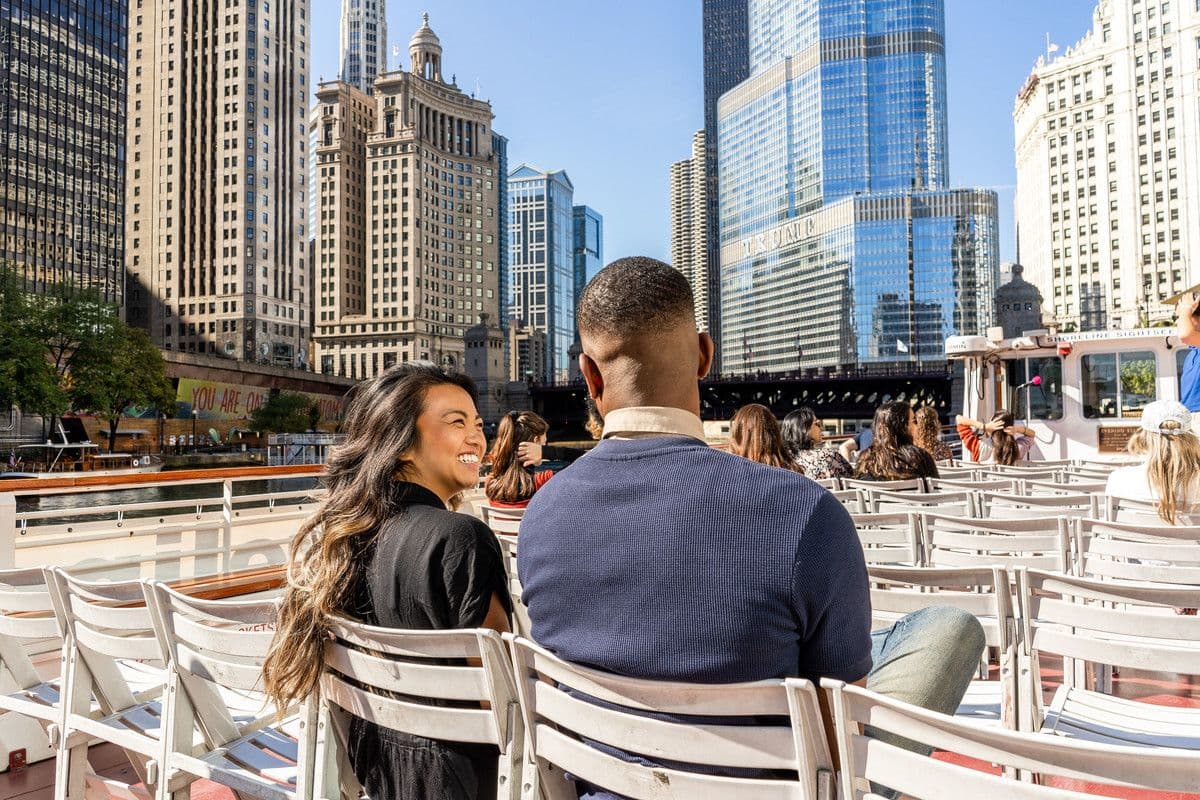
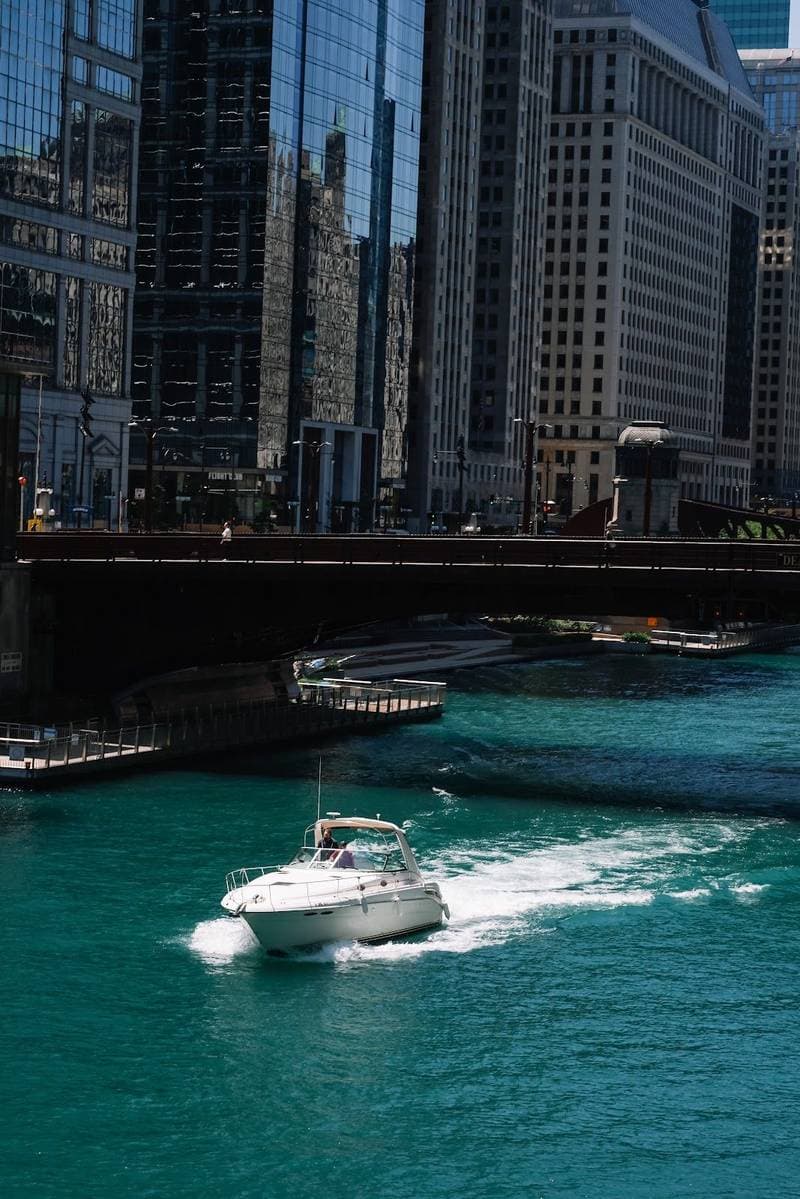
The architecture alone justifies the trip. An Architecture Cruise on the Chicago River from Navy Pier is one of the best ways to understand the city's skyline, with expert guides explaining the stories behind the buildings as you drift along the river. If you prefer speed and spectacle, the City Cruises Chicago 75-min Speedboat Architecture Cruise covers similar ground with considerably more adrenaline.
For views from above, head to Skydeck Chicago on the 103rd floor of Willis Tower. The glass-floored ledges extending out over the city are genuinely impressive and the visibility on a clear day stretches for miles.
Millennium Park is free to enter and worth an hour or two. Cloud Gate (the giant reflective bean sculpture) is the obvious centrepiece, but the park also hosts free concerts and has well-maintained gardens along its southern edge.
The Art Institute of Chicago is one of the finest art museums in the United States. Its collection spans thousands of years and includes works by Seurat, Picasso, and Grant Wood. If queues are a concern, the Skip The Line Ticket and Exclusive Guided Tour is worth the investment, particularly in peak season.
The Field Museum anchors the Museum Campus alongside the Shedd Aquarium and Adler Planetarium. Sue, one of the most complete T. rex skeletons ever discovered, lives here and is genuinely awe-inspiring in person.
If you are planning to visit multiple attractions, the Go City Chicago All-Inclusive Pass grants access to over 35 attractions and can represent significant savings depending on your itinerary.
---
Where to Eat
Chicago's food culture runs deeper than deep-dish pizza, though you should absolutely try it. Lou Malnati's and Giordano's are the reliable institutions. For something less tourist-facing, Pequod's in Lincoln Park serves a caramelised crust version that many locals prefer.
For Italian beef sandwiches, Al's Beef on W Taylor Street is the standard-bearer. Order it 'dipped' and have napkins ready.
The West Loop neighbourhood has become the city's most concentrated dining district. Randolph Street in particular is lined with restaurants covering everything from Japanese omakase to wood-fired Neapolitan pizza. Reservations are essential at the higher-end spots.
For breakfast, the city does it well. Sun-up diners and neighbourhood spots like Bongo Room in Wicker Park draw long queues on weekends but move quickly.
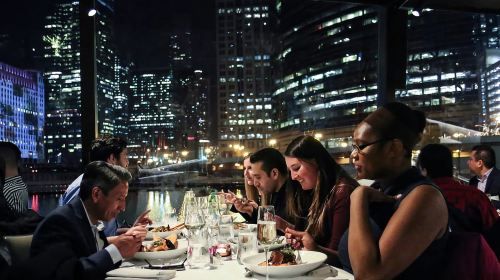
The Chicago Riverwalk has a solid stretch of bars and casual dining spots that are particularly enjoyable in warm weather, with outdoor seating right on the water.
---
Budget Expectations
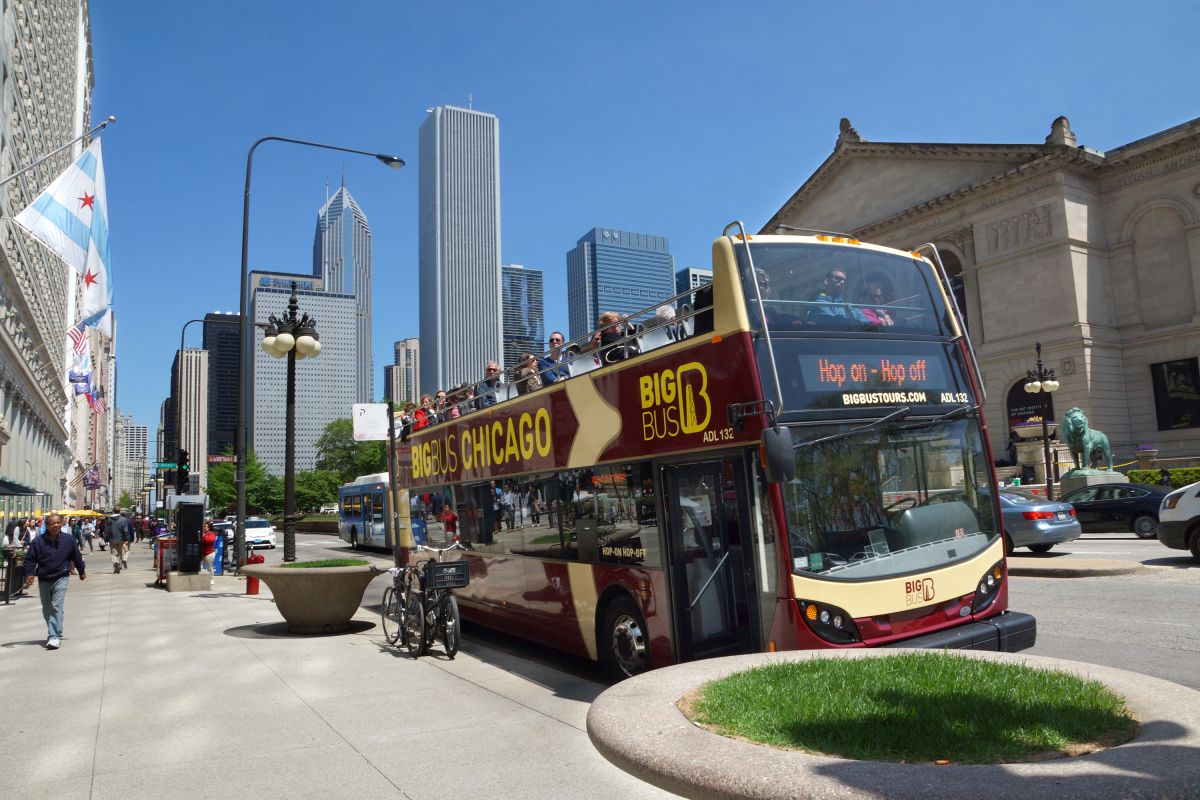
Chicago sits in the mid-range tier for American cities. It is more affordable than New York or San Francisco but not a budget destination by any measure.
Accommodation ranges from around $90 per night for a decent budget hotel or hostel to $250 and above for a central hotel with good amenities. Prices spike during major events and summer weekends.
Food is manageable. A sit-down lunch at a neighbourhood restaurant runs $15 to $25 per person. Dinner at a mid-range restaurant is typically $40 to $60 per person with drinks. Street food and food halls bring costs down considerably.
Attractions add up quickly if you visit several in a day. Budget around $25 to $35 per major museum or attraction. Combination passes like the Chicago CityPASS are worth calculating against your planned itinerary.
Transport is inexpensive via the CTA. A 3-day unlimited pass costs around $20 and covers most of what you need.
---
Insider Tips
The 606 Trail is worth your morning. This elevated rail trail converted into a linear park runs through Wicker Park, Bucktown, and Humboldt Park. It is excellent for running or cycling and gives you a ground-level view of neighbourhood architecture that no tour bus can replicate.
The Cultural Center is completely free. The Chicago Cultural Center on Michigan Avenue has two of the most spectacular Tiffany glass domes in the world and almost no one visits them. It is open daily, costs nothing, and takes about 45 minutes to explore properly.
Avoid the Magnificent Mile for actual shopping. The Magnificent Mile along Michigan Avenue is impressive to walk once for the architecture, but the shops are the same chains you will find anywhere. For genuinely local retail, Andersonville on the North Side and Pilsen on the Lower West Side offer independent shops, galleries, and a far more authentic sense of the city.
---
Final Thoughts
Chicago rewards travellers who go beyond the obvious checklist. The architecture, the food, the lakefront, and the neighbourhoods each offer something distinct, and the city's transport network makes it straightforward to move between them. Plan around the season, book popular experiences in advance, and give yourself at least four days to do it justice.