
Florence Travel Guide: Plan Your Perfect Trip
By Matt Cuckston, Founder & Travel Technology Expert at TixLayer
Few cities in the world pack as much cultural weight into such a walkable space. Florence sits in the heart of Tuscany, draped along the Arno River, and has been drawing artists, scholars, and curious travellers for centuries. If you're researching things to do in Florence, you've landed in the right place. This guide covers every practical detail you need, from touching down at the airport to finding the best bowl of ribollita in the Oltrarno.
---
Getting There
By Air
Florence is served by Amerigo Vespucci Airport (FLR), located about 4 kilometres from the city centre. The Vola in Bus shuttle connects the airport to Santa Maria Novella train station in roughly 20 minutes and costs around €6. Taxis are metered and typically run €22-25 for the same journey.
Many travellers also fly into Pisa International Airport (PSA), which is about 80 kilometres away. Direct trains from Pisa Centrale to Florence Santa Maria Novella run frequently and take around an hour, making it a very manageable arrival point, often with cheaper flight options.
By Train
Italy's rail network is excellent. High-speed Frecciarossa trains connect Florence to Rome in 1.5 hours, Milan in under 2 hours, and Venice in about 2 hours. Santa Maria Novella is the main station and sits right in the historic centre. Book rail tickets in advance through Trenitalia or Italo for the best fares.
By Car
Driving into Florence is not recommended. The historic centre is a ZTL (Zona a Traffico Limitato), meaning access is restricted to residents. Fines for entering without a permit are steep and often arrive weeks later. If you're renting a car for Tuscan day trips, pick it up on your way out of the city rather than on arrival.
---
Getting Around Florence
The historic centre is compact and almost entirely walkable. Most major sights are within a 20-minute walk of each other. Comfortable shoes are essential since the streets are largely cobblestone.
On Foot
This is genuinely the best way to experience the city. A Florence self-guided audio tour covering over 130 points of interest is a great way to structure your walking without being tied to a group schedule.
By Bus
ATAF runs the city bus network. Single tickets cost €1.50 and must be validated on board. The electric minibuses (lines C1, C2, C3, D) are particularly useful for navigating the narrower streets of the centre and the Oltrarno neighbourhood.
By Taxi and Rideshare
Taxis are available at designated ranks near major piazzas. Uber operates in Florence but only with licensed drivers, so pricing is similar to taxis. For short distances, walking is almost always faster.
By Bike or Scooter
Several rental companies offer e-bikes and scooters. These work well for reaching Piazzale Michelangelo or exploring areas just outside the centre, but navigating the tourist core on two wheels during peak hours can be frustrating.
---
Best Neighbourhoods to Stay In
Centro Storico (Historic Centre)
Staying here puts you within walking distance of everything. Expect to pay a premium. Hotels and apartments range from mid-range to luxury, and the streets get busy from mid-morning onwards.
Oltrarno
South of the Arno, Oltrarno has a quieter residential character. It's home to artisan workshops, excellent trattorias, and the Pitti Palace. Accommodation here tends to be slightly more affordable and the atmosphere noticeably more local.
Santa Croce
East of the Duomo, this neighbourhood balances proximity to sights with a slightly lower density of tourists. Good restaurant options and a lively market square make it a strong base.
San Frediano
Part of Oltrarno, San Frediano attracts a younger crowd and has some of the city's best independent bars and casual eateries. If you want to eat and drink where Florentines actually go, spend at least an evening here.
---
When to Visit Florence

Best Months: April, May, September, October
Spring and early autumn offer the most comfortable conditions. Temperatures sit between 15-25°C, crowds are manageable, and the Tuscan landscape is at its most photogenic. April and May bring wildflowers and green hillsides. September and October offer grape harvest season in Chianti and softer golden light.
Summer (June-August)
This is peak season. Florence in July and August is genuinely hot, often reaching 35°C or above, and the city is packed. Queue times for major attractions stretch to hours if you haven't booked in advance. If you must visit in summer, book all museum tickets weeks ahead and plan sightseeing for early mornings.
Winter (November-February)
Winter is the quietest and most affordable time to visit. Crowds thin dramatically, hotel prices drop, and the city has a more authentic rhythm. The trade-off is shorter daylight hours and occasional rain. Christmas markets and seasonal menus make December particularly atmospheric.
What to Avoid
The week of Easter and the Ferragosto period (around August 15) bring extreme crowds and many local businesses closing. If flexibility is possible, these windows are worth avoiding.
---
What to See and Do
The Duomo Complex
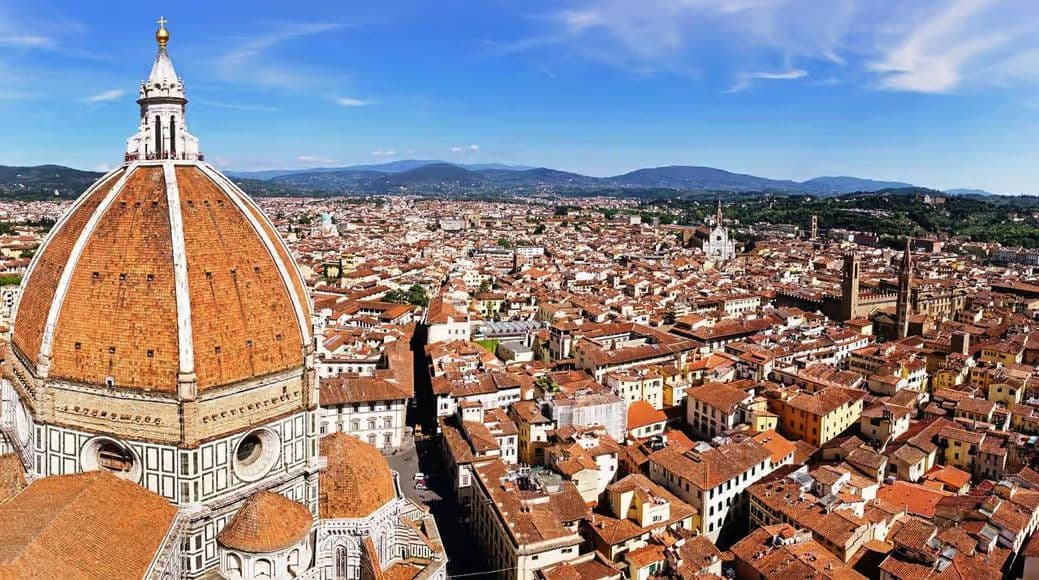
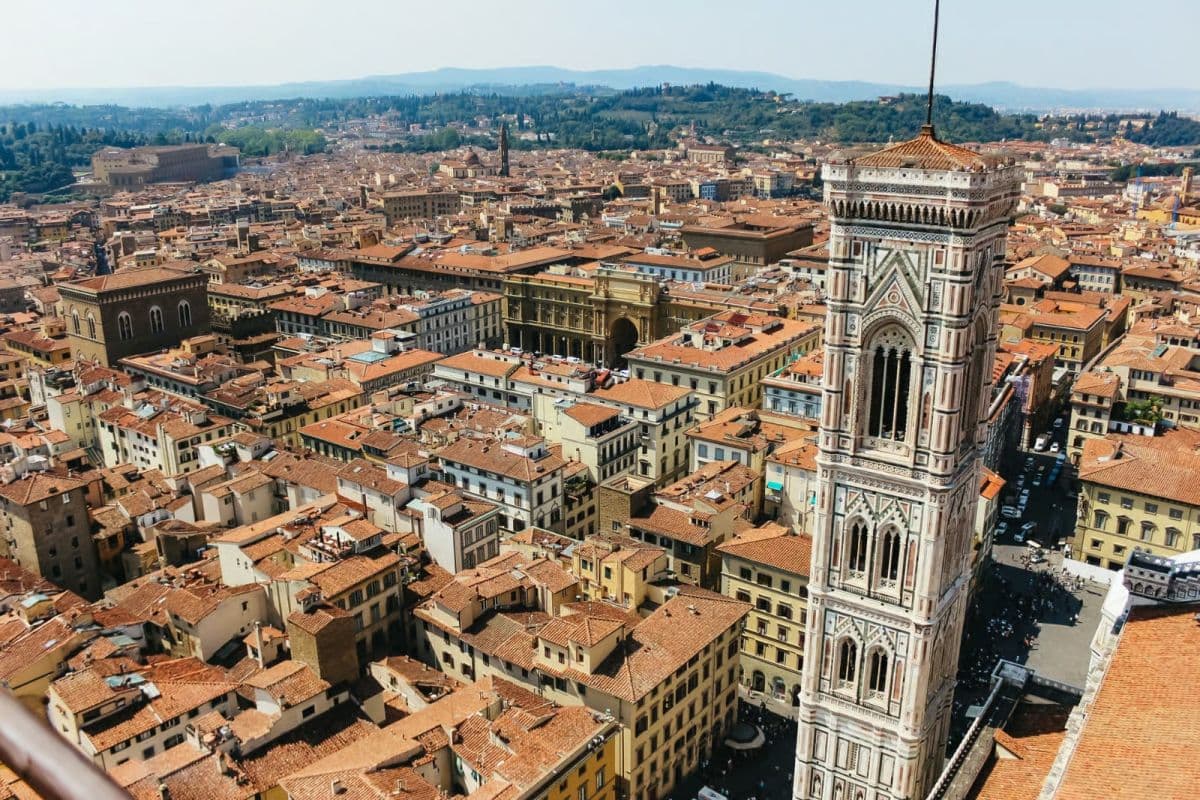
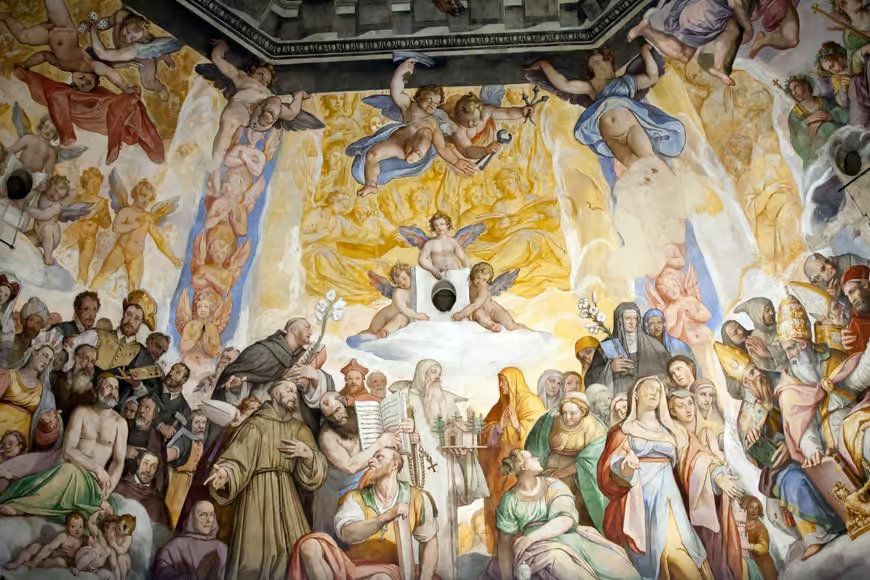
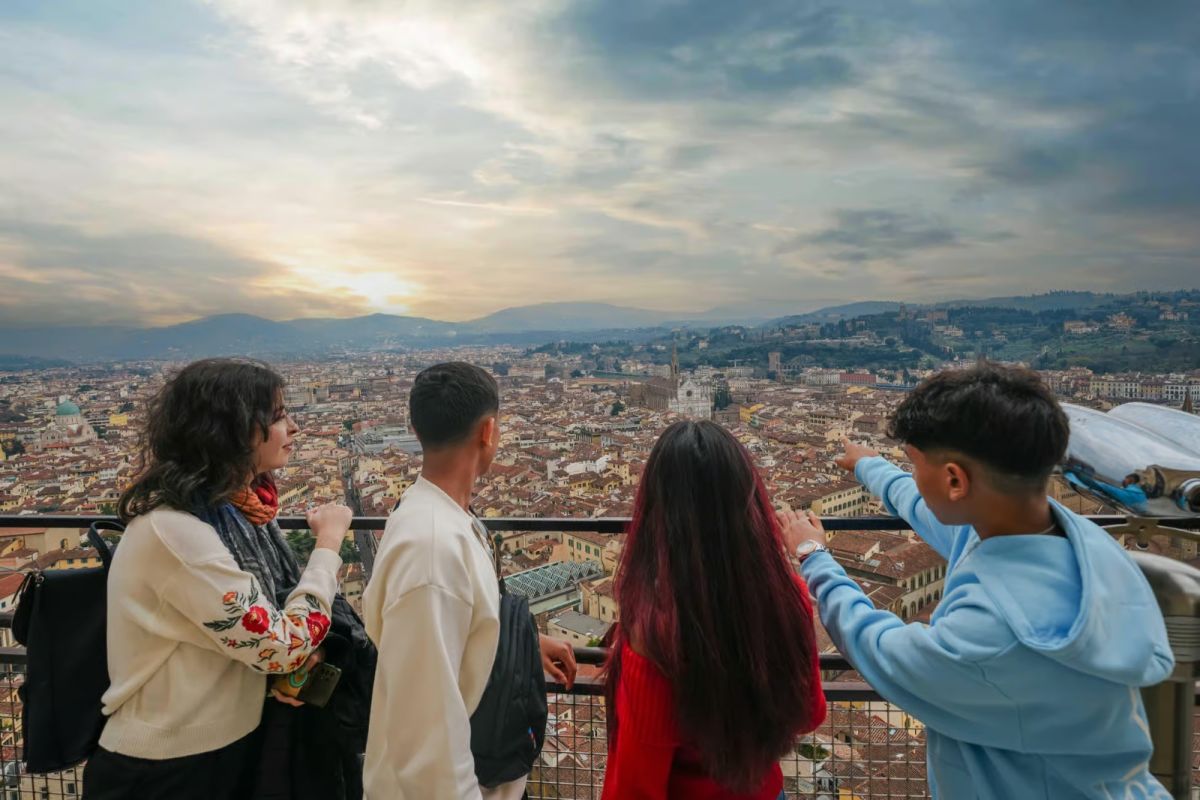
The Cathedral of Santa Maria del Fiore dominates the skyline and the city's identity. Brunelleschi's dome is an engineering achievement that still impresses nearly 600 years after its completion. Climbing to the top rewards you with one of the finest views in Italy. Book the Brunelleschi's Dome Climb Entry Ticket & Duomo in advance since timed entry slots sell out quickly. For a deeper understanding of the complex, the Florence Duomo Guided Tour is worth considering.
The Uffizi Gallery
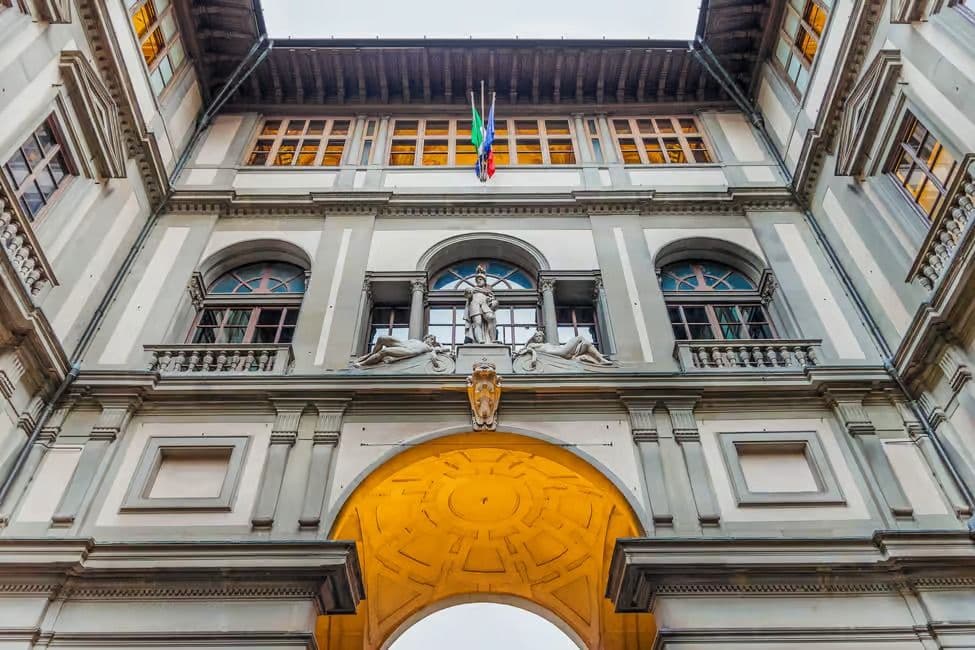
The Uffizi houses one of the world's great collections of Renaissance art, including Botticelli's Birth of Venus and works by Leonardo, Raphael, and Michelangelo. Walk-up queues can be punishing. Book Uffizi Gallery Priority Entrance or a small-group tour with skip-the-line tickets to avoid losing hours of your day in line.
The Accademia and Michelangelo's David
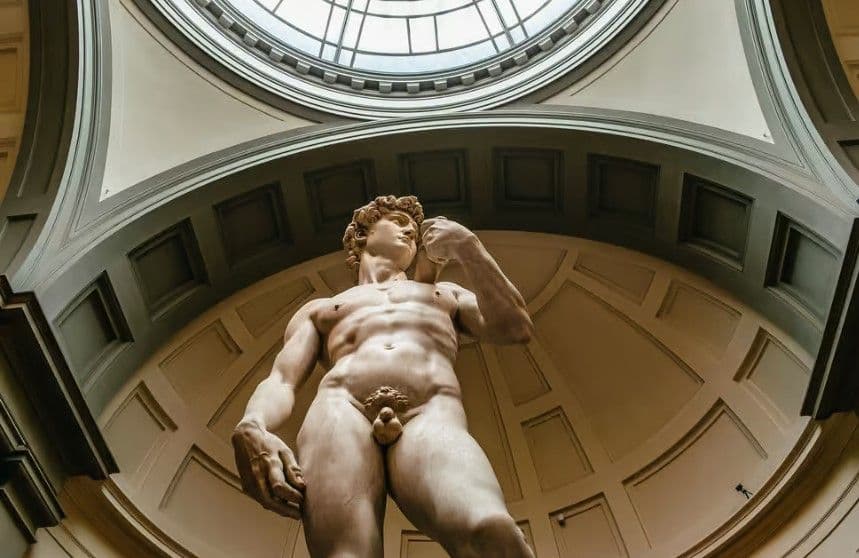
Michelangelo's David is even more striking in person than photographs suggest. The scale and detail are genuinely overwhelming. Pre-booking is essential. Florence's Accademia Gallery tour with a local guide adds context that transforms the visit from sightseeing into something more meaningful.
Palazzo Vecchio
The political heart of Renaissance Florence, Palazzo Vecchio is often overlooked in favour of the art museums. Its interior is extraordinary. The Palazzo Vecchio Tour with Audio Guide lets you explore at your own pace without the cost of a guided group.
Piazzale Michelangelo
This hilltop square on the south bank offers the classic panoramic view of Florence. Arrive early morning or at sunset for the best light and fewer crowds. It's a 20-minute uphill walk from the Ponte Vecchio or a short bus ride on line 13.
Day Trips
Tuscany is best explored from a Florence base. The Chianti Winery Tour with 4 Wines Tasting takes you into the rolling vineyard country south of the city for an afternoon well spent. For coastal scenery, the Pisa and Cinque Terre Day Trip by Train covers two very different but equally rewarding destinations in a single day.
---
Where to Eat
Florentine cuisine is honest and ingredient-driven. Expect a lot of bread (unsalted, as tradition dictates), beans, cured meats, and bistecca alla Fiorentina, the city's famous T-bone steak.
Budget Eating
Look for a schiacciata sandwich from a local bakery or a lampredotto (tripe) panino from one of the market stalls at Mercato Centrale. These are genuinely local lunches and cost €3-5.
Mid-Range
Trattorias in Oltrarno and Santa Croce offer solid three-course meals with house wine for €25-40 per person. Avoid anywhere displaying photos of food outside the door or employing someone to pull you in from the street.
Splurge
Florence has a growing fine dining scene, with several restaurants earning Michelin recognition in recent years. Expect to pay €80-150 per person for a full tasting menu with wine pairing.
Gelato
Seek out gelaterias that store their product in covered metal containers rather than piled high in colourful mounds. The latter is almost always a sign of artificial additives. Gelateria dei Neri and Gelateria Sbrino are consistently excellent.
---
Budget Expectations
Florence sits in the mid-to-expensive range for Italy. A comfortable mid-range trip, including accommodation, meals, museum entry, and transport, runs around €150-200 per person per day. Budget travellers staying in hostels, eating at markets, and prioritising free sights (many churches have free entry) can manage on €60-80 per day. Luxury travel has no ceiling, particularly around the Piazza della Repubblica and Via de' Tornabuoni areas.
Museum entry is one area where costs add up quickly. A 5-day Florence city pass covering nine museums including the Uffizi, Accademia, and Dome complex can represent meaningful savings if you plan to visit multiple sites.
---
Insider Tips
Visit the Uffizi on a Wednesday Evening
The gallery opens late on select evenings during summer. Attendance drops significantly after 6pm, and the quality of light through the windows changes the experience entirely. Check the current schedule on the official Uffizi website before your trip.
The Bardini Garden is Better Than the Boboli
The Boboli Garden behind Pitti Palace is well-known and well-visited. The nearby Bardini Garden, just a short walk away, offers similar Tuscan formal garden design, a wisteria tunnel in spring, and views over the city, with a fraction of the visitors. The entry fee is modest and the two gardens share a combined ticket.
Book Restaurants for Lunch, Not Dinner
Many of Florence's better trattorias offer the same menu at lunch for significantly less than dinner pricing. A restaurant that charges €18 for a pasta at dinner might offer a two-course lunch with wine for €15 total. Locals eat lunch seriously here, and the midday service is often the kitchen at its best.
---
Practical Tips
- Carry a reusable water bottle. Florence has numerous public drinking fountains (fontanelle) with clean, cold water throughout the city.
- Dress code matters at churches. Shoulders and knees must be covered to enter. A light scarf or layer in your bag solves this easily.
- Book major attractions at least two weeks in advance in peak season, and even further ahead for the Dome climb.
- The city centre is largely flat, but the Oltrarno hillside streets and the walk to Piazzale Michelangelo involve real elevation. Factor this into your daily planning.
- Tipping is not obligatory in Italy, but rounding up the bill or leaving €1-2 per person at a trattoria is appreciated.
With the right preparation, Florence delivers an experience that stays with you long after you've left. The art is extraordinary, the food is grounding, and the city's scale makes it genuinely possible to feel like you understand a place, not just pass through it.