Gold Coast Travel Guide: Plan Your Perfect Trip
By Matt Cuckston, Founder & Travel Technology Expert at TixLayer
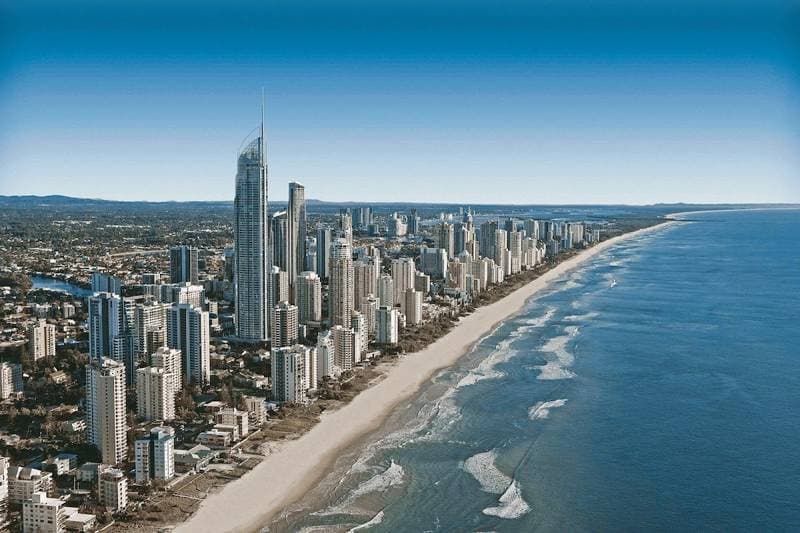
Few destinations in Australia pack as much variety into a relatively compact area as Gold Coast. Stretching along 57 kilometres of Queensland coastline south of Brisbane, it draws millions of visitors each year with its surf beaches, subtropical climate, theme park precinct, and a hinterland that feels worlds away from the shoreline. If you're searching for things to do in Gold Coast, the challenge isn't finding options — it's narrowing them down. This guide gives you everything you need to plan a trip that actually suits you.
Getting There
Gold Coast Airport (OOL), located at Coolangatta in the city's south, receives direct flights from Sydney, Melbourne, Adelaide, Perth, and Auckland, as well as several Asian hubs. Budget carriers including Jetstar and Bonza make it one of the more affordable domestic flying routes in Australia. Alternatively, Brisbane Airport (BNE) is roughly an hour's drive north and offers a far wider range of international connections. From Brisbane, you can reach Gold Coast by road, rail, or a combination of both.
The Airtrain connects Brisbane Airport to Helensvale station, where you transfer to the G:link tram to reach Surfers Paradise and Broadbeach. The journey takes around 80 to 90 minutes in total. If you're driving from Brisbane, the Pacific Motorway (M1) is the direct route and takes about an hour outside peak traffic.
Getting Around
Gold Coast has invested heavily in public transport over the past decade. The G:link light rail runs from Helensvale in the north to Broadbeach South, with extensions planned further south toward Coolangatta. For most visitors staying between Surfers Paradise and Broadbeach, the tram covers the key stops comfortably. A go card (reloadable smart card) gives you discounted fares across trams, buses, and trains.
Buses fill in the gaps along the coast and into the hinterland, though services thin out considerably once you head inland. Ride-share apps including Uber and DiDi operate across the city and are generally reliable. Renting a car is worth considering if you plan to explore Springbrook National Park, Tamborine Mountain, or the quieter southern beaches like Kingscliff and Cabarita, which sit just over the New South Wales border.
Best Neighbourhoods to Base Yourself
Surfers Paradise is the geographic and social centre of the city. It's where you'll find the highest concentration of accommodation, restaurants, and nightlife, along with the iconic beachfront strip. It can get loud on weekends, which suits some travellers and puts others off entirely.
Broadbeach sits a few kilometres south and has a noticeably more relaxed atmosphere. It's home to Pacific Fair shopping centre, The Star casino, and a strong dining scene. Families and couples often prefer it over Surfers Paradise.
Burleigh Heads has developed a strong local following in recent years. It has a genuine neighbourhood feel, excellent coffee culture, and one of the best surf breaks on the coast. It's also close to Burleigh Heads National Park, a small but rewarding patch of coastal bushland.
Coolangatta, at the southern end near the airport, is quieter and more affordable. It's popular with surfers and anyone who wants a slower pace without sacrificing beach access.
When to Visit
Gold Coast sits in a subtropical climate zone, which means warm to hot temperatures year-round. That said, timing your visit well makes a meaningful difference.
September to November is widely considered the sweet spot. Temperatures sit in the mid-20s Celsius, the ocean is warm enough to swim comfortably, and the school holiday crowds haven't yet arrived. The hinterland is particularly green and photogenic after winter rainfall.
December to February brings peak summer heat, with temperatures regularly exceeding 30 degrees and high humidity. This is also cyclone season in Queensland, and while Gold Coast rarely takes a direct hit, extended rain events are common. School holidays in December and January push prices up sharply and accommodation books out weeks in advance.
March to May offers a pleasant transition. Humidity drops, the ocean stays warm from summer, and the tourist crowds thin considerably.
June to August is the dry season and feels almost Mediterranean in character. Days are sunny and mild, nights are cool, and the city is far less crowded. Water temperatures drop to around 19 to 20 degrees, which some visitors find too cold for prolonged swimming, though it doesn't stop the locals.
Avoid the Queensland school holiday periods if crowds and inflated prices concern you. These fall in late September, mid-December through January, and the first two weeks of July.
What to See and Do
The beach is the obvious starting point, and the surf is genuinely excellent along much of the coastline. If you've never surfed before, Surfers Paradise Surfing Lessons offer beginner sessions with qualified instructors right on the beach.
For families, the theme park precinct around Coomera and Oxenford is a major draw. Dreamworld Gold Coast offers a two-day pass that includes access to SkyPoint, making it good value if you plan to visit both. Warner Bros. Movie World is another strong option, particularly for kids who respond well to character experiences and movie-themed rides. Wet'n'Wild is the pick for water-based thrills on a hot day.
For something different, the Aquaduck Gold Coast City Tour and River Cruise takes you through the city streets and then straight into the water on an amphibious vehicle. It's genuinely entertaining for mixed-age groups.
Wildlife is a highlight for many international visitors. Currumbin Wildlife Sanctuary is one of the best wildlife parks in Queensland, with native animals in large, well-maintained habitats. If holding a koala is on your list, the Currumbin Wildlife Sanctuary Koala Photo Experience packages that into a dedicated session.
The hinterland is genuinely underrated. The Natural Bridge and Springbrook Tour takes you into ancient rainforest to see a waterfall-fed cave that glows with bioluminescent glow-worms after dark. It's one of those experiences that stays with you long after the trip.
Where to Eat
Broadbeach has the strongest dining scene for sit-down meals. Rick Shores at Burleigh Heads is widely regarded as one of the best restaurants in Queensland, with an Asian-inspired menu and views directly over the surf break. Book well in advance.
For casual eating, the Burleigh Heads and Miami areas have a strong café culture with good brunch options. The Oracle precinct in Broadbeach has a solid mix of restaurants covering Italian, Japanese, and contemporary Australian cuisine.
Night markets run seasonally at various locations along the coast, including Surfers Paradise and Broadbeach, and are worth checking for local food vendors and produce.
Budget Expectations
Gold Coast sits in the mid-range bracket for Australian cities. Budget travellers can manage on $100 to $130 AUD per day by staying in hostels, self-catering, and using public transport. A comfortable mid-range trip with a hotel, restaurant meals, and a few paid activities runs closer to $250 to $350 AUD per day per person. The theme parks are the biggest single-day expense, with most full-day passes sitting between $80 and $120 AUD per adult.
Accommodation is the area where costs vary most. Surfers Paradise has everything from backpacker hostels to high-rise apartments and luxury hotels. Booking outside school holidays and more than three weeks in advance typically yields the best rates.
Insider Tips
First, the free Surfside bus route (Route 700) runs along the Gold Coast Highway between Tweed Heads and Southport and is genuinely useful for getting between neighbourhoods without using a car or spending much on transport. Most visitors don't know it exists.
Second, the Spit, a narrow peninsula north of Main Beach, is one of the least-visited stretches of coastline despite being easily accessible. It has calm water on the Broadwater side and ocean beach on the other, with very few crowds even in peak season. It's an excellent spot for an afternoon without the Surfers Paradise atmosphere.
Third, if you're visiting between May and October, keep an eye on Currumbin Alley. This south-facing point break is far less crowded than the main Surfers Paradise beaches and produces long, forgiving waves that are well-suited to intermediate surfers and enjoyable to watch even if you're not in the water.
Final Thoughts
Gold Coast rewards visitors who look beyond the obvious. The beaches and theme parks are genuinely worth your time, but the hinterland, the quieter southern suburbs, and the Broadwater all add depth to a destination that's easy to underestimate. Plan around the seasons, book accommodation early if you're visiting in summer, and leave at least a day for the rainforest. You'll come back with a more complete picture of what this part of Queensland actually offers.