Paris isn't just a city—it's a living, breathing work of art that somehow manages to be both achingly romantic and refreshingly practical. After multiple visits and countless conversations with locals, I've learned that the key to Paris isn't checking off tourist boxes, but understanding its rhythm. This guide will help you experience Paris like someone who actually gets it.
When to Go
May to June and September to October are Paris at its absolute finest. The weather is mild, locals are back from vacation, and you'll actually want to spend time wandering the streets rather than hiding from crowds or weather.
Spring (March-May) brings blooming chestnut trees and longer days. Pack layers—Parisian spring is moody, with sunny mornings turning into drizzly afternoons without warning.
Summer (June-August) means tourist season in full swing. July and August see many locals flee to the countryside, so some neighborhood bistros close, but major attractions stay open with extended hours. The upside? Long evenings perfect for Seine-side picnics.
Fall (September-November) is when Paris puts on its best show. Golden light, comfortable walking weather, and that particular Parisian energy as everyone returns from summer break.
Winter (December-February) gets unfairly maligned. Yes, it's gray and chilly, but Christmas markets, cozy café culture, and shorter museum lines make it worthwhile for the right traveler.
Key Events:
- Fête de la Musique (June 21): Free concerts citywide
- Paris Fashion Week (March & September): Street style heaven
- Nuit Blanche (October): All-night arts festival
- Christmas Markets (December): Champs-Élysées transforms
How to Get There and Around
Getting There:
Charles de Gaulle (CDG) handles most international flights. The RER B train connects directly to central Paris in 30-45 minutes for €10.30. Skip the €60+ taxis unless you're traveling with heavy luggage late at night.
Orly Airport is closer but less connected internationally. The Orlyval to RER B combination takes about 45 minutes.
Getting Around:
The Metro is your best friend. Buy a weekly Navigo Easy card if staying longer than three days. Single tickets cost €1.90, but a carnet of 10 costs €14.90.
Walking is how you'll discover Paris's secrets. The city center is surprisingly compact—you can walk from the Louvre to Notre-Dame in 10 minutes.
Vélib' bike sharing works brilliantly for medium distances. €5 for a day pass, just watch for cobblestones and aggressive drivers.
Taxis and Uber during rush hour will cost you both money and sanity. Use them wisely.
Where to Stay
Le Marais (3rd & 4th arrondissements) remains the sweet spot for first-time visitors. Medieval streets, excellent restaurants, and walking distance to major sights. The Jewish quarter around Rue des Rosiers offers fantastic falafel and vintage shopping.
Saint-Germain-des-Prés (6th) appeals to travelers who want classic Left Bank charm. Think literary cafés, art galleries, and tree-lined boulevards. Pricier but worth it if ambiance matters to you.
Montmartre (18th) divides people. The area around Sacré-Cœur can feel touristy, but deeper into the neighborhood, you'll find village-like charm and working artist studios. Great for romantic types who don't mind hills.
Canal Saint-Martin (10th) attracts the creative crowd. Hip cafés, vintage shops, and a more authentic Parisian vibe. Further from major tourist sights but well-connected by Metro.
Latin Quarter (5th) offers student energy and historic streets. Can feel crowded around the Sorbonne, but quieter areas near the Panthéon provide good value.
Avoid: Tourist-heavy areas like directly around the Champs-Élysées or Gare du Nord. You'll pay premium prices for a mediocre experience.
What to Eat
Essential Dishes:
Coq au vin at L'Ami Jean (7th) - this Basque-influenced bistro does the classic better than places twice the price.
Perfect croissants from Du Pain et des Idées (3rd) - arrive early or accept disappointment.
Escargot at L'Escargot Montorgueil (1st) - they've been serving snails since 1832 and haven't lost their touch.
Steak frites at Le Relais de l'Entrecôte (multiple locations) - they serve exactly one main dish, and it's perfect every time.
Onion soup at Au Pied de Cochon (1st) - open 24/7 and frequented by night-shift workers who know their soup.
Where to Eat:
Marché des Enfants Rouges (3rd) - Paris's oldest covered market. Try the Moroccan stall for tagine or the Italian corner for fresh pasta.
Breizh Café (3rd) - elevates humble crêpes into something extraordinary. Book ahead.
L'As du Fallafel (4th) - yes, it's touristy, but the falafel justifies the hype. Get yours with everything.
Pierre Hermé (multiple locations) - macarons that will ruin all other macarons for you. The Ispahan (rose, raspberry, lychee) is legendary.
Wine bars in the 11th - Septime La Cave or Le Verre Volé offer excellent natural wines with small plates.
Top Experiences and Attractions
The Louvre requires strategy. Book timed entry tickets online, enter through the less crowded Carrousel du Louvre entrance, and accept that you can't see everything. Focus on one or two wings maximum.
Eiffel Tower looks better from a distance. Skip the expensive elevator ride and see it from Trocadéro or grab wine for a sunset picnic at Champ de Mars.
Notre-Dame remains closed for restoration, but the surrounding Île de la Cité rewards exploration. Sainte-Chapelle's stained glass windows will humble you.
Sacré-Cœur provides incredible city views, but the real magic happens wandering Montmartre's back streets afterward.
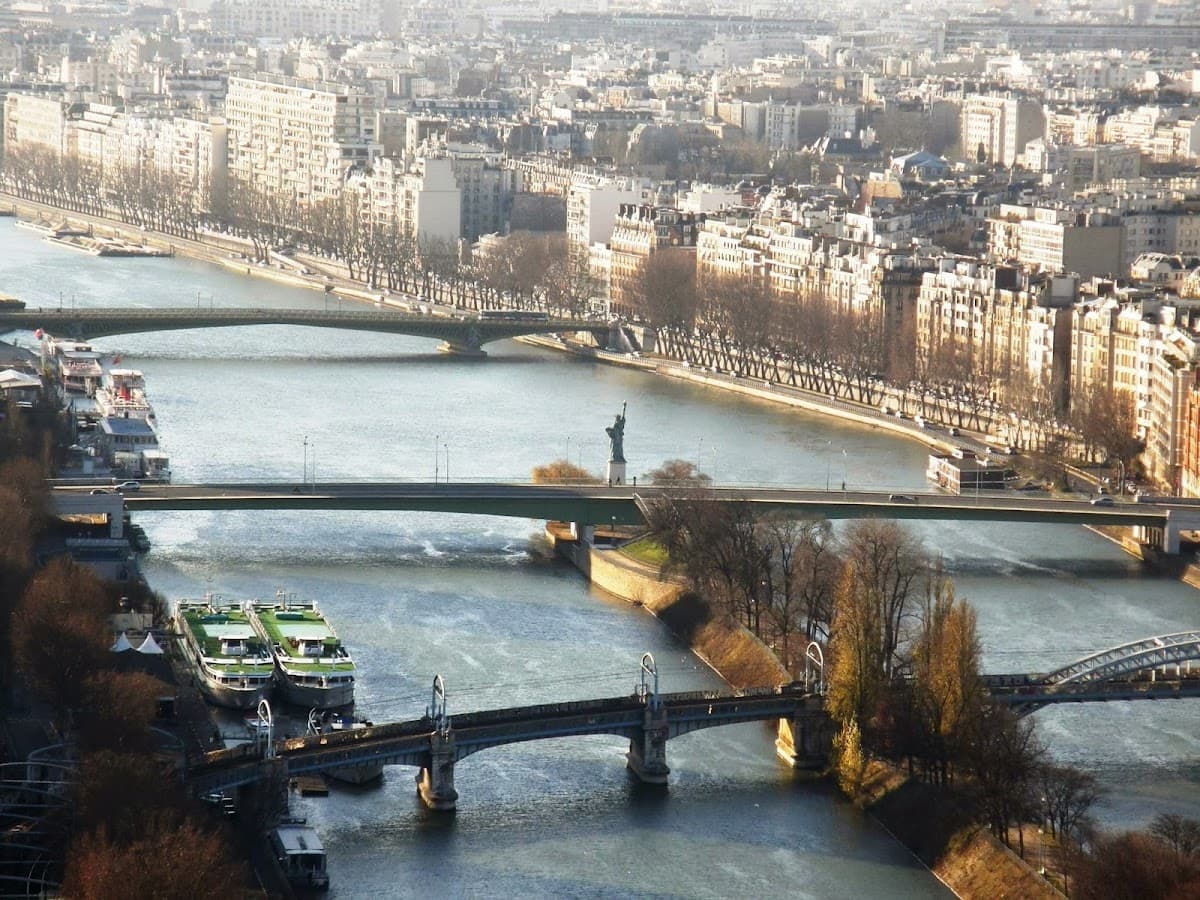
Seine river walk from Pont Neuf to Pont de Bir-Hakeim reveals Paris's most photogenic angles. Best at golden hour.
Père Lachaise Cemetery sounds morbid but feels like an outdoor museum. Jim Morrison's grave draws crowds, but Oscar Wilde's tomb deserves equal attention.
Musée Rodin combines world-class sculpture with gorgeous gardens. The Thinker sits outside, but The Kiss lives indoors.
Hidden gems:
- Promenade Plantée - elevated park built on old railway tracks, predating New York's High Line
- Musée de la Chasse et de la Nature - quirky museum mixing hunting artifacts with contemporary art
- Covered passages like Galerie Vivienne - 19th-century shopping arcades with original charm
Money-Saving Tips
Museum passes make sense only if you're visiting 4+ major museums. Otherwise, many museums offer free admission on first Sunday mornings.
Happy hour exists in Paris. Many wine bars offer reduced prices 5-7 PM.
Picnics aren't just budget-friendly—they're culturally authentic. Buy cheese from a fromagerie, bread from a boulangerie, and wine from a cave à vin.
Free entertainment abounds. Street musicians in Metro stations, organ concerts at Saint-Sulpice, and people-watching from café terraces cost nothing.
Lunch menus (menu du jour) offer dinner-quality food at half the price. Many excellent restaurants serve set lunch menus for €15-25.
Water fountains throughout the city provide free, safe drinking water. Download the Paris Wi-Fi app to locate them.
Common Mistakes to Avoid
Don't eat near major tourist attractions. That café facing the Louvre charges €8 for mediocre coffee.
Don't skip the "please" and "thank you." Parisians aren't rude—they're formal. Always greet shopkeepers with "Bonjour" and leave with "Au revoir."
Don't plan too much. Paris rewards spontaneity. Leave time for wandering.
Don't dress like you're going to the gym. Parisians dress up for daily life. You don't need designer clothes, just avoid athletic wear outside actual athletic activities.
Don't expect dinner before 8 PM. Many restaurants don't even open until 7:30 PM.
Don't validate your Metro ticket then immediately throw it away. You need it to exit some stations.
Don't photograph locals without permission. That chic woman at the café isn't your prop.
Suggested 3-Day Itinerary Overview
Day 1: Classic Paris
- Morning: Louvre Museum (pre-booked ticket)
- Lunch: Picnic in Tuileries Garden
- Afternoon: Walk along Seine to Île de la Cité, explore Sainte-Chapelle
- Evening: Dinner in Le Marais, evening stroll along the river
Day 2: Bohemian Paris
- Morning: Montmartre exploration, Sacré-Cœur
- Lunch: Traditional bistro in Montmartre
- Afternoon: Père Lachaise Cemetery, Canal Saint-Martin walk
- Evening: Wine bar in the 11th arrondissement
Day 3: Parisian Life
- Morning: Marché des Enfants Rouges market, Le Marais wandering
- Lunch: Saint-Germain-des-Prés café culture
- Afternoon: Musée Rodin and gardens
- Evening: Seine sunset walk, dinner in the 6th arrondissement
Paris will seduce you slowly, then all at once. Don't rush it. The city's greatest pleasure lies not in checking off attractions, but in understanding why Parisians walk slower, linger longer, and treat daily life like an art form. Book your tickets through TixLayer, pack comfortable walking shoes, and prepare to fall in love with the most beautifully complicated city in the world.