
Things to Do in Yosemite
8 experiences in Yosemite
Get notified about new experiences in Yosemite
Be the first to know when we add tours and tickets in Yosemite.
About Yosemite
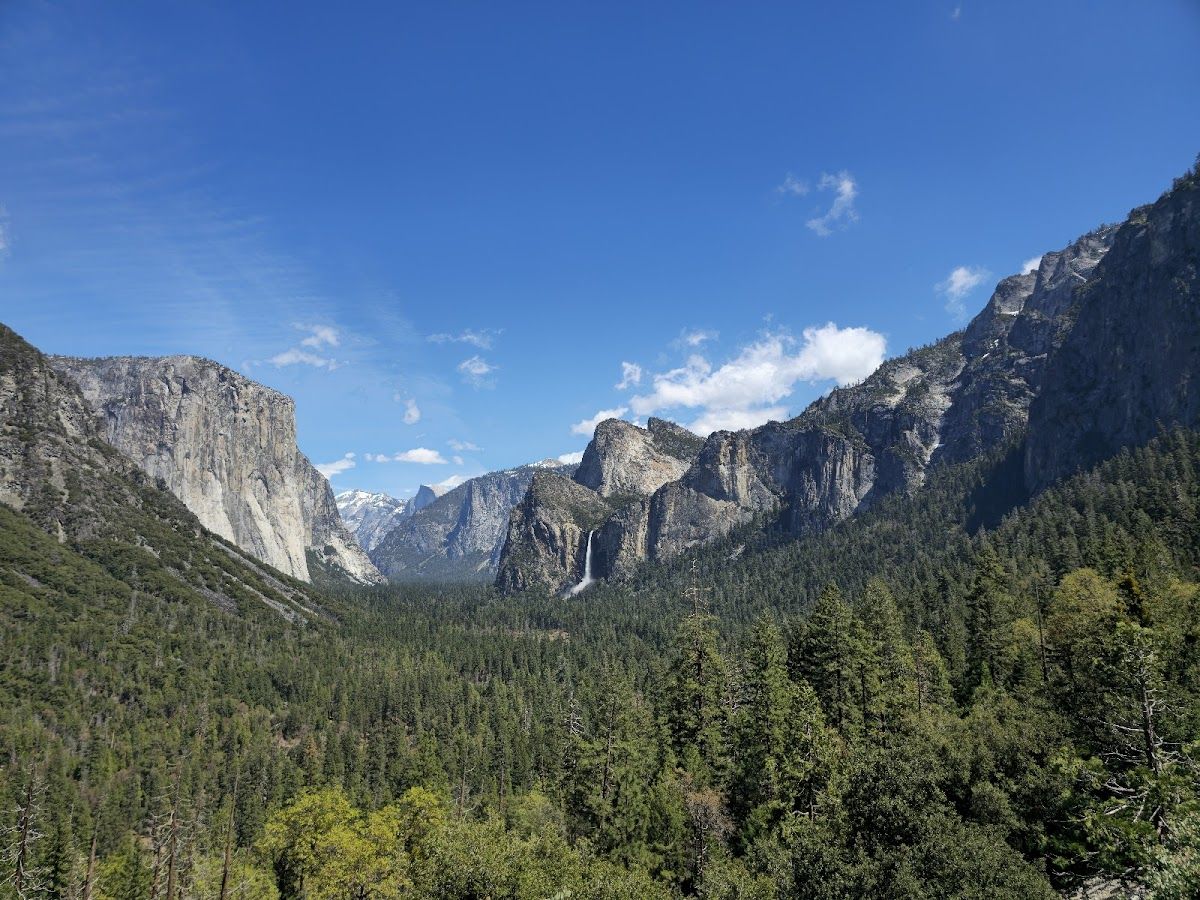
Yosemite National Park is the granite heart of the Sierra Nevada, a place where waterfalls drop for thousands of feet, sequoias have been standing since before the Roman Empire, and El Capitan looms over the valley floor like a vertical mile of stone. This is not a city in any conventional sense — there's no downtown, no nightlife district, no skyline other than the one nature carved. What Yosemite offers instead is scale: Half Dome cracking the sky, Yosemite Falls roaring in spring, and the kind of silence at Glacier Point that makes you understand why John Muir spent his life writing about this place.
The park rewards people willing to get up early and walk. Yosemite Valley itself is only seven square miles, but it concentrates almost everything people come for — Bridalveil Fall, the Merced River, meadows framed by cliffs on all sides. Beyond the valley, Tuolumne Meadows and the high country feel like an entirely different park: alpine, quiet, granite domes rolling toward the horizon. Wawona and Mariposa Grove, in the park's south, hold the giant sequoias and a slower, older pace.
Yosemite suits hikers, photographers, climbers, and families willing to trade hotel comforts for tent cabins and star-filled skies. It's less suited to travelers wanting polish or convenience — cell service is patchy, restaurant options are limited, and summer crowds in the valley can feel more like a theme park queue than a wilderness escape. Come in shoulder season if solitude matters more to you than guaranteed sunshine, and book lodging or camping six to twelve months out regardless of when you go.
Good to Know
- Book lodging, camping, and Half Dome permits 6-12 months in advance — Yosemite sells out earlier than almost any other US national park
- Cell service is minimal to nonexistent throughout most of the park; download offline maps before you arrive
- Bears are active and food storage is mandatory — use bear boxes at every campsite, even for scented toiletries
- A day-use entrance reservation is required during peak season (roughly April-October) in addition to the standard entrance fee ($35 per vehicle, valid 7 days)
- Layer clothing even in summer — mornings and evenings at elevation can be 30-40°F cooler than midday
- Tipping at park lodges and restaurants follows standard US norms: 15-20% at sit-down service
- Tioga Road and Glacier Point Road close completely in winter, usually November through May — check NPS conditions before planning a route
- Buy gas before entering the park; prices inside are significantly higher and stations are limited


