Things to Do in Putrajaya
4 experiences in Putrajaya
Get notified about new experiences in Putrajaya
Be the first to know when we add tours and tickets in Putrajaya.
About Putrajaya
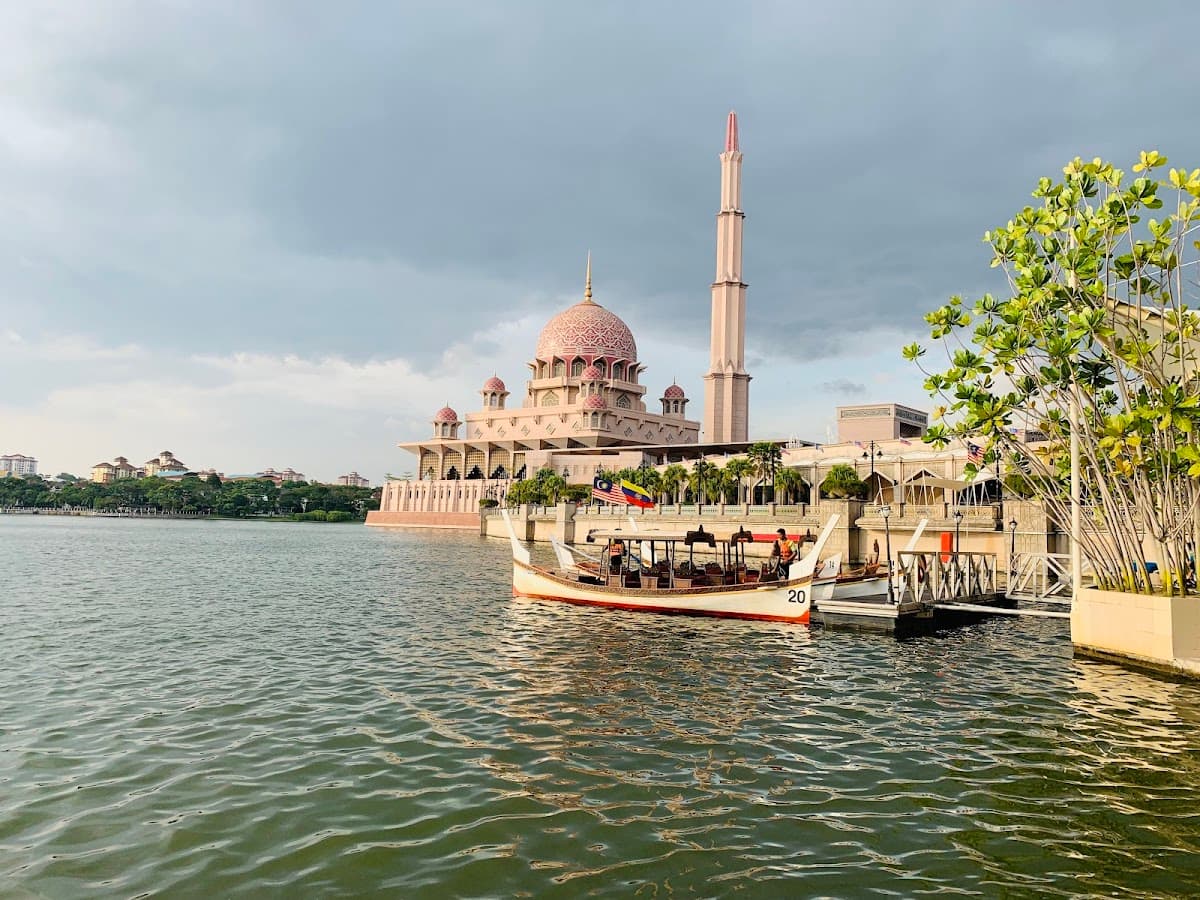
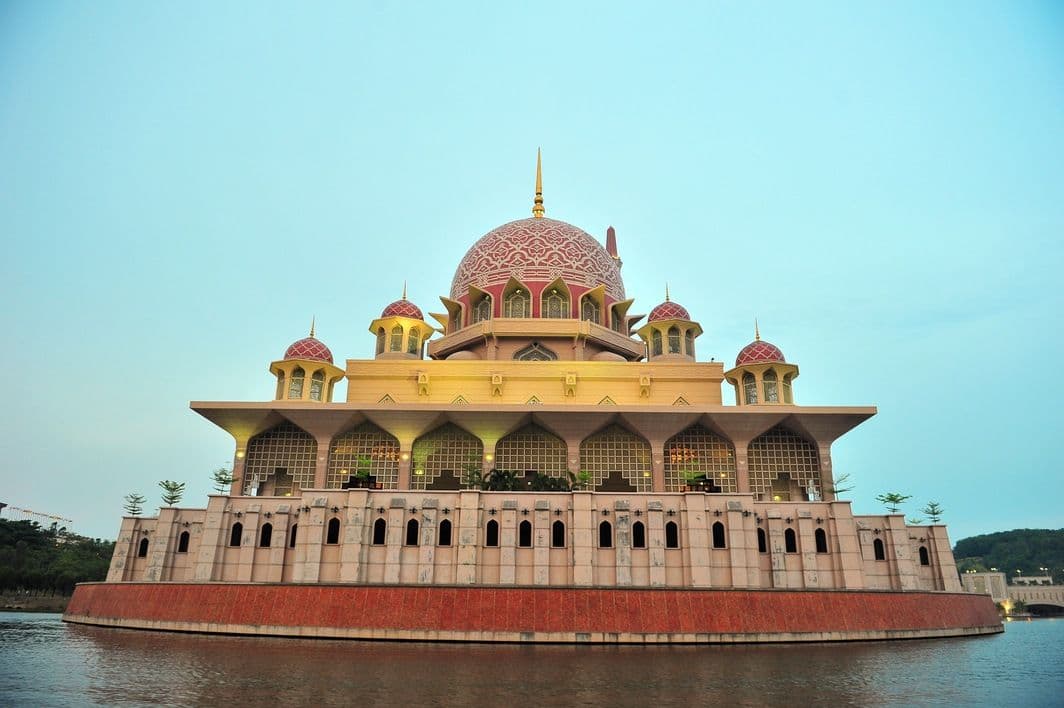
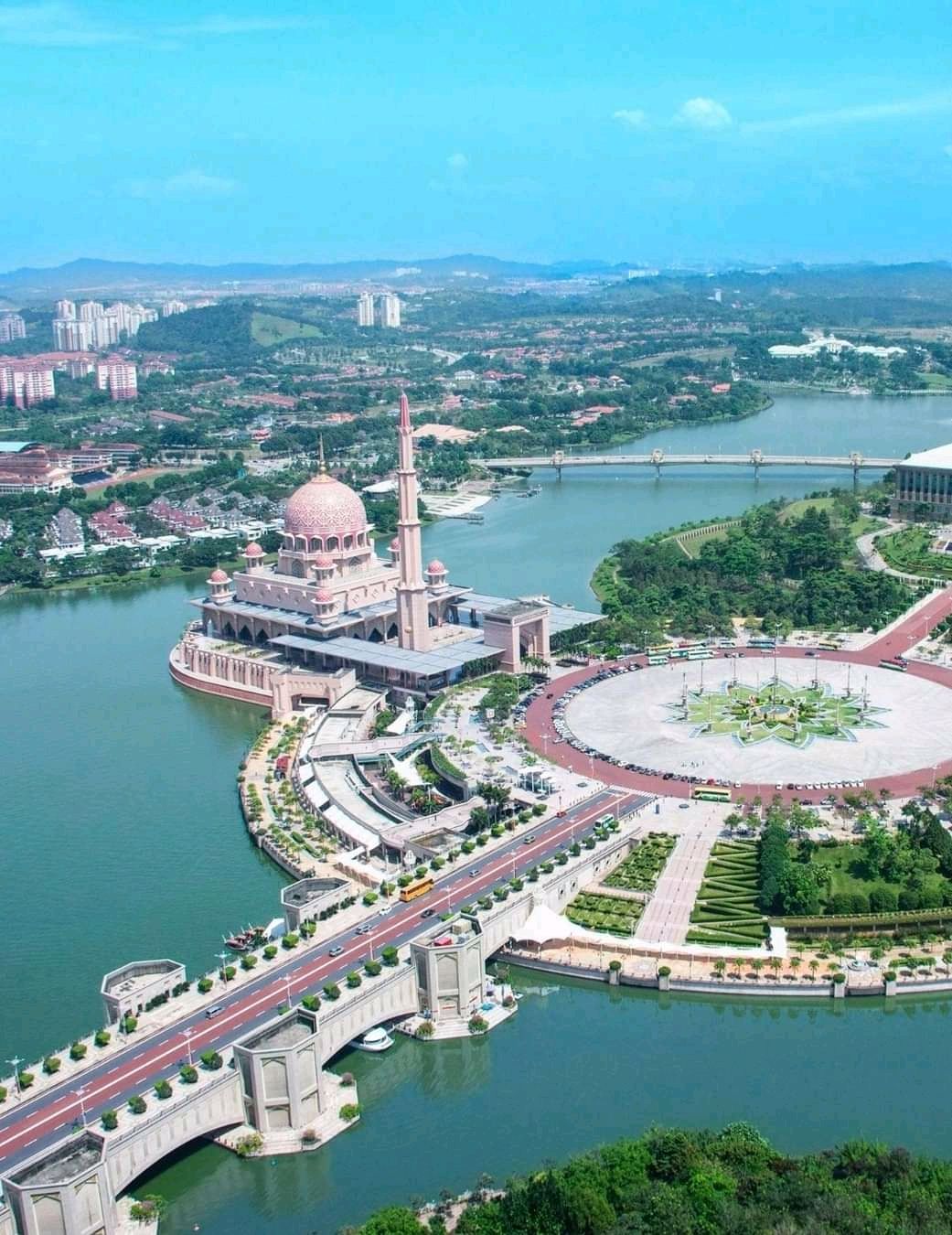
Putrajaya is Malaysia's purpose-built federal administrative capital, a city that didn't exist before 1995 and now stands as one of Southeast Asia's most ambitious planning experiments. Everything here is deliberate: the pink-domed Putra Mosque was positioned to reflect in the lake, the Prime Minister's office sits atop a hill like a Persianate palace, and boulevards were laid out wide enough to land a plane on (some claim that was intentional). The result is a place that feels less like an organic city and more like a government showcase, which is exactly why it's fascinating to visit — there's nowhere else quite like it.
What makes Putrajaya worth the detour from Kuala Lumpur isn't nightlife or street chaos, because there is none. It's the sheer scale of the architecture, the manmade lake with its bridges (eight of them, each a different design theme), and the strange calm of a city built for civil servants rather than tourists. Weekdays it's genuinely quiet outside office towers; weekends bring Malaysian families for boat rides, cycling, and picnics on the lawns around the mosque. Photographers love it for the symmetry and golden-hour shots over the water.
This is a half-day or full-day trip rather than a multi-night base — most visitors see it from KL, 25km away. It suits architecture fans, families wanting an easy outdoor afternoon, and anyone curious about how a government literally builds a capital from scratch on former palm oil plantations. It's not for travelers chasing markets, bar scenes, or historic old towns; Putrajaya has none of that, and it isn't trying to.
Good to Know
- Dress modestly if visiting Putra Mosque — robes are provided free at the entrance for those in shorts or sleeveless tops, but bring a scarf if you'd rather not queue for one
- Grab is more reliable than street taxis here — hailing a cab on the roadside rarely works given the low foot traffic
- Buy a local SIM (Maxis, Celcom, or Digi) at KLIA airport on arrival; prepaid tourist SIMs with data run around RM30–50 for a week
- Cash still helps for boat rides, small food stalls, and parking, though cards and e-wallets (Touch 'n Go, GrabPay) are widely accepted
- Midday heat is intense with almost no shade around the lake and government precincts — carry water and sunscreen, or shift sightseeing to early morning/late afternoon
- Friday afternoons see the mosque closed to non-worshippers for prayers — check timing before visiting
- Tipping isn't expected or customary in Malaysia; a service charge is usually already built into restaurant bills
- It's a very safe city with low crime, largely because it's mostly government offices — just be mindful of traffic since pedestrian crossings are sparse