Things to Do in Kyoto
132 experiences in Kyoto
Get notified about new experiences in Kyoto
Be the first to know when we add tours and tickets in Kyoto.
About Kyoto
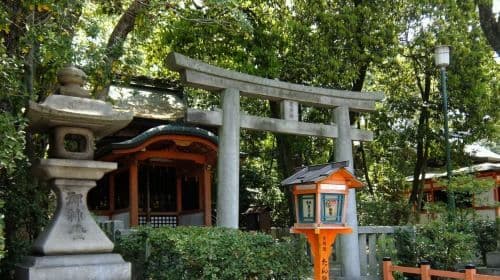
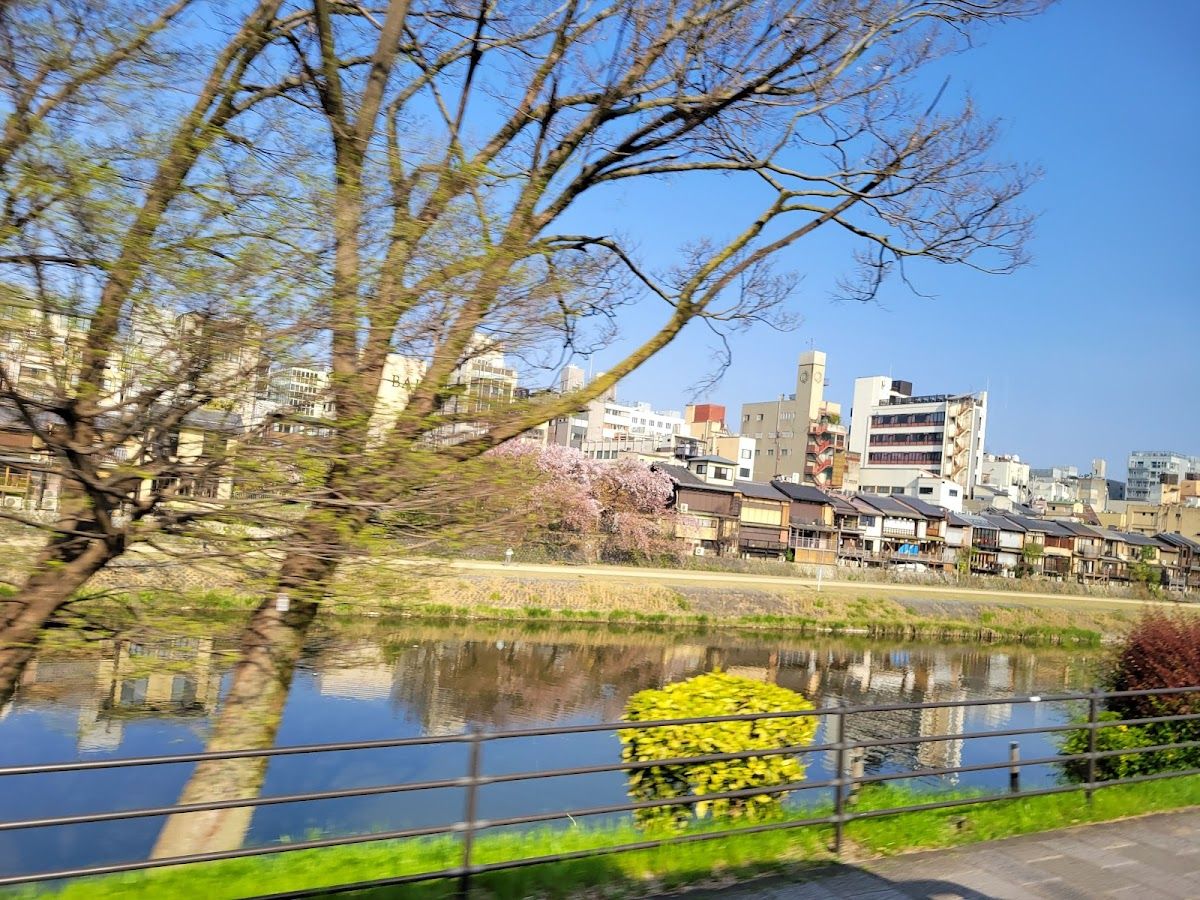
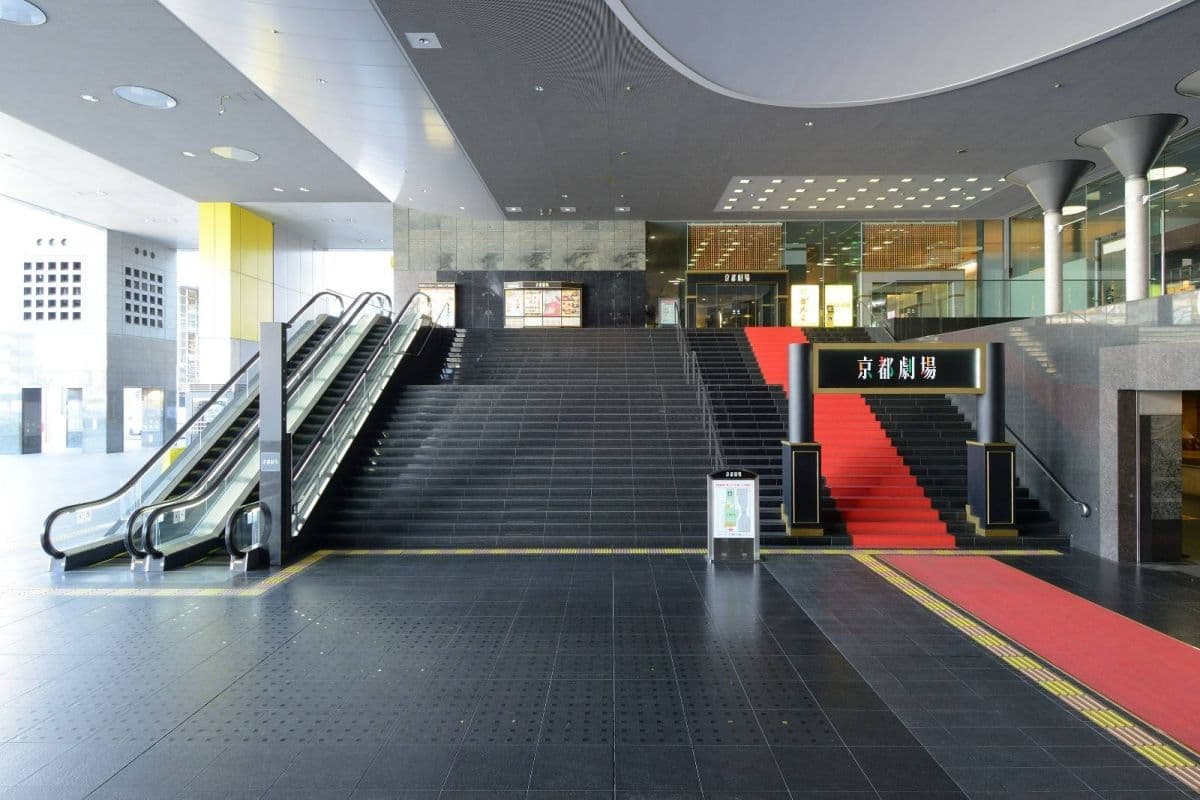
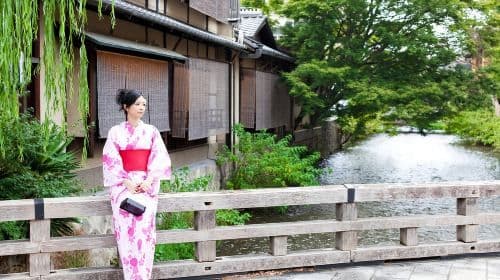
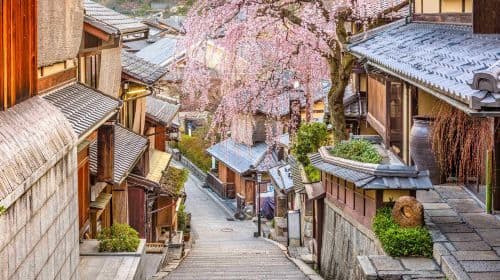
Kyoto was Japan's imperial capital for over a thousand years, and it wears that history openly. This is a city of over 1,600 Buddhist temples and 400 Shinto shrines, where wooden machiya townhouses still line narrow lanes in Gion and geiko (Kyoto's term for geisha) hurry between appointments at dusk. Unlike Tokyo's relentless modernity, Kyoto moves at a different pace — though don't mistake it for sleepy; the central train station and downtown Kawaramachi district are as urban and neon-lit as anywhere in the country.
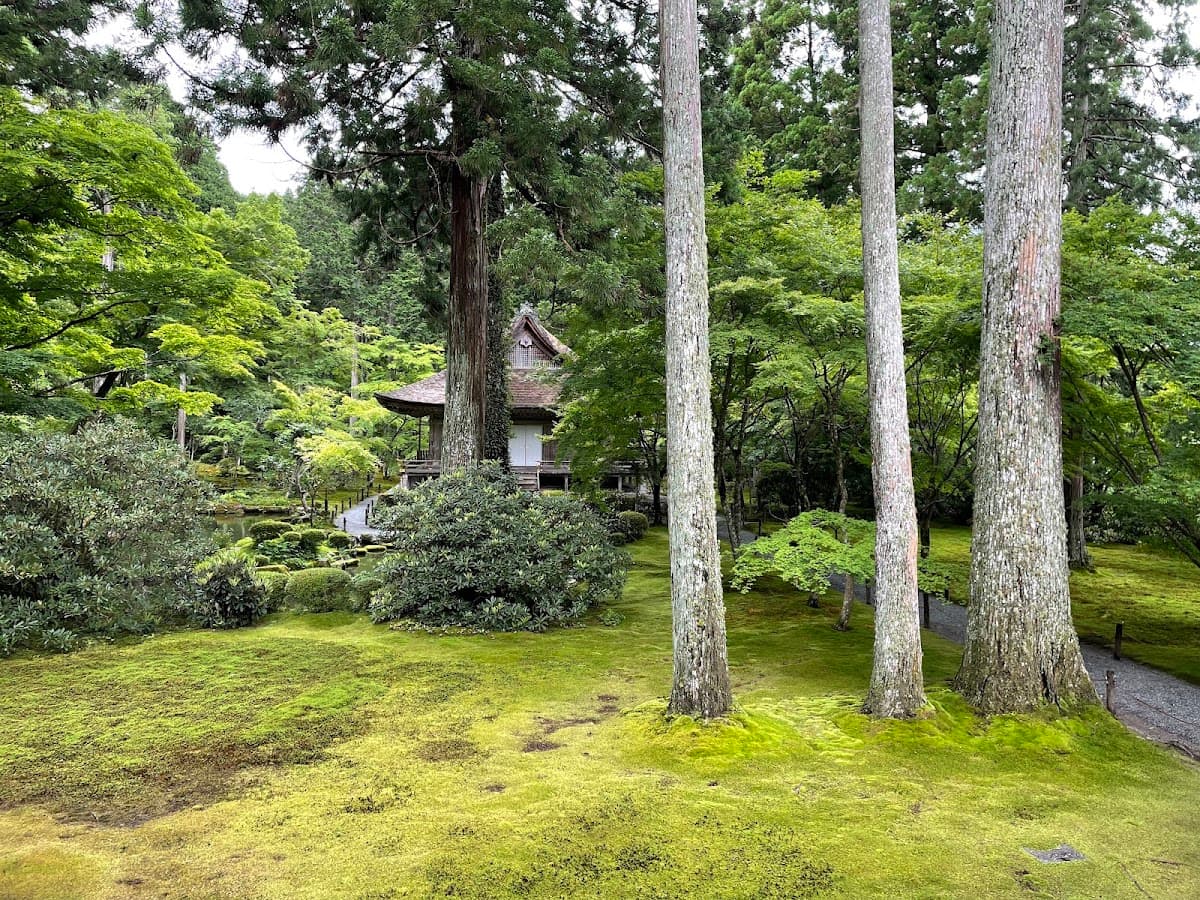
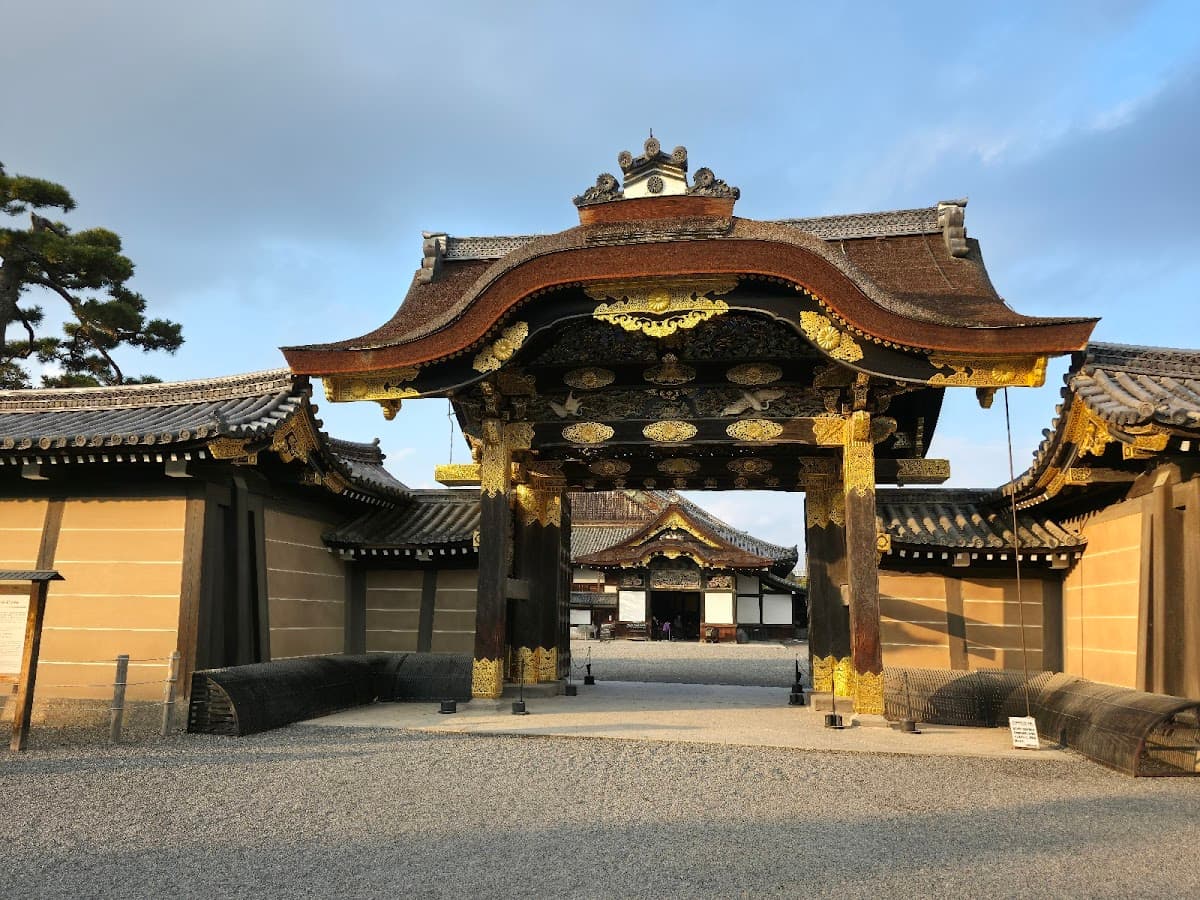
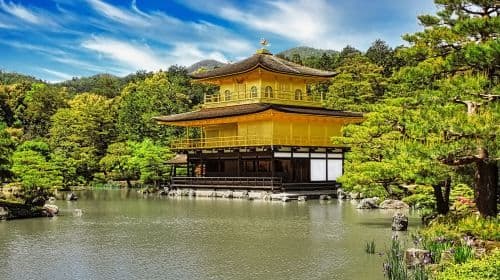
What makes Kyoto special is the density and quality of what's preserved here. You can walk from a 17th-century Zen rock garden to a UNESCO World Heritage castle to a bamboo grove in a single afternoon, and each feels like a legitimate reason to have made the trip. The Philosopher's Path, Fushimi Inari's thousands of vermilion torii gates, Kinkaku-ji's gold-leaf pavilion reflected in its pond — these are the postcard shots, but the real texture of the city is in its back streets: tofu restaurants that have operated for centuries, incense makers, tea ceremony rooms tucked behind unmarked doors.
Kyoto rewards travelers willing to slow down and those chasing culture over nightlife. It suits couples, solo travelers with a curious streak, families who don't mind a lot of walking, and anyone doing a first trip to Japan who wants to pair Tokyo's intensity with something calmer and older. It's less suited to people wanting beach time, clubbing, or a fast-paced itinerary — Kyoto's pleasures are contemplative and best absorbed over four or five days minimum, not a rushed day trip from Osaka.
Good to Know
- Get an IC card (ICOCA) on arrival for seamless payment on buses, subways, and trains — it also works in convenience stores.
- Cash is still king at smaller temples, markets, and traditional restaurants — carry yen, as not every place takes cards.
- Tipping isn't practiced in Japan and can cause confusion if attempted — good service is simply the standard.
- Rent a pocket wifi device or buy a tourist eSIM before arrival; both are widely available and inexpensive compared to international roaming.
- Dress modestly and remove shoes when required at temples and traditional restaurants — slip-on shoes make this much easier.
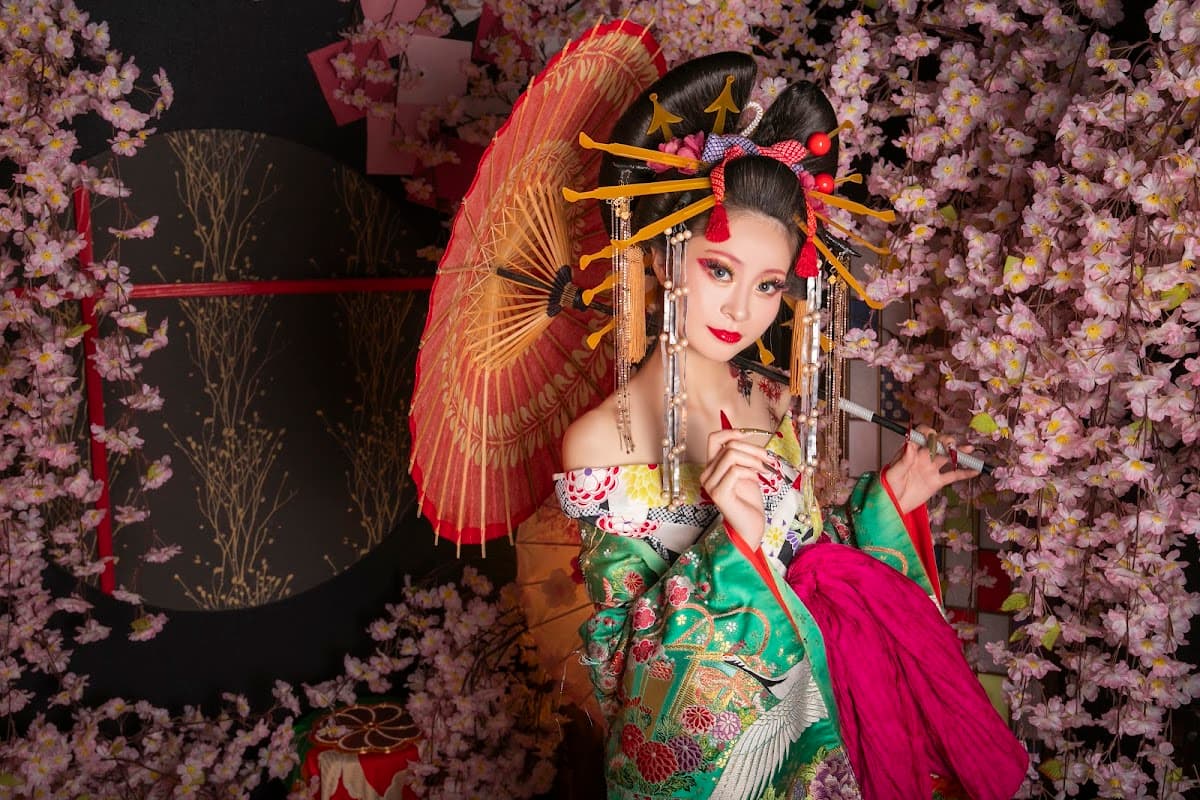
- Photographing geiko and maiko without permission, especially in private alleys of Gion, is restricted by local ordinance with fines for violations — always ask or use the designated photo spots.
- Kyoto is very safe, but pickpocketing occasionally occurs in crowded spots like Fushimi Inari and Nishiki Market — keep bags zipped.
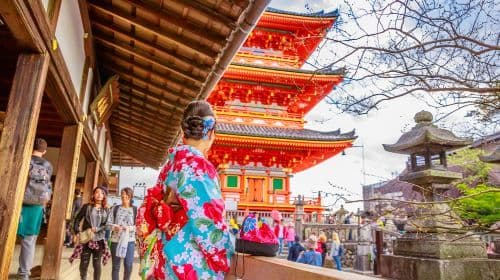
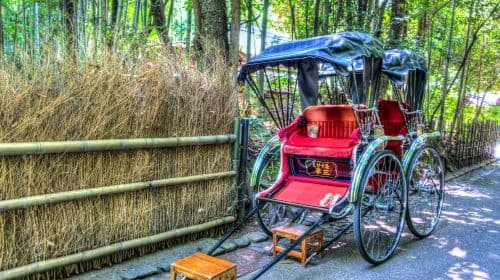
- Book popular sights like the Arashiyama bamboo grove or Kiyomizu-dera for early morning (before 8am) to avoid tour-group crowds.



![Kyoto & Nara Highlights Day Tour [From Osaka • 7 Major Spots In A Day • Kiyomizudera Temple / Fushimi Inari Taisha / Nara Park / Kasugataisha Shrine / Byodoin Temple / Uji Omotesando / Todaiji Temple]](/_next/image?url=https%3A%2F%2Ftixlayer.com%2Fstorage%2Fattractions%2F2130%2Fsupplier_0.jpg&w=3840&q=75)
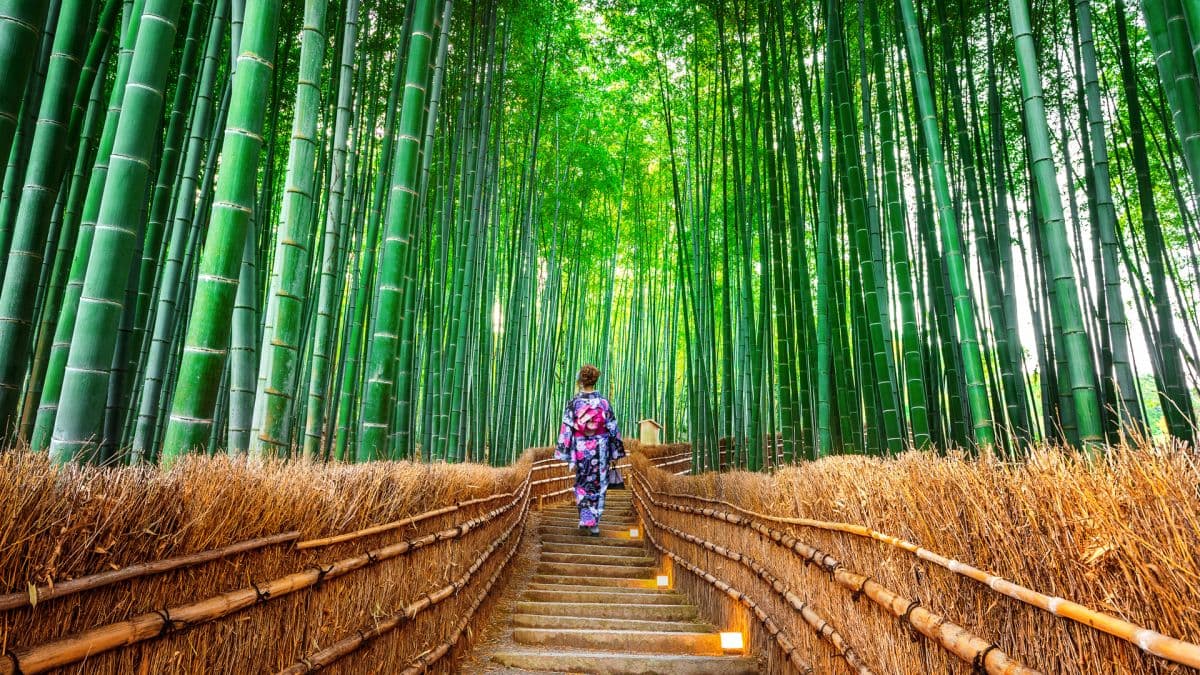
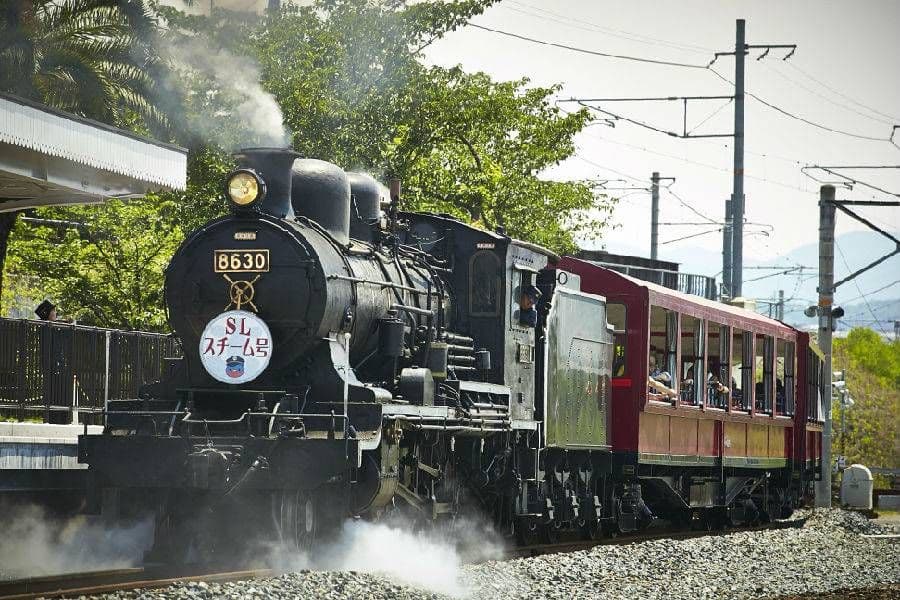
![Kyoto Arashiyama 1-day Tour [Sagano Scenic Railway, Bamboo Forest Path, Tenryu-ji Temple] Visit Hidden Gems](/_next/image?url=https%3A%2F%2Ftixlayer.com%2Fstorage%2Fattractions%2F2143%2Fgoogle_3_1776966510.jpg&w=3840&q=75)