Things to Do in Kota Kinabalu
19 experiences in Kota Kinabalu
Get notified about new experiences in Kota Kinabalu
Be the first to know when we add tours and tickets in Kota Kinabalu.
About Kota Kinabalu
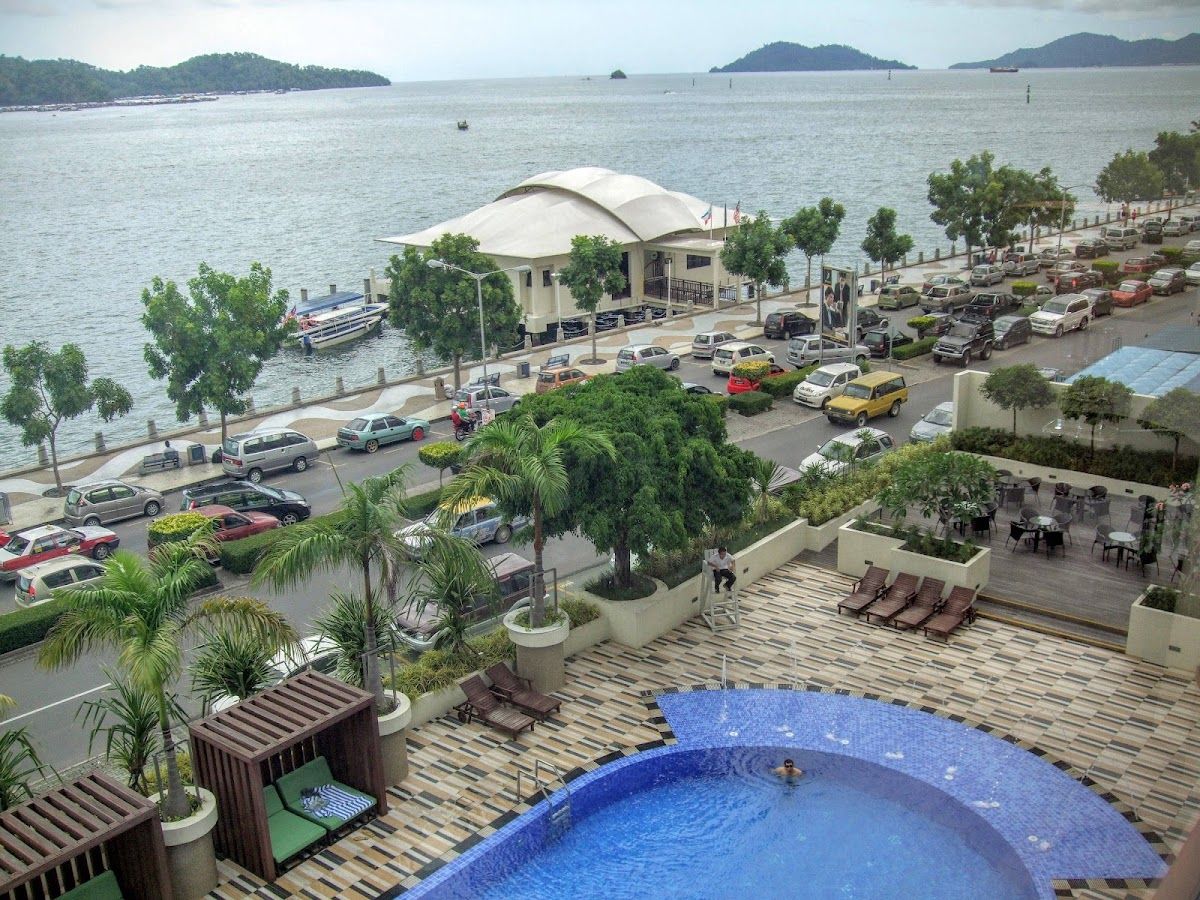
Kota Kinabalu sits on the northwest coast of Borneo, where the South China Sea meets a skyline dominated by Mount Kinabalu looming inland. Locals just call it KK, and it functions as the gateway to some of Southeast Asia's best diving, hiking, and rainforest trekking, while still holding its own as a destination worth a few days on its own merits. The waterfront promenade fills up every evening for one of the most reliable sunset shows in Asia, and the seafood scene alone justifies a visit — this is a city built around eating well and being near the water.
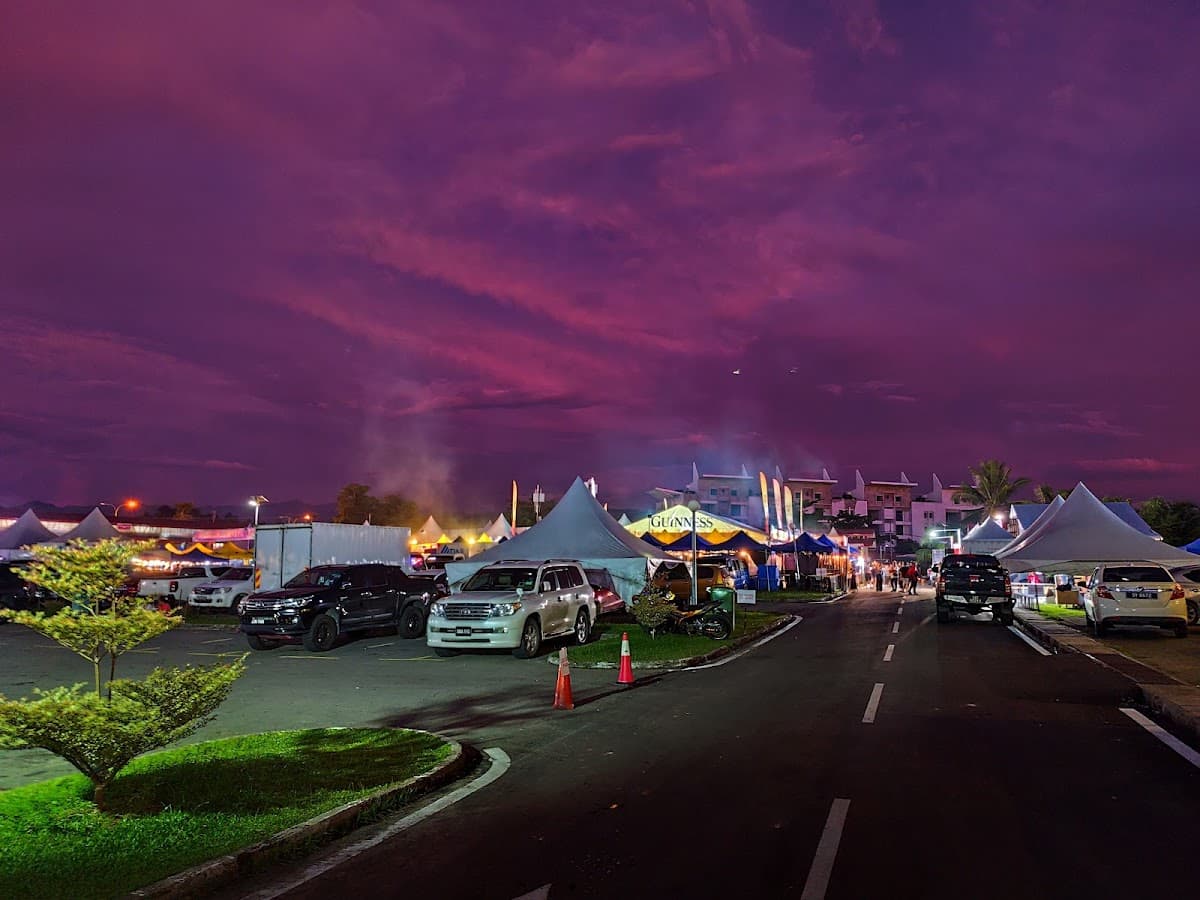
What sets KK apart from other Malaysian cities is the sheer range packed into a small footprint. You can dive at Tunku Abdul Rahman Marine Park in the morning, eat Filipino-style grilled seafood at the night market by sunset, and still be back at a rooftop bar by 9pm. The city itself is modest in scale and a bit rough around the edges architecturally — it was rebuilt after WWII bombing destroyed most of old Jesselton — so the appeal isn't colonial grandeur or old-town charm. It's the access: islands twenty minutes offshore, jungle two hours inland, and a genuinely multicultural food culture shaped by Malay, Chinese, Kadazan-Dusun, and Filipino influences.
KK works well for divers and hikers using it as a base, for families wanting an easy beach-and-island trip without a long transfer, and for anyone who wants a slower, less polished alternative to Kuala Lumpur or Penang. It's less suited to travelers wanting boutique shopping, nightlife density, or heritage architecture — for that, look elsewhere in Malaysia. But if the plan involves climbing Mount Kinabalu, diving Sipadan or the islands nearby, or just eating your way through a seafood market with your feet in the sand, KK is close to essential.
Good to Know
- Get a local SIM at the airport arrival hall (Digi, Celcom, or Maxis) — prepaid tourist SIMs with data cost around RM30-50 and are far easier than relying on hotel wifi
- Tipping isn't customary or expected in Malaysia; rounding up for good service is appreciated but never required
- Dress modestly when visiting mosques or rural villages — cover shoulders and knees, and carry a light scarf for spontaneous stops
- Bring cash for night markets, seafood stalls, and small boats to the islands, since card acceptance is inconsistent outside malls and hotels
- Book Mount Kinabalu climbing permits well in advance through a registered operator, as spots are limited daily
- KK is generally safe, but keep valuables secure on crowded ferries and be cautious swimming at unmonitored beaches due to currents
- Sun protection matters more than people expect — reef-safe sunscreen is worth packing for island days, and shade at midday is limited on boats
- Ramadan timing shifts restaurant hours in Malay-owned establishments, so check ahead if traveling during that period