Things to Do in Banyuwangi
7 experiences in Banyuwangi
Get notified about new experiences in Banyuwangi
Be the first to know when we add tours and tickets in Banyuwangi.
About Banyuwangi
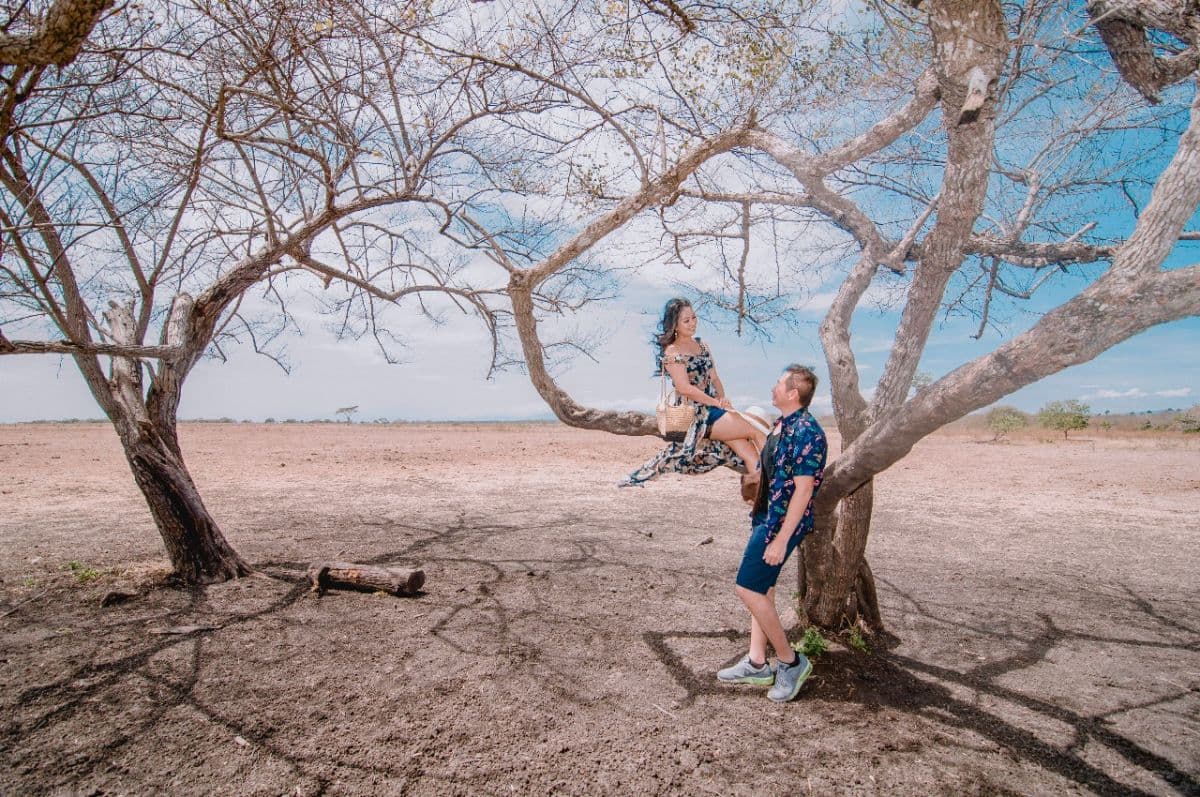
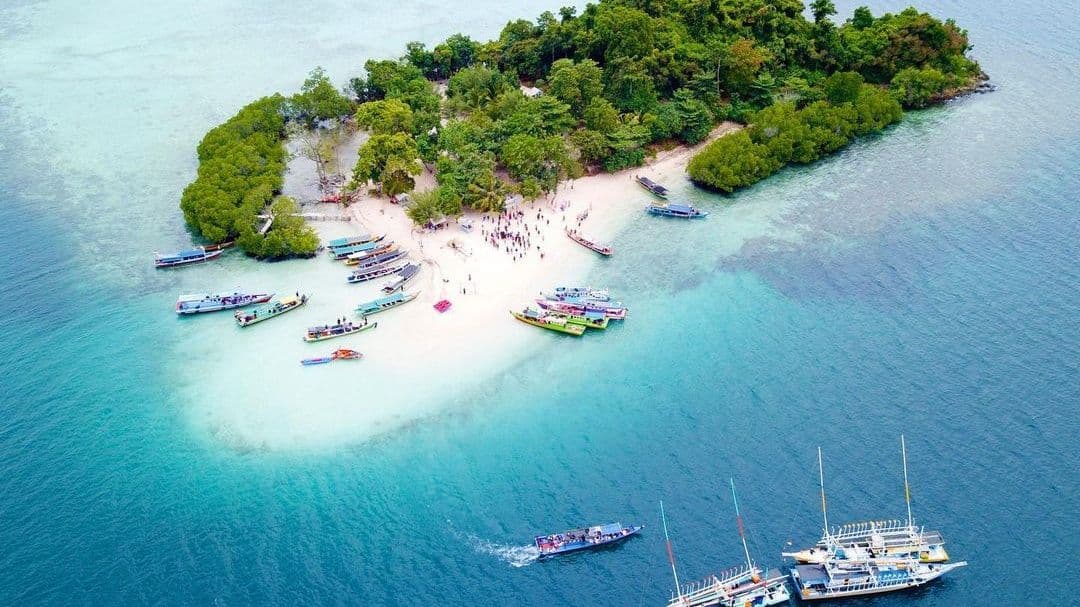
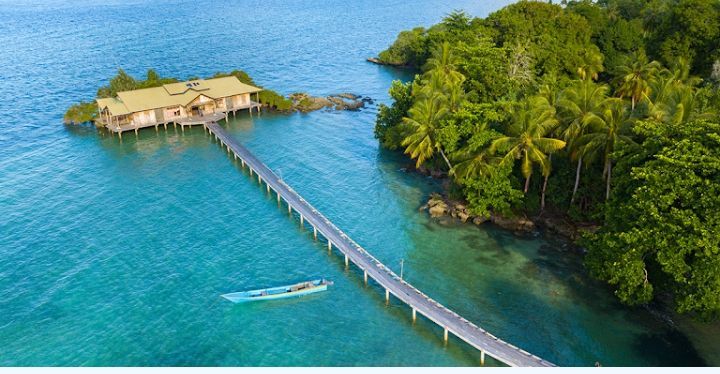
Banyuwangi sits at Java's easternmost tip, where the island narrows to a strait facing Bali, and for years it was simply the ferry crossing point everyone rushed through. That's changed. The regency government has spent the last decade turning Banyuwangi into a destination in its own right, and the payoff is a district that packs volcanoes, blue fire craters, savanna plains, coral reefs, and mangrove forests into a compact, relatively untouristed area. This is Java without the crowds of Yogyakarta or Bromo's viewpoint car parks.
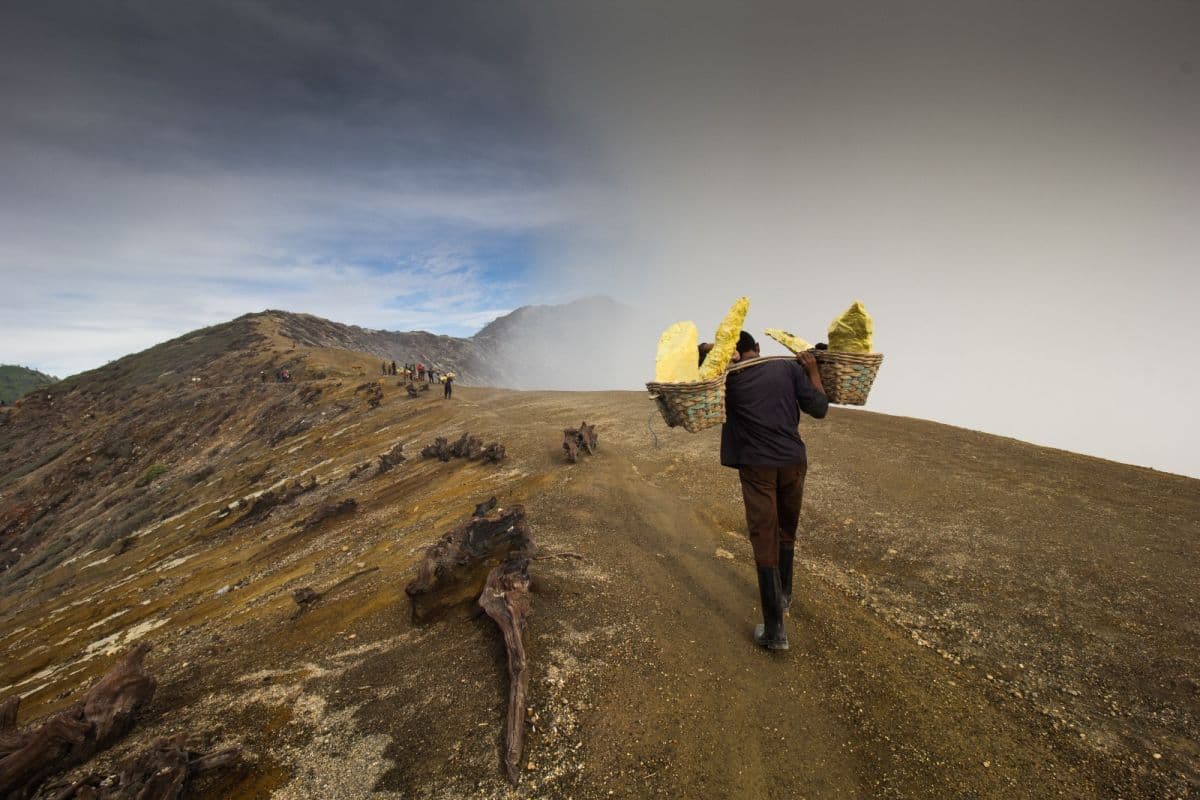
The town itself is modest and workaday — a grid of government buildings, batik shops, and warungs rather than a resort strip — but that's not why people come. Banyuwangi is a base camp. Ijen crater with its electric-blue sulphur flames burns just after midnight a couple hours inland. Alas Purwo National Park has surfable waves and wild banteng cattle. Sukamade beach hosts sea turtle nesting. Red Island (Pulau Merah) offers a surf break that's starting to attract attention from wave-hunters tired of Bali's crowds. You can genuinely do a volcano hike at 2am and be snorkeling by early afternoon.
It suits independent travelers, hikers, and anyone who's done Bali and Yogya already and wants something rawer. It's less suited to people wanting nightlife, boutique shopping, or a lazy beach holiday with infrastructure to match — accommodation outside a few hotels is basic, English is patchy, and distances between sights are real (an hour-plus drive is normal). Rent a car with a driver, or a scooter if you're experienced, and treat Banyuwangi town as your logistics hub rather than the attraction itself.
Good to Know
- Buy a local SIM (Telkomsel has the best coverage in rural areas like Ijen and Baluran) at the airport or a minimarket — data is cheap, around 50,000 IDR for several GB
- Bring cash; card acceptance is rare outside chain hotels, and ATMs are sparse once you leave the city center
- For Ijen, book a permit and guide in advance through your hotel or a licensed operator — gas masks are essential near the crater rim and can be rented on-site for a small fee
- Dress modestly when visiting mosques or Using villages; at the beach and on hikes normal activewear is fine
- Tipping isn't obligatory but 10,000–20,000 IDR for a driver or guide after a full day is appreciated and increasingly expected
- Negotiate ojek and unmetered taxi fares before getting in, or use Grab/Gojek where available to avoid haggling
- The Ijen hike starts in the middle of the night and involves loose volcanic gravel — solid closed shoes are non-negotiable, sandals will wreck your ankles
- Malaria precautions are worth discussing with a doctor before visiting Alas Purwo or Baluran, as these are forested/rural zones