Washington Travel Guide: Plan Your Perfect Trip
By Matt Cuckston, Founder & Travel Technology Expert at TixLayer
Few cities in the world carry as much symbolic weight as Washington DC. Home to the institutions that shape a nation, free world-class museums, and some of the most recognisable architecture on the planet, it rewards first-time visitors and repeat travellers alike. If you're searching for the best things to do in Washington DC, you've come to the right place. This guide walks you through everything from transport logistics to where to grab a great meal, so you can spend less time planning and more time exploring.
---
Getting to Washington DC
Washington is served by three major airports. Ronald Reagan Washington National Airport (DCA) is the most convenient, sitting just across the Potomac River in Virginia with direct Metro access into the city. Dulles International Airport (IAD) handles more international flights but sits about 45 minutes from downtown, requiring a shuttle or rideshare. Baltimore/Washington International (BWI) is a solid budget option, especially if you're flying Southwest, with MARC train and shuttle connections available.
Amtrak's Northeast Corridor is one of the most practical ways to arrive if you're coming from New York, Philadelphia, or Boston. Union Station is centrally located and well-connected to the Metro system. Greyhound and FlixBus also serve the city at lower price points for budget-conscious travellers.
---
Getting Around the City
The Washington Metro is clean, reliable, and covers most major tourist areas. A SmarTrip card is worth picking up on arrival since it gives you a small discount per ride over paying cash. Fares are distance-based and peak-hour pricing applies on weekdays, so plan museum days around that if you're watching your budget.
For a more memorable way to see the sights, consider a Washington DC Electric Bike Tour or a Washington DC Monuments & Memorials Segway Tour. Both options let you cover ground efficiently while keeping the experience enjoyable rather than exhausting. The National Mall is largely flat and very bikeable, making two-wheeled tours particularly well-suited to this city.
Rideshare apps like Uber and Lyft work well throughout DC, and Capital Bikeshare has docking stations across the city for short trips. Walking is genuinely practical in central areas, especially between the Mall, Capitol Hill, and Dupont Circle.
---
Best Neighbourhoods to Stay In
Capitol Hill is ideal if you want to be close to the main landmarks. It has a residential feel, good food options, and Eastern Market is a short walk away.
Dupont Circle suits travellers who want a lively neighbourhood with independent restaurants, bookshops, and easy Metro access. It sits between the Mall and Adams Morgan.
Georgetown is one of the most photogenic areas in the city, with Federal-style architecture, the C&O Canal, and a strong dining scene. It doesn't have a Metro stop, but it's walkable from Foggy Bottom station.
Logan Circle has become a go-to for travellers who want good coffee, interesting restaurants, and proximity to both downtown and U Street without paying the highest hotel rates.
---
When to Visit Washington
Spring is the most popular time to visit, particularly late March through April when the famous cherry blossoms bloom around the Tidal Basin. It's genuinely spectacular, but expect crowds and book accommodation well in advance.
Fall (September through November) is arguably the best time to visit for a balanced experience. Temperatures are comfortable, crowds thin out after Labor Day, and the foliage around Rock Creek Park and Georgetown is beautiful.
Summer is hot and humid, with temperatures regularly exceeding 35°C (95°F) in July and August. The city is also at its busiest with school groups and family holidays. If you do visit in summer, start your days early and use the free Smithsonian museums as midday retreats from the heat.
Winter is underrated. Hotel prices drop significantly, lines at major attractions are shorter, and the monuments take on a quiet, reflective quality. The city doesn't shut down in cold weather, and there's something genuinely moving about visiting the Lincoln Memorial on a crisp January morning.
---
What to See and Do
The Smithsonian Institution is the backbone of any Washington DC itinerary. It operates 19 museums and galleries, all free to enter. The Smithsonian Museum of Natural History Exclusive Guided Tour is a great way to make sense of the collection without spending hours wandering aimlessly. Similarly, the DC Smithsonian Highlights Walking Tour with Air and Space gives you a curated introduction to multiple institutions in one go.
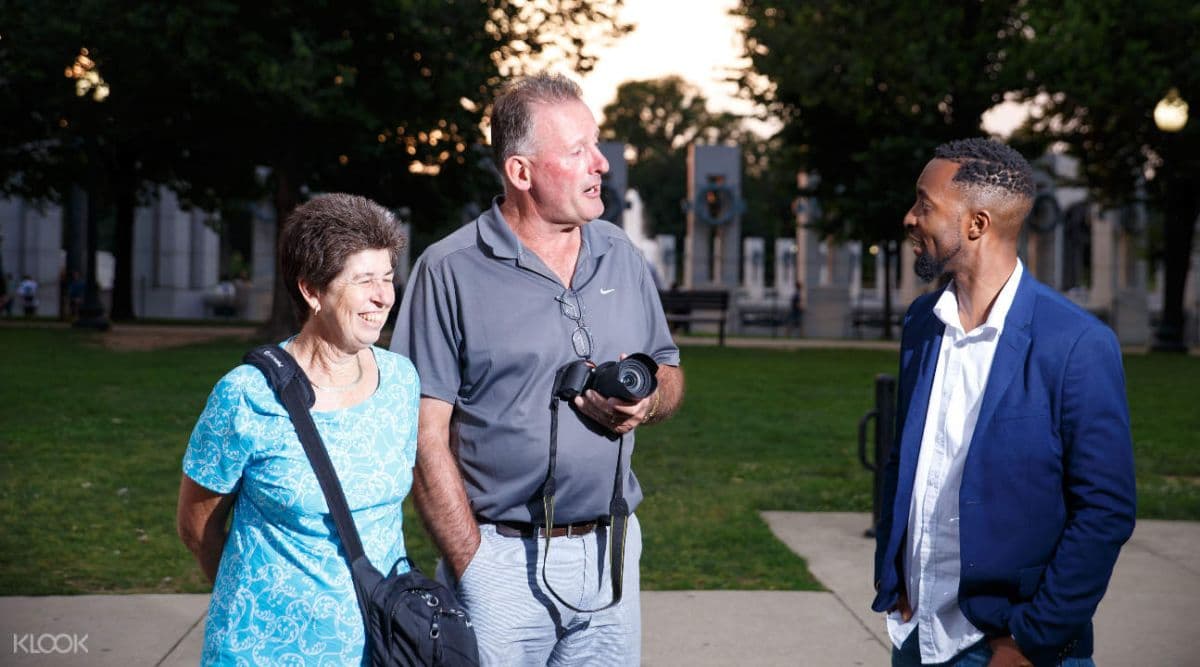
The monuments and memorials along the National Mall are among the most powerful public spaces in the world. The Lincoln Memorial, Vietnam Veterans Memorial, and Martin Luther King Jr. Memorial all carry significant emotional weight. Seeing them at night adds another dimension entirely. The Washington DC Guided Night Tour is a particularly good option for this, as the illuminated monuments feel completely different after dark.
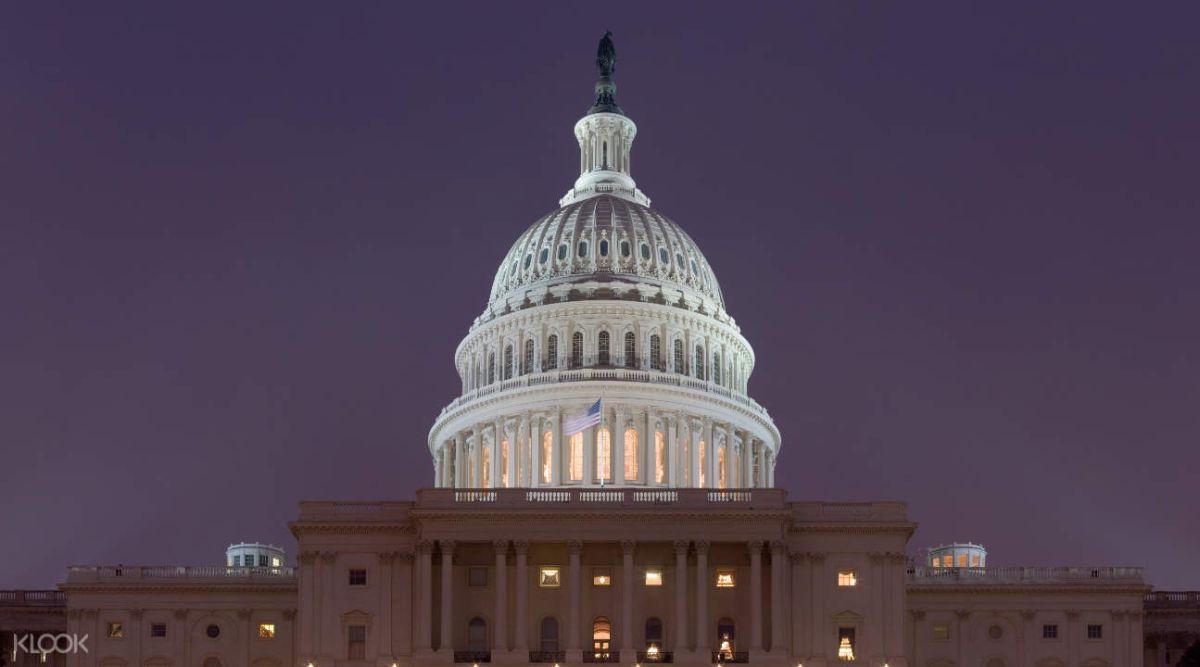
Capitol Hill is worth more than a passing glance. The US Capitol Building and Capitol Hill Walking Tour puts the architecture and history into proper context, which makes the visit significantly more meaningful than just walking past.
For history enthusiasts, the Night of Lincoln Assassination: from White House to Ford's Theatre tour is one of the most compelling evening experiences in the city, tracing the events of April 14, 1865 across multiple locations.
---
Where to Eat
Washington has a genuinely strong food scene that doesn't get enough credit. Ben's Chili Bowl on U Street is a local institution that has served its famous half-smokes since 1958. It's worth the visit for the history as much as the food.
For something more elevated, the area around 14th Street NW has a high concentration of quality restaurants. Tail Up Goat in Adams Morgan is a standout for creative cooking. The Reading Terminal-style food halls like Union Market in NoMa are excellent for grazing and sampling local producers.
Georgetown has plenty of dining options, though quality varies. Stick to the side streets rather than the main drag on M Street for better value. Eastern Market on Capitol Hill is a great Saturday morning destination for fresh produce and prepared food.
Budget travellers will find food trucks throughout the Mall area at lunchtime, and most neighbourhoods have solid Ethiopian, Vietnamese, and Latin American options at very reasonable prices.
---
Budget Expectations
Washington DC is a moderately expensive city by American standards, though the free museums significantly reduce the cost of sightseeing. Budget travellers can manage on $100 to $150 per day including accommodation in a hostel or budget hotel, Metro travel, and meals at casual spots. Mid-range travellers should expect $200 to $350 per day for a comfortable hotel, sit-down meals, and a couple of paid tours or activities. Luxury options are plentiful, with several high-end hotels near the Mall and in Georgetown.
The biggest savings come from visiting free attractions (the Smithsonian museums are genuinely world-class), using the Metro instead of taxis, and eating lunch rather than dinner at higher-end restaurants.
---
Insider Tips
Visit the Library of Congress reading rooms. Most visitors skip this entirely, but the Thomas Jefferson Building is one of the most architecturally stunning interiors in the United States. Entry is free and the Great Hall is open to the public without needing a library card.
The National Mall is bigger than it looks on maps. Walking from the Lincoln Memorial to the Capitol Building is about 3 kilometres. Many visitors underestimate this and run out of energy before reaching the eastern monuments. Plan your route in advance or use a bike tour to cover the full stretch comfortably.
Congressional hearings are often open to the public. If you're interested in seeing American democracy in action rather than just the buildings around it, check the House and Senate committee schedules on congress.gov before your trip. Attending a hearing is a genuinely memorable experience that most tourists never consider.
---
Practical Tips
- Tipping is standard at 18 to 20 percent in restaurants
- Many museums require timed entry passes during busy periods, book ahead online
- The city observes federal holidays, which can affect museum hours and Metro schedules
- Tap water is safe to drink throughout the city
- The 911 emergency number applies across the US
Washington DC rewards curious, unhurried travellers. Give yourself at least three to four days to scratch the surface, and consider building in time to simply sit by the Reflecting Pool or walk along the Potomac. The city has a way of feeling both monumental and deeply personal at the same time.