Barcelona hits differently than other European capitals. Maybe it's the way morning light catches Gaudí's impossible curves, or how the city seamlessly blends medieval streets with cutting-edge design. Whatever it is, this Catalan capital offers experiences you simply can't find anywhere else.
From world-famous basilicas to hole-in-the-wall tapas joints, here are the essential Barcelona experiences that'll make your trip unforgettable.
Sagrada Família: Gaudí's Unfinished Masterpiece
This isn't just a church—it's an architectural fever dream that's been under construction since 1882. Gaudí's basilica defies every rule of traditional Gothic architecture, with facades that look like melting sand castles and interiors resembling an enchanted forest.
The Nativity Facade tells the story of Christ's birth through stone so detailed you can spot everything from turtles to fruit. Inside, tree-like columns branch toward a ceiling that filters light like a canopy. It's genuinely moving, regardless of your religious beliefs.
Practical Tips: Book skip-the-line tickets online (€26-€36). Early morning (9 AM) or late afternoon visits offer the best lighting and smaller crowds. Allow 2-3 hours minimum. The tower access (additional €10) provides stunning city views but involves climbing 400+ steps.
Best For: Everyone, though the spiritual atmosphere particularly resonates with couples and solo travelers seeking contemplation.
Park Güell: Where Fantasy Meets Reality
Originally designed as a luxury housing development, Park Güell became one of the world's most whimsical public spaces when the project failed. Gaudí's imagination runs wild here—think mosaic lizards, candy-house pavilions, and the famous serpentine bench overlooking Barcelona.
The monumental zone contains the iconic elements you've seen in photos, while the free areas offer peaceful walking paths through Mediterranean forest. The views from the main terrace, especially at sunset, are absolutely spectacular.
Practical Tips: Timed entry tickets required for the monumental zone (€10-€13). Visit early morning or late afternoon for better photos. Allow 2-3 hours. The park is quite hilly, so wear comfortable shoes.
Best For: Families love the fairy-tale atmosphere, while photographers will find endless inspiration. The steep paths might challenge those with mobility issues.
Casa Batlló: Living in a Fairy Tale
This isn't just Gaudí's most famous residential building—it's architecture as pure imagination. The facade ripples like water, balconies resemble carnival masks, and the roof looks like a dragon's back. Local legend says it represents Saint George slaying the dragon.
Inside, everything flows organically. There are no straight lines, doors fit like puzzle pieces, and the central light well creates an underwater ambiance with blue tiles graduating from dark to light.
Practical Tips: Tickets cost €35-€45 depending on season. The audio guide (included) uses AR technology for an enhanced experience. Visit mid-morning to avoid crowds. Allow 1.5-2 hours.
Best For: Design enthusiasts and couples seeking something romantic. The AR features particularly engage tech-savvy visitors.
La Boqueria Market: A Feast for All Senses
Forget tourist traps—La Boqueria is where Barcelona's food culture truly lives. This covered market has fed the city since the 13th century, and today it's an explosion of color, aroma, and flavor that reflects Catalonia's incredible culinary diversity.
Head straight to Kiosko Universal for the city's best bocadillos, or try fresh-squeezed juices from one of the many fruit stalls. The jamón ibérico, local cheeses, and seasonal produce offer perfect picnic supplies.
Practical Tips: Visit after 10 AM when all stalls are open. Bring cash—many vendors don't accept cards. Allow 1-2 hours for browsing and eating. Avoid lunch rush (2-3 PM) unless you enjoy crowds.
Best For: Food lovers of all types. Solo travelers will find it easy to chat with vendors, while families can turn it into an educational adventure.
Gothic Quarter: Medieval Magic
The Barrio Gótico isn't just old—it's a living museum where Roman walls meet medieval palaces and modern boutiques. Getting lost here is part of the experience, with narrow alleys opening onto hidden squares and centuries-old churches.
Don't miss Plaça Sant Jaume, the political heart of Catalonia, or the hauntingly beautiful Santa María del Pi. The Jewish Quarter tells the story of Barcelona's once-thriving Sephardic community.
Practical Tips: Wear comfortable shoes for cobblestone streets. Evening visits offer magical lighting and fewer crowds. Allow half a day to properly explore. Keep valuables secure in crowded areas.
Best For: History buffs and romantic couples. The atmospheric streets are perfect for evening strolls, though families should watch for uneven surfaces.
Casa Milà (La Pedrera): Stone Waves and Rooftop Dreams
Gaudí's final residential building looks like it was carved from a single massive stone. The undulating facade earned it the nickname "La Pedrera" (The Stone Quarry), but inside reveals Gaudí's genius for functional beauty.
The rooftop is the real star, with chimney sculptures that look like medieval knights. The audio-visual show at night transforms the space into a surreal dreamscape.
Practical Tips: Day tickets (€22-€28) include rooftop access. Night visits (€34) offer a multimedia experience but book well ahead. Allow 1.5-2 hours. The building has no elevator to upper floors.
Best For: Architecture enthusiasts and Instagram lovers. The night show appeals to couples seeking a unique romantic experience.
Barcelona Cathedral: Gothic Grandeur
While tourists flock to Sagrada Família, locals often prefer their Gothic cathedral. Built over 150 years (13th-15th centuries), it represents classic Catalan Gothic architecture at its finest.
The cloister houses 13 white geese (honoring 13-year-old patron saint Eulalia) and provides a peaceful escape from city noise. Climb to the rooftop for panoramic views rivaling any modern observation deck.
Practical Tips: Basic entry is free during prayer hours (8:30-12:30 PM and 5:45-7:30 PM). Full tourist access costs €9 and includes rooftop. Allow 1-2 hours. Dress modestly—shoulders and knees covered.
Best For: Those seeking spiritual atmosphere or architectural history. The peaceful cloister especially appeals to solo travelers and couples.
Camp Nou: Cathedral of Football
Even non-football fans often find themselves moved by FC Barcelona's home stadium. The largest stadium in Europe (99,354 capacity) isn't just about sports—it's about Catalan identity, political resistance, and pure passion.
The museum chronicles not just football history but Barcelona's role in Catalan culture. Standing on the pitch where Messi made magic happen gives you chills, guaranteed.
Practical Tips: Stadium tours cost €25-€30. Match tickets range from €39-€300+ depending on seats and opponent. Tours take 2-3 hours. Check the website for closure during events.
Best For: Football fans obviously, but also anyone interested in Catalonian culture. Families will love the interactive museum elements.
Park de la Ciutadella: Barcelona's Green Heart
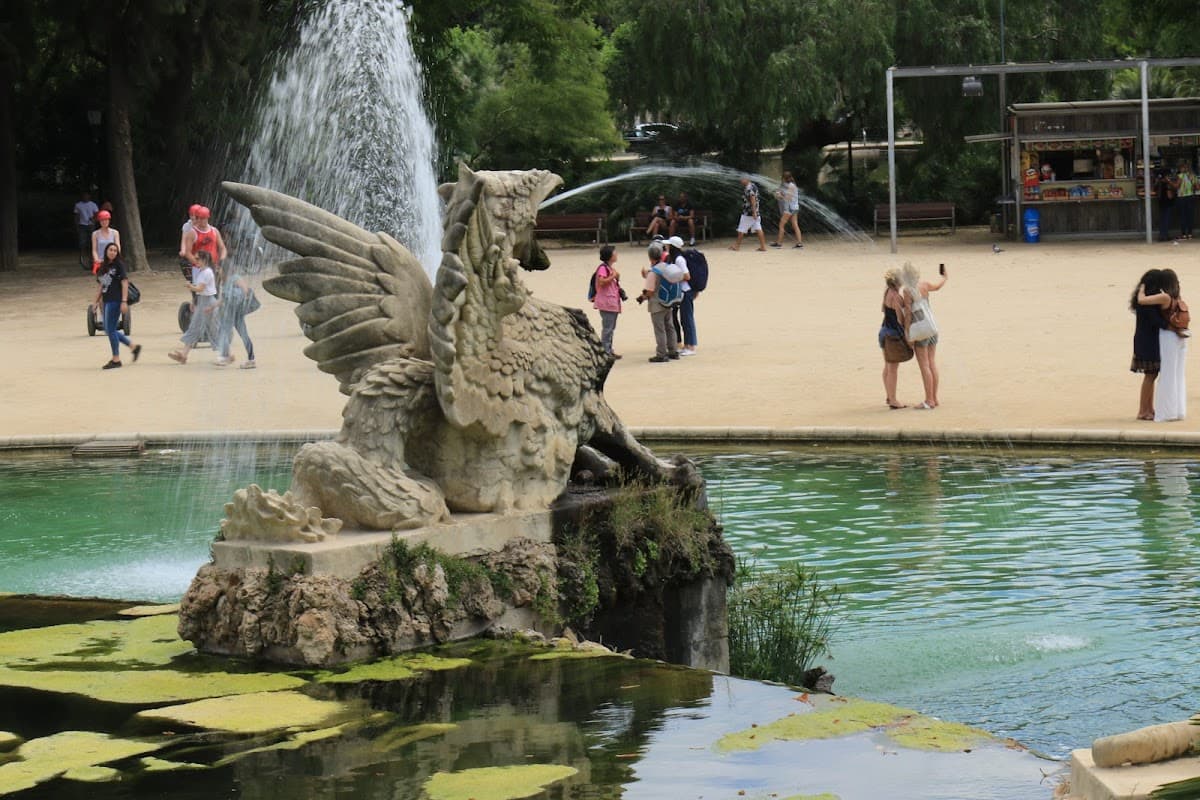
This 70-acre park offers much more than green space. Built on the site of a demolished military fortress, it houses the Catalonian Parliament, Barcelona Zoo, and the spectacular Cascada Monumental fountain that young Gaudí helped design.
Rent a rowboat on the small lake, watch street performers, or simply people-watch from the shade of a palm tree. It's where Barcelona comes to breathe.
Practical Tips: Free entry always. Best visited morning or late afternoon when locals exercise and socialize. Allow 2-4 hours depending on activities. The zoo requires separate admission (€21).
Best For: Families with children will find playgrounds and zoo animals. Couples can enjoy romantic boat rides, while solo travelers love the laid-back atmosphere.
Palau de la Música Catalana: Modernist Concert Hall
This UNESCO World Heritage concert hall proves that Modernisme wasn't just about Gaudí. Lluís Domènech i Montaner created a temple to music with stained glass, intricate mosaics, and a ceiling skylight that looks like an inverted flower.
Even if classical music isn't your thing, the architecture alone justifies a visit. The guided tours reveal details you'd miss during performances.
Practical Tips: Guided tours cost €20 and run every 30 minutes. Concert tickets range from €25-€150. Tours take 1 hour. Book online to guarantee English-language guides.
Best For: Architecture and music lovers. The intimate space creates a romantic atmosphere perfect for couples on evening concert dates.
El Raval: Creative Chaos
Once Barcelona's red-light district, El Raval has transformed into the city's most creative neighborhood. Street art covers building walls, vintage shops mix with avant-garde galleries, and some of the city's best restaurants hide down narrow streets.
The MACBA (Barcelona Museum of Contemporary Art) anchors the cultural scene, while the Mercat de Sant Antoni offers a more authentic market experience than touristy La Boqueria.
Practical Tips: Explore during daytime for safety and to see shops open. Allow half a day for proper exploration. Some areas still feel sketchy at night, so stay aware of surroundings.
Best For: Creative types and urban explorers. Solo travelers will find plenty of interesting cafes for working, while couples can discover hidden bars.
Montjuïc Hill: Views, Culture, and Gardens
This hill overlooking the port offers Barcelona's best panoramic views plus world-class museums. Take the cable car up for dramatic city and sea vistas, then explore the Miró Foundation, National Art Museum of Catalonia, or the Magic Fountain show.
The Montjuïc Castle tells stories of Barcelona's darker periods, while the Olympic Stadium recalls the city's 1992 transformation.
Practical Tips: Cable car costs €13 roundtrip. Allow a full day to see multiple attractions. The Magic Fountain shows run Thursday-Sunday evenings (free). Comfortable walking shoes essential.
Best For: Culture enthusiasts and photographers. Families enjoy the gardens and fountain shows, while couples find romantic sunset spots.
Gràcia Neighborhood: Village Within the City
Gràcia maintains the feel of a separate village, which it was until Barcelona absorbed it in 1897. Plaça del Sol buzzes with outdoor cafes, while Park Güell crowns the neighborhood's highest point.
The narrow streets hide creative boutiques, organic restaurants, and some of Barcelona's best nightlife. During the Festa Major (August), the entire neighborhood transforms into a street party.
Practical Tips: Best explored on foot over several hours. Evening visits offer the best atmosphere when locals fill the squares. Many shops close for siesta (2-5 PM).
Best For: Those seeking authentic local life. Solo travelers and couples will find intimate bars and restaurants, while the community vibe appeals to all ages.
Beaches: Mediterranean Magic
Barcelona's beaches stretch for miles along the Mediterranean, each with its own personality. Barceloneta offers classic beach life with chiringuitos (beach bars) and volleyball courts. Bogatell attracts a younger crowd, while Mar Bella welcomes nudists.
The Port Olímpic area buzzes with restaurants and nightlife, perfect for sunset dining with sea views.
Practical Tips: Free beach access always. Summer brings crowds—visit early morning or evening. Beach bars get expensive. Allow half to full day. Public showers and changing rooms available.
Best For: Everyone needs beach time. Families love Barceloneta's amenities, while couples prefer the quieter northern beaches.
Tapas Trail: Beyond Tourist Traps
Real Barcelona tapas culture happens in neighborhood bars where locals gather after work. Start with Cal Pep (if you can get in) for the full experience, or try Bar Mut for modern interpretations of classics.
The key is pintxos crawling—one or two dishes per place, always with wine or beer. Gilda (olive, anchovy, and pickle skewer) remains the perfect simple tapas.
Practical Tips: Budget €30-€50 per person for a proper crawl. Peak hours are 7-9 PM when locals eat. Learn basic Spanish/Catalan phrases for better service. Allow 3-4 hours for multiple stops.
Best For: Food lovers and social travelers. Solo visitors often strike up conversations at bar counters, while groups can share more dishes.
Barcelona rewards the curious traveler. Whether you're marveling at Gaudí's impossible architecture, getting lost in medieval streets, or discovering your new favorite tapas bar, this city offers experiences that linger long after you've returned home. The secret is balancing the must-sees with those spontaneous moments that happen when you simply wander and wonder.