Reisgids voor Straatsburg: Plan je perfecte reis
Door Matt Cuckston, oprichter & expert in reistechnologie bij TixLayer
Straatsburg is een van die steden die mensen oprecht verrast. De meeste bezoekers verwachten een schilderachtig Elzasser stadje, maar ontdekken een stad met veel meer diepgang: een Europese hoofdstad in elke zin van het woord, de thuisbasis van de Raad van Europa en het Europees Parlement, maar nog steeds intiem genoeg om bijna volledig te voet te verkennen. Als je op zoek bent naar dingen om te doen in Straatsburg, is deze gids je startpunt voor het plannen van een reis die echt werkt.
---
Hoe kom je er
Per vliegtuig: Luchthaven Straatsburg (SXB) ontvangt vluchten vanuit verschillende Europese steden, waaronder Londen Heathrow via British Airways en diverse routes vanuit Parijs, Amsterdam en Madrid. Het is een kleine, overzichtelijke luchthaven en met de tram ben je in slechts 15 minuten in het stadscentrum.
Per trein: Voor veel bezoekers is dit de meest comfortabele optie. De TGV verbindt Parijs Gare de l'Est met Straatsburg in minder dan twee uur. Vanuit Frankfurt duurt de reis ongeveer een uur en 45 minuten. Eurostar-passagiers kunnen gemakkelijk via Parijs overstappen. Het hoofdstation, Gare de Strasbourg, ligt direct aan de rand van het stadscentrum.
Per auto: Straatsburg is goed bereikbaar via de belangrijkste Europese snelwegen. Het wordt echter afgeraden om het centrum in te rijden. Parkeer bij een van de vele P+R-faciliteiten (Park and Ride) langs de tramlijnen en laat de auto daar staan voor de duur van je verblijf.
---
Vervoer ter plaatse

Straatsburg is uitstekend ingericht voor bezoekers die liever niet met de auto reizen. Het tramnetwerk is schoon, punctueel en bestrijkt de meeste gebieden die je wilt bezoeken. Een enkel ticket kost ongeveer €1,90 en dagpassen zijn beschikbaar voor €4,80.
Fietsen is misschien wel de beste manier om de stad te verkennen. De stad heeft een uitgebreid netwerk van fietspaden en het Vélhop-deelsysteem biedt betaalbare verhuur voor korte termijn. Veel inwoners fietsen het hele jaar door, zelfs in de winter.
Het historische centrum, Grande Île, is compact genoeg om in 20 minuten doorheen te wandelen. Voor de meeste bezienswaardigheden kun je alles te voet bereiken.
---
Beste wijken om te verblijven
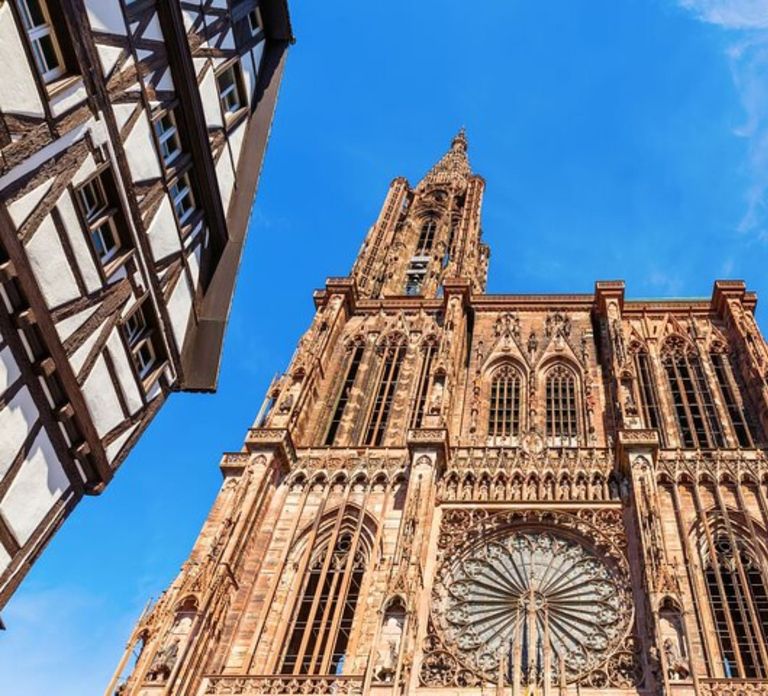
Grande Île: Het UNESCO-werelderfgoed in het hart van de stad. Als je hier verblijft, ben je op loopafstand van de kathedraal, de beste restaurants en de meeste belangrijke bezienswaardigheden. Hotels zijn hier duurder, maar het gemak is ongeëvenaard.
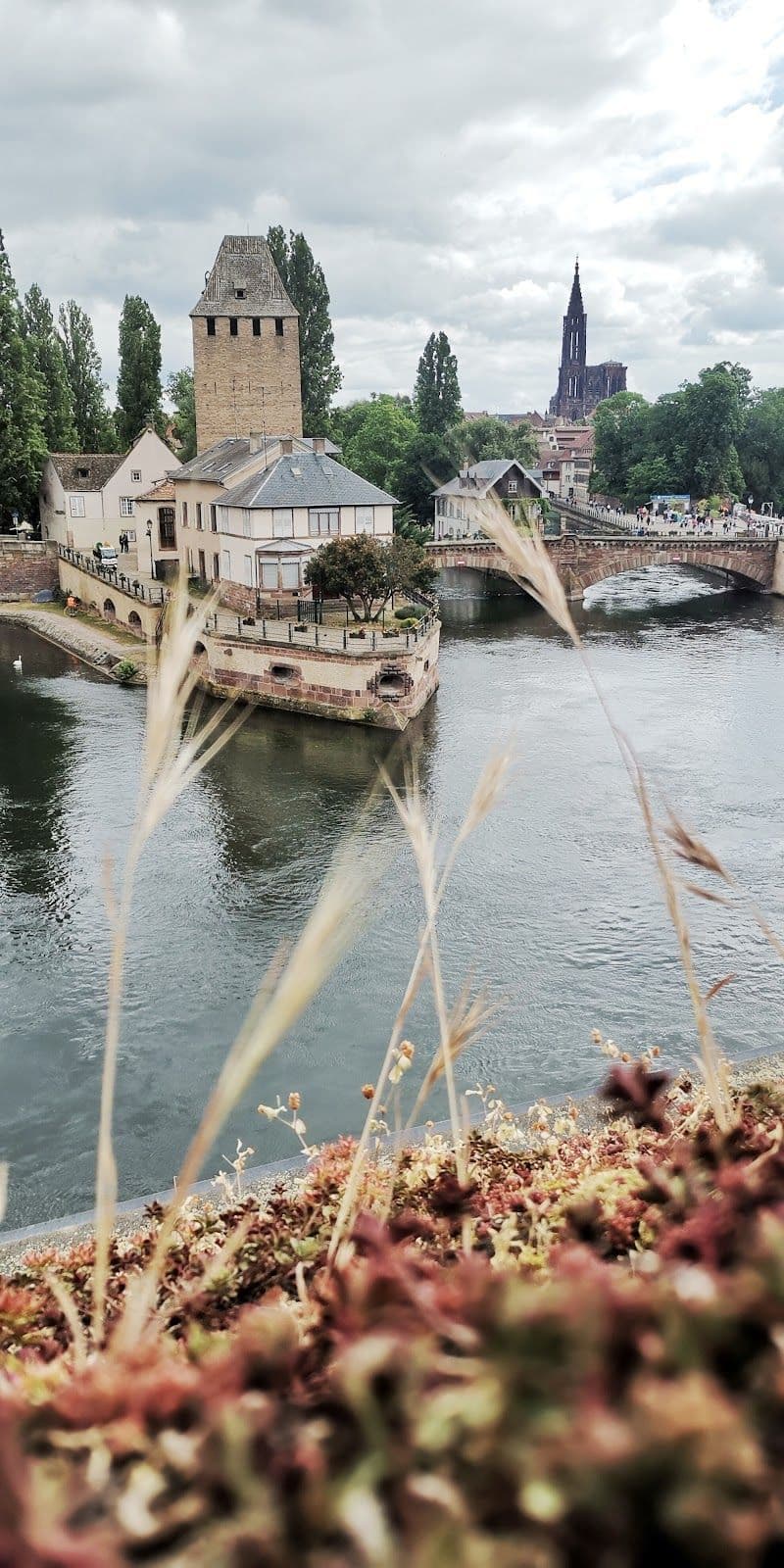
Petite France: De meest gefotografeerde wijk, met zijn vakwerkhuizen, grachten en bloemrijke bruggen. Charmant en centraal, hoewel het in het hoogseizoen erg druk kan zijn. Een goede uitvalsbasis als sfeer belangrijker is dan ruimte.
Neustadt: De Duitse keizerlijke wijk gebouwd na 1870, nu op zichzelf een UNESCO-werelderfgoedlocatie. Bredere straten, grootse architectuur en een meer lokale sfeer. Goede prijs-kwaliteitverhouding voor accommodaties en uitstekende buurtrestaurants.
Krutenau: De studentenwijk van Straatsburg, ten zuiden van de kathedraal. Een levendige barscene, betaalbaar eten en een jonger publiek. Een solide keuze voor budgetreizigers.
---
Wanneer bezoeken
Beste maanden: Mei, juni en september bieden de meest aangename omstandigheden. De temperaturen zijn comfortabel, de drukte is beheersbaar en de stad ziet er op zijn best uit met lange dagen.
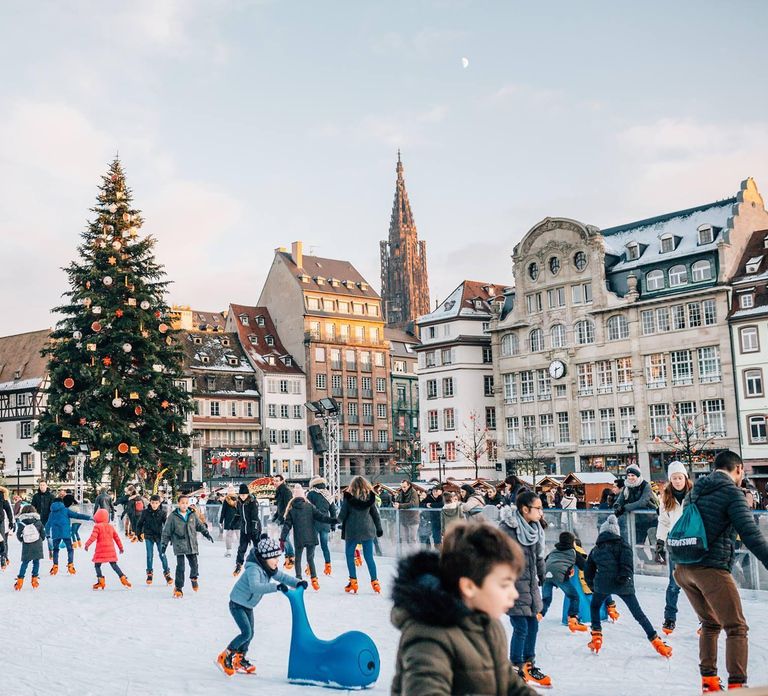
Kerstseizoen (eind november tot eind december): Straatsburg organiseert een van de oudste en meest sfeervolle kerstmarkten van Europa, die al sinds 1570 bestaat. De Strasbourg Christmas Market Tour is een echte aanrader om de markt te verkennen met iemand die het verhaal achter elk plein kent. Houd rekening met grote drukte en hogere prijzen voor accommodatie in deze periode, maar de sfeer is nergens anders zo uniek.
Wat te vermijden: Juli en augustus brengen veel toeristen en hogere prijzen met zich mee. De stad sluit niet, maar de drukte rond Petite France en de kathedraal kan het bezichtigen tot een opgave maken. Januari en februari zijn rustig en koud, wat voor sommige reizigers juist perfect is.
---
Wat te zien en te doen
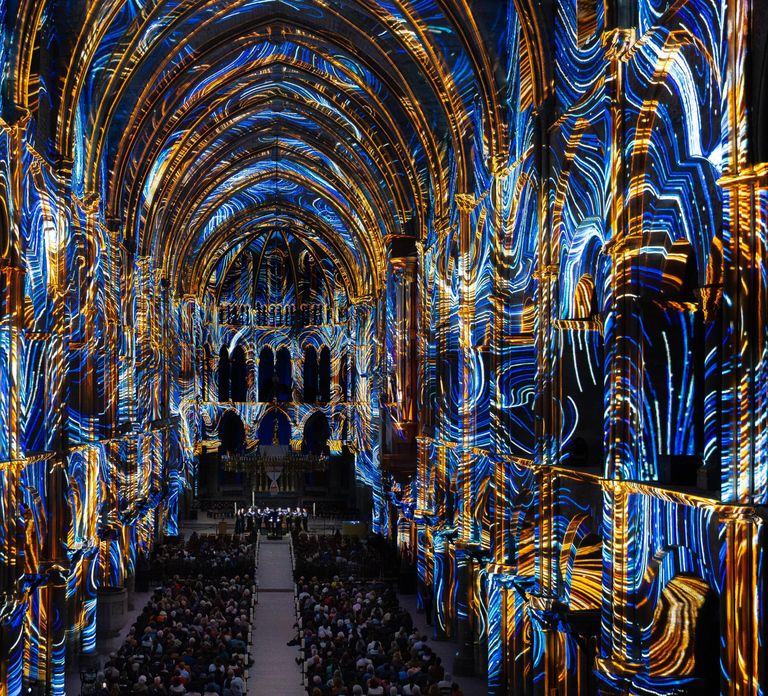
Kathedraal van Straatsburg: Een van de mooiste gotische kathedralen van Europa en ooit het hoogste gebouw ter wereld. Beklim het platform voor een weids uitzicht over de daken richting het Zwarte Woud. 's Avonds transformeert de LUMINISCENCE licht- en geluidsshow de gevel in iets werkelijk spectaculairs.
Petite France: Wandel langs de grachten, steek de Ponts Couverts over en beklim de Barrage Vauban voor het beste panoramische uitzicht over de wijk. Ga vroeg in de ochtend om de drukte voor te zijn.
Palais Rohan: Drie musea in één gebouw, waaronder een collectie schone kunsten en een museum voor decoratieve kunsten. Vaak over het hoofd gezien door eerste bezoekers.
Dagtrips in de Elzas: De dorpen langs de Elzasser wijnroute behoren tot de mooiste van Frankrijk. De Best of Alsace Full-Day Open-Top Bus Tour from Strasbourg bezoekt Colmar, Riquewihr en Kaysersberg in één dag, wat een praktische optie is als je weinig tijd hebt. Voor wijnliefhebbers gaat de Pearls of Vineyard Full-Day Trip from Strasbourg dieper in op de wijndorpen, inclusief proeverijen.
Europa-Park: Als je met kinderen reist of gewoon van pretparken houdt, is Europa-Park in Rust op ongeveer 45 minuten van Straatsburg en staat consequent in de top van beste pretparken in Europa.
---
Waar te eten
De Elzasser keuken is rijk, stevig en elke calorie waard. Tarte flambée (flammekueche) is het lokale plattebroodgerecht, dat het lekkerst is direct uit een houtoven. Choucroute garnie is de regionale versie van zuurkool met worst en varkensvlees, een gerecht waar de meningen over verdeeld zijn, maar dat het proberen waard is. Baeckeoffe is een langzaam gegaarde stoofpot van vlees en aardappelen die op de meeste traditionele menu's staat.
Voor een gestructureerde kennismaking met de lokale eetcultuur neemt de Strasbourg Walking Food Tour je mee door de oude stad met proeverijen op vier verschillende plekken; een goede manier om je op de eerste dag te oriënteren.
Waar te eten: Rue des Moulins en de straten rond Place du Marché Gayot bieden een goed aanbod aan restaurants zonder de toeristische prijzen van het kathedraalplein. De overdekte markt, Marché Couvert de la Petite France, is een bezoek waard voor lokale producten en een snelle lunch.
Budget: Een tarte flambée en een biertje kosten ongeveer €12-15. Een diner in een gemiddelde winstub (traditionele Elzasser taverne) kost €25-40 per persoon inclusief wijn. Straatsburg is naar Franse maatstaven geen goedkope stad, maar wel betaalbaarder dan Parijs.
---
Budgetverwachtingen
Straatsburg valt in de middenklasse voor Europese stedentrips. Budgetreizigers kunnen rondkomen van €70-90 per dag door in Krutenau of Neustadt te verblijven, te eten bij lokale bakkerijen en marktkraampjes en gebruik te maken van de tram. Reizigers met een gemiddeld budget van €120-180 per dag kunnen goed eten, centraal verblijven en hebben geld over voor museumbezoeken en een dagtrip. De stad beloont degenen die vooruit plannen, vooral voor accommodatie tijdens het kerstmarktseizoen, wanneer de prijzen kunnen verdubbelen.
---
Insidertips
1. De Neustadt is de moeite waard. De meeste bezoekers brengen al hun tijd door op Grande Île en missen de Duitse keizerlijke wijk volledig. Gebouwd tussen 1871 en 1918, is het een samenhangend stuk stadsplanning dat een gecompliceerde Frans-Duitse geschiedenis vertelt. Wandel langs Avenue de la Paix en rond Place de la République om een gevoel te krijgen van de schaal.
2. Bezoek het platform van de kathedraal, niet alleen het interieur. De klim naar het uitkijkplatform (ongeveer 330 treden) staat los van een bezoek aan de vloer van de kathedraal. Het uitzicht vanaf de top, kijkend richting de Rijn en het Zwarte Woud, is een van de beste in de regio en kost slechts een paar euro.
3. De tram gaat rechtstreeks naar de Europese instellingen. De meeste bezoekers realiseren zich niet dat je gewoon Tram E kunt nemen naar het Europees Parlement en rond de buitenkant van het complex van de Raad van Europa kunt wandelen. Het Europees Parlement biedt gratis rondleidingen aan wanneer het in zitting is, vooraf online te boeken. Het is een oprecht interessante toevoeging van een halve dag die niets kost.
---
Praktische tips
- De Strasbourg Pass (verkrijgbaar bij het toeristenbureau) dekt museumtoegang en een boottocht voor ongeveer €17 voor drie dagen. De moeite waard als je van plan bent meer dan twee musea te bezoeken.
- De meeste restaurants sluiten tussen de lunch en het diner, meestal van 14:30 tot 19:00 uur. Plan je maaltijden hierop.
- Frans is de voertaal, maar Duits wordt veel begrepen vanwege de geschiedenis van de stad en de nabijheid van de grens. Engels wordt gesproken in de meeste toeristische bedrijven.
- Kraanwater is veilig en van goede kwaliteit in de hele stad.
- Het toeristenbureau op Place de la Cathédrale heeft gratis plattegronden en kan accommodatie en tours boeken.
---
Straatsburg beloont 'slow travel'. Trek er indien mogelijk minstens drie dagen voor uit en weersta de drang om door de belangrijkste bezienswaardigheden te haasten. De stad heeft een tempo en een karakter dat zich geleidelijk onthult, en de omliggende Elzas voegt een geheel andere dimensie toe aan elk bezoek.