Phuket Travel Guide: Plan Your Perfect Trip
By Matt Cuckston, Founder & Travel Technology Expert at TixLayer
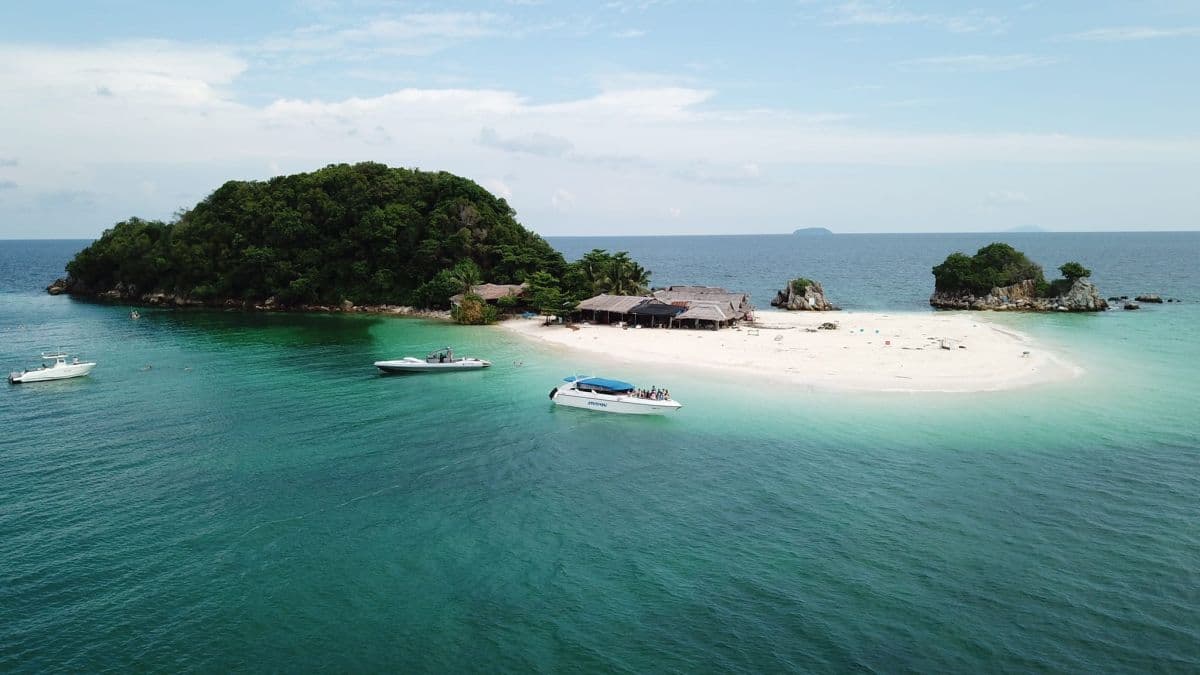
Thailand's largest island has a reputation that precedes it, and that reputation is both earned and slightly misleading. Yes, parts of Phuket are loud, crowded, and built entirely around tourism. But step beyond the well-worn strip of Patong and you'll find quiet fishing villages, forested hills, world-class spa retreats, and some of the most dramatic coastal scenery in Southeast Asia. If you're researching things to do in Phuket, this guide is the planning resource you need before you book a single thing.
---
When to Visit Phuket
Phuket has two distinct seasons, and choosing the wrong one can significantly shape your experience.
November to April is the dry season and the most popular time to visit. Skies are clear, seas are calm, and beach conditions are at their best. December and January are peak months, which means higher prices, fuller resorts, and more competition for sun loungers. If you want dry-season weather without the peak-season crowds, aim for late October through November or March through April.
May to October is monsoon season. Rain doesn't fall all day, every day, but storms can roll in quickly and the west coast beaches (Patong, Kata, Karon) can have rough surf with red flags posted. The upside: prices drop substantially, the island is far less crowded, and the landscape turns a deep, lush green. Experienced travellers often prefer this shoulder window.
What to avoid: The period around Christmas and New Year sees accommodation prices spike to their highest point of the year. Book well in advance or budget accordingly. Also note that some smaller boat tours to the Phi Phi Islands and Phang Nga Bay suspend operations during the height of monsoon due to sea conditions.
---
Getting to Phuket
Phuket International Airport (HKT) sits on the northern tip of the island and receives direct flights from Bangkok, Kuala Lumpur, Singapore, Hong Kong, and several European cities during peak season. From Bangkok, the flight takes around 90 minutes. Budget carriers including AirAsia, Thai Lion Air, and Nok Air keep domestic fares competitive.
If you're coming overland from Krabi or Khao Lak, shared minivans and buses connect the island to the mainland via the Sarasin Bridge. Journey times from Krabi town run around two to three hours depending on traffic.
---
Getting Around
This is where many first-time visitors get caught out. Phuket does not have a reliable public bus network. The local songthaew (shared pickup trucks) run fixed routes between major beaches but operate on no clear schedule and stop running in the early evening.
Your practical options are:
- Grab (Southeast Asia's equivalent of Uber) works well in most parts of the island and is consistently cheaper than negotiating with tuk-tuk drivers.
- Scooter rental is widely available from around 200 to 300 THB per day. It gives you total freedom but requires a valid licence and a cautious approach to the island's fast, sometimes chaotic roads.
- Private taxi or driver is worth considering for day trips. A full day with a local driver typically runs 1,500 to 2,500 THB and can be arranged through your accommodation.
- Tuk-tuks are convenient but always agree on a price before you get in.
---
Best Neighbourhoods to Base Yourself
Patong is the most developed beach area. It's convenient, has the widest range of accommodation, and is close to most nightlife. It's also the noisiest and most commercialised part of the island.
Kata and Karon sit south of Patong and offer a more relaxed pace with good beaches and a mix of guesthouses and mid-range hotels.
Kamala is quieter, slightly upmarket, and well-positioned for families. It's also where you'll find some of the island's better spa experiences.
Phuket Old Town in the east is where the island's Sino-Portuguese architecture and genuine local character live. Colourful shophouses, independent coffee shops, and excellent local food make this a great base if you'd rather avoid the beach-resort atmosphere entirely.
Surin and Bang Tao in the north attract a more affluent crowd and are home to luxury resorts and long stretches of beach that never feel overcrowded.
---
What to See and Do

The island's coastline is the obvious starting point. Kata Noi is arguably the most photogenic of the main beaches, while Freedom Beach requires a short boat ride and rewards the effort with relative seclusion.
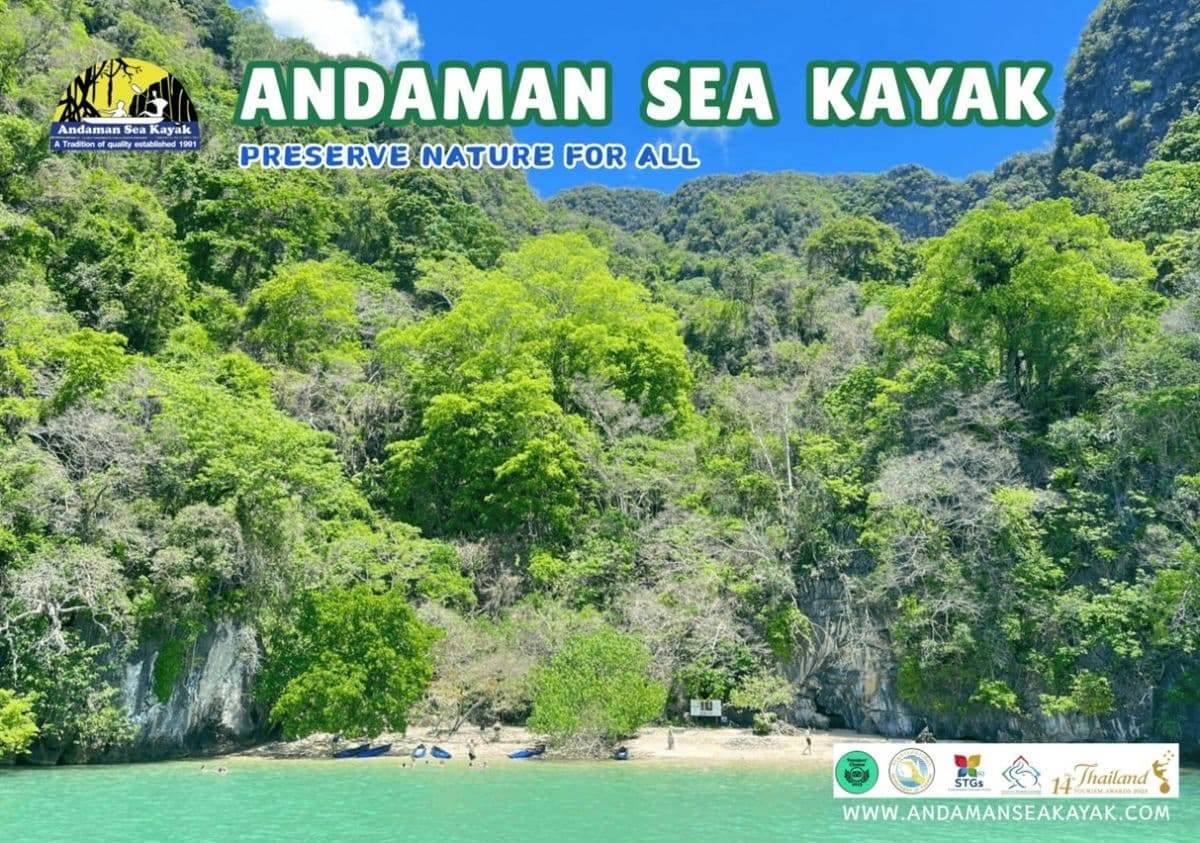
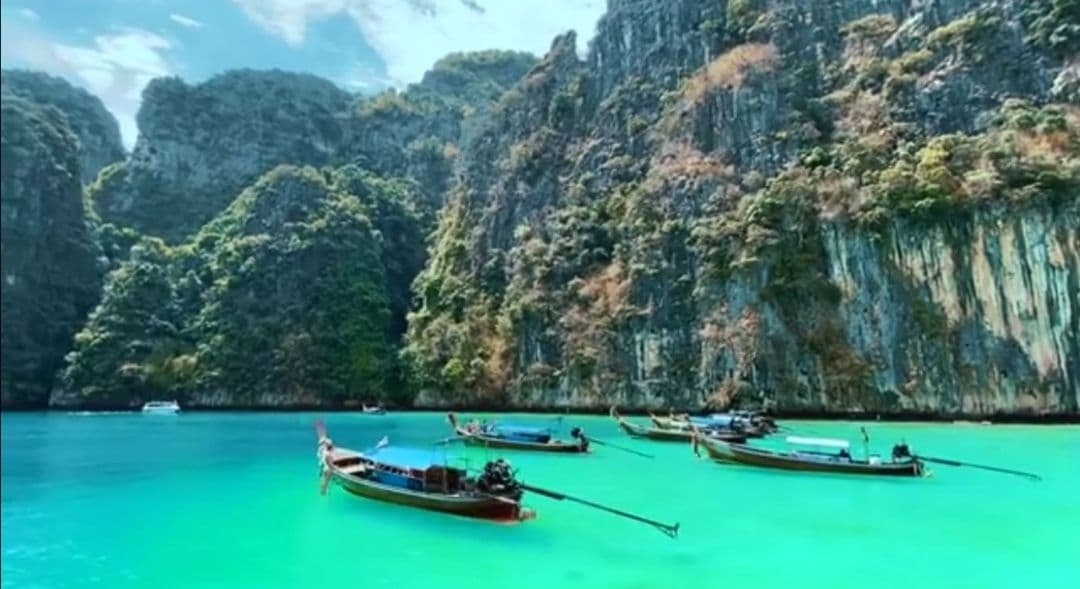
For a full-day adventure off the island, a Full Day Phangnga Bay by Andaman Sea Kayak is one of the most memorable experiences in the region. You'll paddle through sea caves and into enclosed lagoons surrounded by limestone cliffs that rise straight out of the water. It's physically accessible for most fitness levels and consistently impresses even seasoned travellers.
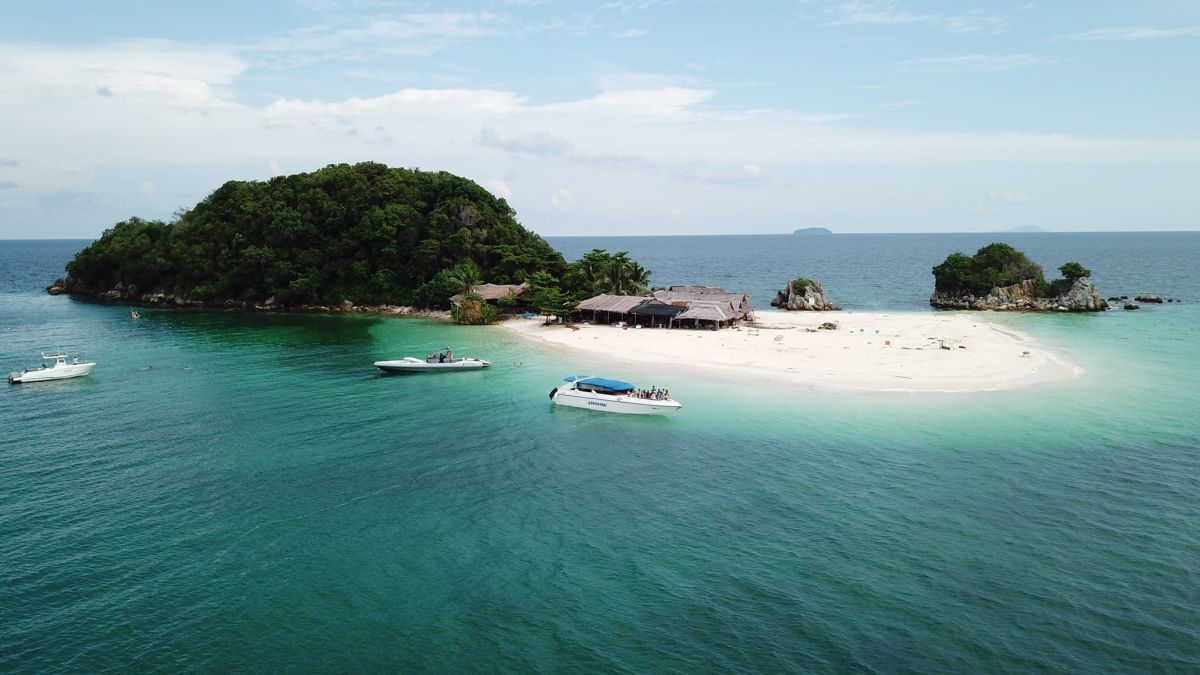
The Phi Phi Island Day Trip Speedboat Tour is a classic for good reason. The islands are genuinely stunning, and a speedboat gets you there and back efficiently, leaving time to snorkel and explore.
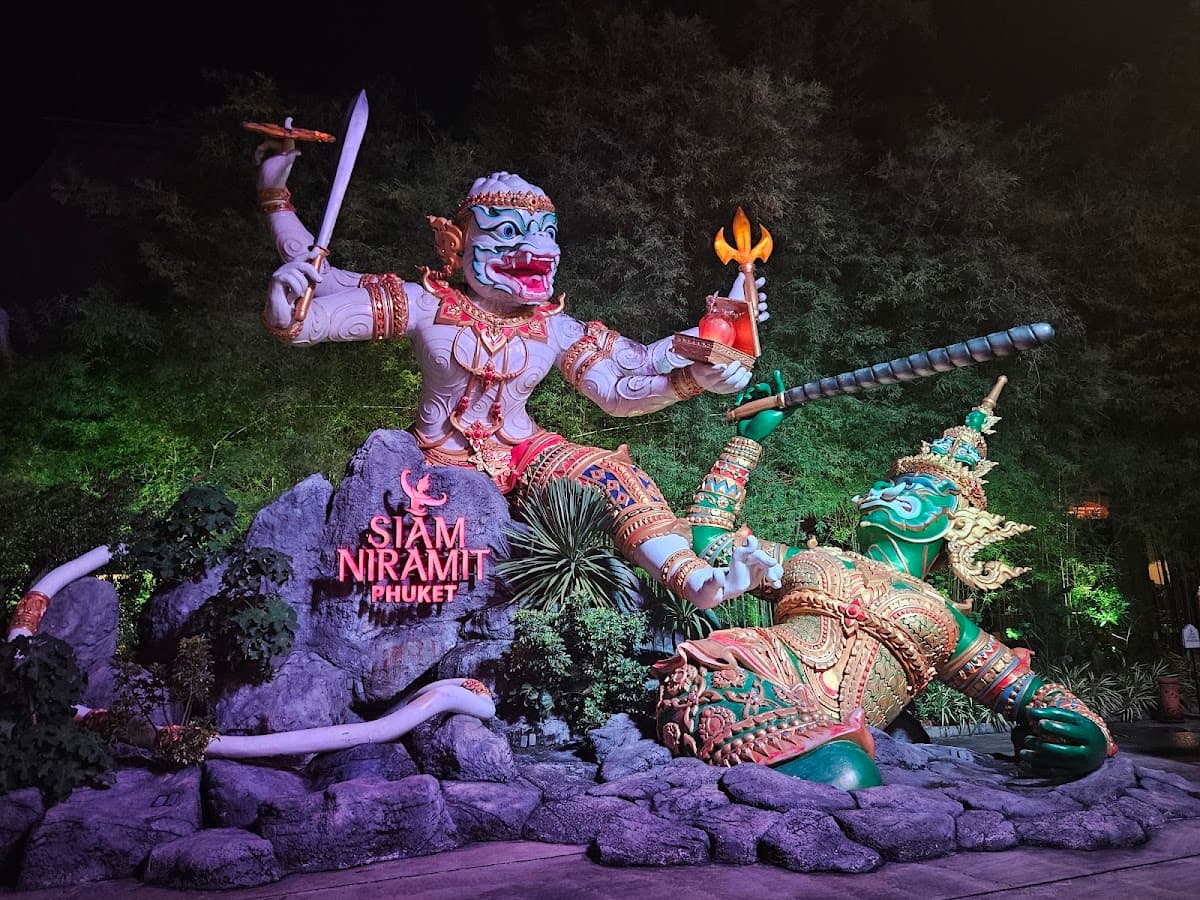
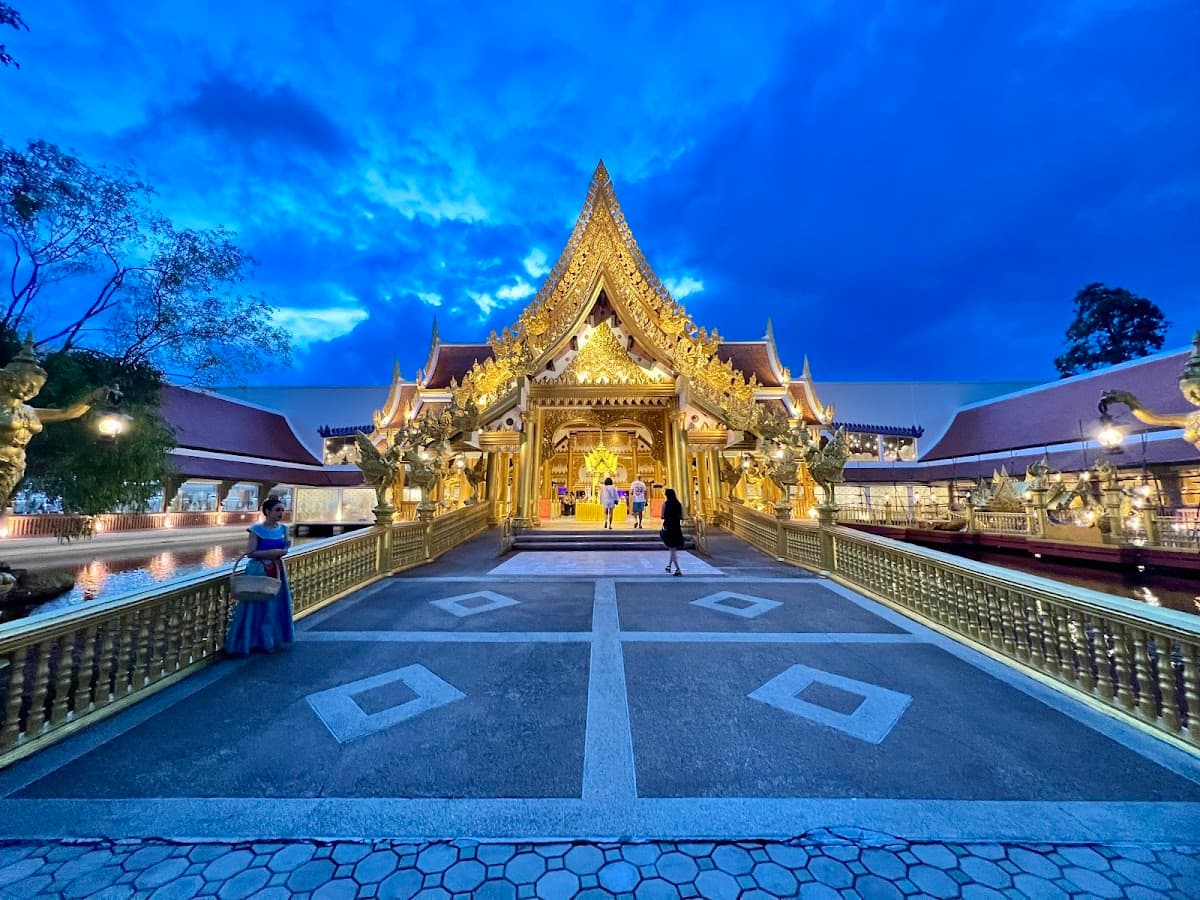
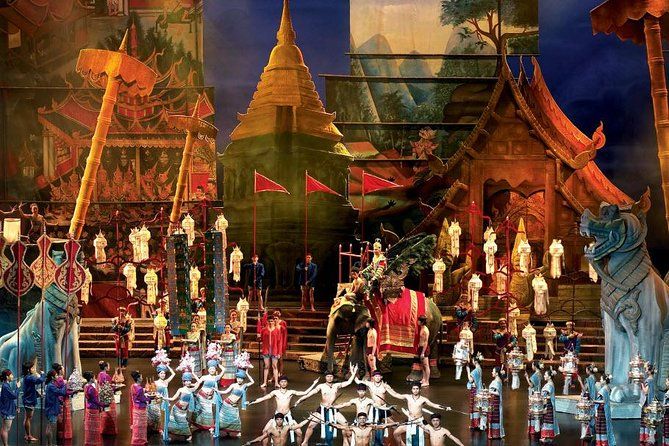
For something cultural in the evening, Siam Niramit Phuket delivers an elaborate theatrical production drawing on Thai mythology and history. It's a polished, large-scale show that gives real context to the culture you're travelling through.
If you want to watch Muay Thai in a proper stadium setting rather than a tourist-oriented exhibition, the Patong Boxing Stadium hosts regular events with genuine competitive bouts.
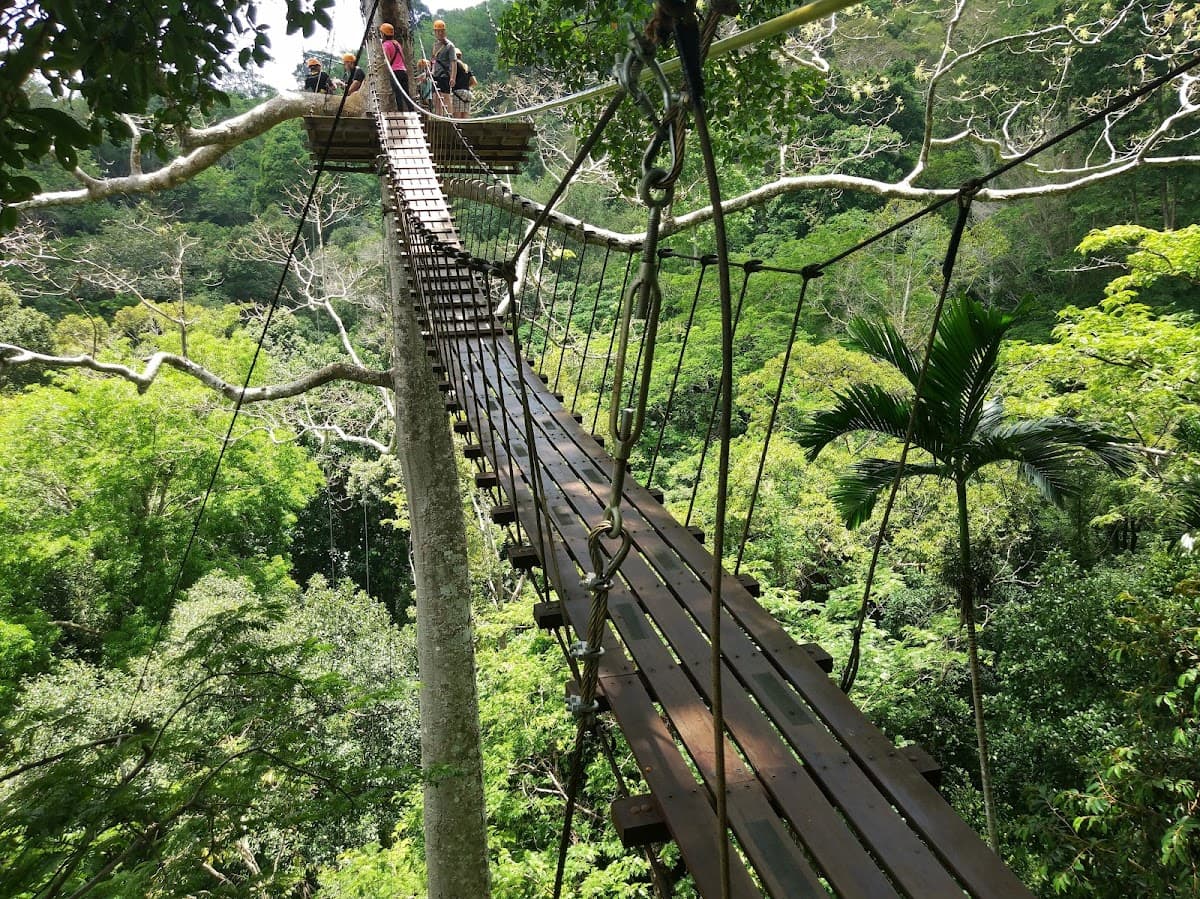
For families or anyone who wants a half-day in the treetops, Flying Hanuman offers ziplining through forested hillside with solid safety standards and well-trained guides.
If you're travelling with children or simply want a break from the beach, Andamanda Phuket is the island's newest waterpark, built around Thai mythological themes with slides and pools that keep all ages entertained.
---
Where to Eat
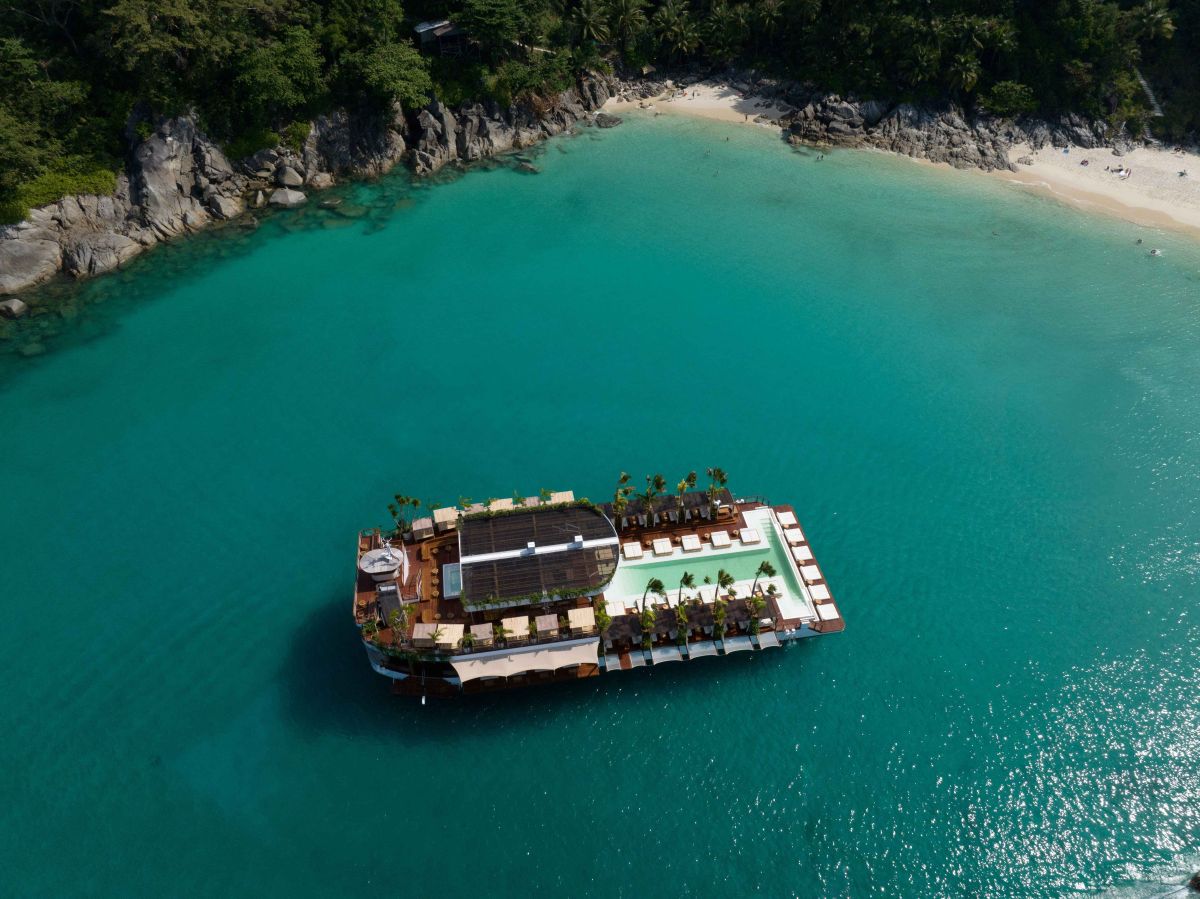
Phuket's food scene spans the full range from 50-baht pad thai at a roadside stall to multi-course tasting menus at cliff-top restaurants.
Phuket Old Town is the best area for authentic local food. Look for Hokkien-influenced dishes that reflect the island's Chinese heritage, including Mee Hokkien (thick noodles in a rich broth) and oh tao (oyster omelette).
Rawai seafood market in the south lets you choose fresh catch from the vendors and have it cooked to order at the adjacent restaurants. It's straightforward, affordable, and excellent.
Kata and Karon have a reliable cluster of Thai restaurants that cater to tourists without sacrificing quality. Prices are reasonable and menus are wide.
For a beach club experience that goes beyond a sun lounger and a cocktail, Yona Beach Club combines food, drinks, and views in a well-executed package.
---
Budget Expectations
Phuket sits in the middle of Thailand's affordability spectrum. It is not as cheap as Chiang Mai or rural destinations, but it is far more accessible than equivalent beach destinations in the Maldives or Bali's upmarket areas.
Budget traveller: 800 to 1,500 THB per day covers a guesthouse, street food, local transport, and one or two paid activities.
Mid-range: 3,000 to 6,000 THB per day gets you a comfortable hotel, restaurant meals, and organised tours.
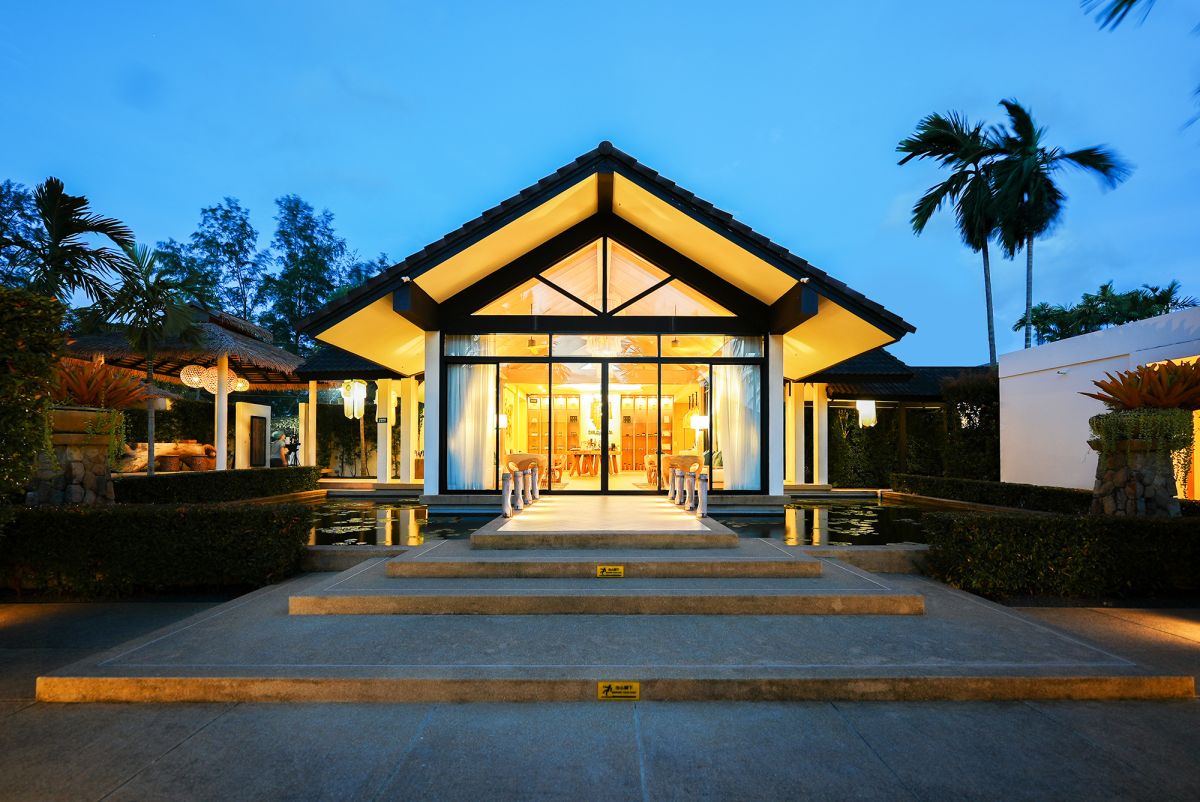
Luxury: Phuket has genuinely world-class resorts and spas. The Oasis Tropical Retreat Spa is a strong example of the premium wellness experiences available on the island.
Alcohol is the biggest variable in daily budgets. Imported spirits at beach clubs are expensive by Thai standards. Sticking to local beer and Thai whisky keeps costs down considerably.
---
Insider Tips
The east coast is almost entirely ignored by tourists. Most visitors never leave the west coast beach corridor. The east side of the island, around Laem Hin and Ao Po, has local seafood restaurants on the water, working fishing piers, and almost no other tourists. It's a completely different side of the same island.
Rent a scooter and head north on a weekday morning. The road between Thalang and the northern tip of the island passes rubber plantations, small temples, and local markets with almost no traffic before 8am. It's one of the best ways to see how the island actually functions beyond the resort economy.
Book boat tours directly with operators at the pier rather than through your hotel. Hotels add a significant markup on excursions. Walking down to Chalong Pier or Ao Po Grand Marina and booking directly with the boat companies saves 20 to 40 percent on many tours, and you're often dealing with the same operators anyway.
---
Practical Tips
- A SIM card from AIS or DTAC at the airport gives you reliable 4G coverage across the island for a very low cost.
- Sunscreen imported from home is worth it. Local pharmacies stock it, but quality varies.
- Dress modestly when visiting temples. Shoulders and knees should be covered.
- Tap water is not safe to drink. Bottled water is inexpensive and widely available.
- The Thai baht is the only currency accepted. ATMs are plentiful but charge foreign transaction fees of around 220 THB per withdrawal. Withdrawing larger amounts less frequently keeps fees manageable.
Phuket rewards the traveller who puts in a small amount of planning. Get the timing right, choose your base carefully, and look beyond the obvious, and you'll find an island that more than justifies its enduring popularity.