Osaka Travel Guide: Plan Your Perfect Trip
By Matt Cuckston, Founder & Travel Technology Expert at TixLayer
Japan's third-largest city has a personality entirely its own. Where Tokyo moves fast and Kyoto moves quietly, Osaka leans into food, fun, and a famously direct local character. If you're researching things to do in Osaka and wondering where to start, this guide covers every practical angle, from landing at the airport to finding the best bowl of ramen at midnight.
Getting to Osaka
Most international travellers arrive at Kansai International Airport (KIX), which sits on an artificial island about 50 kilometres from the city centre. The Haruka Express train connects the airport to Osaka Station in around 30 minutes and is the fastest, most reliable option. A single ticket costs roughly 1,800 yen, though the ICOCA & Haruka discount pass offers better value if you plan to use public transit throughout your stay.
Limousine buses are a slower but cheaper alternative, running directly to major hotels and train stations across the city. Taxis exist but are expensive and rarely the right call for airport transfers.
If you're arriving from Tokyo, the Shinkansen (bullet train) from Shin-Osaka Station takes about two and a half hours. The journey is comfortable, punctual, and worth every yen.
Getting Around the City
Osaka's subway system is one of the most efficient in Asia. The Osaka Metro network covers virtually every neighbourhood you'll want to visit, and trains run from around 5am to midnight. A single ride costs between 180 and 360 yen depending on distance.
The ICOCA card is a rechargeable IC card that works across the subway, JR lines, and most buses in the region. Load it at any station and tap in and out without fumbling for tickets. It also works in Kyoto and Nara, which matters if you're planning day trips.
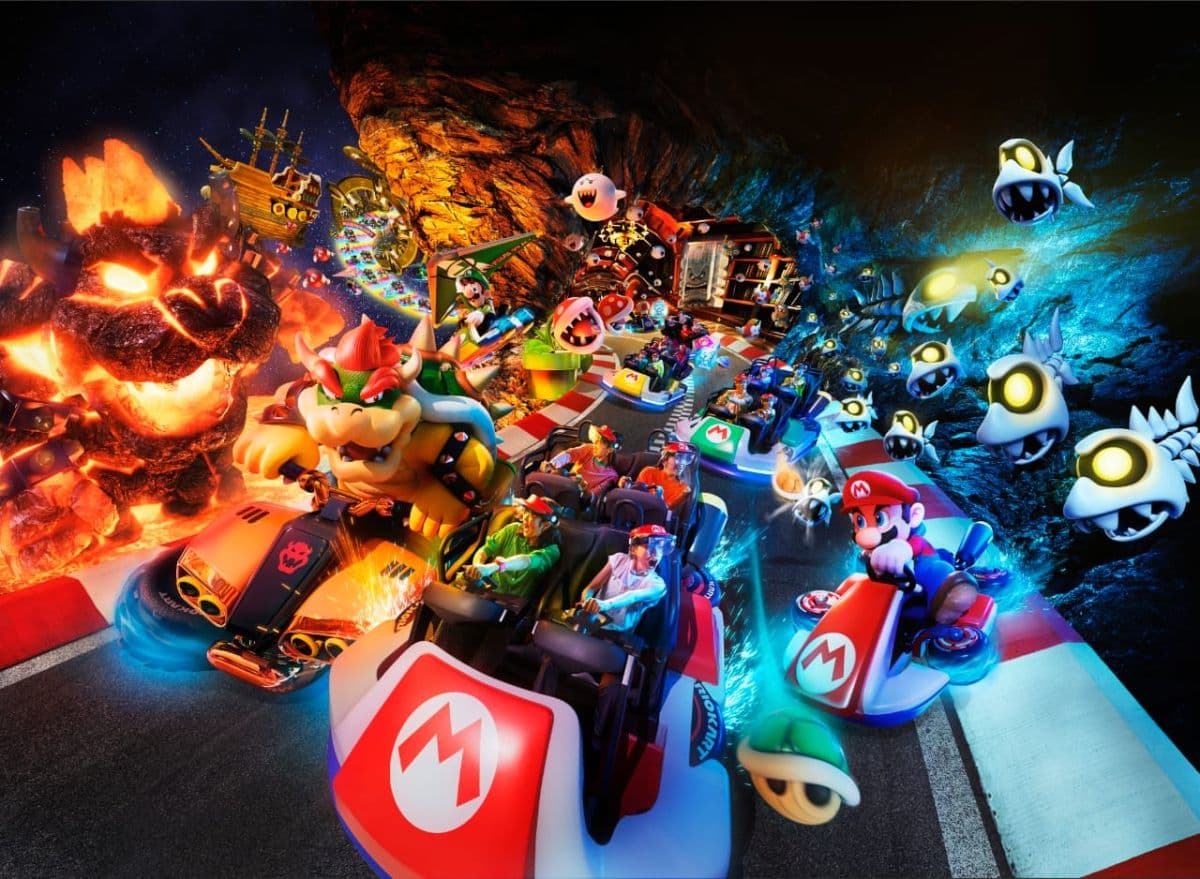
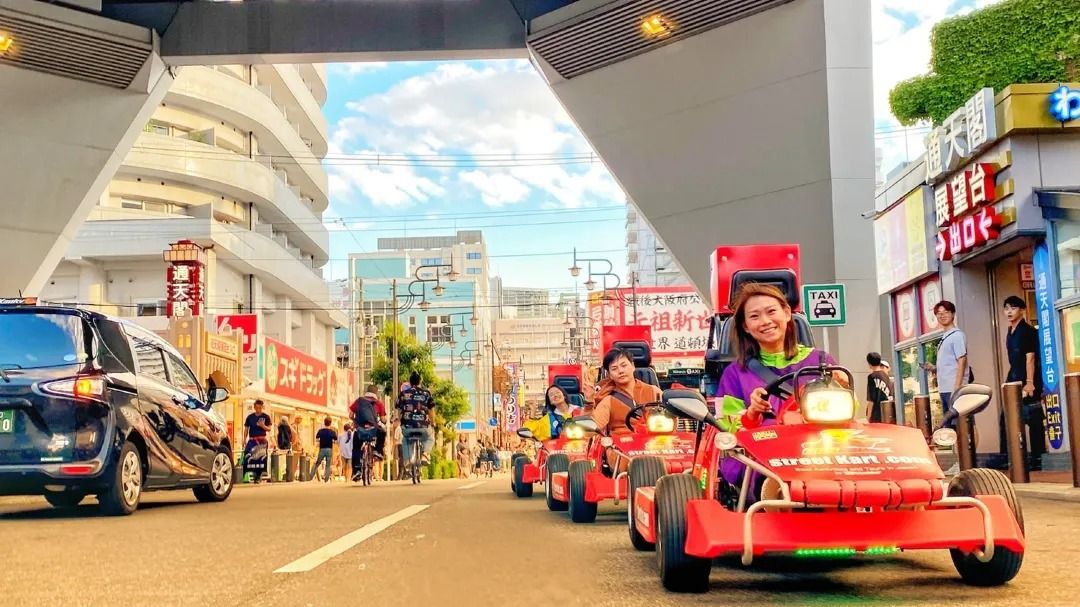
For something more memorable, the Street Kart Osaka Street Karting Experience lets you drive custom go-karts through real city streets in costume. It's a novelty, but it's also genuinely fun and gives you a ground-level view of the neighbourhoods you'd otherwise pass through on the subway.
Best Neighbourhoods to Stay In
Namba and Shinsaibashi sit at the heart of the city's food and entertainment scene. Dotonbori canal runs through this area, and the streets surrounding it are packed with restaurants, izakayas, and shops at every price point. It's the obvious choice for first-time visitors who want to be close to everything.
Umeda is the commercial and transport hub in the north. It's cleaner, slightly quieter at night, and better positioned for day trips. The Osaka Station area has excellent shopping and some of the city's best department store food halls.
Shinsekai is an older district in the south that retains a working-class character most of the city has moved away from. It's known for kushikatsu (deep-fried skewers) and the iconic Tsutenkaku Tower-74850), a retro landmark that offers good views over the neighbourhood.
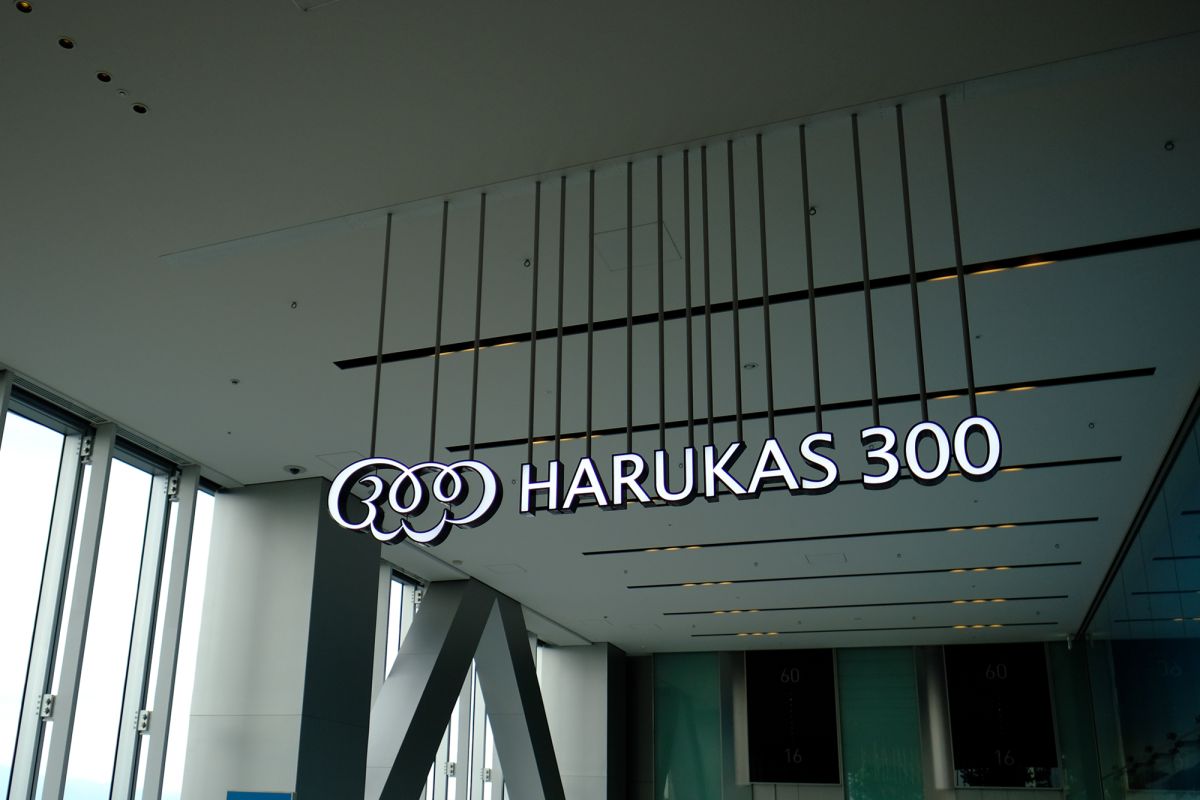
Tennoji borders Shinsekai and has become increasingly popular thanks to the Abeno Harukas 300 Observatory, located in Japan's tallest building. The views from the 300-metre observation deck stretch to the coast on clear days.
When to Visit
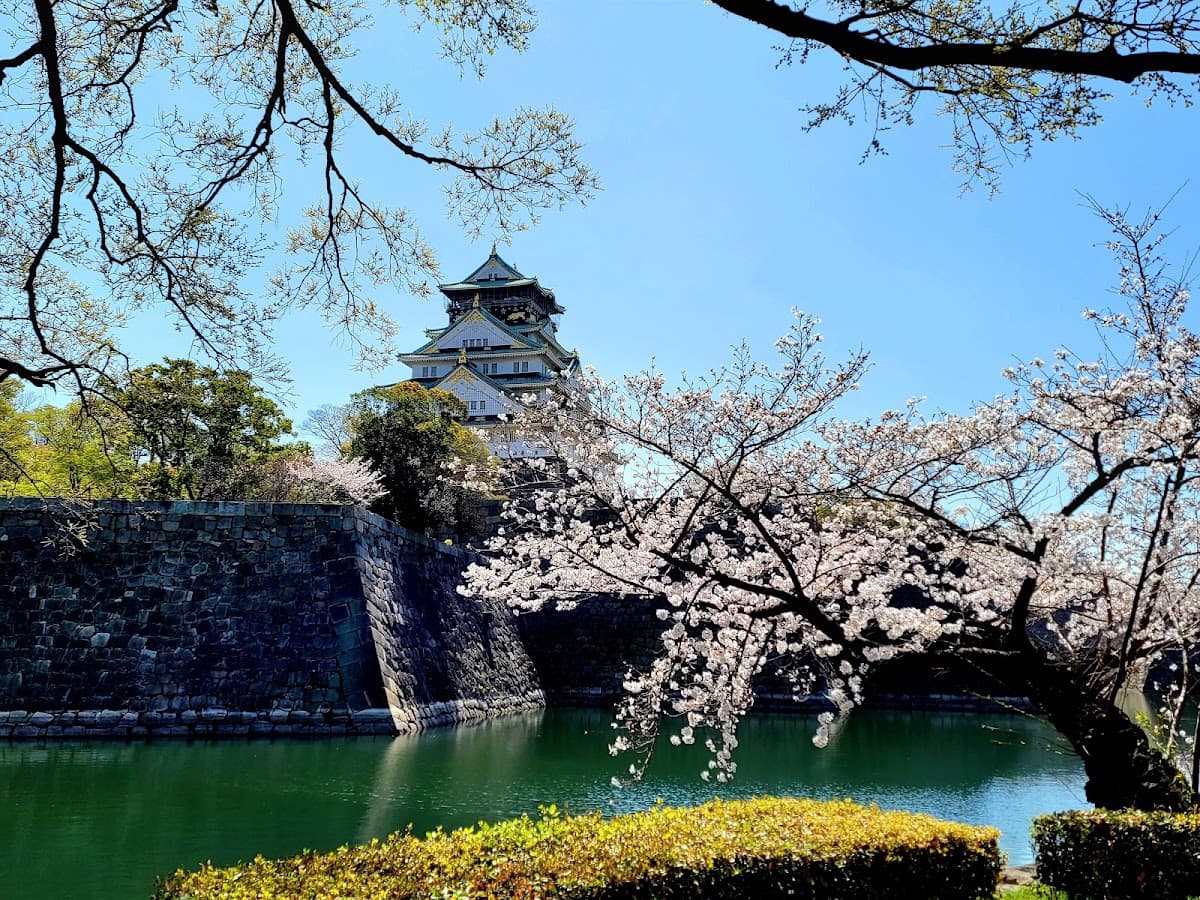
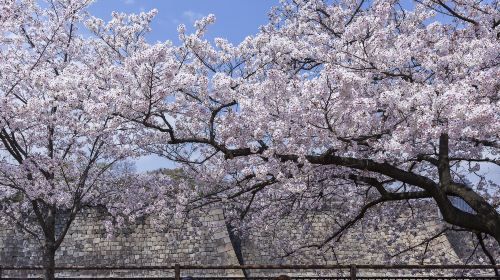
Spring (late March to early April) is the most popular time to visit, and for good reason. Cherry blossom season transforms parks and riverbanks across the city. Osaka Castle Park is one of the better spots in the country for hanami (flower viewing), and the atmosphere during peak bloom is genuinely special. Book accommodation at least two to three months in advance if you're travelling during this period.
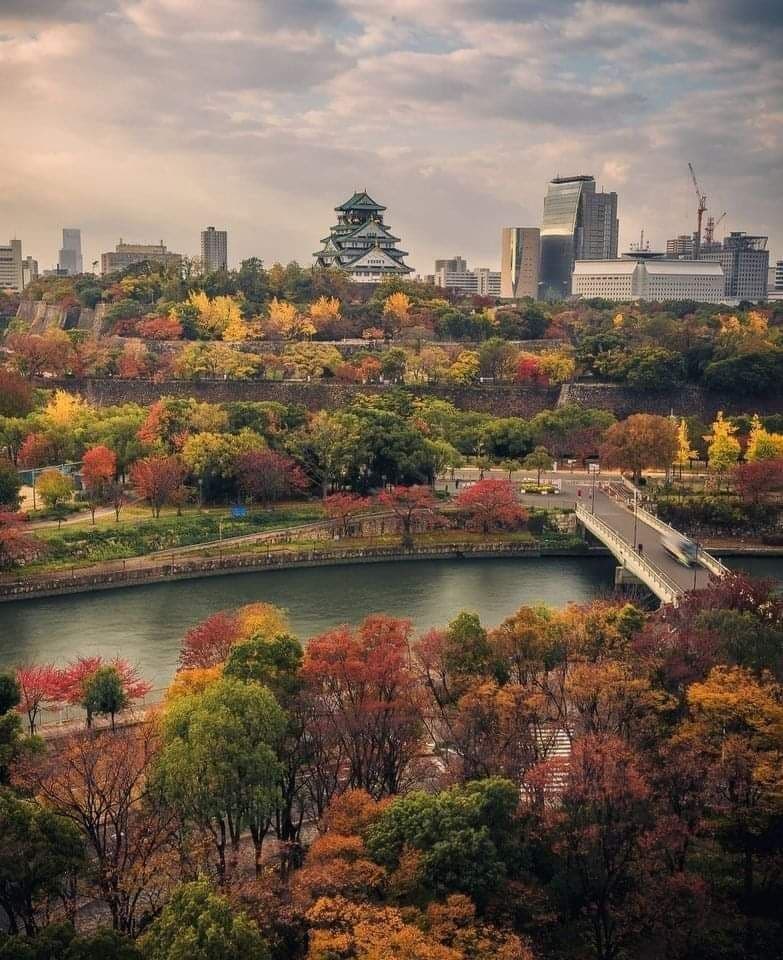
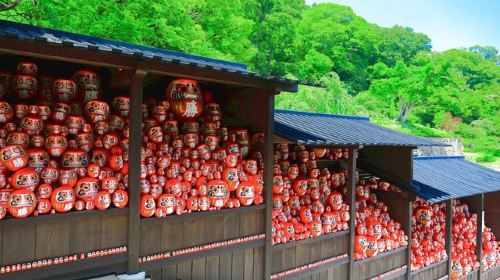
Autumn (mid-October to late November) offers cooler temperatures and vivid foliage. Crowds are smaller than spring, prices are more reasonable, and the weather is ideal for walking. The temple at Katsuo-ji-75370), known for its striking autumn maple leaves, is worth the trip into the hills north of the city.
Summer (July and August) is hot, humid, and occasionally oppressive. Temperatures regularly exceed 35°C with high humidity. It's manageable if you plan indoor activities during midday hours, but it's not the most comfortable season for extended sightseeing.
Winter (December to February) is cold but rarely severe. Crowds thin considerably, hotel rates drop, and the city's food scene feels especially appealing when you're looking for somewhere warm to sit. It's an underrated time to visit if you don't mind packing a proper coat.
What to See and Do
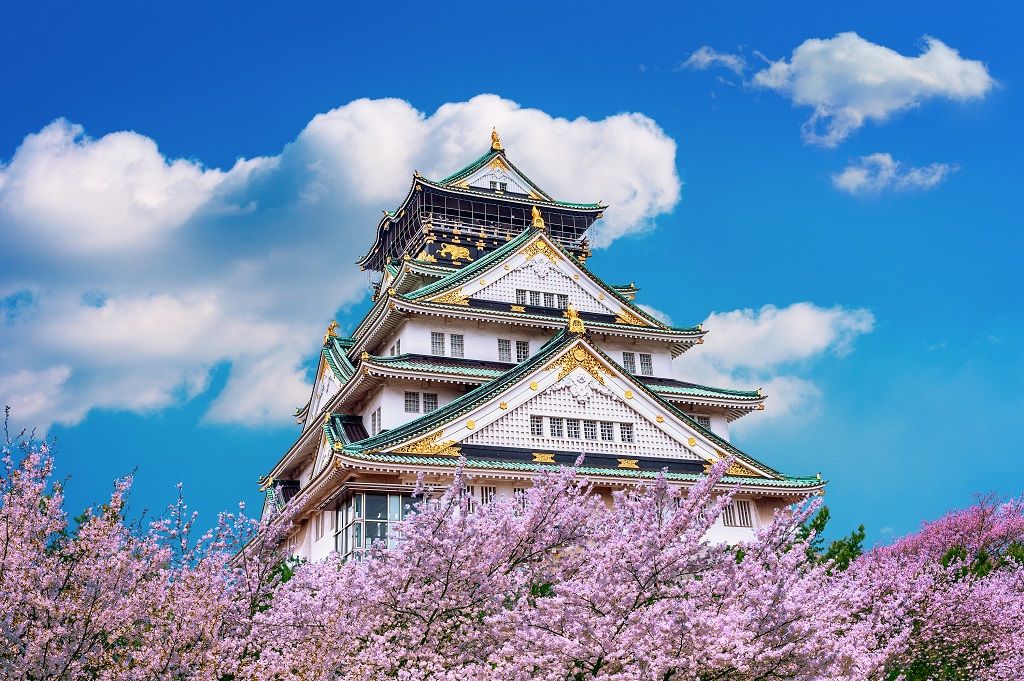
Osaka Castle Museum is the starting point for most itineraries. The castle itself is a 1930s concrete reconstruction of the 16th-century original, but the museum inside is genuinely informative, and the surrounding Osaka Castle Park makes for a pleasant half-day.
For a different kind of day, Universal Studios Japan is one of the most visited theme parks in the world. The Wizarding World of Harry Potter section alone draws enormous crowds, so booking a Universal Studios Japan Express Pass in advance is strongly recommended if you want to avoid queuing for the main attractions.
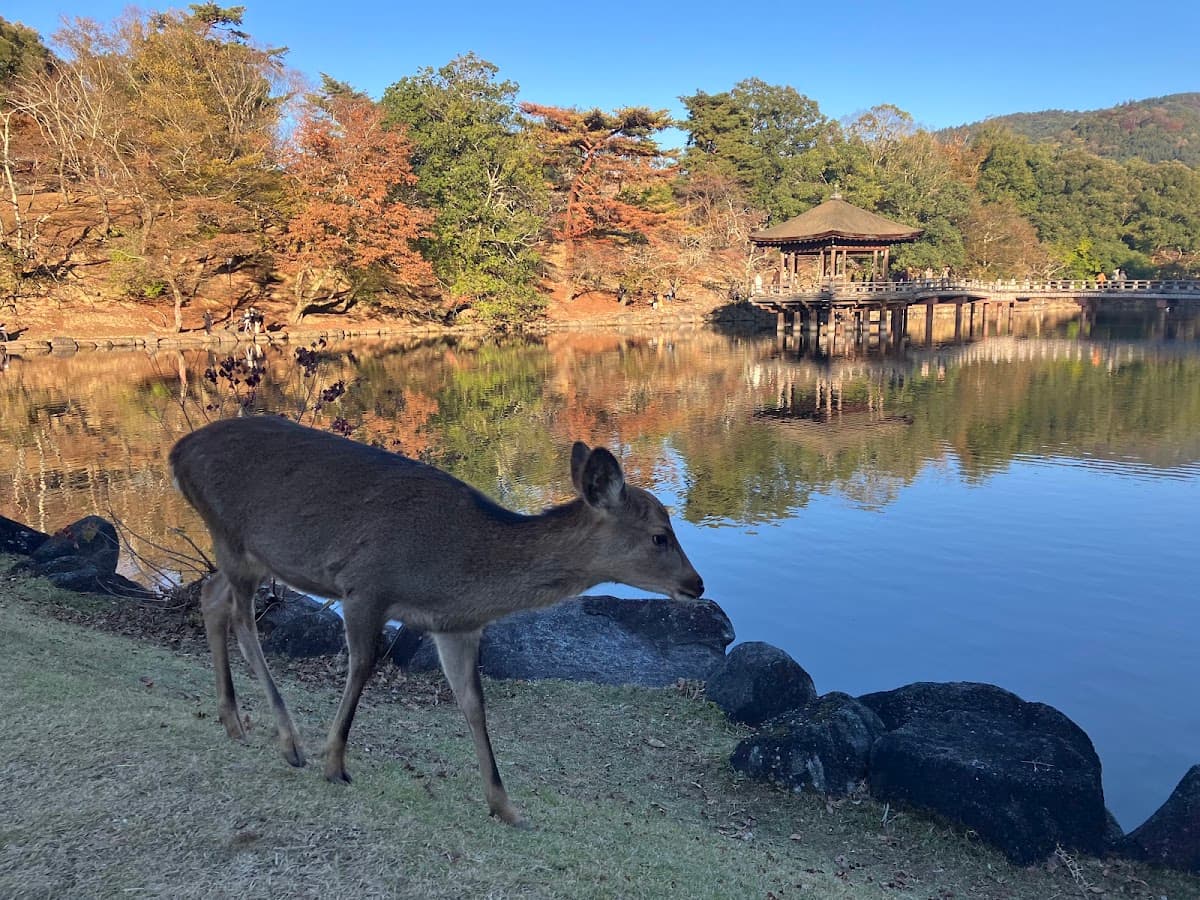
Day trips are easy and worth building into your schedule. Nara is 45 minutes away by train and home to freely roaming deer in its central park. Nara Park Day Tours departing from Osaka make the logistics simple. Kyoto is equally accessible, and the Kyoto Arashiyama Bamboo Forest and Tenryuji Temple Day Tours are a reliable way to see the highlights without spending time on planning.
Where to Eat
Osaka has a local saying, kuidaore, which roughly translates to "eat until you drop." The city takes food seriously in a way that shapes daily life rather than just tourist itineraries.
Takoyaki (octopus balls) and okonomiyaki (savoury pancakes) are the two dishes most associated with the city. Both are available everywhere, but quality varies. Look for places with a queue and a small menu rather than laminated picture boards aimed at tourists.
Dotonbori is the obvious area for street food and casual dining, but the covered shopping arcades around Shinsaibashi also have a dense concentration of good restaurants at reasonable prices. For a guided introduction to the area after dark, the Osaka Night Food Tour covers multiple stops across Dotonbori and the surrounding streets with a local guide.
Convenience stores (7-Eleven, FamilyMart, Lawson) deserve mention here. Japanese convenience store food is genuinely good, and a meal from one costs 400 to 700 yen. Onigiri, sandwiches, hot foods, and fresh salads are all reliable options when you need something fast.
Budget Expectations
Osaka is considerably more affordable than Tokyo. A comfortable mid-range trip runs between 8,000 and 15,000 yen per day including accommodation, food, transport, and entry fees. Budget travellers staying in guesthouses and eating at convenience stores or standing noodle bars can manage on 5,000 to 7,000 yen daily. Luxury hotels and high-end kaiseki dinners push costs significantly higher, but that ceiling is set by choice rather than necessity.
Practical Tips
Carry cash. Japan remains heavily cash-dependent outside of major tourist facilities. 7-Eleven ATMs accept foreign cards reliably; others may not.
Get a pocket Wi-Fi or SIM card at the airport. Navigation and translation apps are essential tools for getting around, and relying on café Wi-Fi creates unnecessary friction.
Book popular restaurants in advance. Tabelog (Japan's main restaurant review platform) lists many places that require reservations weeks ahead. Google Translate handles the Japanese interface adequately.
Insider Tips
The Umeda Sky Building Kuchu Teien Observatory offers views that rival Abeno Harukas at a lower price point, and its rooftop design, open to the sky rather than enclosed behind glass, makes for better photographs at sunset. Most visitors skip it in favour of the more famous tower.
The basement food halls (depachika) inside Osaka's department stores, particularly Takashimaya and Isetan in Umeda, are worth visiting as standalone attractions. They stock regional specialties, high-quality prepared foods, and confectionery that makes for far better souvenirs than anything sold in tourist shops.
If you're visiting during a weekday, Osaka Castle grounds are noticeably quieter before 9am. The castle itself doesn't open until 9am, but the park and outer moat area are accessible earlier and offer the best light for photography before tour groups arrive.
Final Word
Osaka rewards travellers who come prepared but stay flexible. The city is easy to navigate, genuinely welcoming, and stocked with enough food, history, and culture to fill a week without repeating yourself. Plan the essentials, book the experiences that require advance tickets, and leave room to follow whatever looks interesting when you're actually there.

![[Promo] Universal Studios Japan](/_next/image?url=https%3A%2F%2Ftixlayer.com%2Fstorage%2Fattractions%2F17089%2Fsupplier_4.jpg&w=3840&q=75)