Nikko Travel Guide: Plan Your Perfect Trip
By Matt Cuckston, Founder & Travel Technology Expert at TixLayer
If you are looking for a destination that delivers ancient temples, dramatic waterfalls, and mountain air within two hours of Tokyo, Nikko belongs at the top of your list. This Nikko travel guide covers everything you need to plan a smooth, well-timed trip, from the moment you board the train to the best bowl of yuba you will eat all year. Whether you are sorting out things to do in Nikko for a single packed day or spreading your visit across a long weekend, the information below will save you time and help you get more out of every hour.
Getting to Nikko
The most popular and cost-effective way to reach Nikko from Tokyo is the Tobu Nikko Line, departing from Asakusa Station. The Limited Express Revaty takes around two hours and costs roughly 2,800 yen one way. Budget travellers can opt for the slower local service with a transfer at Shimo-Imaichi for around 1,400 yen, though journey time stretches closer to two and a half hours.
The Tobu Nikko All Area Pass is worth considering if you plan to use local buses during your stay. It covers the train from Asakusa and unlimited bus rides within the Nikko area for two or four days, offering solid value for anyone visiting multiple sites.
Alternatively, JR Pass holders can take the Shinkansen to Utsunomiya and transfer to the JR Nikko Line, arriving in about 50 minutes from Utsunomiya. This route suits travellers already using the JR Pass for a broader Japan itinerary.
For those who prefer a guided experience, the Nikko World Heritage Site, Toshogu Shrine, Lake Chuzenji, and Kegon Falls 1-day tour with Autumn Leaf Viewing takes the logistics off your plate entirely and is particularly popular during the autumn foliage season.
Getting Around
Once in Nikko, the main shrine and temple complex is walkable from Nikko Station in around 20 minutes. For destinations further afield, such as Lake Chuzenji and Kegon Falls, the Tobu Bus network is your primary option. Buses run regularly but can fill up during peak season, so aim to travel early in the morning.
Taxis are available but expensive for longer distances. Renting a bicycle works well for the flat areas near the station, though the road up to Chuzenji is steep and not suitable for casual cycling.
Best Areas to Base Yourself
Most visitors stay in the central Nikko area near the shrine complex, which puts the main sights within easy walking distance. Hotels and ryokan here range from budget guesthouses to traditional inns with onsen facilities.
For a quieter, more atmospheric stay, the Chuzenji area sits at higher elevation beside the lake and tends to be cooler in summer. Accommodation here is limited but the setting is exceptional, especially during autumn.
When to Visit
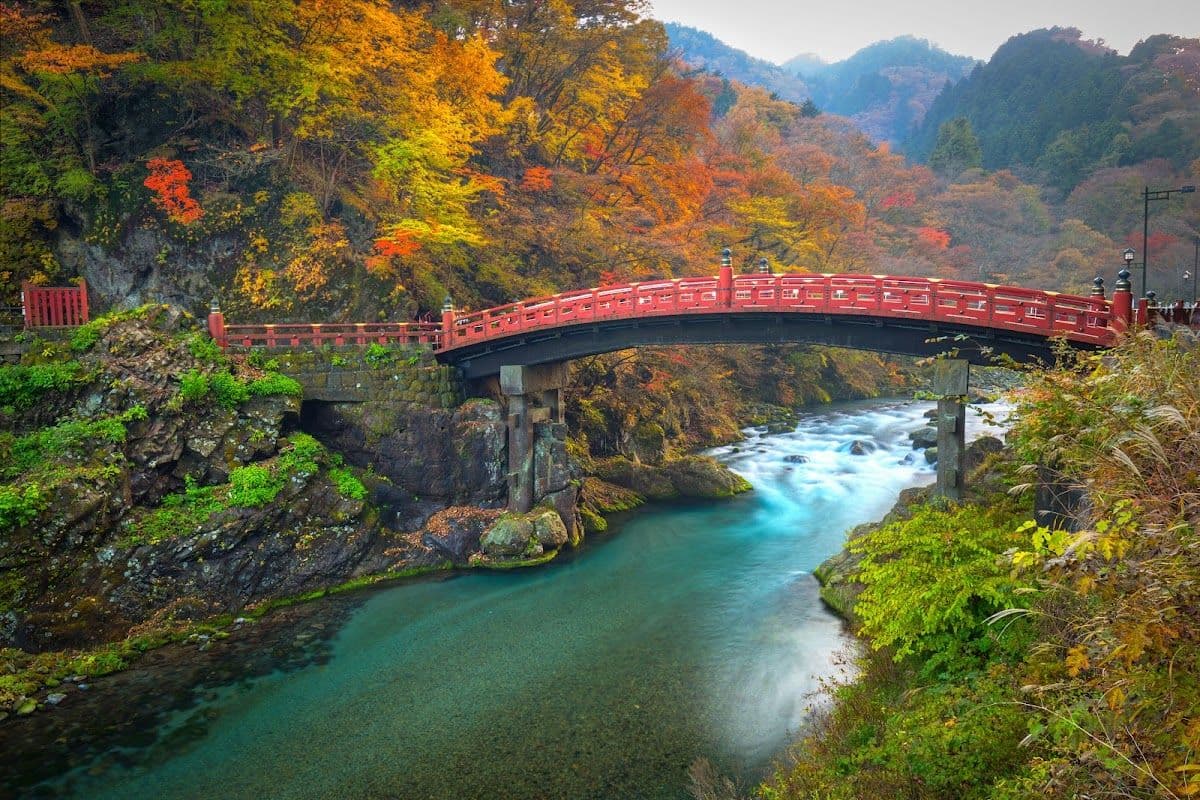
Autumn (mid-October to mid-November) is the most popular time to visit, and for good reason. The mountain forests surrounding the shrines turn vivid shades of red, orange, and gold, creating a backdrop that is genuinely difficult to photograph badly. Crowds are significant, particularly on weekends, so booking transport and accommodation well in advance is essential.
Spring (late April to May) offers cherry blossoms and comfortable temperatures without the intensity of the autumn rush. This is arguably the best time for first-time visitors who want colour without the crowds.
Summer (July to August) brings humidity to lower elevations but the Chuzenji area stays noticeably cooler, making it a popular retreat for Tokyo residents escaping the city heat. Expect higher accommodation prices and busier buses.
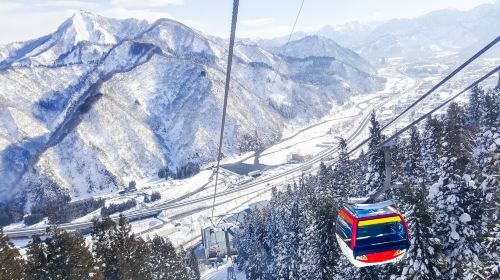
Winter (December to February) sees far fewer tourists. The shrines under snow are genuinely beautiful, and some of the nearby mountain resorts come into their own during this period. If skiing or snowboarding appeals, the GALA Yuzawa Snow Resort is accessible from the region and offers excellent facilities for all ability levels.
What to avoid: Golden Week (late April to early May) and the peak autumn weekends in late October bring the largest crowds of the year. If your dates are flexible, visiting midweek makes a noticeable difference.
What to See and Do
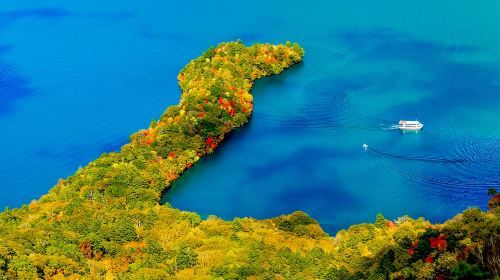
The UNESCO World Heritage shrines and temples are the centrepiece of any visit. Toshogu Shrine, the elaborately decorated mausoleum of Tokugawa Ieyasu, is the most visited site and justifies its reputation. Allow at least two hours to explore it properly.
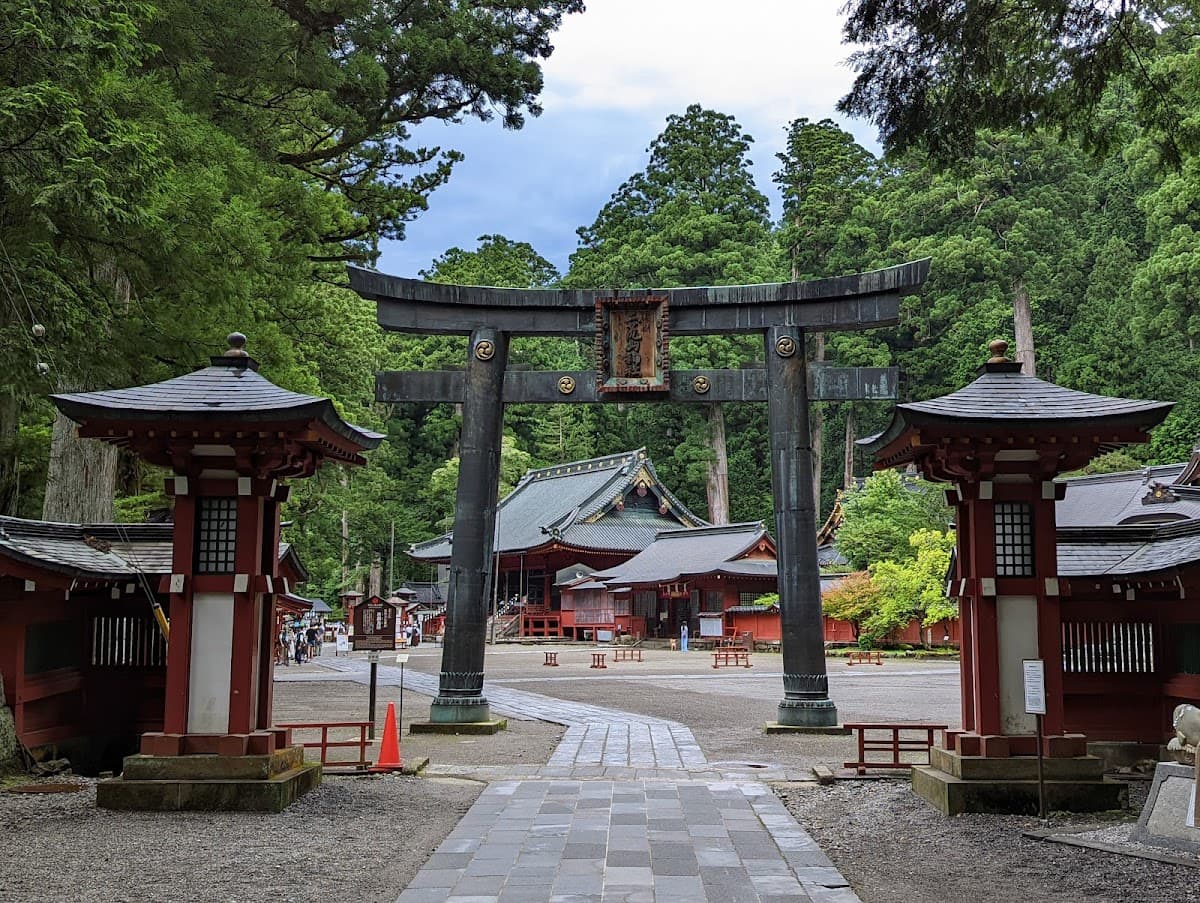
Just a short walk away, Nikko Futarasan Jinja Haiden offers a more contemplative atmosphere than the ornate Toshogu complex. It is one of the oldest shrines in the area and tends to be far less crowded, making it a worthwhile stop for those who want a moment of calm.
For families or travellers interested in history presented as entertainment, Edo Wonderland Nikko Edomura recreates a feudal-era Japanese town with performances, costumed characters, and hands-on experiences. You can book your Edo Wonderland admission ticket in advance to skip the queue at the gate.
Kegon Falls, a 97-metre waterfall fed by Lake Chuzenji, is one of Japan's most impressive cascades. An elevator takes you to a lower observation deck for a close-up view. The falls are accessible year-round but look particularly dramatic in late autumn when the surrounding trees are in full colour.
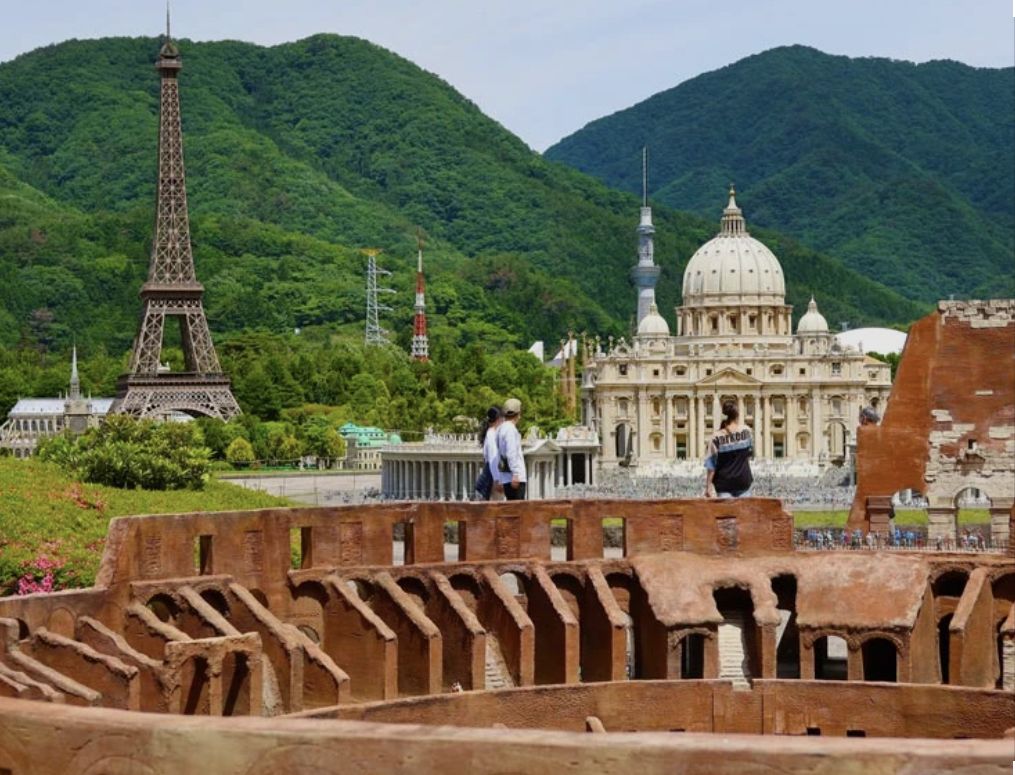
For something a little different, Tobu World Square features 1:25 scale replicas of over 100 world landmarks and is a surprisingly engaging way to spend a couple of hours, especially with children.
Where to Eat
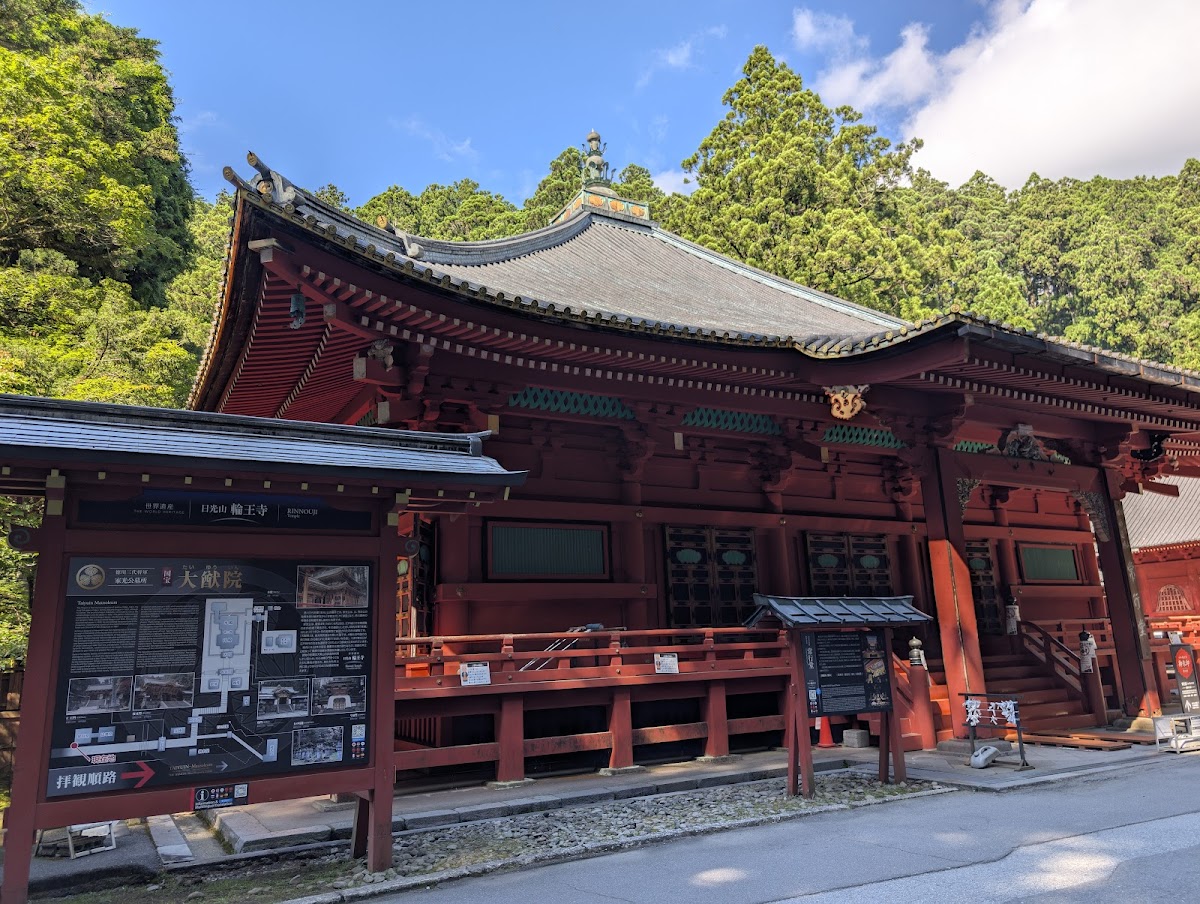
Nikko has a local speciality you should not leave without trying: yuba, the delicate skin that forms on the surface of heated soy milk. It is served in multiple forms across the town, from fresh sheets rolled with wasabi to yuba hot pot. Restaurants along the main approach road to the shrines offer yuba-focused menus at a range of price points.
For a quick and affordable meal, the covered shopping street near Nikko Station has several small restaurants serving soba, udon, and set lunches for under 1,000 yen. Sit-down restaurants in the shrine area tend to charge a premium for location.
In the Chuzenji area, lakeside restaurants offer trout dishes sourced locally, which pair well with the mountain setting.
Budget Expectations
Nikko sits in the mid-range category for Japanese destinations. A day trip from Tokyo can be done for around 8,000 to 12,000 yen per person including transport, shrine entry fees (Toshogu costs 1,300 yen), lunch, and a bus pass. Overnight stays in a mid-range ryokan with dinner and breakfast included typically run between 15,000 and 25,000 yen per person. Budget guesthouses bring that closer to 6,000 to 8,000 yen for a bed-only option.
Insider Tips
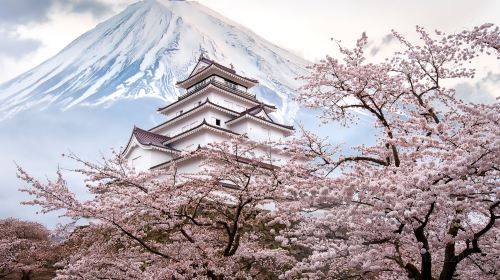
Visit Toshogu on a weekday morning. The shrine opens at 8:00 am and the first hour before tour groups arrive is a genuinely different experience. The light through the cedar trees is also better early in the day.
The Shinkyo Bridge photo is free from the road. Many visitors pay the 300 yen crossing fee without realising that the most photographed angle of the iconic red bridge is available from the public road just below it at no cost. Save the entry fee and spend it on yuba instead.
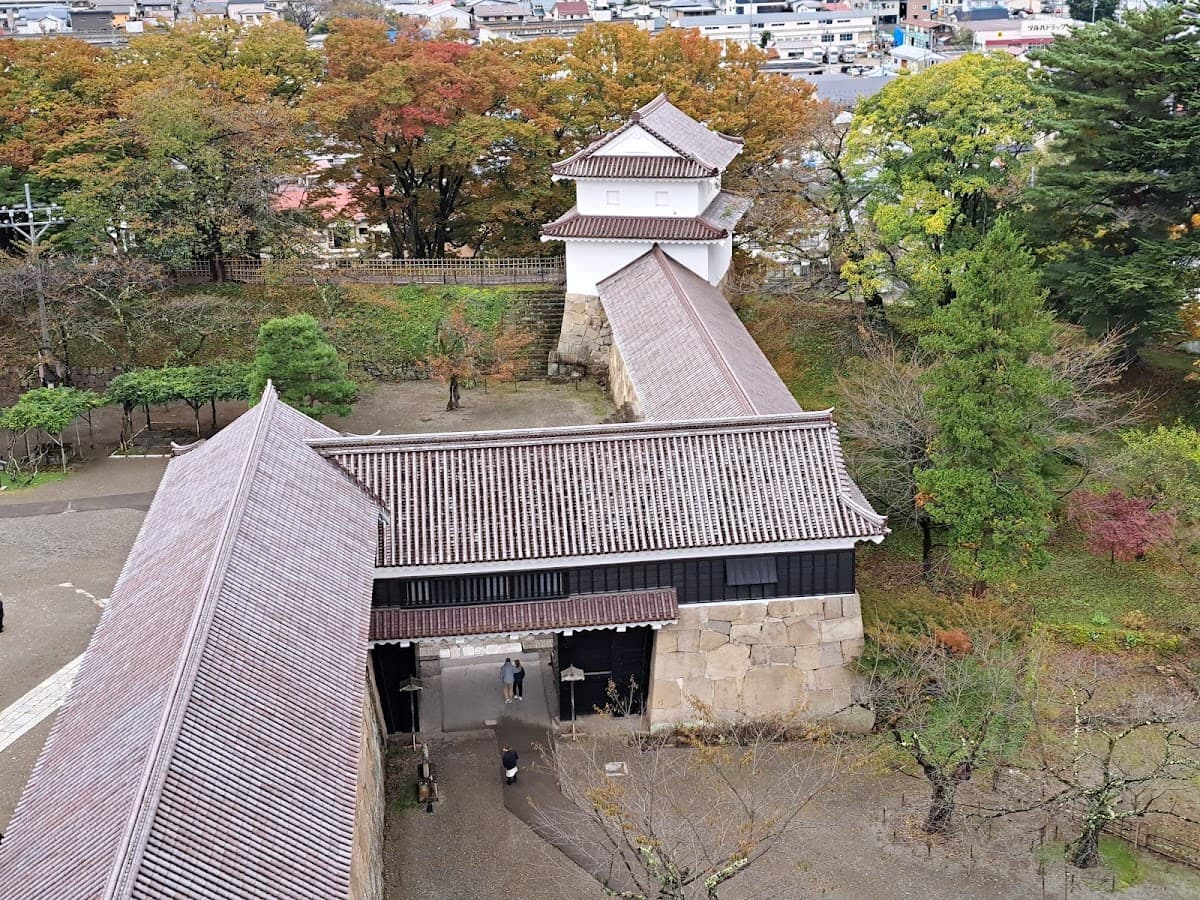
Combine Nikko with a broader Tochigi itinerary. The surrounding Tochigi Prefecture has more to offer than most travellers realise. Tsurugajo Castle in nearby Aizu-Wakamatsu and the Aqua World Ibaraki Oarai Aquarium on the Pacific coast are both within reasonable reach and make for a well-rounded regional trip rather than a single-destination visit.
Practical Tips
- Carry cash. Many smaller restaurants and temple stalls do not accept cards.
- Comfortable walking shoes are essential. The shrine complex involves uneven stone paths and significant elevation changes.
- The last buses from Chuzenji back to Nikko Station run earlier than you might expect. Check the timetable before heading up to the lake.
- Luggage storage is available at Nikko Station, which is useful if you are continuing onward after a day visit.
- English signage throughout the shrine complex is thorough, so a guide is not strictly necessary for independent travellers.
Nikko rewards those who plan ahead and arrive with a bit of flexibility. The combination of world-class heritage sites, mountain scenery, and accessible day-trip logistics from Tokyo makes it one of the most complete short breaks in the country.