
Przewodnik po Melbourne: Zaplanuj swoją idealną podróż
Autor: Matt Cuckston, założyciel i ekspert ds. technologii podróży w TixLayer
Melbourne zasłużenie cieszy się opinią jednego z najbardziej przyjaznych do życia miast na świecie. To miejsce, które nagradza powolne odkrywanie: spacery po zaułkach, wizyty w kawiarniach, które traktują parzenie kawy jak sztukę, czy przypadkowe odkrywanie galerii, o których istnieniu nie miałeś pojęcia. Jeśli szukasz atrakcji w Melbourne, wyzwaniem nie jest ich znalezienie, lecz ograniczenie wyboru. Ten przewodnik stanowi praktyczne i szczere ramy planowania wizyty, niezależnie od tego, czy wybierasz się na długi weekend, czy na dłuższy pobyt.
Jak dotrzeć do Melbourne
Lotnisko w Melbourne (Tullamarine) to drugi pod względem ruchu międzynarodowy port lotniczy w Australii. Bezpośrednie loty łączą Melbourne z głównymi węzłami komunikacyjnymi w Azji, na Bliskim Wschodzie, w Wielkiej Brytanii i USA. Qantas, Virgin Australia, Jetstar oraz wielu innych międzynarodowych przewoźników regularnie obsługuje to lotnisko.
Z lotniska do centrum miasta najwygodniej dotrzeć autobusem SkyBus (kursującym często do CBD i niektórych dzielnic), taksówką lub przejazdem typu rideshare. Obecnie nie ma połączenia kolejowego między lotniskiem a centrum miasta, co zaskakuje wielu turystów. Przygotuj się na wydatek rzędu 30-40 AUD za bilet na SkyBus lub 60-90 AUD za taksówkę lub rideshare, w zależności od natężenia ruchu.
Jeśli przyjeżdżasz z Sydney lub Brisbane, rozważ pociąg. Trasy The Overland i połączenia regionalne oferują malowniczą alternatywę, choć lot pozostaje szybszym rozwiązaniem na długich dystansach.
Poruszanie się po mieście
Melbourne posiada jedną z najbardziej rozbudowanych sieci tramwajowych na świecie, która jest głównym środkiem transportu w centrum miasta. Strefa darmowych tramwajów (Free Tram Zone) obejmuje całe CBD, co oznacza, że możesz podróżować bez odbijania karty Myki w jej granicach. Poza strefą darmową będziesz potrzebować karty Myki, którą można kupić w sklepach 7-Eleven, na stacjach kolejowych i na lotnisku.
W przypadku dalszych wycieczek po przedmieściach i wyjazdów jednodniowych, z pomocą przychodzą pociągi i autobusy. Sieć jest niezawodna w godzinach szczytu, ale w weekendy kursuje rzadziej, więc warto to uwzględnić w planach. Jazda na rowerze to również świetna opcja w płaskich dzielnicach, takich jak Fitzroy, Collingwood i Carlton, gdzie wyznaczono wiele ścieżek rowerowych.
Usługi rideshare (Uber, DiDi) są powszechnie dostępne i oferują rozsądne ceny na krótkich trasach.
Najlepsze dzielnice do odkrycia
Fitzroy i Collingwood to miejsca, w których koncentruje się kreatywna energia Melbourne. Ulice Smith Street i Brunswick Street są pełne niezależnych restauracji, sklepów vintage i barów, które działają na tyle długo, że stały się lokalnymi instytucjami.
St Kilda oferuje plażę, Luna Park i pasaż kawiarni wzdłuż Acland Street. Jest to miejsce popularne wśród turystów, ale ma wystarczająco dużo autentycznego charakteru, by warto było poświęcić na nie pół dnia. Rodziny z pewnością docenią Luna Park Melbourne Unlimited Ride Tickets na popołudnie pełne zabawy nad wodą.
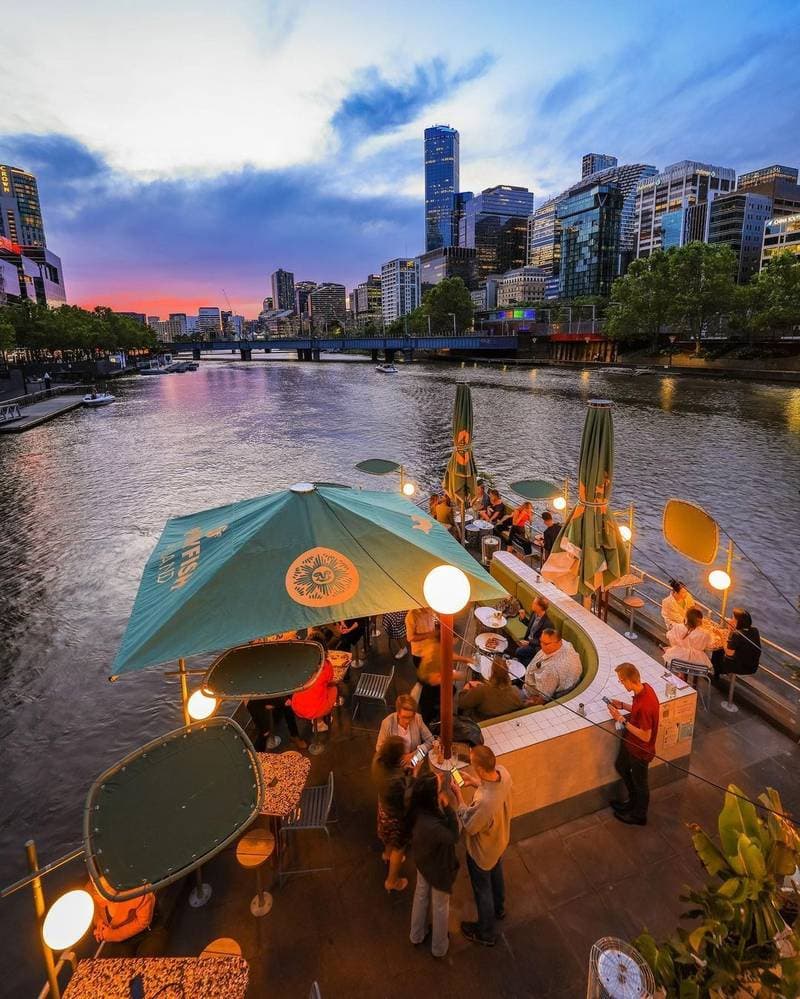
Southbank i CBD to miejsca, w których znajdziesz główne instytucje kulturalne, promenadę nad rzeką Yarra i wieżę Eureka Tower. Zarezerwuj Melbourne Skydeck Entry Ticket, aby podziwiać panoramiczne widoki na zatokę Port Phillip i pasmo Dandenong Ranges, lub wybierz się tam po zmroku na doświadczenie Melbourne Skydeck Cocktails in the Clouds.
Carlton to dom dla Lygon Street, włoskiej dzielnicy Melbourne, oraz Melbourne Museum. Muzeum jest naprawdę znakomite, szczególnie dla osób zainteresowanych historią naturalną, kulturą Pierwszych Narodów czy historią samego miasta.
Richmond i Prahran oferują jedne z najlepszych miejsc do jedzenia w mieście, a Chapel Street i Swan Street zapewniają mieszankę ekskluzywnych restauracji i bardziej swobodnych lokali.
Kiedy odwiedzić Melbourne
Pogoda w Melbourne jest słynna ze swojej nieprzewidywalności. Miejscowi żartują, że w ciągu jednego dnia można doświadczyć czterech pór roku, i nie jest to wcale przesada.
Od marca do maja (jesień) to prawdopodobnie najlepszy czas na wizytę. Temperatury są łagodne (15-22°C), letnie tłumy znikają, a kalendarz wydarzeń kulinarnych i artystycznych jest wypełniony po brzegi. W marcu zazwyczaj odbywa się Australian Grand Prix, co dodaje miastu energii, ale również podnosi ceny zakwaterowania.
Od września do listopada (wiosna) jest równie przyjemnie. Melbourne Cup Carnival w listopadzie to wielkie wydarzenie, które przyciąga gości z całego kraju, więc jeśli Twój wyjazd pokrywa się z tygodniem wyścigów, zarezerwuj nocleg z dużym wyprzedzeniem.
Od grudnia do lutego (lato) przynosi fale upałów, podczas których temperatury mogą przekraczać 40°C, po których następują nagłe ochłodzenia. Jest to również szczyt sezonu turystycznego, więc należy spodziewać się wyższych cen i większej konkurencji przy rezerwacjach w restauracjach.
Od czerwca do sierpnia (zima) to najmniej popularny sezon, ale nie pozbawiony uroku. Ceny spadają, kolejki się skracają, a kultura wnętrz – w tym muzyka na żywo, teatr i restauracje – działa bez zmian. Spakuj ciepłe ubrania i ciesz się miastem.
Co zobaczyć i zrobić
Kultura sportowa jest kluczowa dla tożsamości Melbourne, a Melbourne Cricket Ground Guided Tour to jedno z najbardziej wartościowych doświadczeń w mieście, nawet jeśli nie interesujesz się krykietem. MCG to jeden z największych stadionów sportowych na świecie, a wycieczka pozwala zobaczyć miejsca, do których większość turystów nie ma dostępu.
Jeśli chodzi o wycieczki jednodniowe, Great Ocean Road to punkt obowiązkowy, jeśli masz czas. Great Ocean Road Day Tour with Melbourne Transfers zajmie się logistyką, dzięki czemu możesz skupić się na krajobrazach, w tym na formacjach skalnych Twelve Apostles, Loch Ard Gorge i lasach deszczowych w paśmie Otway Ranges. Jeśli szukasz czegoś bardziej dramatycznego, Great Ocean Road Sunset Tour oferuje kultowe widoki na wybrzeże w świetle złotej godziny.
Dolina Yarra, położona około godziny drogi od CBD, to najbardziej dostępny region winiarski w stanie Wiktoria. Yarra Valley Winery and Chocolate Tasting Tour with Lunch to dobrze zorganizowana całodniowa opcja, która idealnie pasuje do spokojnego tempa podróży.
Gdzie zjeść
Scena kulinarna Melbourne jest światowej klasy i dostępna na każdą kieszeń. Miasto traktuje kawę bardzo poważnie. Kawiarnie typu „third-wave” są wszędzie, a standard jest niezmiennie wysoki. Nie zamawiaj dużej kawy, oczekując napoju w rozmiarze wiadra. Flat white lub long black to lokalny standard.
Jeśli szukasz niedrogiego jedzenia, udaj się na Queen Victoria Market na śniadanie lub lunch, albo odkryj food courty wzdłuż Little Bourke Street w Chinatown, gdzie znajdziesz jedne z najlepszych pierożków i makaronów w kraju. Fitzroy i Collingwood oferują restauracje ze średniej półki, które oferują jakość znacznie przewyższającą cenę.
Jeśli planujesz posiłek na specjalną okazję, zarezerwuj stolik z wyprzedzeniem. Najlepsze restauracje w Melbourne zapełniają się z wielotygodniowym wyprzedzeniem, zwłaszcza w weekendy.
Oczekiwania budżetowe
Melbourne plasuje się w średnim lub wyższym przedziale cenowym w porównaniu z innymi australijskimi miastami. Zakwaterowanie w CBD kosztuje od 120-180 AUD za noc w przyzwoitym hotelu średniej klasy, a budżetowe hostele oferują miejsca w pokojach wieloosobowych od 35-60 AUD. Lunch w kawiarni będzie kosztował 18-28 AUD, podczas gdy kolacja w restauracji średniej klasy to wydatek rzędu 40-70 AUD za osobę, wliczając napoje. Transport publiczny jest przystępny cenowo, a dzienne limity na karcie Myki utrzymują koszty na rozsądnym poziomie dla osób często korzystających z komunikacji.
Budżet w wysokości 150-200 AUD dziennie na zakwaterowanie, jedzenie i transport jest wystarczający na komfortowy wyjazd. Atrakcje i wycieczki jednodniowe zwiększają ten koszt, więc zaplanuj swoje priorytety z wyprzedzeniem.
Wskazówki dla wtajemniczonych
Darmowy tramwaj City Circle nie zawsze jest najszybszą opcją. Wielu turystów używa go wyłącznie do poruszania się po CBD, ale regularne linie tramwajowe kursujące przez strefę darmową są często szybsze i mniej zatłoczone. Linie 96, 86 i 11 to Twoi sprzymierzeńcy w dostępie do wewnętrznych dzielnic.
Hosier Lane ciągle się zmienia. Najczęściej fotografowany zaułek w Melbourne jest pokryty sztuką uliczną, która jest regularnie przemalowywana. Wersja, którą widzisz na zdjęciach w internecie, może nie być tym, co zastaniesz na miejscu, co jest w tym wszystkim najlepsze. Odwiedzaj to miejsce o różnych porach dnia, ponieważ światło zmienia odbiór dzieł.
Peninsula Hot Springs jest znacznie mniej zatłoczone w dni powszednie rano. Peninsula Hot Springs Express oferuje prosty sposób dotarcia na miejsce bez konieczności prowadzenia samochodu, a przyjazd wcześnie we wtorek lub środę zapewnia autentycznie spokojne doświadczenie, na które nie można liczyć w weekendy.
Przemyślenia końcowe
Melbourne nagradza gości, którzy chcą zwolnić tempo i pozwolić miastu odkrywać się stopniowo. Główne atrakcje są warte Twojego czasu, ale prawdziwa przyjemność płynie z tekstury codziennego życia: rytuałów kawowych, różnic między dzielnicami i łatwości, z jaką światowej klasy jedzenie i kultura współistnieją z relaksującymi przestrzeniami publicznymi. Zaplanuj główne punkty, zostaw miejsce na spontaniczność, a wyjedziesz z silnym powodem, by tu wrócić.


