Marseille Travel Guide: Plan Your Perfect Trip
By Matt Cuckston, Founder & Travel Technology Expert at TixLayer
France's oldest city sits on the Mediterranean like it has nothing to prove. Marseille is loud, salty, and deeply itself in a way that takes some visitors by surprise. It is not Paris, and it has no interest in being Paris. The food is better by the sea, the light is sharper, and the history runs deeper than most people expect. If you are looking for things to do in Marseille, this guide covers everything you need to plan a confident, well-paced trip.
Getting to Marseille
Marseille Provence Airport (MRS) is the main international gateway, located about 25 kilometres northwest of the city centre. Direct flights connect from most major European hubs, and budget carriers make it accessible year-round. From the airport, the Navette Marseille shuttle bus runs directly to Saint-Charles train station in around 25 minutes and costs roughly €10 each way. Taxis are available but will run €50 or more depending on traffic.
If you are travelling from Paris, the TGV high-speed train from Gare de Lyon reaches Marseille Saint-Charles in just over three hours. This is genuinely one of the best ways to arrive. The station sits at the top of a grand staircase overlooking the city, and the arrival feels earned.
Driving into Marseille is possible but not recommended as a first move. Parking is expensive and the city's road layout is confusing until you know it well.
Getting Around the City
The RTM network covers buses, two metro lines, trams, and a ferry service across the Vieux-Port. A single ticket covers all modes for 90 minutes, and a day pass is worth buying if you plan to move around a lot. The metro is clean and reliable, connecting the main neighbourhoods efficiently.
For the Old Port area and Le Panier, walking is the only sensible option. The streets are narrow, the hills are real, and the best discoveries happen on foot. Cycling infrastructure has improved in recent years, and rental bikes are available through the city's Le Vélo scheme.
Best Neighbourhoods to Base Yourself
Le Panier is the oldest quarter, stacked up a hill above the port with pastel facades, independent bookshops, and artisan studios. It is the most atmospheric place to stay if you want character over convenience.
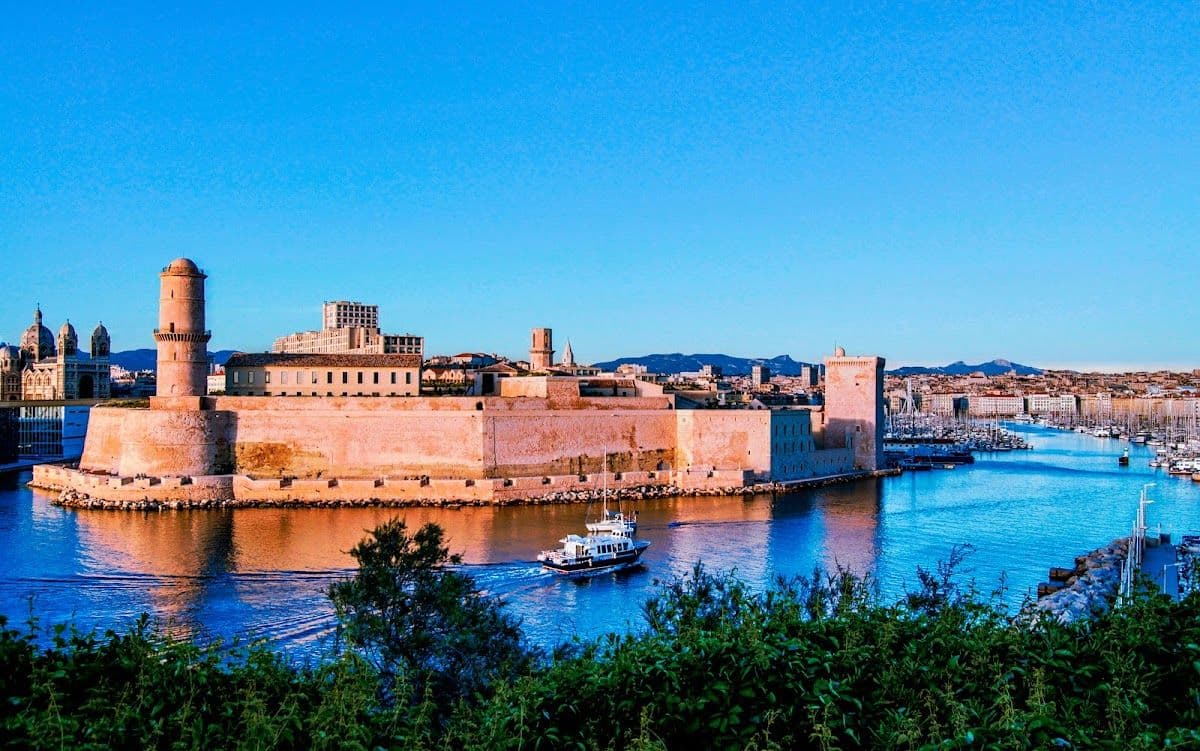
Vieux-Port (Old Port) is central and well-connected. Hotels here tend to be more expensive, but the access to ferries, restaurants, and the city's main drag is unbeatable for first-time visitors.
Cours Julien is the neighbourhood that locals actually spend time in. Street art covers the walls, the bars stay open late, and the restaurants are cheaper and more interesting than those near the port.
Endoume and the Corniche suit travellers who want sea views and a quieter pace. It is a residential area with excellent access to the coastal walking paths.
When to Visit
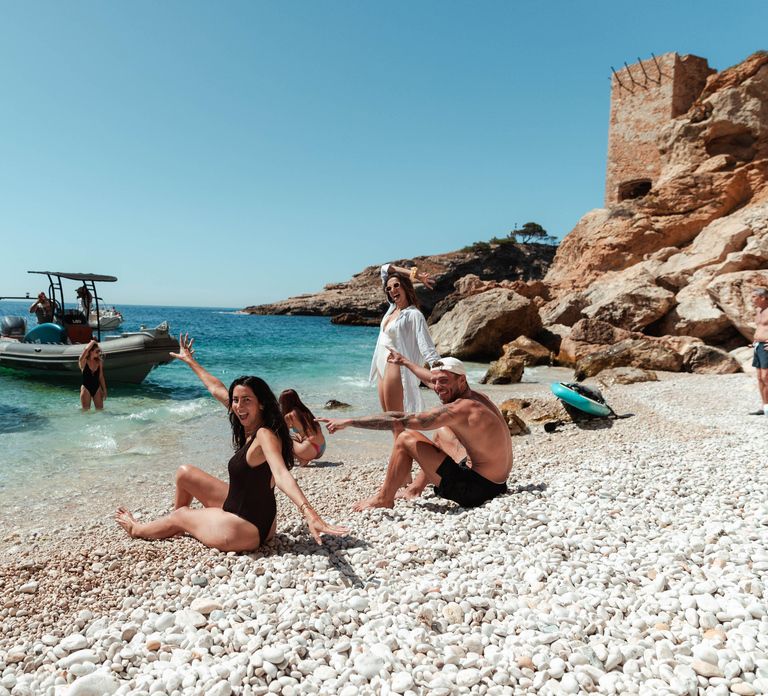
The best months to visit Marseille are May, June, and September. The weather is warm and settled, the crowds are manageable, and accommodation prices sit below peak-summer rates. The sea is warm enough to swim from June through October.
July and August bring intense heat, full hotels, and significantly higher prices. The Calanques trails close during fire-risk periods in summer, which can limit access to one of the area's greatest natural draws. If you visit in August, book everything well in advance.
Winter is mild by northern European standards, with temperatures rarely dropping below 8°C. The Mistral wind can make January and February feel harsh, but the city empties of tourists and prices drop considerably. Spring from March onwards brings wildflowers to the limestone hills and ideal conditions for hiking.
What to See and Do
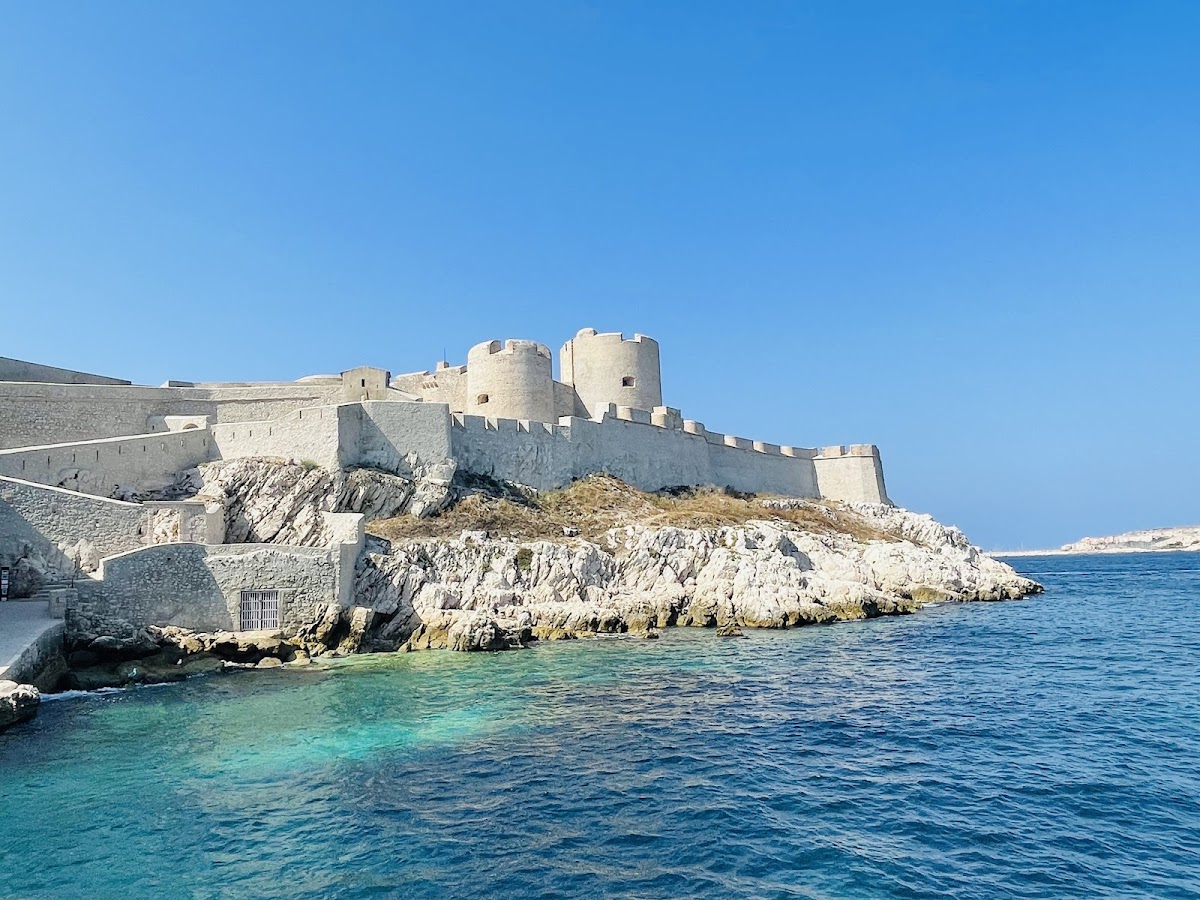
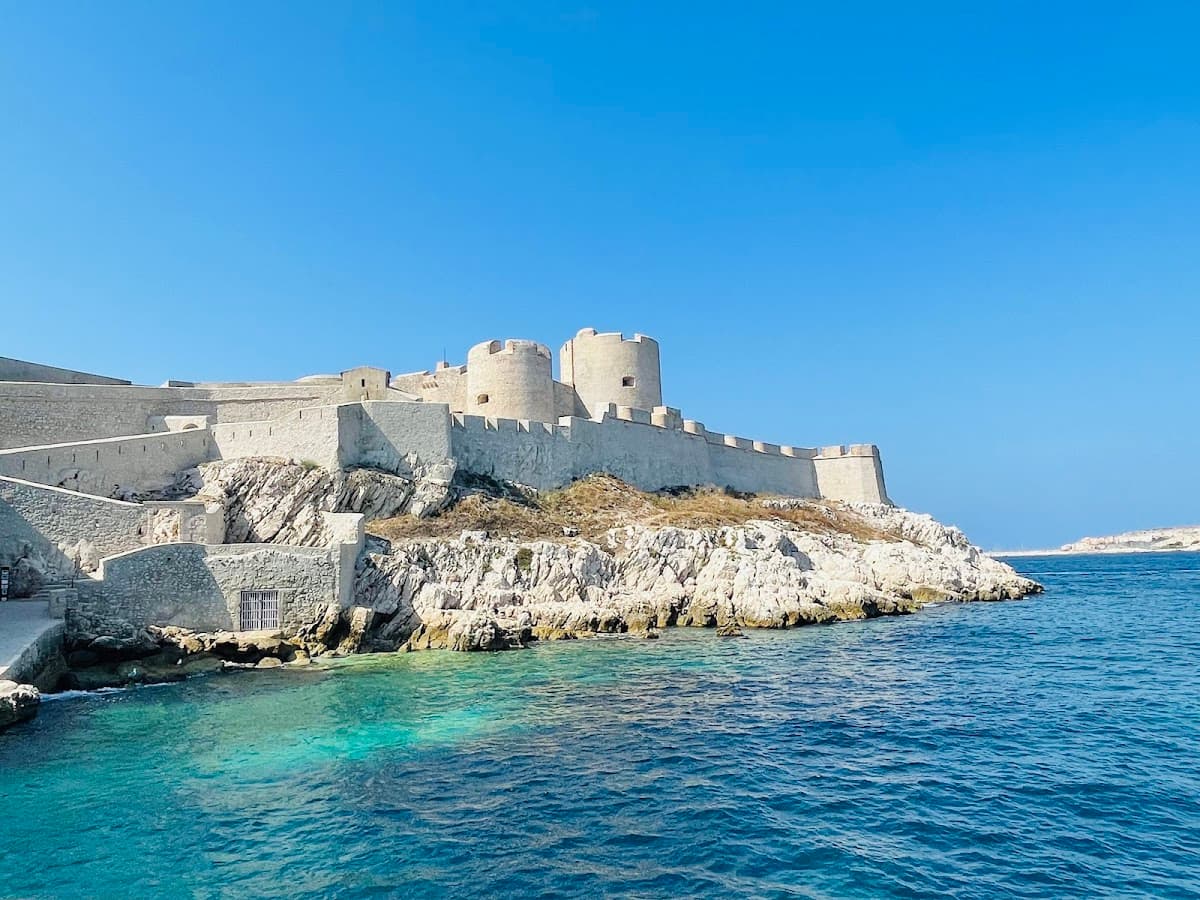
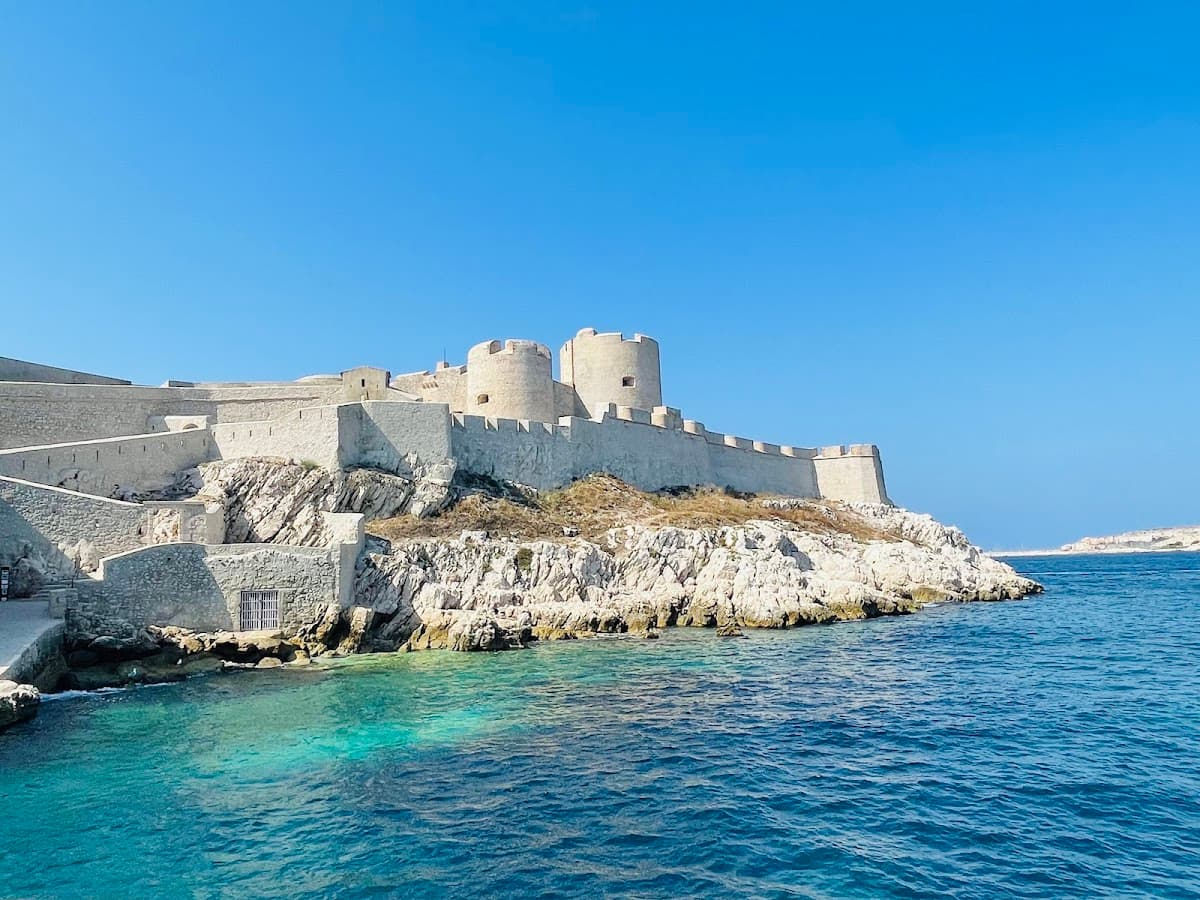
The Château d'If is the obvious starting point for anyone arriving in the city. The island fortress that inspired Alexandre Dumas' The Count of Monte Cristo sits in the bay, visible from the port, and the boat crossing takes about 20 minutes. The views back toward the city skyline are worth the trip alone. If queues concern you, the fast-track option saves meaningful time in peak season.
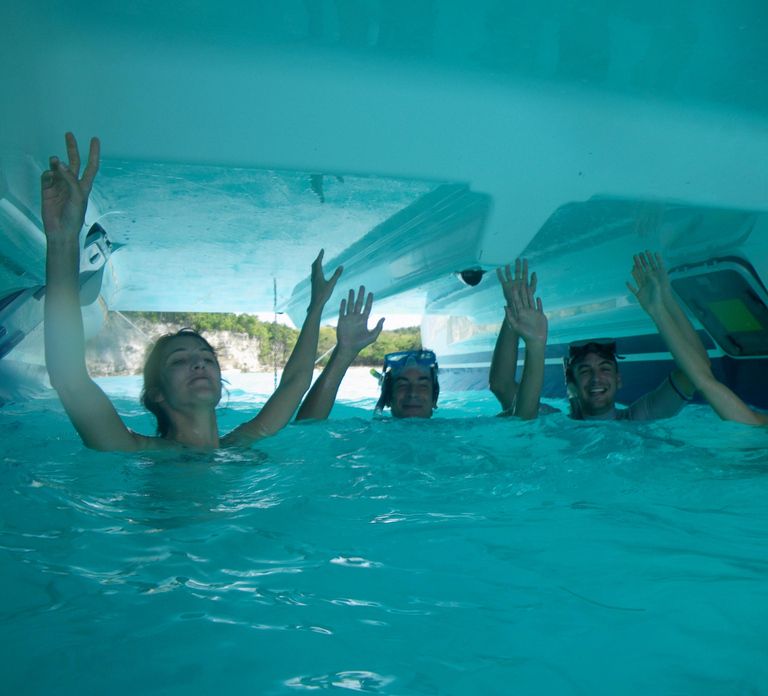
For a full day on the water, the Calanques Catamaran Cruise with Picnic and Swimming takes you along the dramatic limestone inlets stretching east toward Cassis. The Calanques are genuinely spectacular, and seeing them from the sea gives a perspective that the hiking trails cannot match.
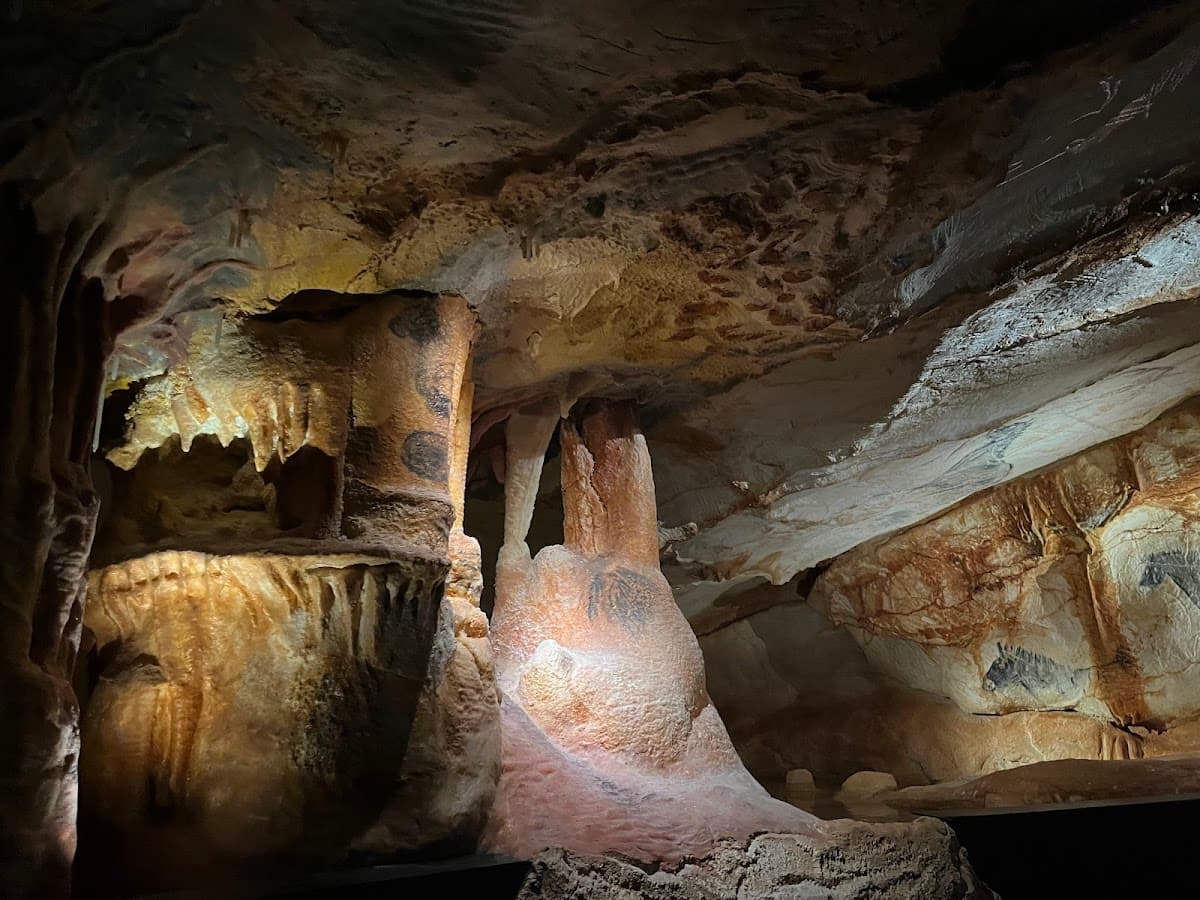
The Grotte Cosquer is one of the most underrated experiences in the region. The original prehistoric cave is submerged underwater and inaccessible, but the replica experience in the Villa Méditerranée uses technology to recreate cave paintings dating back 27,000 years. Most visitors walk past it without stopping.
For day trips, the region surrounding Marseille rewards exploration. The Aix-en-Provence wine tasting experience combines one of France's most beautiful market towns with a guided introduction to Provence rosé and regional varieties. It is 30 minutes by train and a complete change of pace from the port city.
The Marseille Walking Food Tour with Full Meal is one of the most efficient ways to understand the city's food culture quickly. Bouillabaisse gets all the attention, but the city's Tunisian, Lebanese, and Comorian food scenes are just as important to its identity.
Where to Eat
Bouillabaisse is the city's signature dish and worth eating once, properly, at a restaurant that makes it the traditional way with rouille, croutons, and the broth served separately. Expect to pay €50 or more per person for the real version. Chez Fonfon and Miramar are the established names, but smaller spots along the Corniche often serve equally good versions at lower prices.
For everyday eating, head to Noailles market, known locally as the Marché du Monde, for North African pastries, fresh spices, and cheap, excellent sandwiches. The area around Cours Julien has the best independent restaurant density in the city.
Panisse, a fried chickpea flour snack, is the street food to know. It costs almost nothing and tastes like the city itself.
Budget Expectations
Marseille is meaningfully cheaper than Paris. A mid-range hotel in a good location runs €90 to €150 per night. A sit-down lunch with wine costs €15 to €25 per person. Public transport is inexpensive, and many of the best experiences, including coastal walks and the Vieux-Port itself, cost nothing.
The main costs are boat tours, which range from €30 to €80 depending on length and format, and the occasional splurge on a proper bouillabaisse. Budget travellers can manage comfortably on €80 to €100 per day including accommodation.
Insider Tips
The Corniche Kennedy coastal road is one of the best free walks in any French city. Most visitors take a bus along it without stopping, but walking the full length from the Catalans beach to the Vallon des Auffes fishing inlet takes about 40 minutes and passes some of the city's most interesting architecture and sea views.
The ferry across the Vieux-Port, called the Three Ferries, runs constantly and costs €0.50. It is the cheapest and most pleasant way to cross between the north and south sides of the port, and it gives you a minute or two on the water with a perfect view of the city's skyline.
Avoid the restaurants with picture menus directly on the Quai du Port. The food is almost universally mediocre and priced for people who do not know better. Walk one street back in any direction and the quality improves immediately.
Practical Tips
The city has a reputation for petty theft that is somewhat exaggerated but not entirely unfounded. Keep bags zipped and be aware on the metro, particularly on Line 2. Standard urban precautions apply.
Many smaller restaurants close on Sundays and Mondays. If you are planning a specific meal, check ahead.
French is essential. English is less widely spoken here than in Paris or Lyon. A few words of French go a long way, particularly outside the tourist areas.
Marseille rewards patience. The city does not immediately reveal itself to visitors who arrive with a checklist. Give it two or three days and it starts to make sense on its own terms.