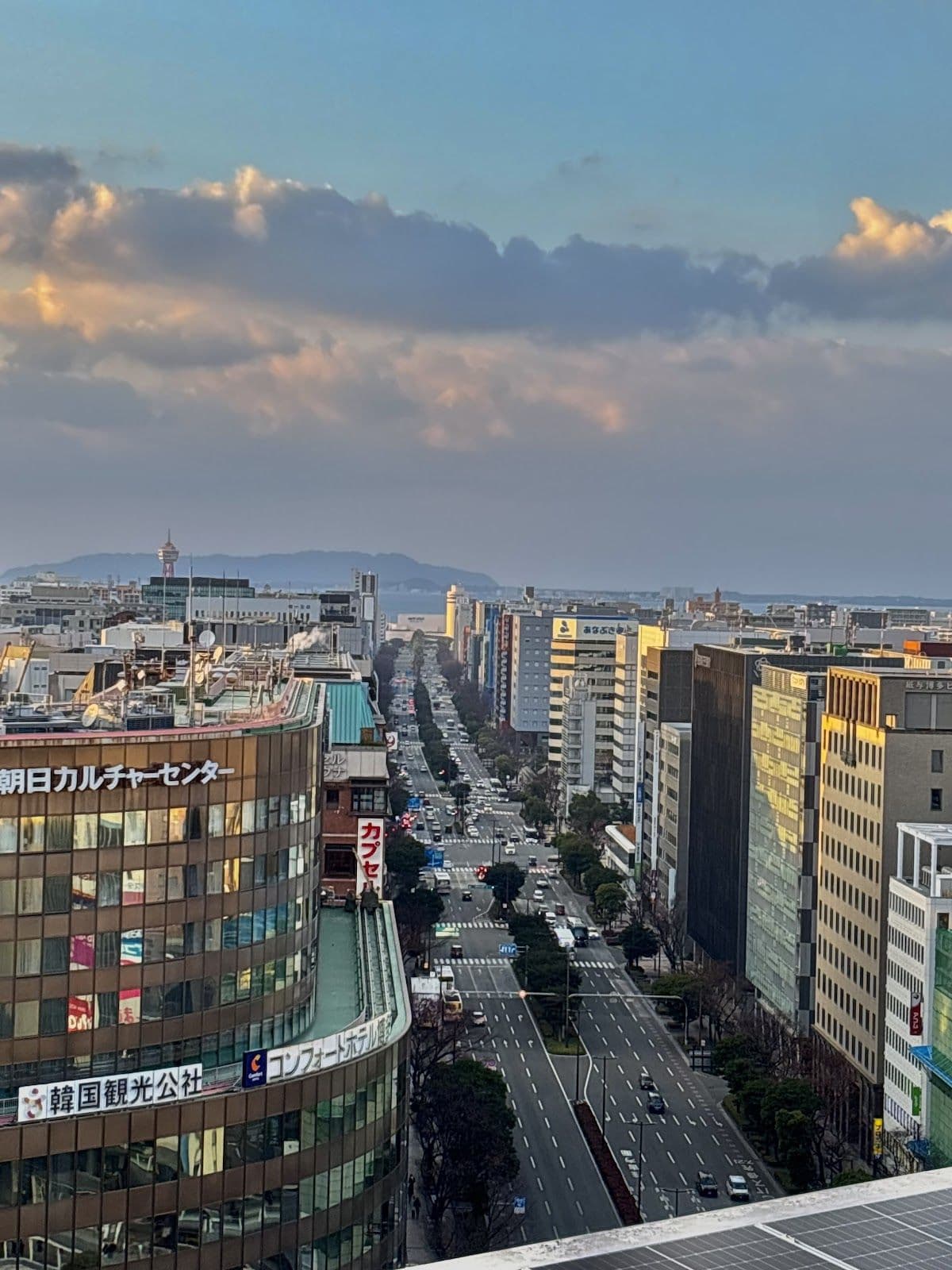
Fukuoka Travel Guide: Plan Your Perfect Trip
By Matt Cuckston, Founder & Travel Technology Expert at TixLayer
Fukuoka sits at the northern tip of Kyushu, Japan's southernmost main island, and it punches well above its weight as a travel destination. With a compact city layout, an extraordinary food culture, and a network of trains and ferries connecting you to the wider region, this is one of the best bases in Japan for travellers who want to explore beyond the standard Tokyo-Kyoto-Osaka circuit. If you are researching things to do in Fukuoka, this guide will give you everything you need to plan a confident, well-organised trip.
---
Getting to Fukuoka
Fukuoka Airport is one of the most conveniently located international airports in Japan, sitting just two subway stops from the city centre. Flights connect directly to Seoul, Hong Kong, Shanghai, Taipei, Singapore, and several other Asian hubs, making it an excellent entry point for a Japan trip.
From Tokyo, the Shinkansen takes around five hours on the Tokaido-Sanyo line to Hakata Station, which is the main railway hub in the city. If you have a Japan Rail Pass, this journey is fully covered. Domestic flights from Tokyo Haneda take around 90 minutes and can be cheaper if booked in advance.
Hakata Port also operates international ferry services to Busan in South Korea, which takes around three hours on the high-speed Beetle ferry. This is a genuinely enjoyable way to enter or exit Japan if you are combining both countries.
---
Getting Around the City
Fukuoka has a clean, reliable subway system with three lines covering most of the key areas. A single ride costs between 200 and 300 yen depending on distance. The Nishitetsu rail network and local buses fill in the gaps.
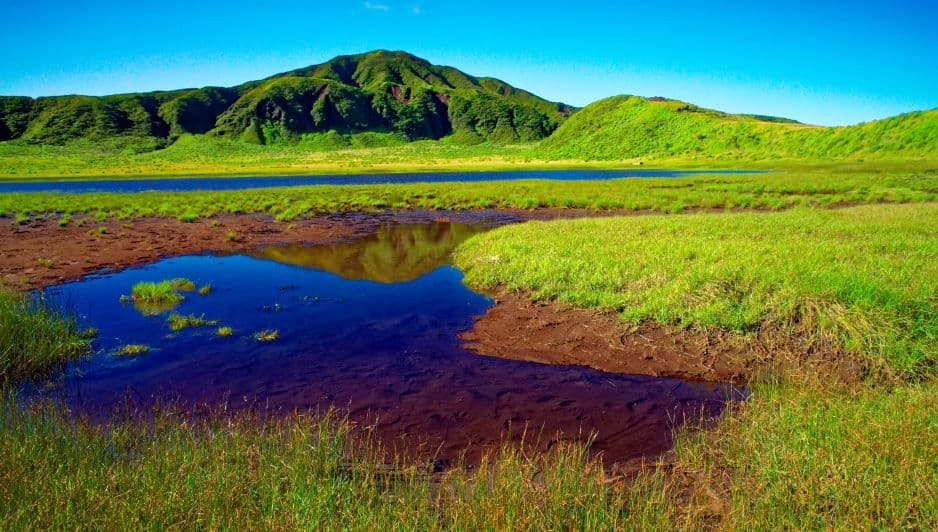
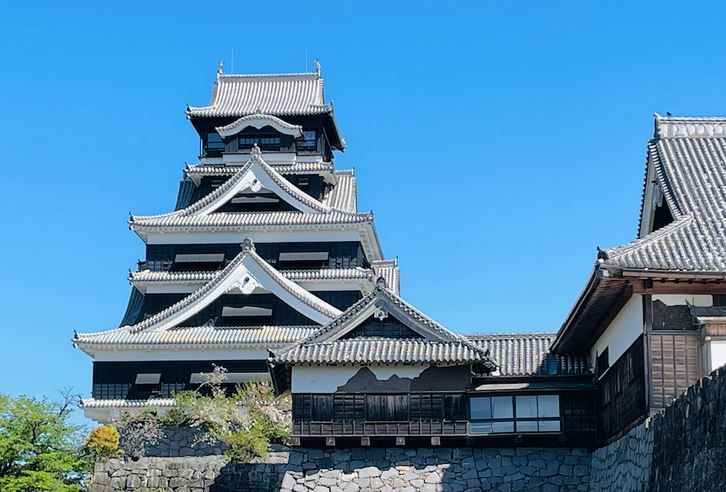
For day trips into the surrounding region, Hakata Station is your hub. Trains run regularly to Nagasaki, Kumamoto, and Beppu, all within two hours. If you prefer a guided experience, the Kyushu Kumamoto Day Tour is a well-structured option that takes you from Fukuoka to Kumamoto and includes a visit to the volcanic Aso region.
Taxis are metered and reliable but not necessary for most journeys. IC cards such as Suica or Nimoca work across the subway, buses, and convenience stores, so load one up on arrival.
---
Best Neighbourhoods to Stay In
Hakata is the business and transport district. It is practical, well-connected, and home to some of the best ramen shops in the city. Good for first-time visitors who want easy access to trains.
Tenjin is the commercial heart of the city, with department stores, covered shopping arcades, and a wide range of restaurants and cafes. It suits travellers who want to be in the middle of the action.
Ohori Park area is quieter and more residential, sitting near the large park and Fukuoka Castle ruins. A better choice if you prefer a slower pace and green space nearby.
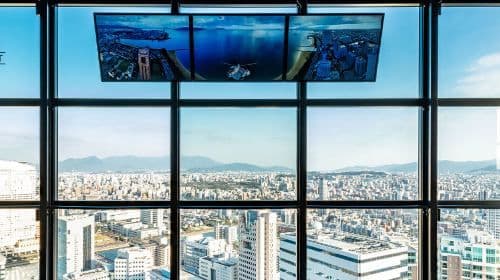
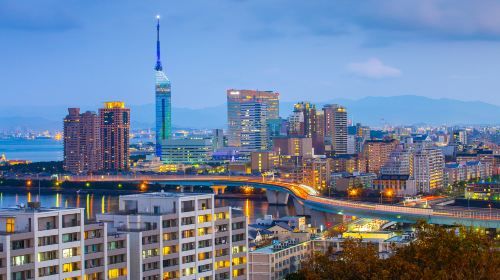
Momochi is a waterfront neighbourhood near the beach and the Fukuoka Tower, Japan's tallest seaside tower. It works well for families and those who want a coastal feel without leaving the city.
---
When to Visit
Spring (March to May) is the most popular season, with cherry blossoms typically peaking in late March and early April. Ohori Park is one of the best spots in the city to see them. Temperatures are mild and the city is at its most photogenic, though accommodation books up fast.
Autumn (October to November) is arguably the best time to visit overall. Temperatures are comfortable, the crowds are thinner than spring, and the foliage around the region is excellent.
Summer (June to August) is hot and humid, with a rainy season running through June and into mid-July. It is manageable but not ideal. August brings festivals including the Hakata Gion Yamakasa, which is worth seeing if you can handle the heat.
Winter (December to February) is mild by Japanese standards, rarely dropping below five degrees Celsius. It is a good season for budget travellers as accommodation prices drop significantly.
---
What to See and Do
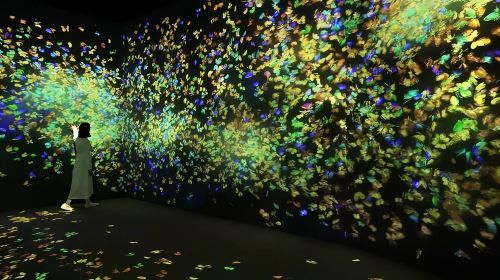
Within the city, teamLab Forest Fukuoka at the BOSS E·ZO entertainment complex is one of the most impressive digital art experiences in Japan. It is different from the teamLab installations in Tokyo and well worth the admission price.
For history, the ruins of Fukuoka Castle and the surrounding Maiko Park offer a peaceful afternoon. The nearby Hakata Machiya Folk Museum gives genuine insight into the city's merchant culture and traditional crafts.
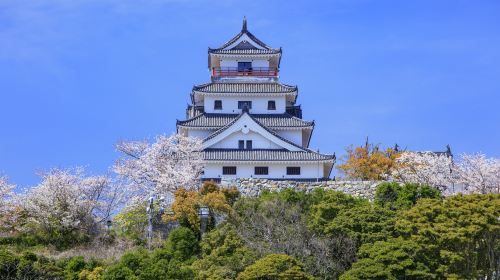
Day trips are where Fukuoka really earns its status as a base city. Karatsu Castle is a short train ride away and offers sweeping views over the coast from its reconstructed tower. Yūtoku Inari Shrine, one of Japan's three great Inari shrines, sits in Saga Prefecture and is easily reached by train in under two hours.
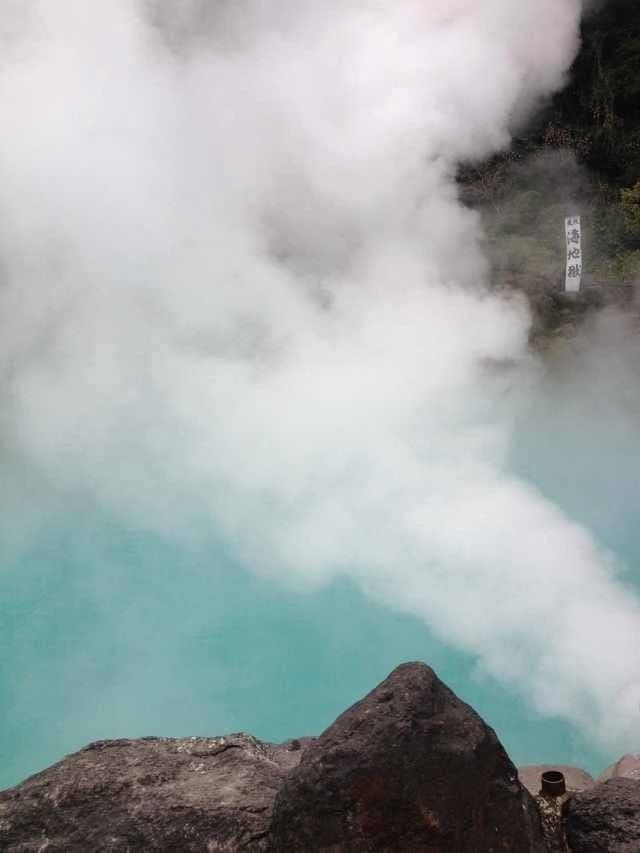
If you are heading further afield, the geothermal landscape around Beppu is extraordinary. The Beppu Hells Pass gives you access to the famous Jigoku hot spring circuit, where boiling pools of vivid blue, red, and grey waters are unlike anything else in Japan.
For families, Marine World Fukuoka at Uminonakamichi is a solid half-day option with dolphin and sea lion shows alongside well-designed marine exhibits.
---
Where to Eat
Fukuoka has a legitimate claim to being Japan's best city for street food and casual dining. Tonkotsu ramen originated here, and the local version, served with a rich pork bone broth and thin straight noodles, is noticeably different from what you will find in Tokyo. Ichiran and Ippudo both started in Fukuoka, but the smaller independent shops around Hakata and Nakasu often serve better bowls.
Yatai are the city's open-air food stalls, set up along the riverbank in Nakasu and on Tenjin's west side each evening. They serve everything from ramen and yakitori to mentaiko dishes and oden. Sitting at a yatai counter is one of the most atmospheric dining experiences in Japan and costs very little.
Mentaiko, spicy marinated pollock roe, is the city's signature ingredient and appears in everything from pasta to rice balls to bread. Pick some up at the Fukuoka Airport or Hakata Station food halls before you leave.
---
Budget Expectations
Fukuoka is one of Japan's more affordable major cities. A bowl of ramen at a local shop costs 800 to 1,200 yen. A yatai dinner with drinks rarely exceeds 2,500 yen per person. Mid-range hotel rooms in Hakata or Tenjin run between 8,000 and 15,000 yen per night. Budget guesthouses and capsule hotels start around 3,500 yen.
Day trips add cost depending on transport and entry fees, but the Shinkansen and regional trains are covered by the Japan Rail Pass. Overall, a comfortable trip can be done on 8,000 to 12,000 yen per day excluding accommodation.
---
Insider Tips
The Fukuoka City Museum is free and underrated. Most visitors skip it entirely, but the museum holds a genuine national treasure: the gold Han dynasty seal gifted to Japan in 57 AD. It is one of the most significant archaeological objects in the country and there is almost never a queue.
Book yatai seating before 7pm. Popular stalls along the Nakasu riverbank fill up quickly on weekends. Arriving early or on a weekday evening gives you a more relaxed experience and more time to chat with the stall owner, which is half the point.
Use Hakata as a base for Nagasaki rather than staying there. Nagasaki is a deeply moving city worth visiting, particularly the Nagasaki Atomic Bomb Museum, but accommodation there is limited and expensive. The train from Hakata takes around two hours and runs frequently, making a day trip straightforward and affordable.
---
Practical Tips
- Most restaurants display plastic food models or picture menus outside. Point and order confidently.
- Convenience stores (7-Eleven, FamilyMart, Lawson) are genuinely useful for meals, snacks, and ATM withdrawals that accept foreign cards.
- Tipping is not practised in Japan and can cause confusion. Do not do it.
- Google Maps works extremely well for public transport navigation throughout the region.
- Fukuoka is very safe, but keep an eye on your belongings in crowded festival settings.
Fukuoka rewards travellers who approach it with curiosity rather than a rigid itinerary. The city is easy to navigate, genuinely welcoming, and connected to some of the most interesting corners of Japan. Give it at least four days and you will almost certainly wish you had booked longer.