
Guida di viaggio a Cairns: pianifica il tuo viaggio perfetto
Di Matt Cuckston, fondatore ed esperto di tecnologia di viaggio presso TixLayer
Situata all'estremità settentrionale del Queensland, Cairns offre molto più di quanto ci si aspetti da una città di circa 160.000 abitanti. È l'indiscussa capitale dell'avventura in Australia, posizionata tra due siti patrimonio dell'umanità UNESCO e ricca di esperienze che spaziano dalle immersioni nella barriera corallina alle funivie nella foresta pluviale. Che tu stia pianificando una breve sosta o un soggiorno completo di due settimane, questa guida di viaggio a Cairns ti aiuterà a sfruttare al meglio ogni giornata. Non mancano le cose da fare a Cairns, e la sfida solitamente è scegliere cosa fare piuttosto che riempire l'itinerario.
---
Come arrivare
L'aeroporto di Cairns (CNS) è ben collegato alle principali città australiane. Qantas, Jetstar, Virgin Australia e Rex operano regolarmente voli diretti da Sydney, Melbourne, Brisbane e Adelaide. I tempi di volo variano dalle due ore e mezza da Brisbane alle circa tre ore e mezza da Melbourne. I voli internazionali arrivano direttamente da Singapore, Tokyo, Hong Kong e diversi hub del Pacifico, rendendolo un punto di ingresso conveniente se stai combinando l'Australia con un viaggio più ampio nell'Asia-Pacifico.
L'aeroporto si trova a circa sette chilometri dal centro città. Un taxi o un servizio di ridesharing costerà circa 25-35 AUD. La linea 110 del Sunbus collega l'aeroporto alla città per circa 4 AUD, sebbene sia meno frequente la sera. Se noleggi un'auto, ritirala in aeroporto e tieni presente che vi sono rappresentate la maggior parte delle principali compagnie di autonoleggio.
---
Come spostarsi
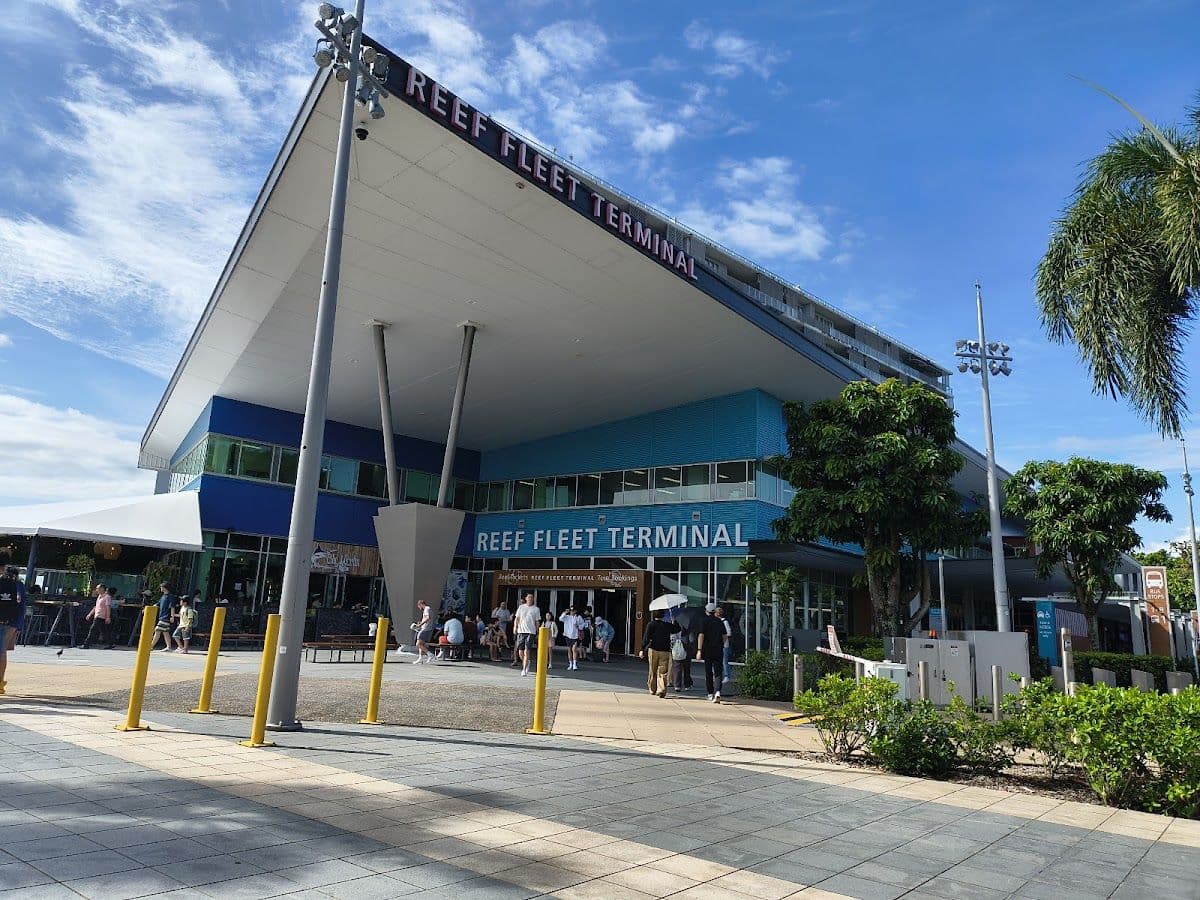
Cairns è una città percorribile a piedi. L'Esplanade, la laguna sul lungomare, il Reef Fleet Terminal e le principali vie dello shopping e della ristorazione sono tutti a breve distanza l'uno dall'altro.
Per gite giornaliere ed esplorazioni regionali, le tue opzioni sono:
- Auto a noleggio: Consigliata se prevedi di visitare autonomamente la Daintree, gli Atherton Tablelands o Paronella Park. Le strade sono generalmente buone, sebbene alcuni percorsi a nord del fiume Daintree richiedano un 4WD.
- Tour organizzati: La maggior parte delle esperienze su barriera corallina, isole e foresta pluviale include trasferimenti dal centro città, rendendo l'auto non necessaria per quelle specifiche attività.
- Sunbus: La rete di autobus locale copre i sobborghi delle spiagge settentrionali ed è conveniente, sebbene poco frequente su alcune tratte.
- Ridesharing: Uber e DiDi operano a Cairns e sono affidabili per spostarsi in città.
---
I migliori quartieri in cui soggiornare
Centro città: La base più pratica per la maggior parte dei visitatori. Sei a pochi passi dall'Esplanade, dal Reef Fleet Terminal, dai ristoranti e dai punti di partenza dei tour. Gli alloggi variano da ostelli economici a hotel a quattro stelle.
Northern Beaches (Palm Cove, Trinity Beach, Clifton Beach): A circa 25-30 minuti a nord della città, questi sobborghi offrono un'atmosfera più tranquilla, in stile resort, con vere spiagge balneabili. Palm Cove in particolare offre ottimi ristoranti e un ritmo rilassato. Ideale se hai un'auto a noleggio o non ti dispiace pagare per i trasferimenti.
Cairns North: A pochi passi dal centro, con un'atmosfera leggermente più residenziale. Alloggi di buon valore e vicino ai Giardini Botanici.
---
Quando visitare
Questa è una delle decisioni più importanti che prenderai quando pianifichi un viaggio a Cairns, e la divisione stagionale è significativa.
Stagione secca (da maggio a ottobre): Questa è l'alta stagione e il periodo più confortevole per visitare. Le temperature oscillano tra i 17 e i 27 gradi Celsius, l'umidità è gestibile e la pioggia è rara. L'oceano è calmo, la visibilità sulla barriera corallina è eccellente e la maggior parte delle attività all'aperto si svolge senza cancellazioni dovute al meteo. Luglio e agosto sono i mesi più affollati, quindi prenota alloggi e tour della barriera corallina con largo anticipo.
Stagione delle piogge (da novembre ad aprile): I tropici fanno ciò che fanno i tropici. Aspettati forti piogge, alta umidità e temperature regolarmente superiori ai 32 gradi. La stagione delle piogge porta anche la stagione delle meduse (stinger), che limita il nuoto in oceano senza una muta protettiva. Il rischio di cicloni è reale tra dicembre e marzo. Detto questo, la stagione delle piogge ha il suo fascino: le cascate sono al massimo del loro splendore, la foresta pluviale è rigogliosa e vivida, i prezzi sono più bassi e la folla è minore. Se riesci a tollerare il caldo e l'occasionale acquazzone, troverai un ottimo rapporto qualità-prezzo.
Cosa evitare: Viaggiare senza assicurazione di viaggio durante la stagione dei cicloni è un errore. Evita anche di prenotare tour della barriera corallina non rimborsabili a gennaio o febbraio senza controllare attentamente le politiche di cancellazione.
---
Cosa vedere e fare
La Grande Barriera Corallina
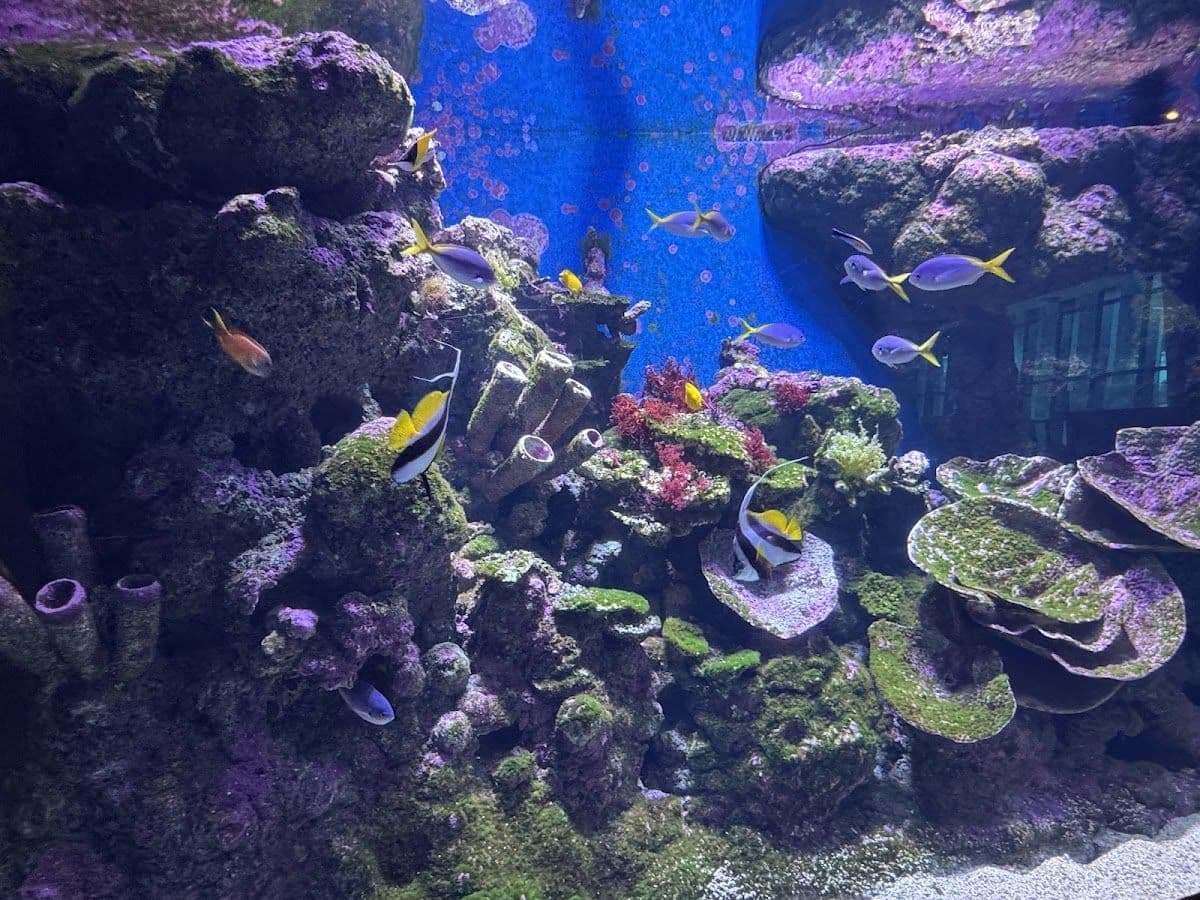
Nessun viaggio qui è completo senza entrare in acqua. La Crociera premium sulla Grande Barriera Corallina verso 3 siti copre tre distinti siti della barriera in un solo giorno, con opzioni illimitate di snorkeling e immersioni. Per qualcosa di culturalmente più profondo, il Dreamtime Dive dal Reef Fleet Terminal combina lo snorkeling sulla barriera con la narrazione indigena, offrendo una prospettiva sulla barriera che la maggior parte dei visitatori non incontra mai.
Se preferisci rimanere all'asciutto, il Volo panoramico di 40 minuti sulla Grande Barriera Corallina da Cairns offre una vista aerea davvero mozzafiato del sistema corallino e vale ogni centesimo solo per la prospettiva.
Isole
Fitzroy Island è l'isola più vicina a Cairns e una delle più accessibili per una gita di un giorno. La Gita di un'intera giornata a Fitzroy Island con pranzo opzionale ti porta lì con tempo per fare snorkeling, kayak o semplicemente sederti su una spiaggia che non richiede un lungo viaggio in barca. Le Frankland Islands offrono un'atmosfera più remota, con il Tour giornaliero della barriera corallina e delle isole Frankland che porta piccoli gruppi in una parte della barriera meno visitata.
Foresta pluviale e Kuranda
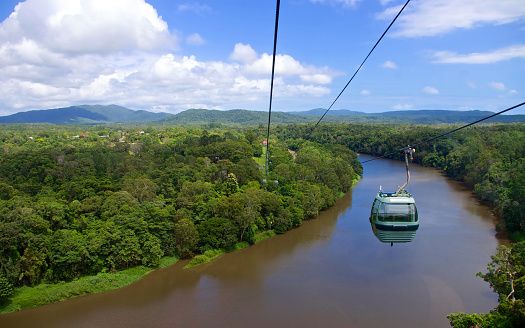
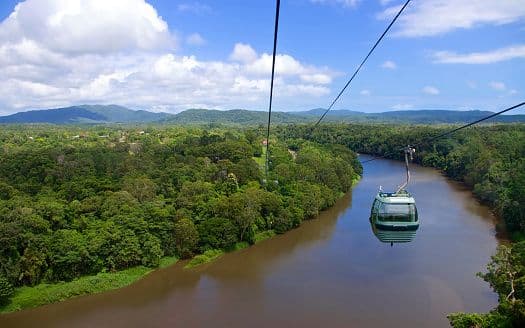
La Skyrail Rainforest Cableway è una delle conquiste ingegneristiche più straordinarie dell'Australia. L'Esperienza di andata e ritorno con la funivia Skyrail Rainforest ti trasporta sopra la volta della foresta pluviale con soste sopra la Barron Gorge, e i panorami sono davvero diversi da qualsiasi altra cosa nel paese. Combinala con lo storico Kuranda Scenic Railway per un classico giro di un'intera giornata.
Paronella Park
A circa un'ora e mezza a sud di Cairns, Paronella Park è una delle attrazioni più insolite del Queensland. Un immigrato spagnolo costruì un castello e giardini nella foresta pluviale negli anni '30, e le rovine sono state mantenute come sito storico da allora. I Biglietti d'ingresso per Paronella Park sono da prenotare in anticipo, e il tour notturno è particolarmente suggestivo.
---
Dove mangiare
Cairns ha una solida scena gastronomica per le sue dimensioni, concentrata in gran parte lungo Shields Street, l'Esplanade e l'area del porto.
- Ochre Restaurant: Uno dei posti migliori in Australia per provare ingredienti nativi cucinati correttamente. Canguro, coccodrillo e semi di acacia sono presenti regolarmente.
- Prawn Star: Una chiatta di pesce galleggiante al porto che serve gamberi freschi, ostriche e cicale di mare. Arriva presto perché finisce tutto.
- Mercati notturni: I mercati notturni dell'Esplanade sono un'opzione affidabile per pasti informali ed economici con una vasta gamma di cucine.
- Palm Cove: Se guidi verso nord, Vivo e Nu Nu meritano entrambi il viaggio per una cena con vista sulla spiaggia.
---
Aspettative di budget
Cairns si colloca nella categoria di fascia media per le città australiane. È più economica di Sydney o Melbourne per alloggio e cibo, ma i tour della barriera corallina e della foresta pluviale si sommano rapidamente.
- Viaggiatore economico: 80-120 AUD al giorno, soggiornando in ostelli e cucinando alcuni pasti
- Fascia media: 200-350 AUD al giorno, inclusi hotel e un'attività principale
- Premium: 500 AUD e oltre, con alloggio in resort e tour privati o premium
Le spese maggiori sono solitamente le crociere sulla barriera corallina (150-280 AUD a persona) e le gite giornaliere alle isole. Prenotare in anticipo tramite piattaforme come TixLayer spesso garantisce tariffe migliori rispetto alla prenotazione al molo il giorno stesso.
---
Consigli utili
1. L'Esplanade Lagoon è gratuita e davvero eccellente. La maggior parte dei visitatori presume che non si possa nuotare a Cairns senza andare su un'isola o in spiaggia. L'Esplanade Lagoon è una grande piscina pubblica gratuita proprio sul lungomare, aperta tutti i giorni, ed è uno dei migliori punti balneari urbani in Australia. Risolve completamente il problema delle meduse ed è perfetta per una nuotata serale.
2. Prenota i tour della barriera corallina da martedì a giovedì. Le partenze del fine settimana e del lunedì si riempiono velocemente con i viaggiatori del weekend e coloro che arrivano con i voli della domenica. Le partenze infrasettimanali tendono ad avere gruppi più piccoli e alcuni operatori offrono prezzi ridotti nei periodi di bassa affluenza.
3. Gli Atherton Tablelands sono costantemente trascurati. Mentre tutti si dirigono verso la barriera corallina o Kuranda, i Tablelands, un'ora nell'entroterra, offrono laghi craterici, cascate, caseifici e alcuni dei migliori posti per il birdwatching nel Queensland. Noleggia un'auto per un giorno e percorri il circuito delle cascate di Millaa Millaa. Probabilmente lo avrai in gran parte tutto per te.
---
Consigli pratici
- La protezione solare non è negoziabile. L'indice UV a Cairns è estremo per gran parte dell'anno. SPF 50, un cappello e una maglietta protettiva per le attività acquatiche sono essenziali.
- La crema solare sicura per la barriera corallina è ampiamente disponibile e vale la pena usarla per proteggere l'ecosistema corallino.
- Assicurazione di viaggio: Data la stagione dei cicloni e il volume di attività acquatiche, è vivamente consigliata un'assicurazione di viaggio completa.
- Mance: Non previste in Australia, sebbene apprezzate per un servizio eccezionale.
- Valuta: Dollaro australiano (AUD). I bancomat sono ampiamente disponibili nel centro città.
Cairns premia i viaggiatori che pianificano in anticipo e lasciano spazio nel loro programma per l'imprevisto. Che tu sia qui per la barriera corallina, la foresta pluviale o semplicemente come base per esplorare l'estremo nord del Queensland, è una delle destinazioni più autenticamente gratificanti dell'Australia.