Brisbane Travel Guide: Plan Your Perfect Trip
All articles

Brisbane Travel Guide: Plan Your Perfect Trip

By Matt CuckstonJune 13, 20268 min read

Brisbane Travel Guide: Plan Your Perfect Trip

By Matt Cuckston, Founder & Travel Technology Expert at TixLayer

If you are putting together your list of things to do in Brisbane, you are in good company. Queensland's capital has quietly become one of Australia's most rewarding cities to visit, offering a mix of outdoor adventure, excellent food, accessible wildlife, and easy day trips to some of the country's best coastline and islands. This guide covers everything you need to know to plan a confident, well-organised trip.

---

Getting to Brisbane

Brisbane Airport (BNE) is located about 15 kilometres north of the city centre and is well connected to major international and domestic routes. The Airtrain is the most straightforward way into the city, running every 15 minutes and taking around 20 minutes to reach Central Station. A single adult fare costs roughly AUD $20. Taxis and rideshares are available but will cost between AUD $45 and $60 depending on traffic.

If you are arriving from Sydney or Melbourne, domestic flights are frequent and often affordable when booked in advance. The train from Sydney via the Spirit of Queensland is an option for the more adventurous traveller, though it takes around 14 hours.

---

Getting Around the City

Brisbane River Midday Sightseeing Cruise
Brisbane River Midday Sightseeing Cruise · Book →

Brisbane is a walkable city in its inner suburbs, but you will want to use public transport to reach attractions further afield. The go card is a reusable transit card that works across buses, trains, and the CityCat ferry network. Load it up at the airport or any 7-Eleven and tap on and off across the network.

The CityCat ferry is genuinely one of the best ways to see the city. It runs along the Brisbane River between the University of Queensland and Northshore Hamilton, with frequent stops at South Bank, the CBD, and New Farm. It is practical and scenic at the same time.

Rideshares (Uber, DiDi) are widely available and reasonably priced for shorter trips. Cycling infrastructure has improved significantly, and hire bikes are available through the Lime network if you prefer two wheels.

---

Best Neighbourhoods to Stay In

CBD and South Bank are the most convenient bases, with easy access to cultural institutions, restaurants, and the river. Hotels here range from budget to luxury.

Fortitude Valley suits travellers who want to be close to independent dining, live music venues, and a lively night scene. It is a short walk or train ride from the city.

New Farm is a quieter, residential neighbourhood with excellent cafes, the New Farm Park, and access to the CityCat ferry. It is a good choice if you want a more local feel without sacrificing convenience.

West End has a strong cafe culture, weekend markets, and a mix of independent shops and restaurants. It is popular with long-stay visitors and those who prefer a neighbourhood atmosphere.

---

When to Visit

Brisbane Whale Watching Cruise
Brisbane Whale Watching Cruise · Book →

The best months to visit are June through August. Temperatures sit comfortably between 11°C and 22°C, humidity is low, and the skies are reliably clear. This is also whale watching season, which makes it an ideal time to book a Brisbane Whale Watching Cruise out on Moreton Bay.

September and October are also excellent, with warming temperatures and minimal rain before the summer humidity sets in.

December through February brings hot, humid weather with afternoon thunderstorms and occasional heavy rainfall. It is not unpleasant if you are prepared, but it is worth knowing that some outdoor activities become less enjoyable during this period. January in particular can feel oppressive for travellers not accustomed to subtropical summers.

Avoid planning major outdoor excursions in late January and February unless you are comfortable with heat and unpredictable afternoon storms.

---

What to See and Do

Lone Pine Koala Sanctuary General Admission Tickets
Lone Pine Koala Sanctuary General Admission Tickets · Book →

Wildlife Experiences

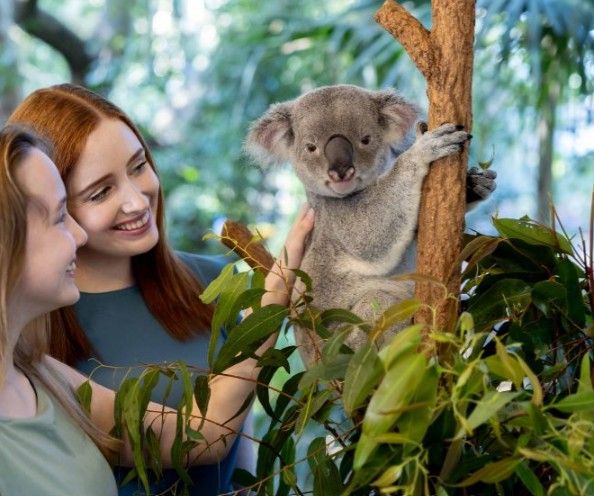
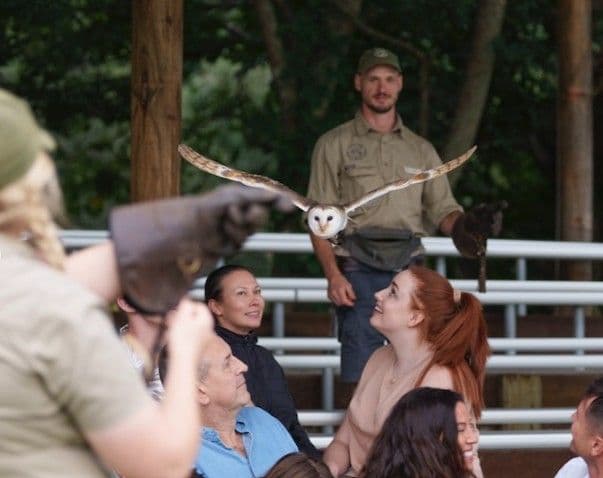
No visit is complete without spending time at Lone Pine Koala Sanctuary, the world's largest koala sanctuary. You can hold a koala, hand-feed kangaroos, and see a wide range of native Australian wildlife in a single visit. It is genuinely impressive, not a tourist trap, and well worth half a day.

If you want to combine the sanctuary visit with a scenic river journey, the Koala and River Cruise departs from the city and travels along the Brisbane River to Lone Pine. It is a relaxed way to arrive and gives you a different perspective of the city from the water.

The Story Bridge

Brisbane Story Bridge Twilight Climb
Brisbane Story Bridge Twilight Climb · Book →

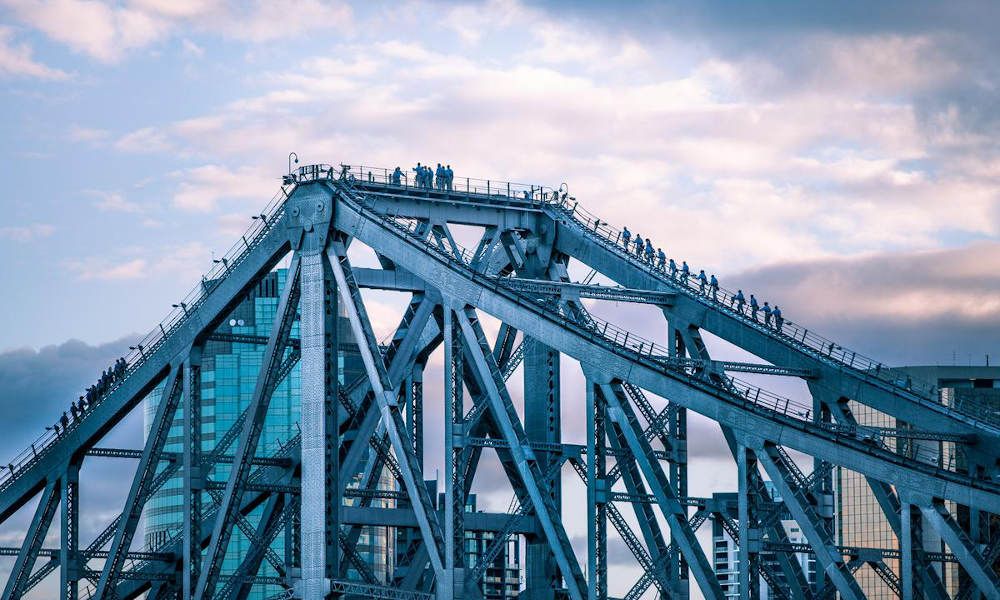
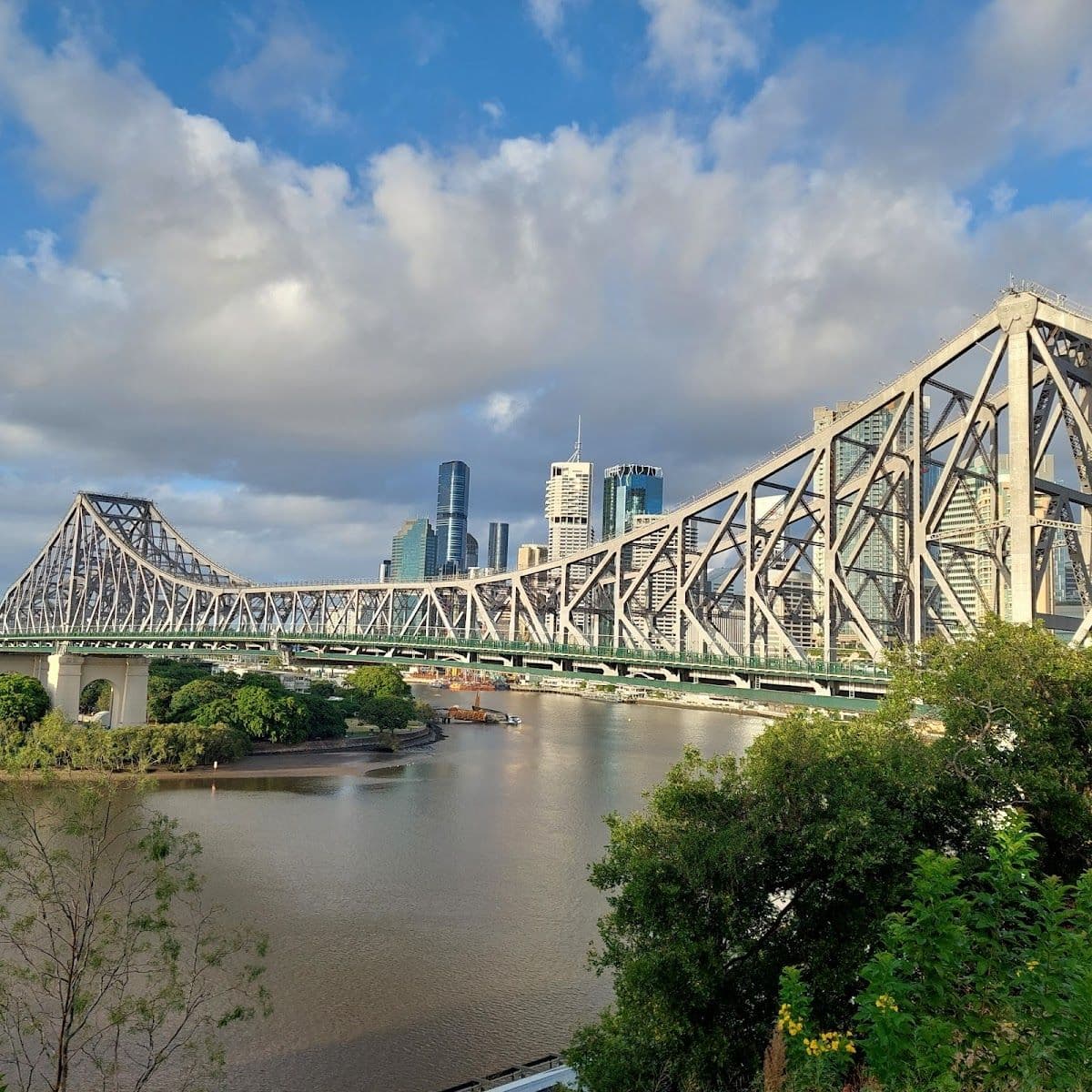
The Story Bridge is one of the most recognisable structures in Queensland, and climbing it is an experience that holds up well. The Brisbane Story Bridge Day Climb offers 360-degree views across the city, river, and out to Moreton Bay. If you prefer something more atmospheric, the Brisbane Story Bridge Twilight Climb lets you watch the city transition from daylight to dusk from the top of the arch.

Island Day Trips

Tangalooma Day Trip with Activities
Tangalooma Day Trip with Activities · Book →

Moreton Bay is home to several islands that are easy to reach from the city. Tangalooma on Moreton Island is a popular destination for snorkelling, sandboarding, and beach time. The Tangalooma Beach Day Cruise is a well-run option that handles transport and activities in one booking.

North Stradbroke Island (Minjerribah) is another excellent day trip, with long surf beaches, clear water, and wildlife including dolphins and, in season, humpback whales.

Cultural Attractions

South Bank Parklands sits directly across the river from the CBD and is home to the Queensland Museum, the Gallery of Modern Art (QAGOMA), the Maritime Museum, and a man-made lagoon beach that is free to use. The precinct is well designed and easy to spend a full day exploring without spending much money.

The Queensland Art Gallery and GOMA together form one of the strongest public art collections in the southern hemisphere. Entry to the permanent collection is free.

---

Where to Eat

Brisbane's food scene has developed considerably over the past decade. For breakfast and brunch, New Farm and West End have the highest concentration of quality independent cafes. Fortitude Valley's Chinatown precinct is worth visiting for affordable Asian food, particularly for lunch.

For a more formal dinner, the Howard Smith Wharves precinct along the river has a cluster of well-regarded restaurants with good views. It can be pricey, so book ahead and check menus before committing.

Eagle Street Pier and South Bank both have reliable mid-range options if you want something with a river outlook without the premium pricing of the wharves.

The South Bank Lifestyle Markets (held on Friday evenings and weekends) are a good option for affordable, varied street food in a relaxed outdoor setting.

---

Budget Expectations

Brisbane sits in the mid-range for Australian cities. It is generally more affordable than Sydney but comparable to Melbourne for accommodation and dining.

Budget travellers staying in hostels and cooking some meals can get by on AUD $80 to $120 per day. Mid-range travellers staying in three-star hotels and eating out for most meals should budget AUD $180 to $280 per day. Luxury travel, including premium hotels and fine dining, will exceed AUD $400 per day without difficulty.

Public transport is reasonably priced, and many of the city's best attractions (art galleries, parklands, beaches) are free. The main costs to plan for are accommodation, tours, and dining.

---

Practical Tips

Sun protection is non-negotiable. The UV index in Queensland is extreme for most of the year, including in winter. Wear SPF 50+, a hat, and sunglasses whenever you are outside for more than a few minutes.

Book wildlife experiences early. Lone Pine and the river cruise options fill up quickly, particularly during school holidays and the June to August peak season. Secure your tickets before you arrive.

Use the CityCat for more than transport. Many visitors use it only to get from A to B, but riding the full length of the route from UQ to Northshore is a worthwhile experience in itself. It takes about 90 minutes end to end and costs a few dollars with a go card.

---

Insider Tips

The Kangaroo Point Cliffs at dawn are worth the early start. The cliffs sit directly across the river from the CBD and offer one of the best free views in the city. Locals run and exercise there in the mornings, and the light on the city skyline is exceptional in the early hours.

Eat at the Jan Powers Farmers Markets in Powerhouse. Held every Saturday morning at the Brisbane Powerhouse in New Farm, this market is genuinely local and largely unknown to visitors. The produce quality is high, the food stalls are excellent, and it is a far more authentic experience than the South Bank markets.

Take the free council ferry (Kookaburra Cat) between Holman Street and Thornton Street. This small cross-river ferry is free to use and gives you a five-minute river crossing that most tourists never discover. It is a useful shortcut between Kangaroo Point and the CBD, and it costs nothing.

---

Final Word

Brisbane rewards travellers who take the time to move beyond the obvious. The wildlife, the river, the islands, and the surrounding coastline make it one of Australia's most versatile destinations. Whether you are here for a long weekend or using it as a base for exploring Queensland, the city has more than enough to justify a proper visit.

#brisbane#australia#queensland#travel-guide#things-to-do#wildlife#outdoor-adventures#day-trips