Boston Travel Guide: Plan Your Perfect Trip
By Matt Cuckston, Founder & Travel Technology Expert at TixLayer
Few American cities carry as much history per square mile as Boston. From the cobblestone streets of Beacon Hill to the waterfront piers of the Seaport District, this is a city that rewards slow, deliberate exploration. Whether you are a first-time visitor trying to sort through the long list of things to do in Boston or a repeat traveler looking to go deeper, this guide gives you everything you need to plan a trip that actually works.
---
Getting to Boston
Boston Logan International Airport (BOS) sits just three miles from downtown, making it one of the most conveniently located major airports in the United States. Most transatlantic and domestic routes fly directly into Logan, with strong connections from London Heathrow, Dublin, and major European hubs.
From the airport, the Silver Line bus (SL1) runs directly to South Station for free, making it one of the easiest and cheapest airport transfers in any American city. Taxis and rideshares are available but expect to pay $25 to $40 depending on traffic. The Blue Line subway also connects the airport to downtown in about 15 minutes.
If you are traveling from New York, the Amtrak Acela and Northeast Regional trains are a genuinely pleasant alternative to flying, arriving at South Station in the heart of the city. Bus services like Greyhound, FlixBus, and BoltBus also connect Boston to New York and other northeast cities at budget-friendly prices.
---
Getting Around the City
Boston is compact enough to walk between many major attractions, but the MBTA (known locally as the T) fills the gaps efficiently. The subway covers four color-coded lines: Red, Green, Blue, and Orange. A single ride costs $2.40 with a CharlieCard, which you can load at any station. A 7-day unlimited pass runs around $25 and is worth it for most visitors staying four or more days.
Cycling is a solid option thanks to the Bluebikes bike-share network, with docking stations spread across the city and surrounding neighborhoods including Cambridge and Somerville.
Driving is not recommended. Parking is expensive, traffic is unpredictable, and Boston's street layout was famously designed around old cattle paths. Leave the car at home.
For a relaxed introduction to the city's layout, the Boston Hop-On Hop-Off Trolley Tour with 13 Stops is a practical way to orient yourself on arrival and covers the major landmarks across the downtown core.
---
Best Neighborhoods to Stay In
Back Bay is the most popular base for visitors and for good reason. It sits close to the Public Garden, Newbury Street's shops and restaurants, and multiple T stops. Hotels here lean toward the mid-range to luxury end.
Beacon Hill offers a quieter, more residential feel with beautiful Federal-style architecture. It is ideal if you want to feel like a local rather than a tourist, though accommodation options are limited.
Downtown and the Financial District work well for business travelers and anyone who wants to be within walking distance of the waterfront and Freedom Trail sites.
Cambridge across the Charles River is worth considering if you plan to spend time around Harvard or MIT. It has excellent restaurants and a slightly more relaxed pace than central Boston.
The Seaport District is the newest and most modern part of the city, with sleek hotels, contemporary restaurants, and easy access to the harbor.
---
When to Visit
September and October are the best months to visit Boston. The summer humidity has dropped, the crowds thin out after Labor Day, and the fall foliage across the city's parks and the wider New England region is genuinely spectacular. Temperatures sit comfortably between 55°F and 70°F.
May and June are the second-best window. Spring arrives reliably by mid-May, the Public Garden is in bloom, and hotel rates have not yet hit their summer peak.
July and August are the peak tourist season. Expect higher prices, longer queues at major attractions, and temperatures that can climb above 90°F with high humidity. If you visit in summer, book accommodation well in advance and plan outdoor activities for the morning.
Winter (December to February) is cold, occasionally snowy, and sees far fewer tourists. Hotel rates drop significantly, and the city has a quieter charm around the holiday season. Just pack layers and waterproof footwear.
Avoid visiting during major college move-in weekends in early September, when accommodation in Cambridge and Allston becomes nearly impossible to find at a reasonable price.
---
What to See and Do
The Downtown Boston and Freedom Trail Walking Tour is the logical starting point for any first visit. The 2.5-mile trail connects 16 historic sites including Paul Revere's House, the Old North Church, and the Bunker Hill Monument. A guided tour adds context that self-guided maps simply cannot replicate.
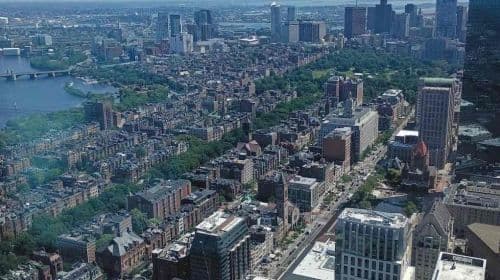
For views across the city, View Boston on the 52nd floor of the Prudential Tower offers 360-degree panoramas that are particularly impressive at dusk when the harbor and Charles River catch the light.
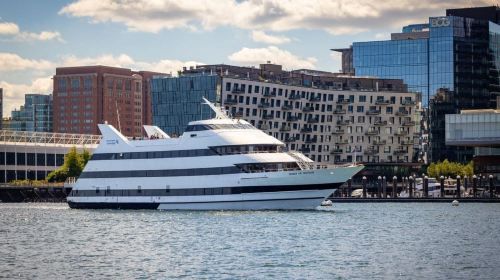
The harbor itself deserves a full half-day. The Boston New England Harbor Cruise gives you a perspective of the city's skyline and historic waterfront that you simply cannot get on foot. For something more dramatic, the Boston City Cruises Whale Watching Cruise takes you out into Massachusetts Bay where humpback and finback whale sightings are remarkably reliable from April through October.
Across the harbor, the Boston Harbor Islands State Park is one of the most underused attractions in the city. The islands are accessible by ferry and offer hiking trails, Civil War-era forts, and sweeping ocean views with almost none of the downtown crowds.
If you are traveling with children or simply love marine life, the New England Aquarium on Central Wharf is excellent, with a four-story ocean tank at its center that houses sharks, sea turtles, and thousands of fish.
For sports fans, catching a Boston Celtics home game at TD Garden is one of the best live sports experiences in the NBA. The atmosphere on a playoff night is something else entirely.
A short trip across the Charles River takes you to Cambridge and Harvard Square. The Harvard University Campus Guided Walking Tour is a worthwhile way to understand the history of America's oldest university and explore the architecture of the yard properly.
If you plan to visit multiple attractions, the Go City: Boston All-Inclusive Pass covers more than 40 experiences and can save significant money for visitors who want to pack a lot into a short trip.
---
Where to Eat
Boston's food scene is stronger than its reputation suggests. The North End is the city's Italian neighborhood and home to some of the best pasta and cannoli in the country. Mike's Pastry and Modern Pastry on Hanover Street have a long-running rivalry that locals take seriously.
For seafood, Neptune Oyster in the North End and Island Creek Oyster Bar in Kenmore Square are the benchmarks. A bowl of New England clam chowder from a waterfront shack is non-negotiable on any visit.
Cambridge's Inman Square and Central Square offer more affordable, diverse dining options including excellent Ethiopian, Vietnamese, and South American restaurants that rarely appear on tourist itineraries.
For a meal with a view, the City Cruises Boston Harbor Buffet Lunch or Dinner Cruise combines food and sightseeing in one booking.
---
Budget Expectations
Boston sits firmly in the expensive category for American cities. Budget travelers can manage on $100 to $130 per day by using the T, eating at local spots, and staying in hostels or budget hotels outside the immediate downtown core. Mid-range travelers should expect $200 to $300 per day including a decent hotel and restaurant meals. Luxury travel in Boston can easily exceed $500 per day.
Attraction passes like the Go City Explorer Pass or CityPASS are genuinely worth the investment if you plan to visit more than three or four paid attractions.
---
Insider Tips
The Arnold Arboretum in Jamaica Plain is free and extraordinary in spring. Most visitors never make it out to this 281-acre park managed by Harvard, but the lilac collection in May is one of the most remarkable natural spectacles in the northeast. Take the Orange Line to Forest Hills.
Eat your way through the Haymarket on Fridays and Saturdays. This open-air produce and food market near Faneuil Hall has operated since 1830 and offers some of the cheapest fresh produce in the city. It is cash only and the vendors move fast, so come prepared.
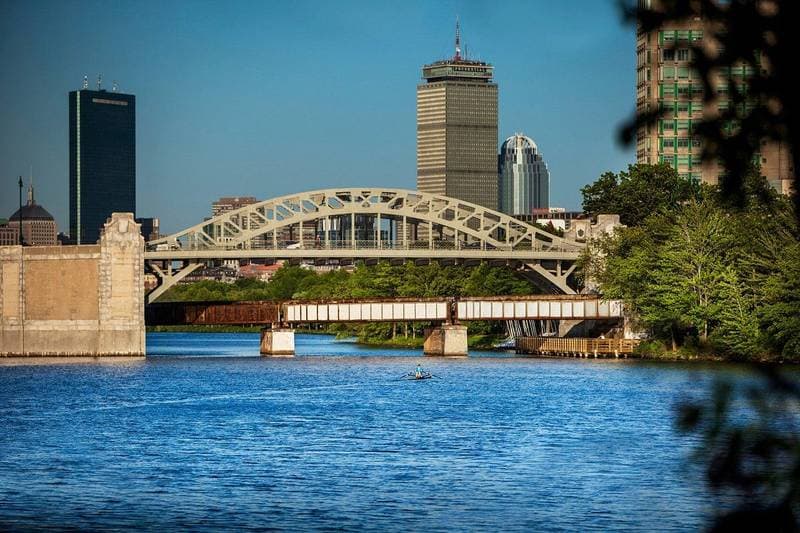
The Esplanade along the Charles River is the best free activity in the city. The path stretches for miles along the riverbank and is used by locals for running, cycling, and picnicking. On summer evenings, the Hatch Shell hosts free outdoor concerts that draw thousands of residents who largely go unnoticed by tourists staying closer to downtown.
---
Final Word
Boston is a city that opens up the more time you give it. The major landmarks are worth seeing, but the neighborhoods, the harbor, and the connections to wider New England are what make a visit genuinely memorable. Plan carefully, use public transport, and do not try to rush through everything in a single day.